Filters
9 products
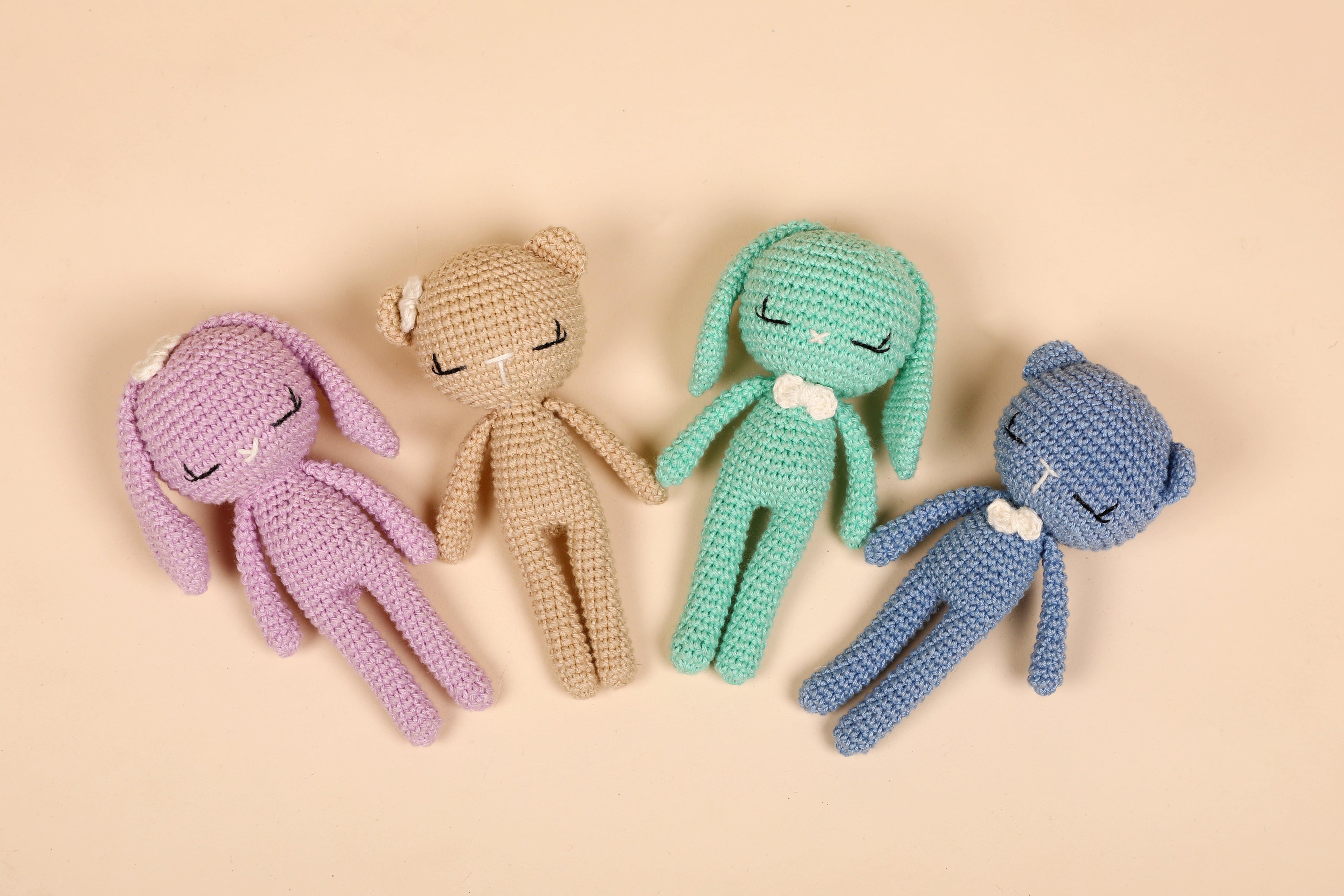
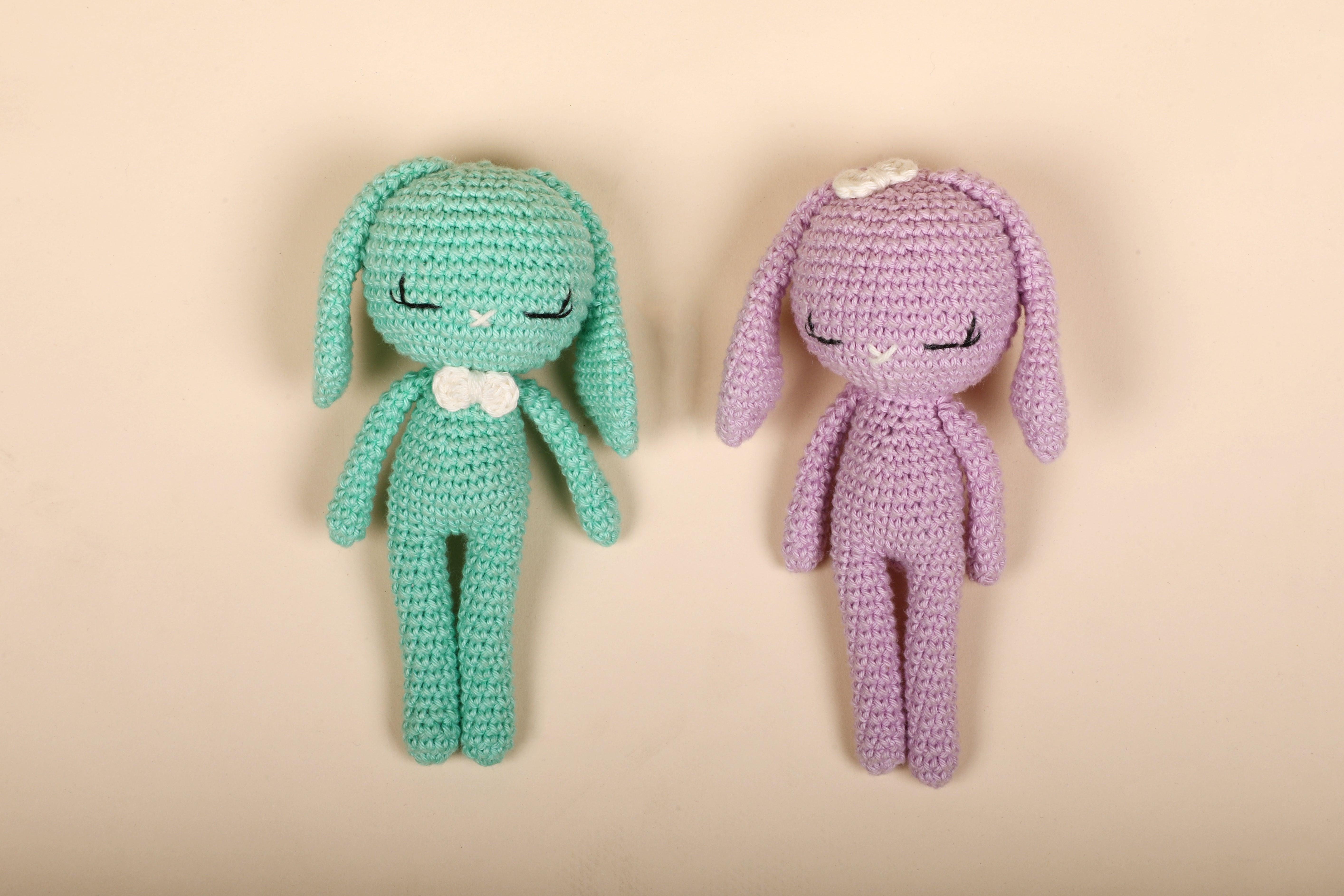

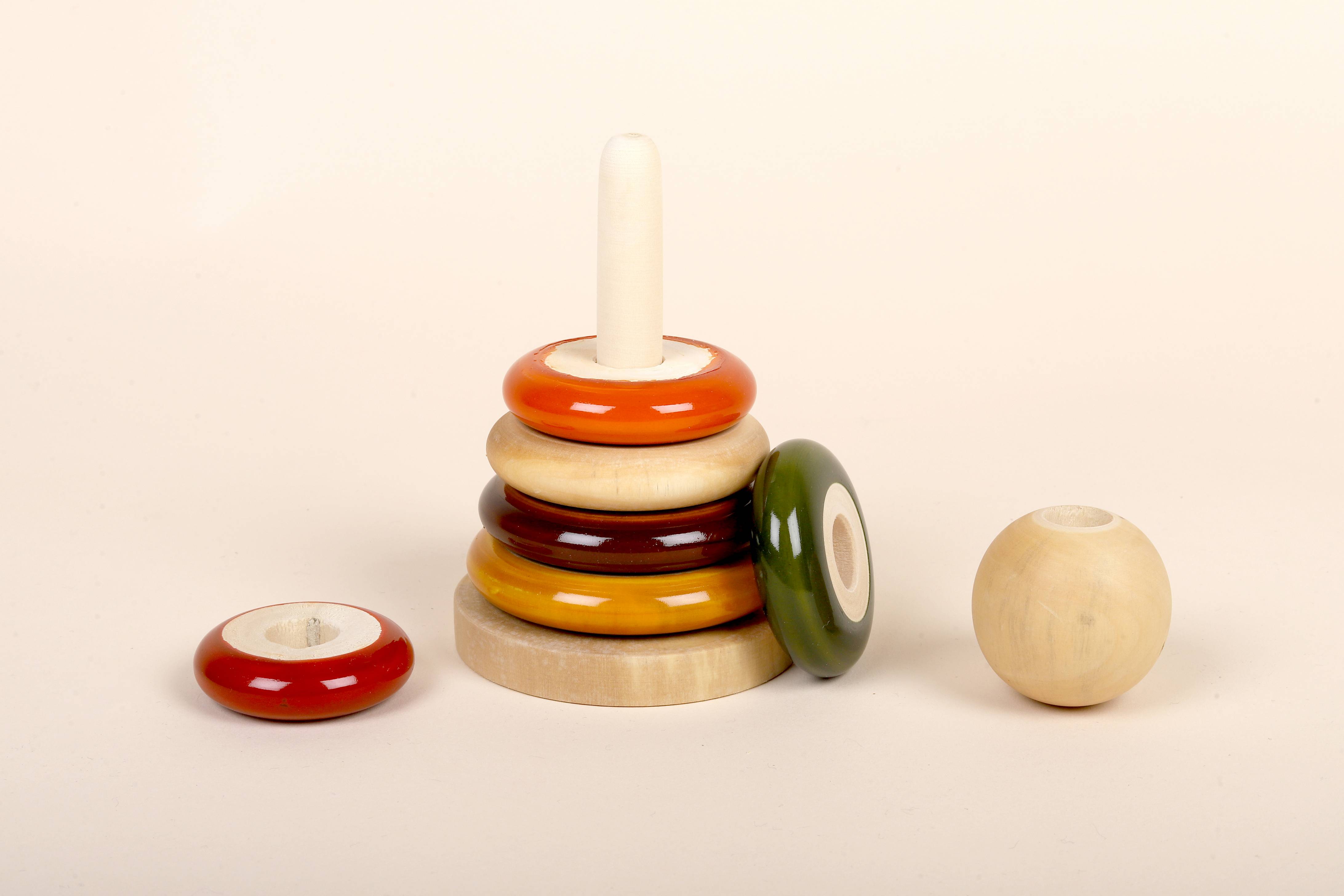
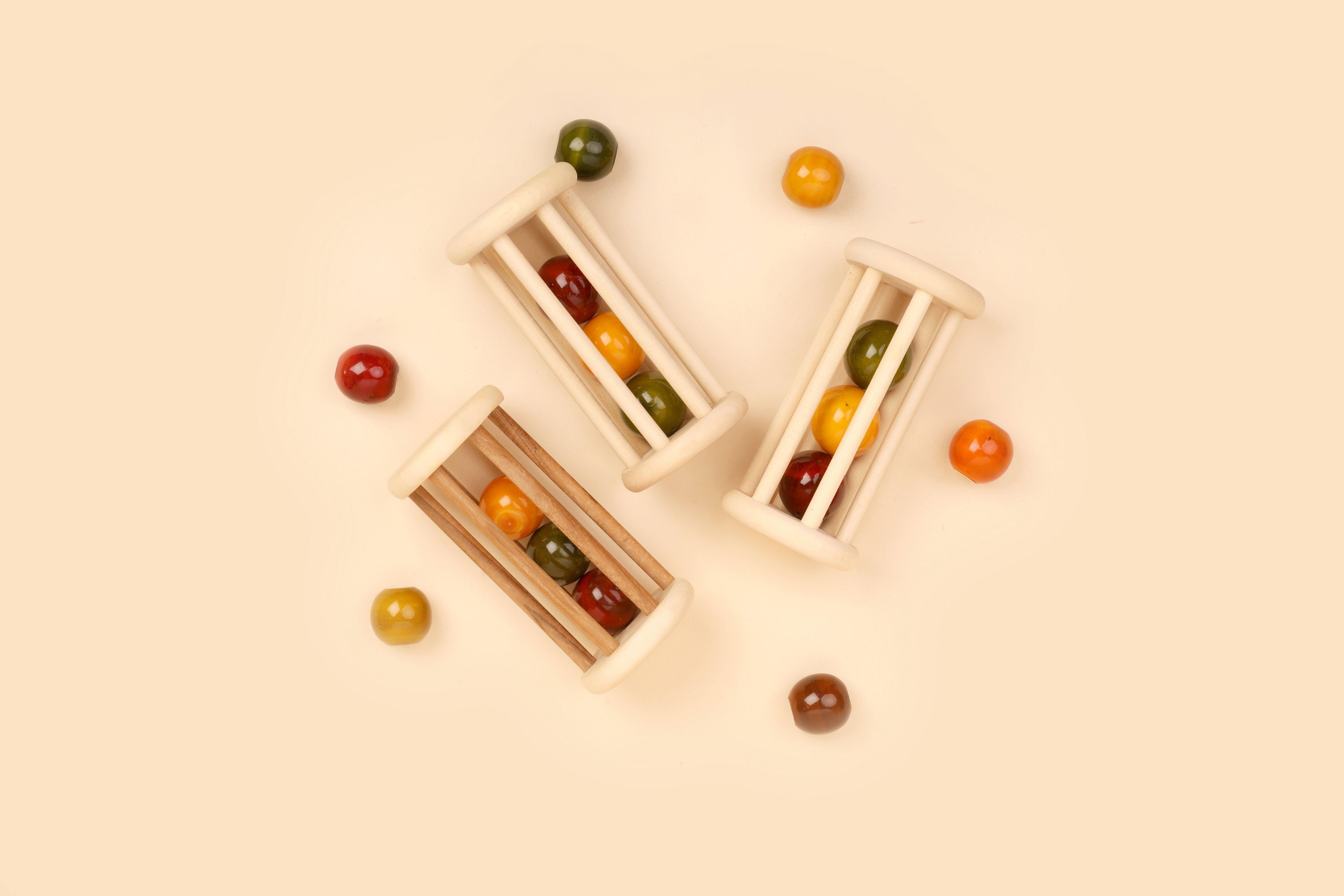
Toys for 1 Year Olds in Everyday Indian Homes
What are toys for 1 year olds and why do parents look for them?
Toys for 1 year olds are simple, safe play materials designed for babies who are beginning to move, explore, and interact with their surroundings. These include sensory toys, wooden toys, soft toys, and basic activity materials that can be used without instructions.
Parents in India usually start looking for these toys around the first birthday, when babies become more active and curious. At this stage, play becomes part of daily routine rather than occasional engagement. Many parents begin by exploring broader options like baby toys before choosing more specific types.
What types of toys are included in toys for 1 year olds?
At this stage, toys are selected based on how naturally a child can interact with them. The focus is on repetition, touch, and movement.
Common types include:
- Sensory toys with textures and simple actions, available in sensory play
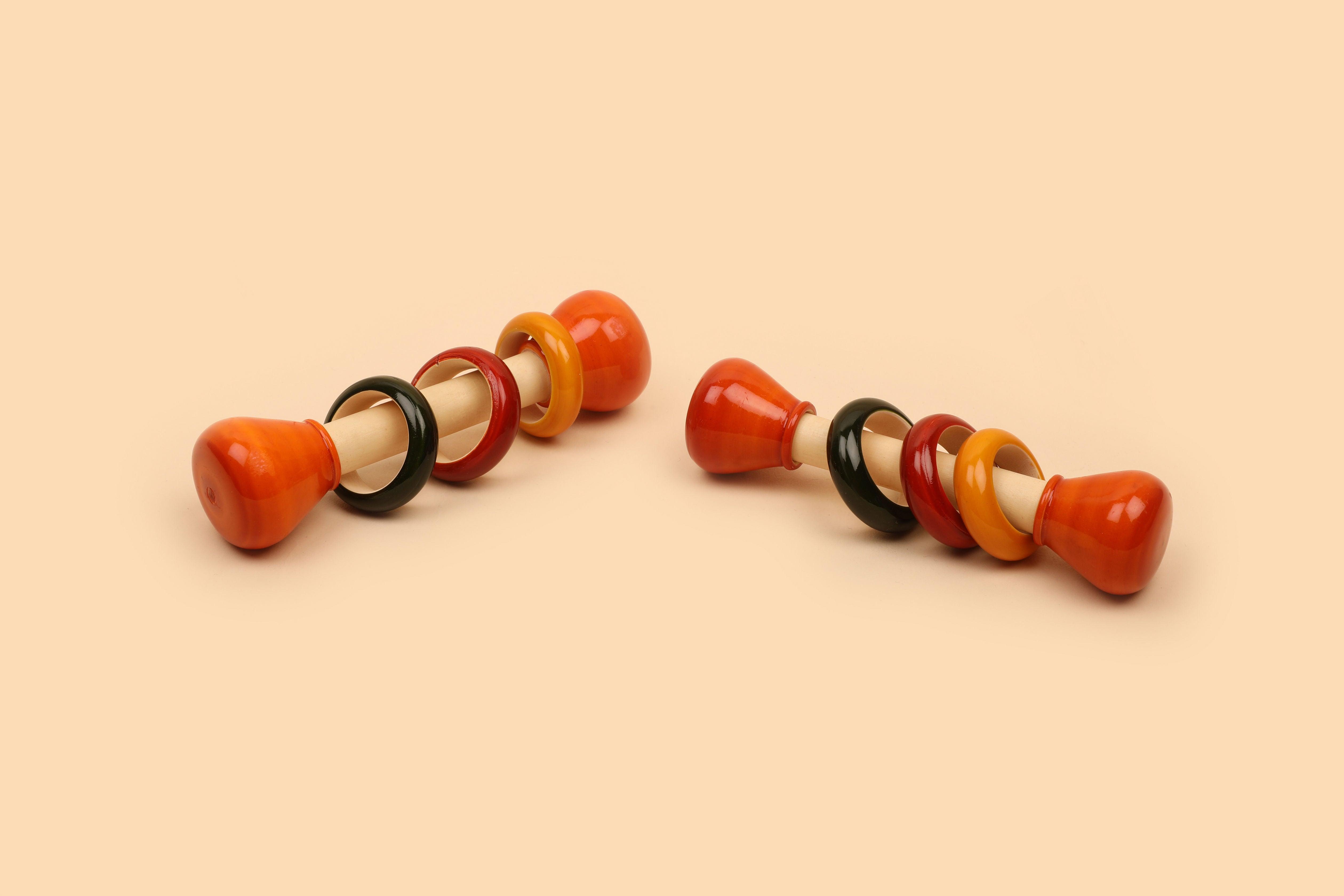
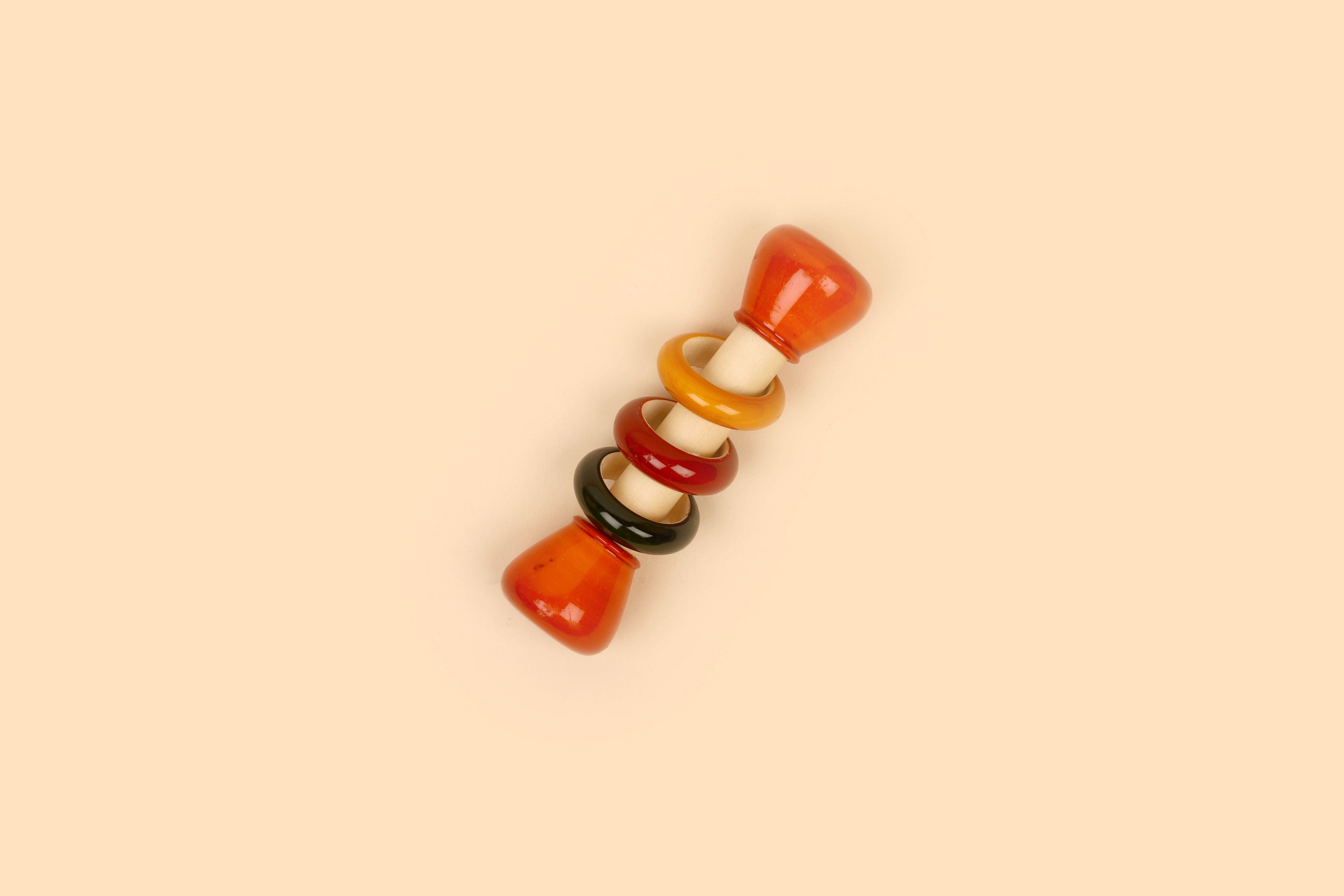
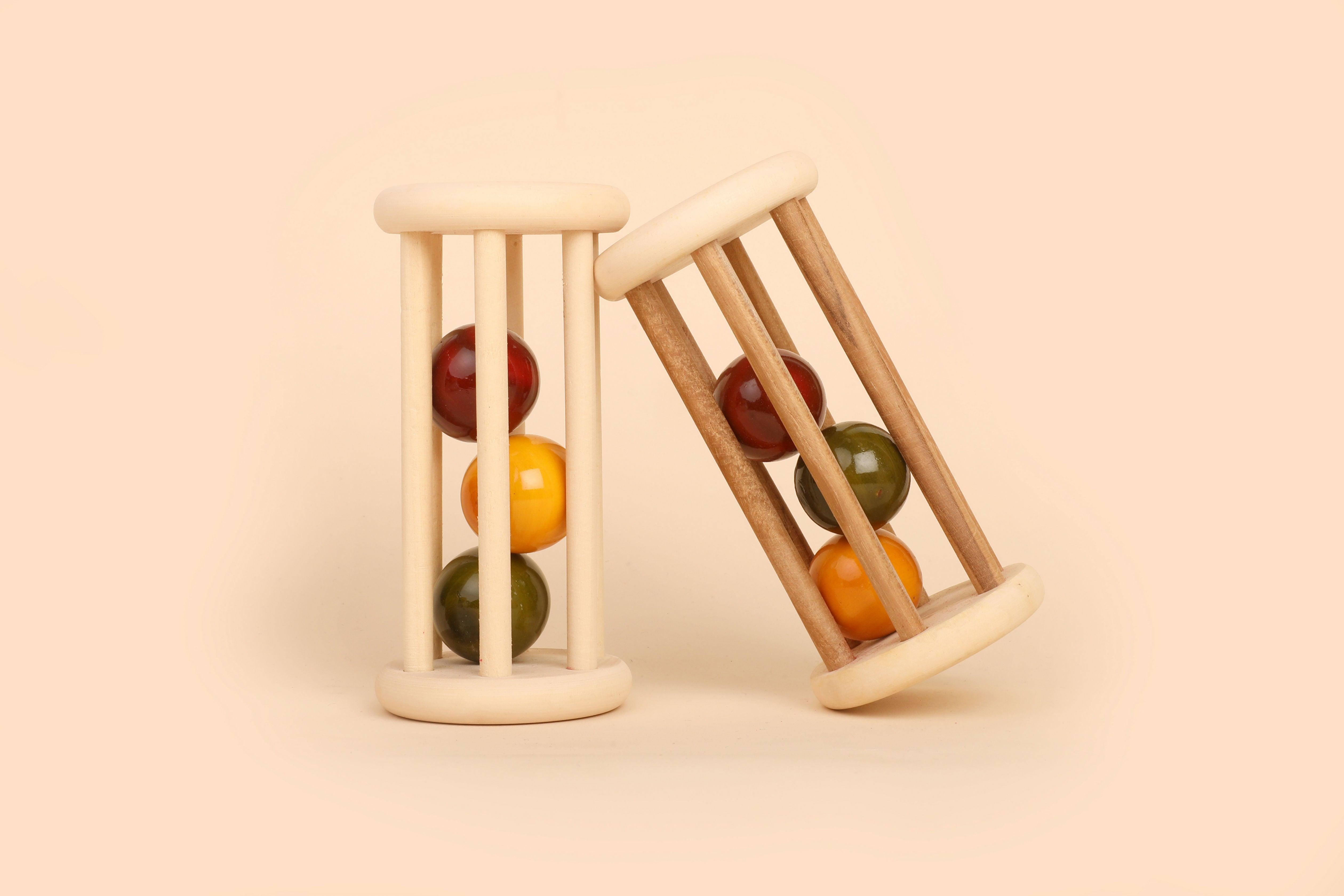
- Wooden grasping toys like wooden rattles
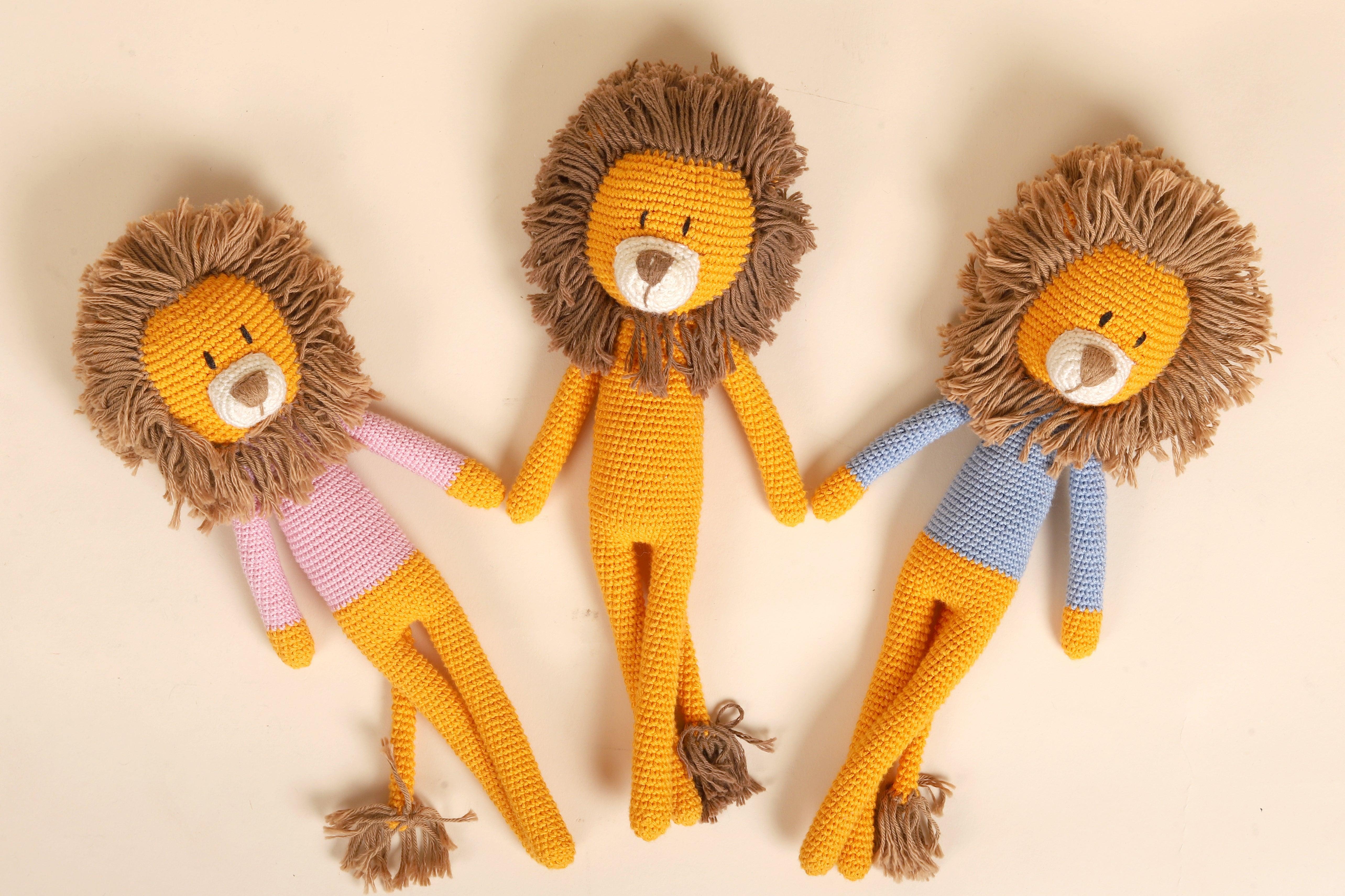
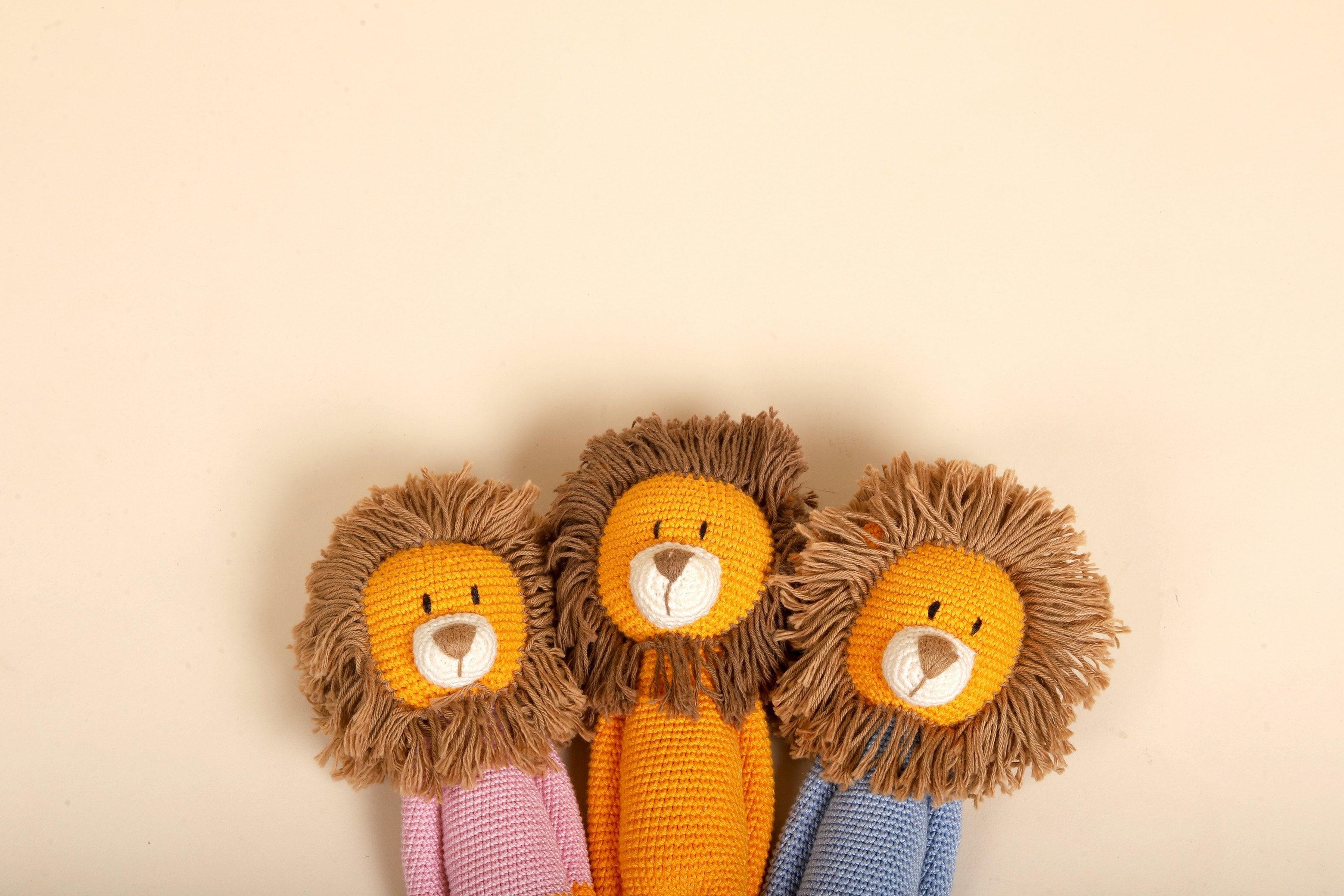
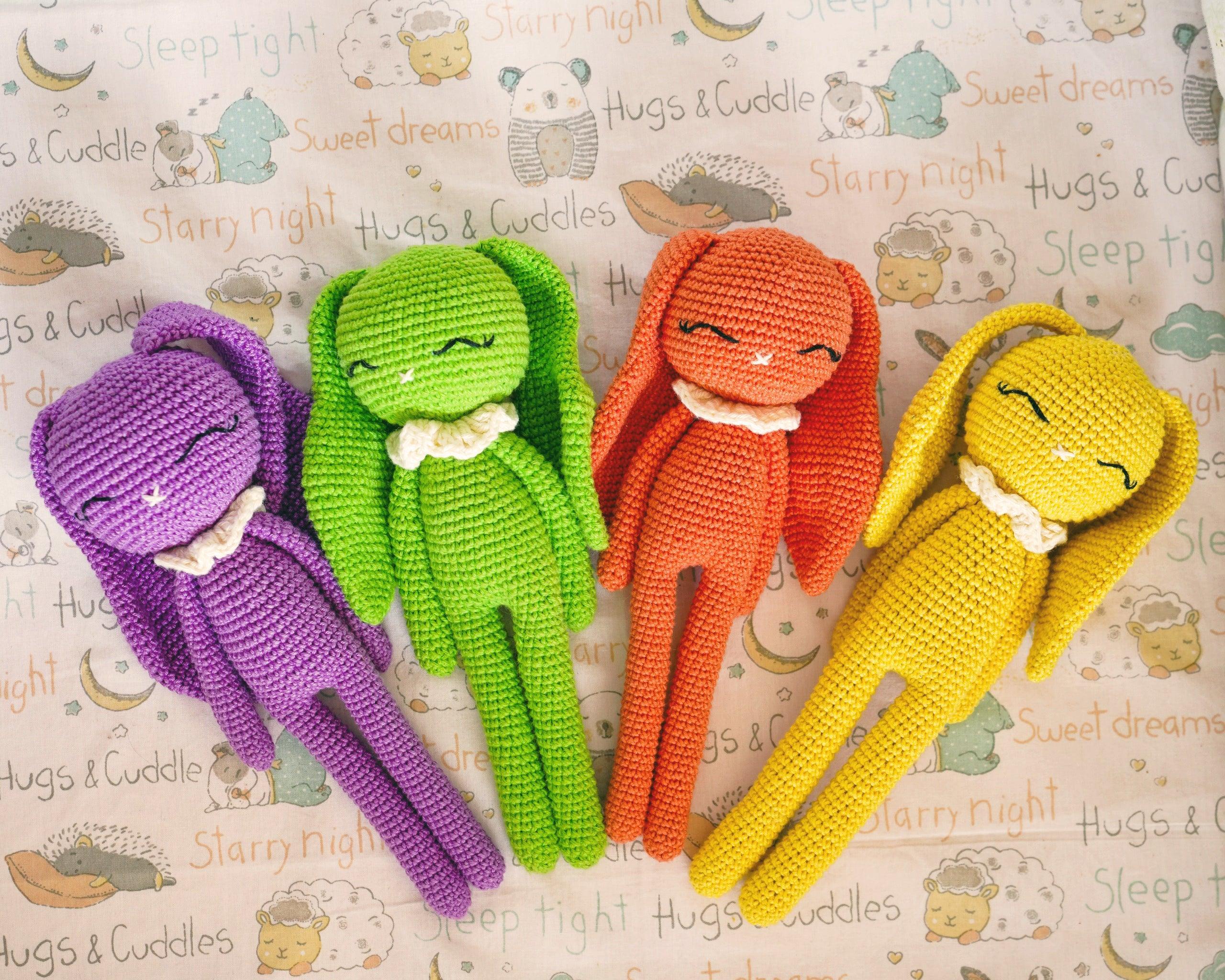
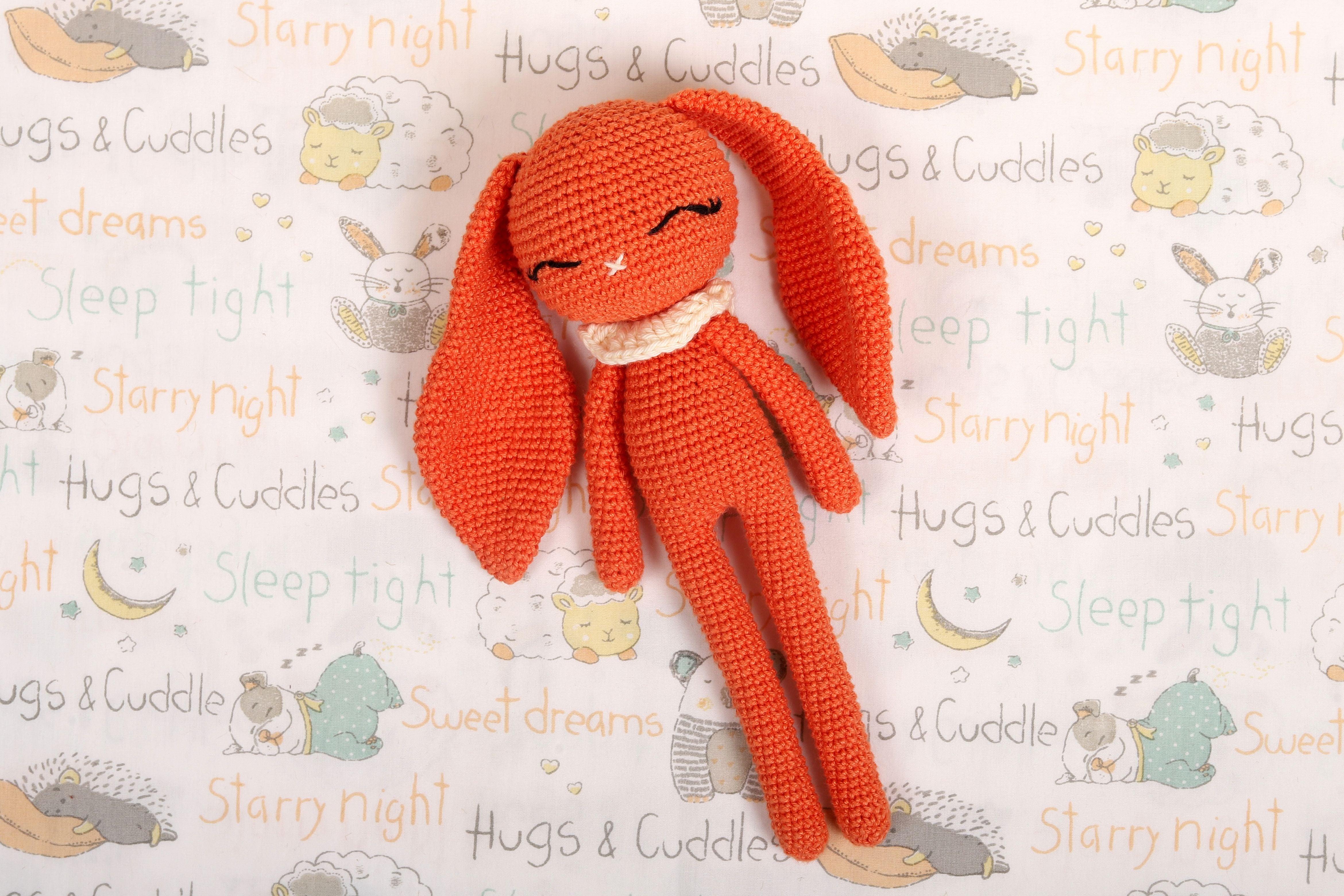
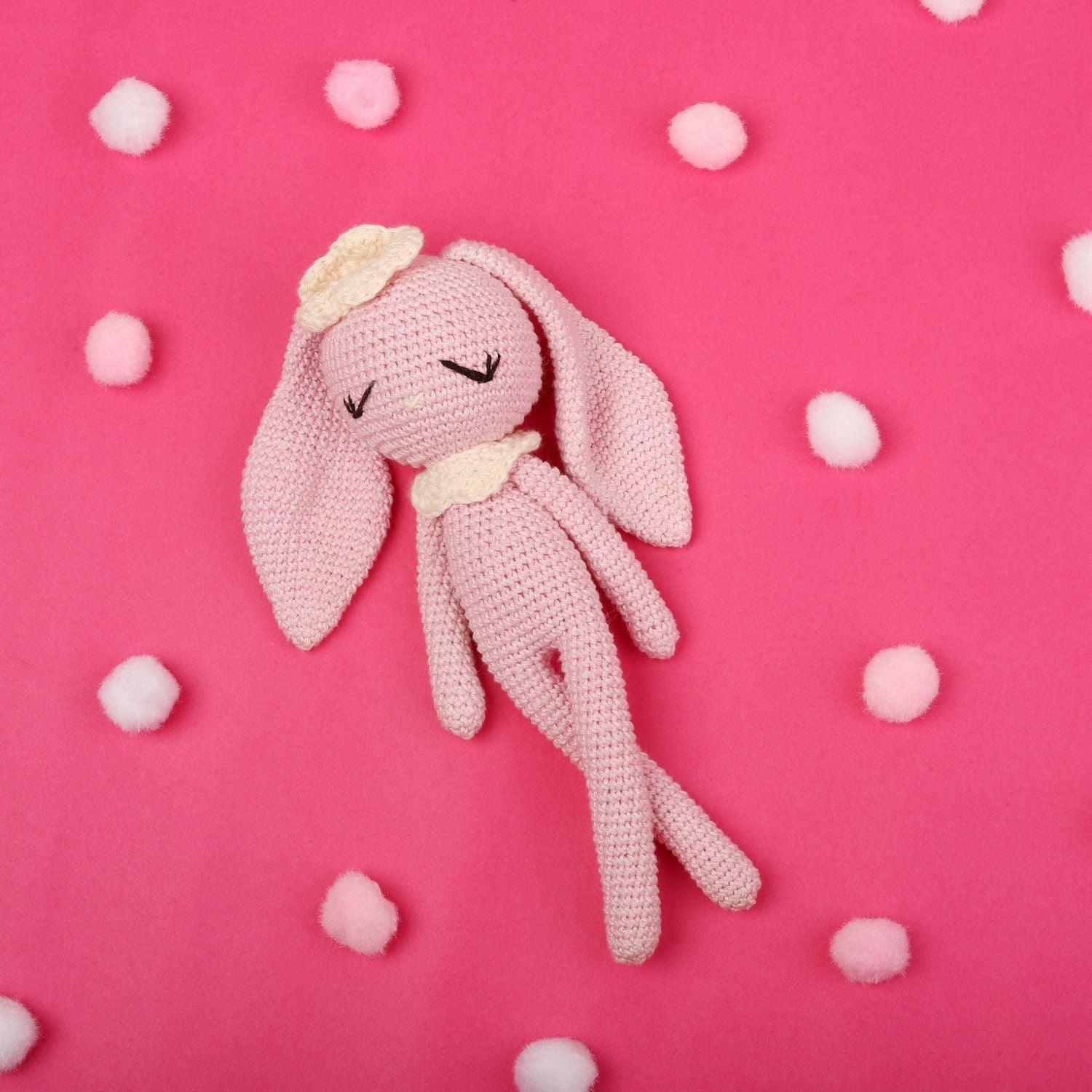
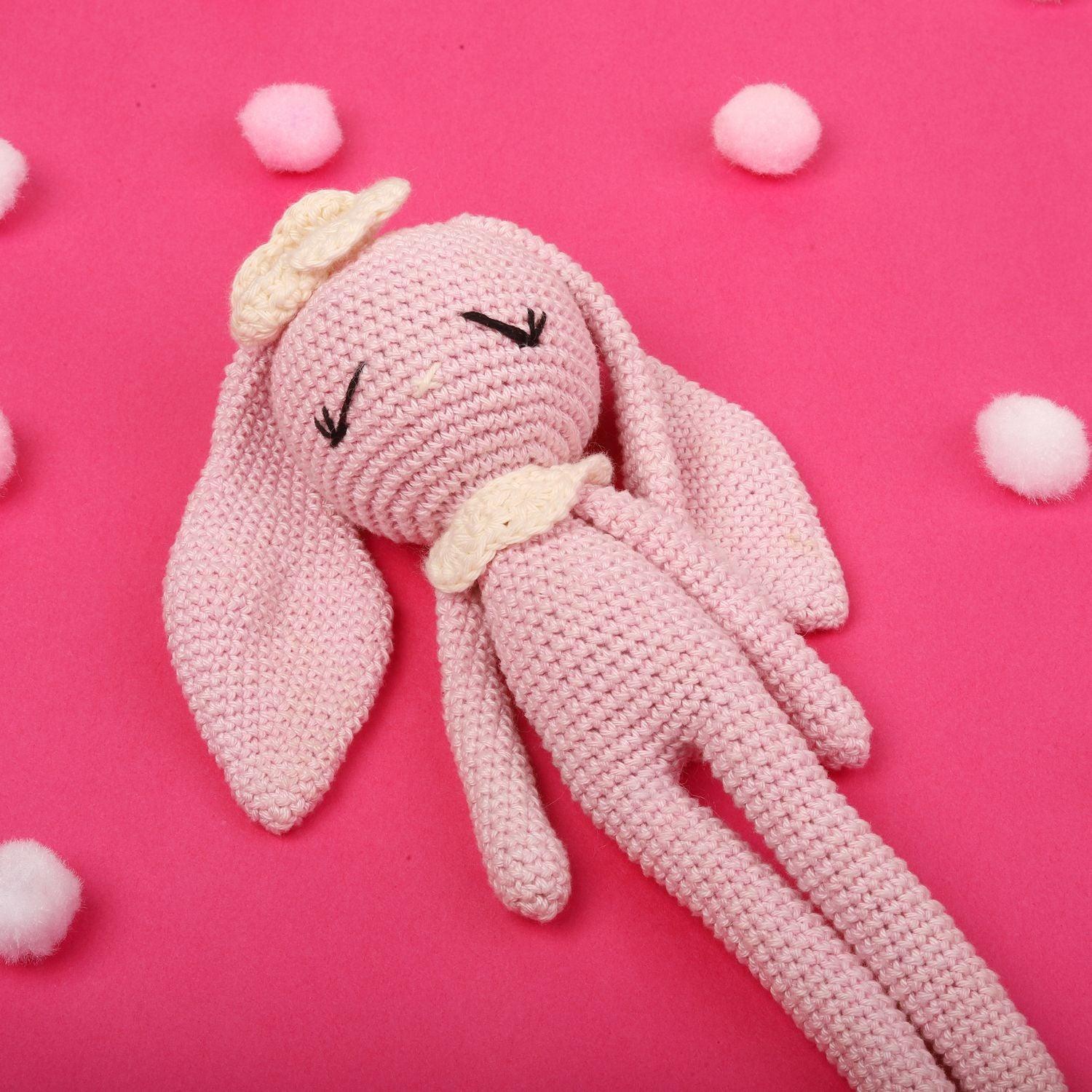
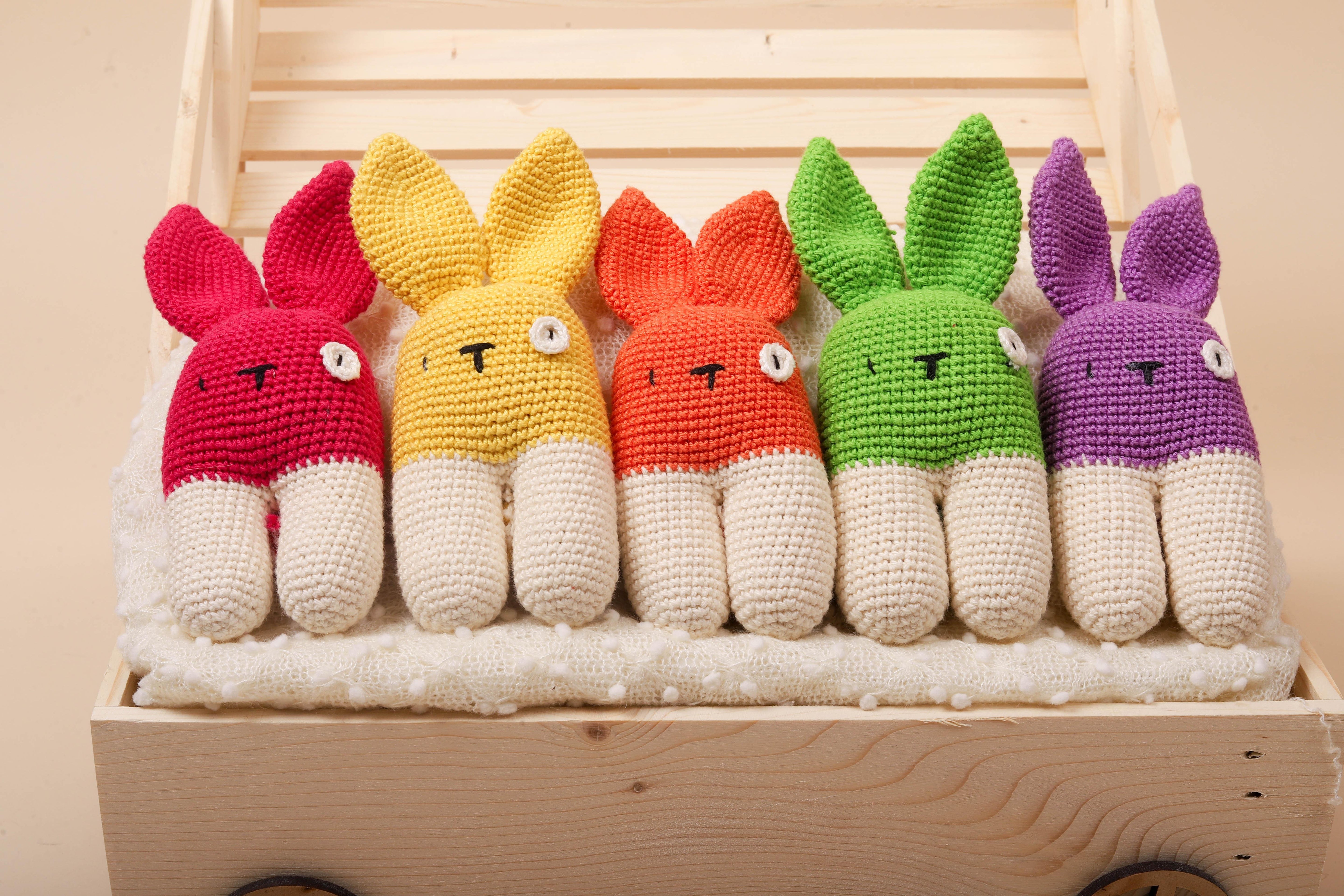
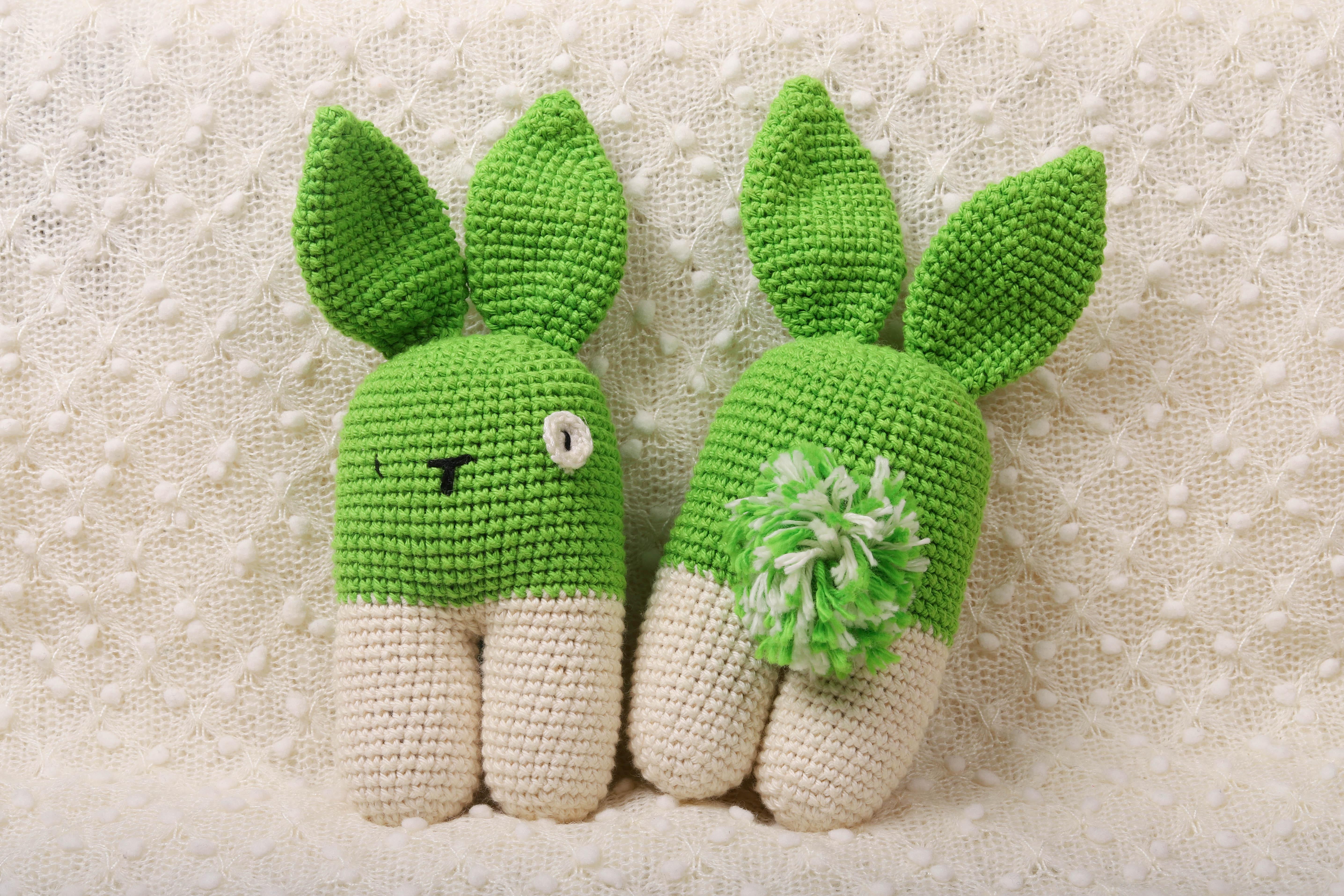
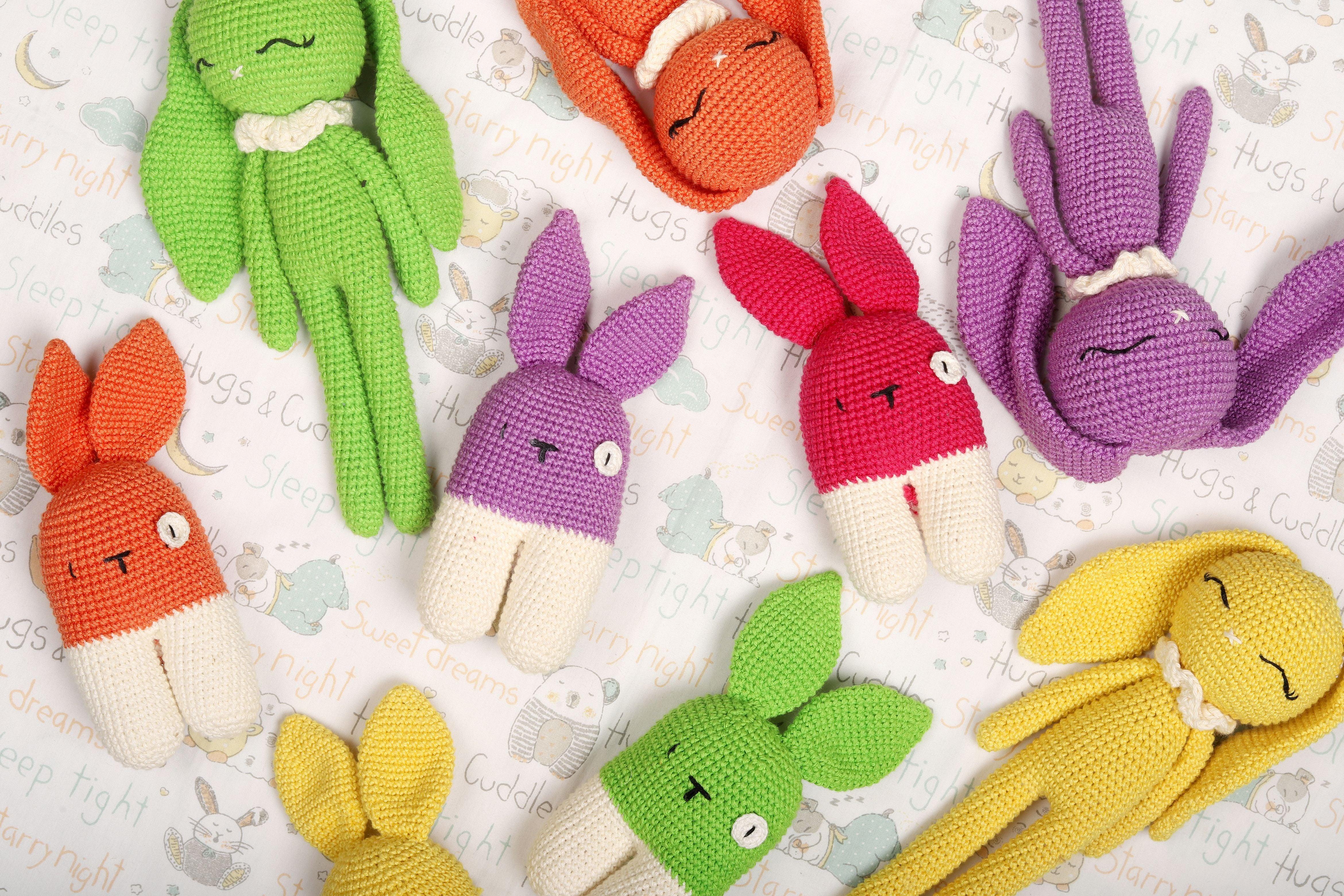
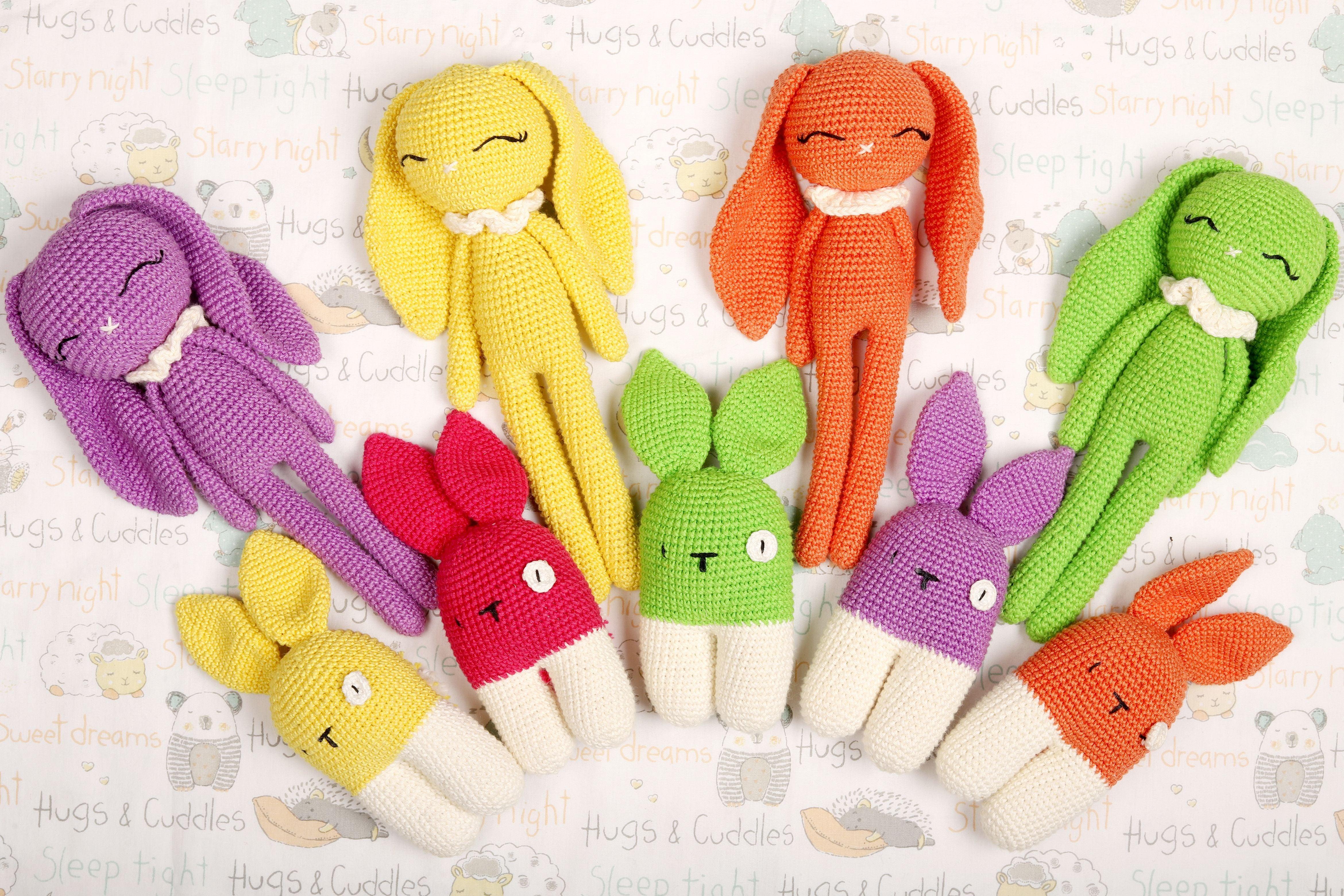
- Soft toys used during quiet time from soft toys for kids
- Movement-based toys such as tummy time toys
- Floor setups using baby play mats
These toys are typically used daily and do not require instructions or structured play.
How do 1 year olds actually use these toys?
Children at this age do not follow a fixed way of playing. Instead, they engage through simple repeated actions.
You will often see babies:
- Picking up and dropping objects
- Exploring textures using hands and mouth
- Watching movement or sound
- Moving between crawling and standing while holding objects
This is why many parents prefer simple materials like wooden toys, which allow slower and more natural interaction.
What is the play value of toys for 1 year olds?
At this stage, toys are not meant to teach in a structured way. They support everyday exploration.
These toys:
- Encourage independent play without constant adult direction
- Support sensory exploration through touch and movement
- Can be used repeatedly without losing relevance
- Fit easily into small home setups
- Work well alongside simple systems like Montessori toys
The value comes from consistency and familiarity rather than variety.
Which age and stage is this collection suitable for?
Best for early walkers and crawlers
Children who are starting to move independently benefit from toys that are easy to reach, hold, and explore.
Useful for toddlers beginning independent play
Around one year, children start engaging in short periods of self-directed play.
Works well in sibling homes
Older children often use the same toys differently, making them suitable across age groups.
Ideal for quiet time
Simple toys are useful during calmer parts of the day when overstimulation needs to be avoided.
What does this look like in an Indian home?
In many Indian homes, play happens in shared spaces like the living room. A small mat is placed on the floor, and a few toys are kept within reach. Instead of large setups, parents rely on simple arrangements that can be packed away easily after use.
How are parents actually using these toys?
“Rhea from Pune keeps a small basket with four toys next to her child’s play mat so her baby can choose what to pick.”
“Amit in Bengaluru uses the same set of toys for both his children, allowing the younger one to observe and slowly participate.”
How can these toys be used through the day?
Morning independent play
After breakfast, a few toys can be placed on a mat. Parents often use setups like baby play mats to create a comfortable space.
Afternoon quiet time
Soft toys or simple sensory materials work well when the child is calmer. Many parents use options from soft toys for kids.
Evening interaction
Parents sit nearby and engage without directing play, sometimes introducing simple objects from wooden toys.
Weekend routines
Longer, slower play sessions where toys are explored freely without interruption.
How to choose between different toy types at this age?
Wooden toys vs plastic toys
Wooden toys:
- Simple and durable
- Less overstimulating
- Often preferred for slower play
Plastic toys:
- Brighter and more varied
- May include sound or light
- Can be more stimulating
Many parents combine both, depending on the time of day and type of play.
Open ended vs fixed outcome toys
Open ended toys:
- No single way to play
- Used differently over time
- Suitable for mixed age homes
Fixed outcome toys:
- Designed for a specific action
- Shorter engagement span
For everyday routines, open ended toys are often easier to integrate.
When do parents start introducing toys for 1 year olds?
Most parents begin around the first birthday. Some toys like tummy time toys are introduced earlier in supervised settings.
For gifting, these are commonly chosen for occasions like birthday gifts and baby shower gifts.
Common questions parents ask
What are the best toys for 1 year olds?
Toys that involve simple actions like holding, stacking, and exploring textures are most suitable. Sensory toys and wooden toys are commonly used.
Are wooden toys safe for 1 year olds?
Yes, when made with smooth finishes and child safe materials, wooden toys are widely used under supervision.
Do 1 year olds need many toys?
No. A small set of four to six toys is usually enough. Rotation helps maintain interest without creating clutter.
Can these toys be used for more than one child?
Yes. Many toys at this stage are open ended and can be used differently by children of different ages.
How do I store toys in a small home?
Use baskets or low shelves. Keep only a few toys accessible and rotate them every few days.
Explore More for Your Child
By Age
Toys for 1 Year Olds, Toys for 2 Year Olds, Toys for 3 Year Olds, Toys for 4 Year Olds, Toys for 5 Year Olds
By Play Style
Open Ended Toys, Pretend Play Toys, Sensory Play, Activity Kits
Learning Approach
Montessori Toys, Waldorf Toys, Educational Toys, Montessori Educational Toys