Filters
2 products
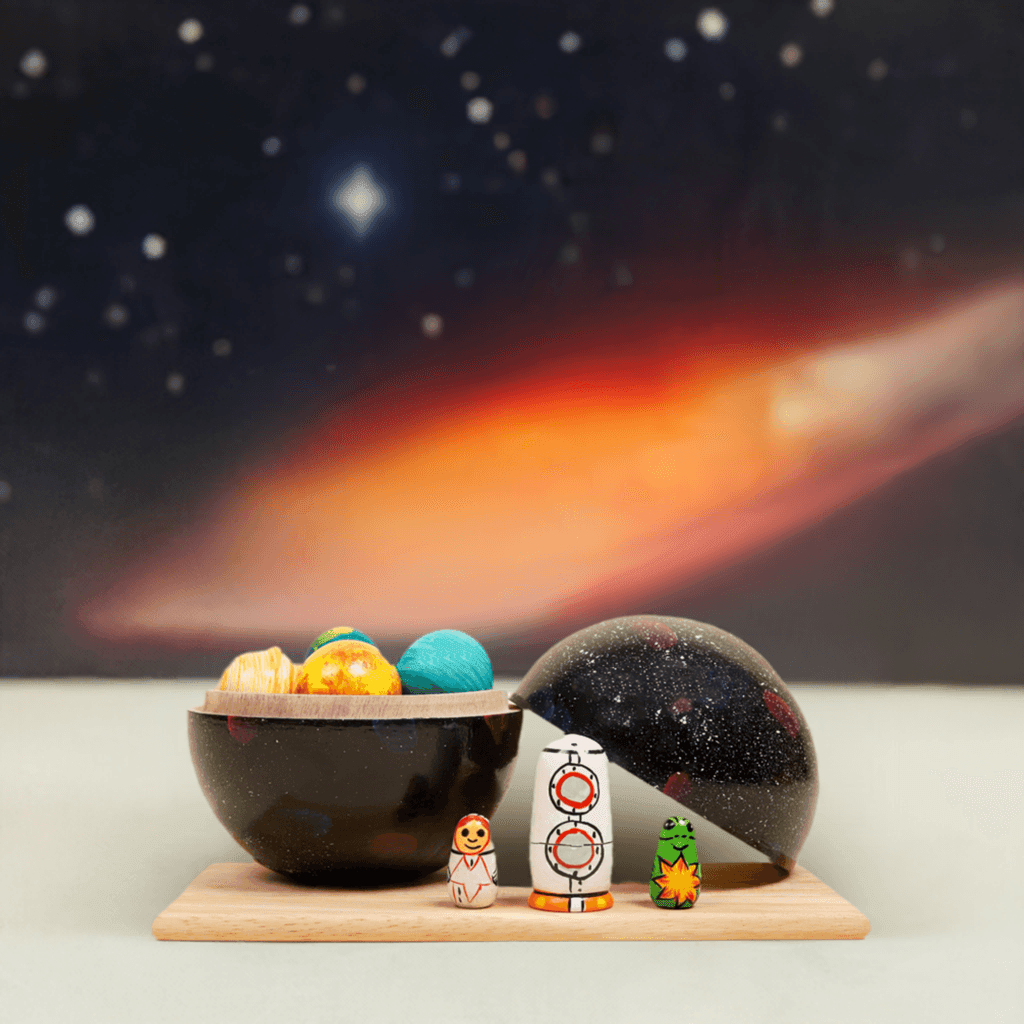
Toys for 5 Year Olds That Build Thinking, Independence, and Real-World Skills
What kind of toys do 5 year olds actually need?
At age five, children are no longer just exploring or imagining. They begin to think more clearly, follow multi-step activities, and show interest in solving problems independently. Toys for 5 year olds are chosen to support this stage where play starts connecting with real-world understanding.
In Indian homes, this often overlaps with formal schooling. Parents start looking for toys that can support focus, decision-making, and self-driven play. Many move beyond basic play and explore structured categories like educational toys.
How is play at age five different from earlier stages?
Play becomes more structured and purposeful.
A 5 year old typically:
- Follows steps to complete an activity
- Solves simple challenges independently
- Builds with a clear goal in mind
- Engages in longer, uninterrupted play
Unlike earlier ages, play is no longer random or purely imaginative. It becomes intent-driven.
What types of toys work best for 5 year olds?
At this stage, toys that combine thinking, creativity, and independence are most useful.
Common categories include:
- Skill-based tools from activity kits
- Logic and concept-driven toys from educational toys
- Advanced building materials like wooden blocks
- Creative exploration from open ended toys
- Real-life imitation through pretend play toys
These toys allow children to think, plan, and execute ideas.
What skills do these toys support?
Toys at this stage are closely linked to everyday learning and independence.
They help children:
- Follow multi-step instructions
- Build focus and patience
- Solve problems through trial and error
- Think independently without constant guidance
- Apply ideas from school into play
This is why many parents choose approaches like Montessori educational toys, where children learn through hands-on engagement.
Which children is this collection best suited for?
School-going children
Children attending kindergarten or early primary benefit from structured play tools.
Independent learners
Children who prefer doing things on their own engage well with these toys.
Curious problem solvers
Kids who ask “why” and “how” frequently benefit from thinking-based toys.
Sibling play setups
These toys often work across age groups with different levels of complexity.
What does this look like in an Indian home?
After homework or school, a child may sit with an activity kit or building toy and try to complete a task step by step. Parents often notice that the child prefers finishing what they start rather than switching between toys frequently.
How are parents using these toys in real life?
“Ritika from Mumbai keeps structured activity kits for evening time so her child can focus after school.”
“Manish in Bengaluru prefers toys that allow his child to solve problems independently before asking for help.”
How can these toys be used through the day?
After school
Structured toys like activity kits help children transition from school to home.
Evening play
Creative and open-ended toys allow relaxation while still engaging the mind.
Weekend sessions
Longer activities where children build, create, and complete projects.
Quiet time
Focused toys help children engage without screens.
What should parents choose: structured learning or creative play?
Structured toys
- Help build discipline and focus
- Encourage task completion
- Align with school learning
Creative toys
- Encourage independent thinking
- Allow flexible problem solving
- Support imagination
At this stage, children benefit from a balanced mix of both.
How is this different from toys for 4 year olds?
At age four:
- Play includes problem solving
- Tasks are simpler
- Focus is developing
At age five:
- Play involves planning and execution
- Tasks become multi-step
- Children aim to complete what they start
Parents often move from toys for 4 year olds to more advanced, structured play systems.
When do parents typically buy toys for 5 year olds?
Most parents begin around 4.5 to 5 years when they notice:
- Stronger focus and patience
- Interest in completing tasks
- Curiosity about real-world concepts
These toys are also commonly chosen for occasions like birthday gifts, festive gifts, and learning-based gifting.
Common questions parents ask
What are the best toys for 5 year olds?
Toys that involve thinking, building, and completing tasks are most suitable. Activity kits and educational toys work well.
Do 5 year olds need learning toys?
Yes, especially those that are hands-on and engaging rather than purely instructional.
Are activity kits useful at this age?
Yes. They help children follow steps, stay focused, and complete tasks independently.
How many toys should a child have at this stage?
A smaller, well-chosen set works better than too many options. This improves focus.
Can these toys replace screen time?
They can provide engaging alternatives that keep children occupied and mentally active.
Key Takeaways
- Play at age five focuses on thinking, planning, and completing tasks
- Toys should support independence and real-world learning
- Structured and creative play both play important roles
- Works well in after-school and weekend routines
- A balanced setup helps children stay engaged without screens
Explore More for 5 Year Olds
Skill Building & Logic
Educational Toys, Montessori Educational Toys, Activity Kits, Wooden Learning Toys
Creative & Independent Play
Open Ended Toys, Wooden Blocks, Pretend Play Toys, Indoor Games
Everyday Essentials
Preschooler Toys, Sensory Play, Soft Toys, Best Sellers
Gifting & Occasions
Birthday Gifts, Return Gifts, Festive Gifts, Bundles & Combos