Filters
8 products
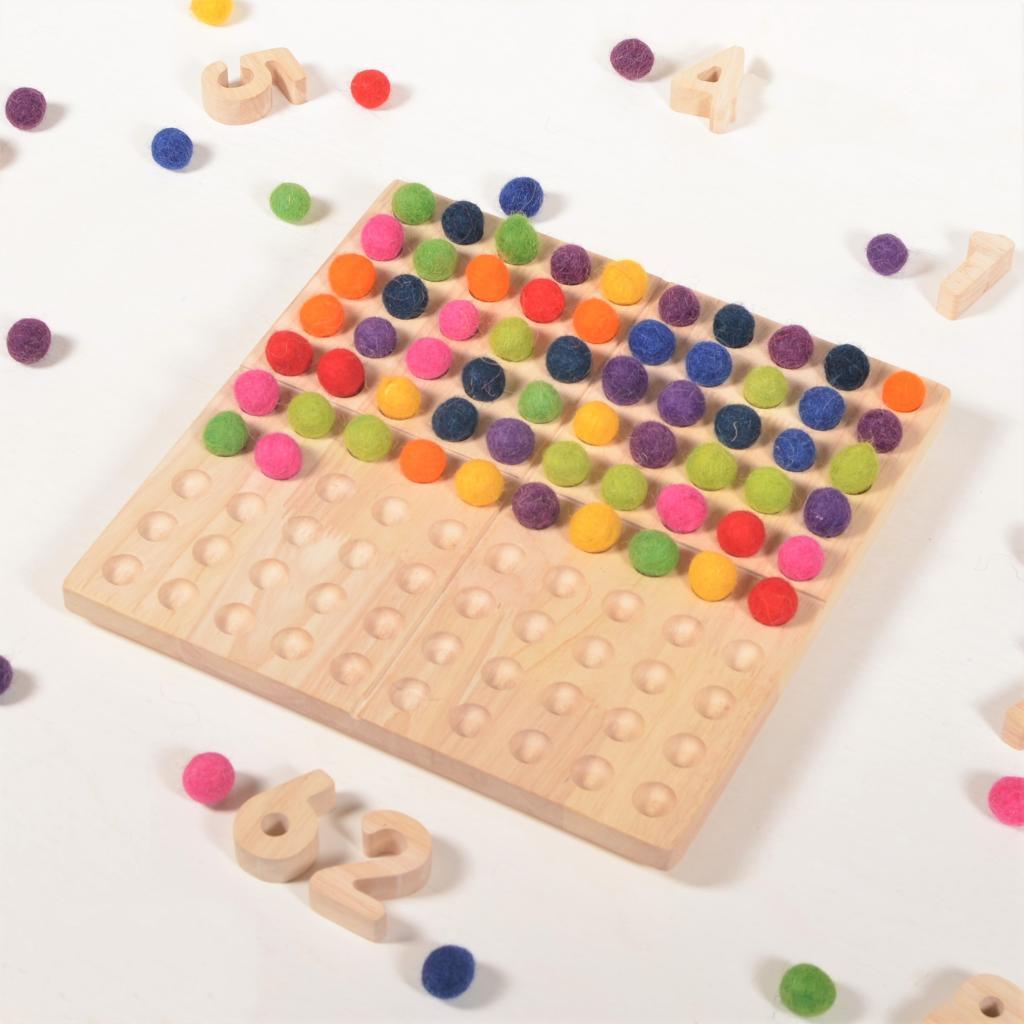
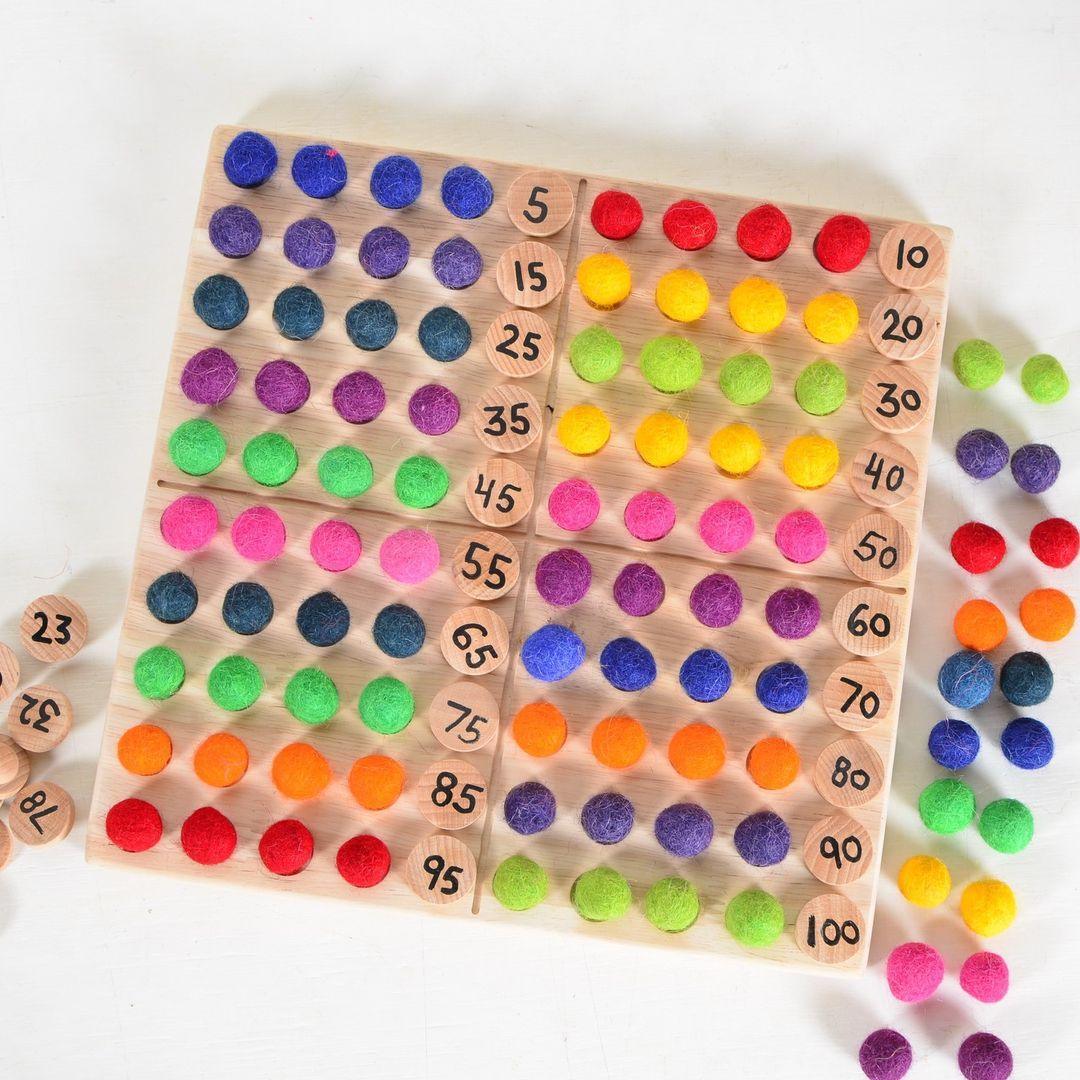
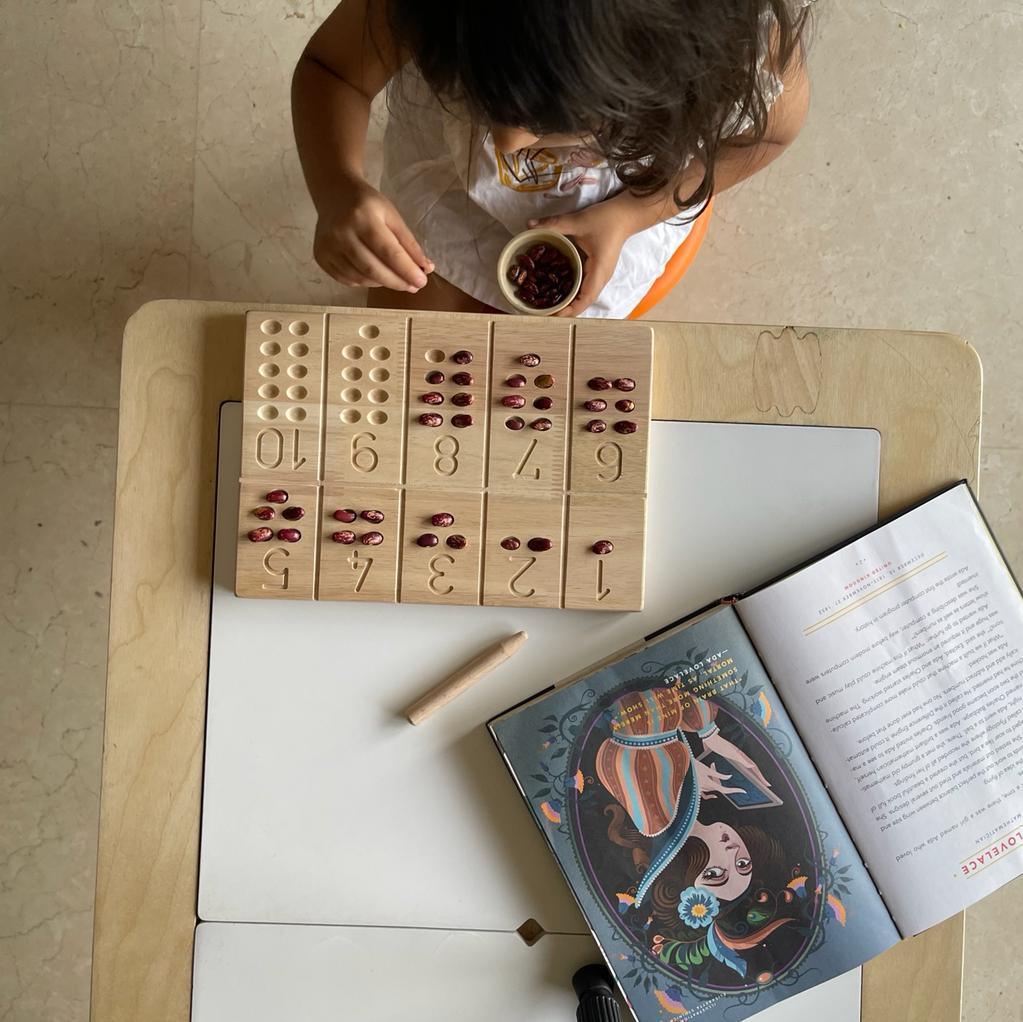
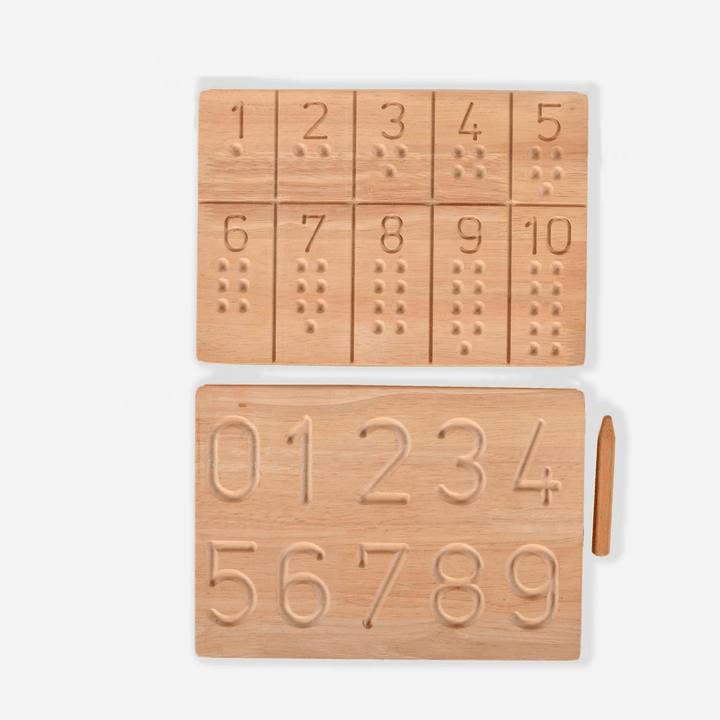


Toys for 4 Year Olds That Support Thinking, Creativity, and School Readiness
Why do parents look for toys for 4 year olds?
By age four, children are more aware, more expressive, and more curious about how things work. Play is no longer just about doing or imagining. It starts involving thinking, planning, and solving simple problems.
In many Indian homes, this stage overlaps with nursery or junior kindergarten. Parents begin looking for toys that support focus, early learning habits, and independent thinking. Collections like toys for 3 year olds often feel too basic, while more structured options from educational toys start becoming useful.
How does play change at age four?
Play becomes more organised and goal-oriented.
A 4 year old typically:
- Plans what they want to build or create
- Solves simple problems through trial and error
- Engages in longer play sessions
- Combines imagination with logic
This is where toys need to support both creativity and thinking together.
What types of toys work best for 4 year olds?
At this stage, toys that challenge the mind while still allowing creativity are most useful.
Common choices include:
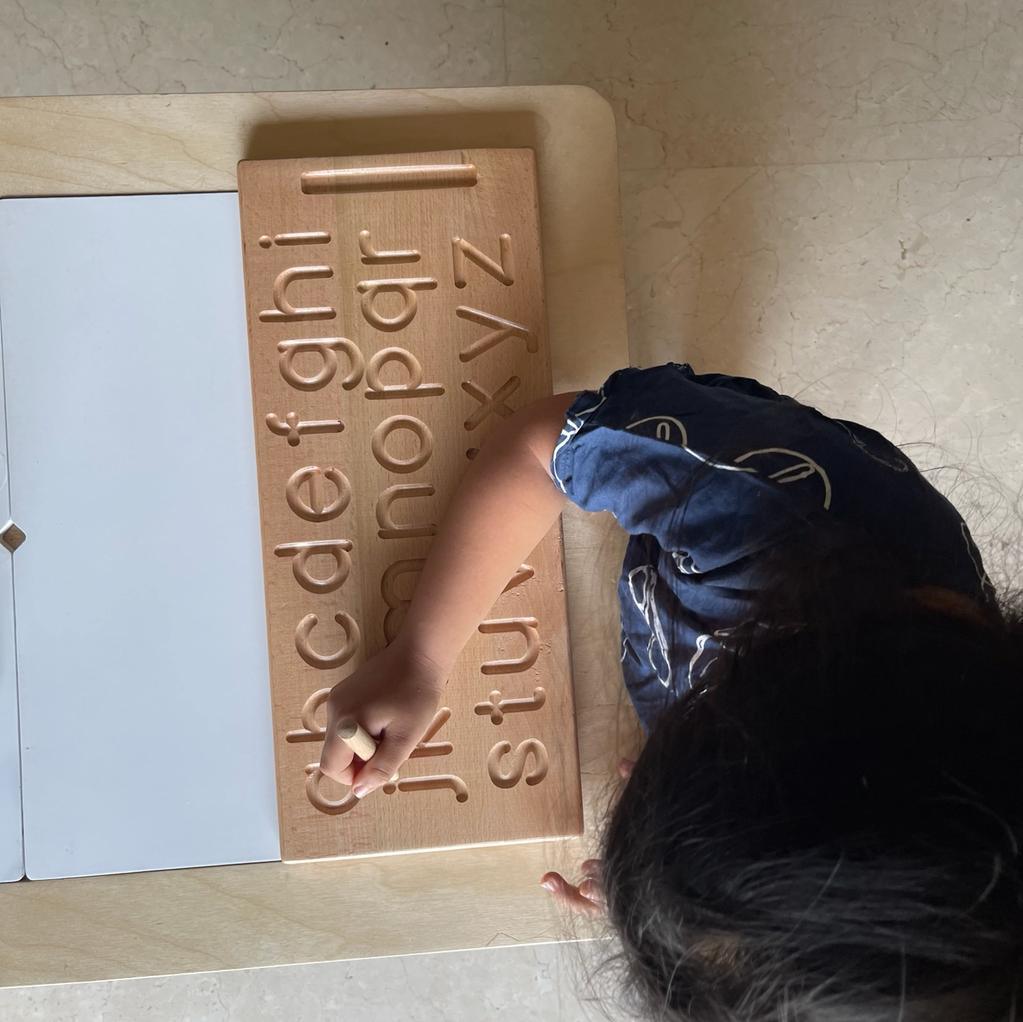
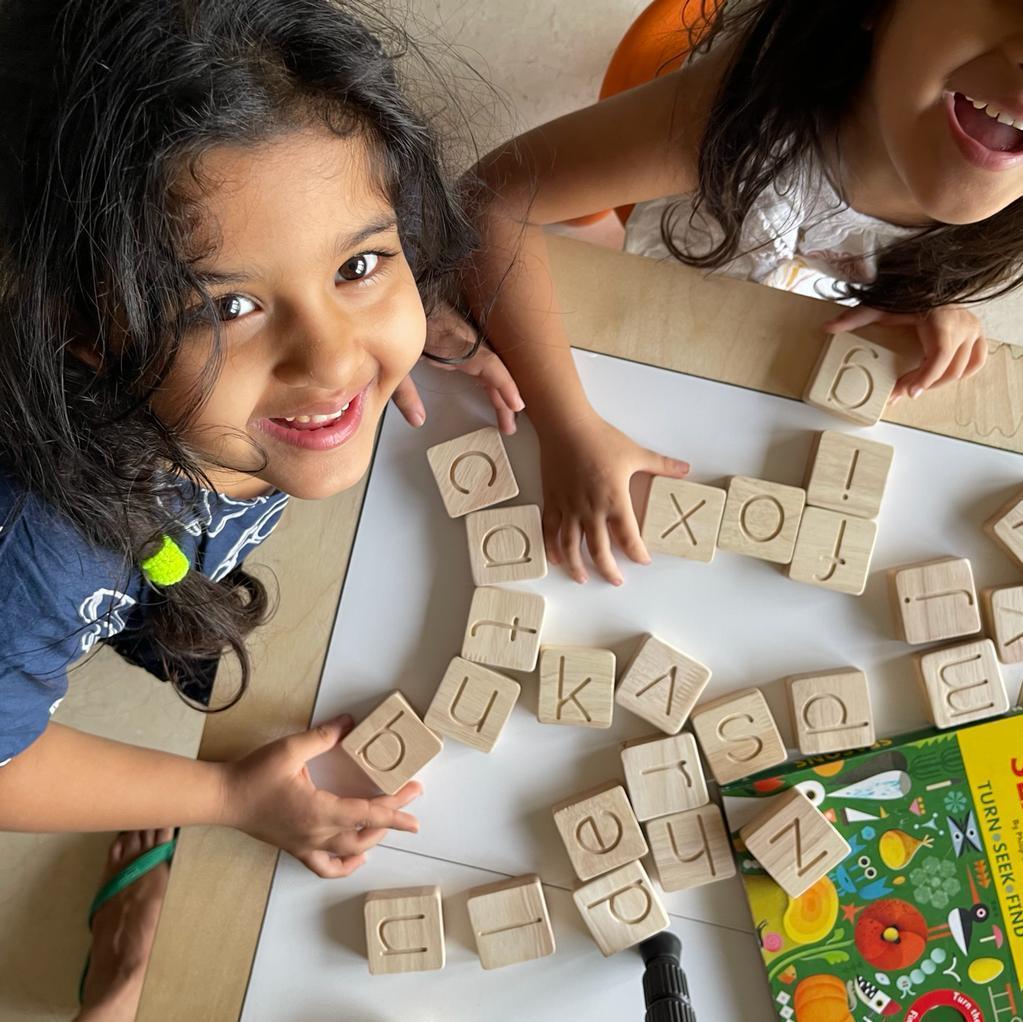
- Building toys like wooden blocks
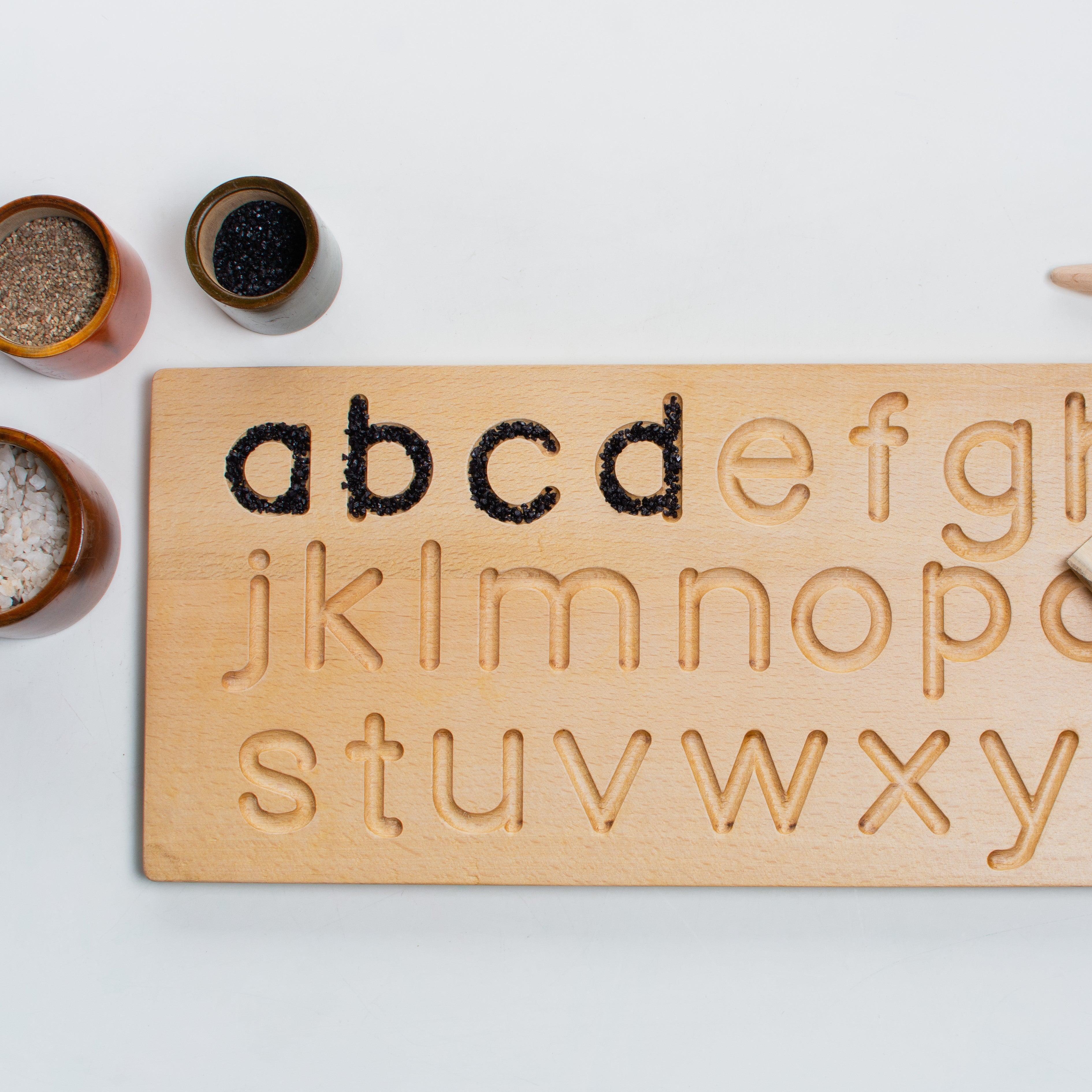
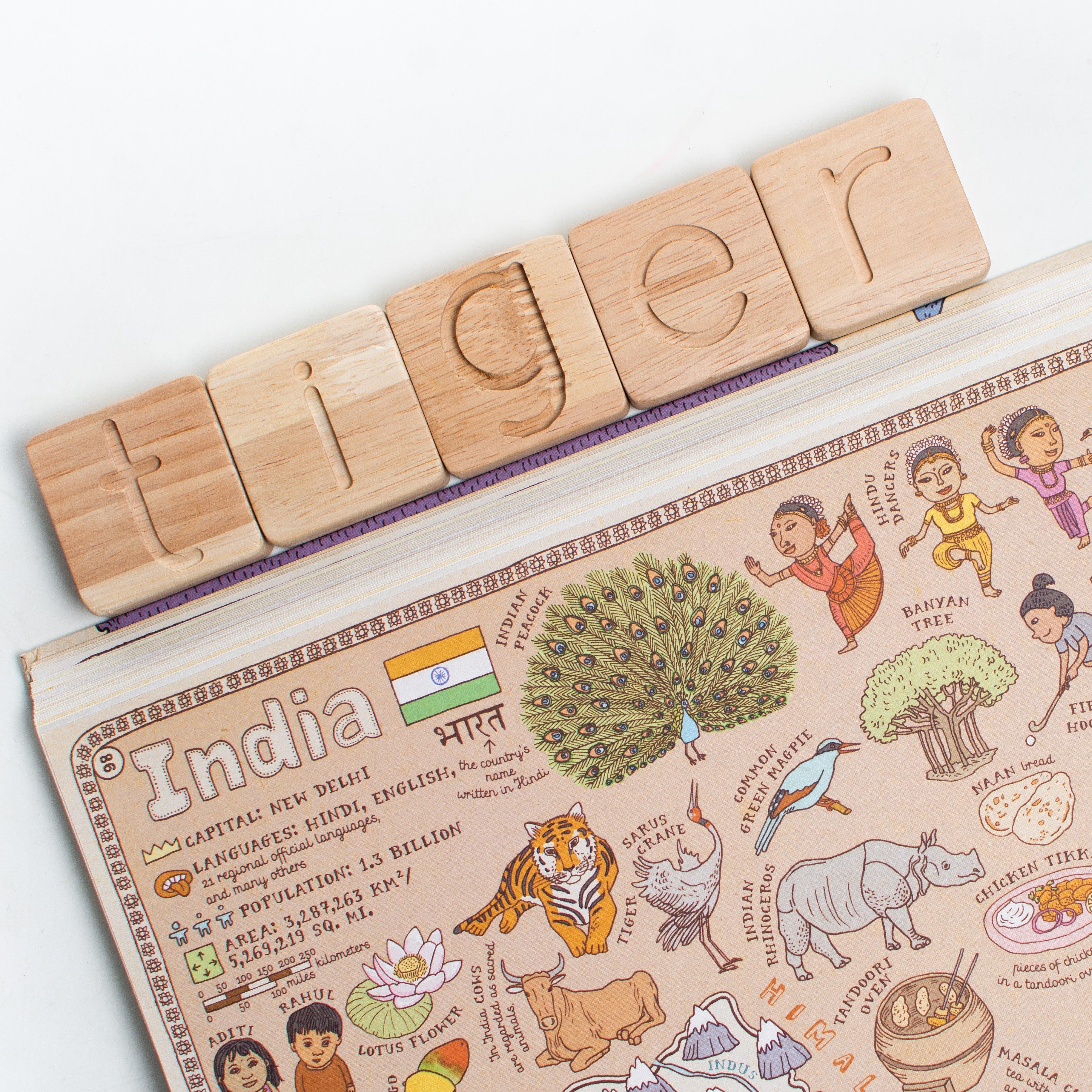
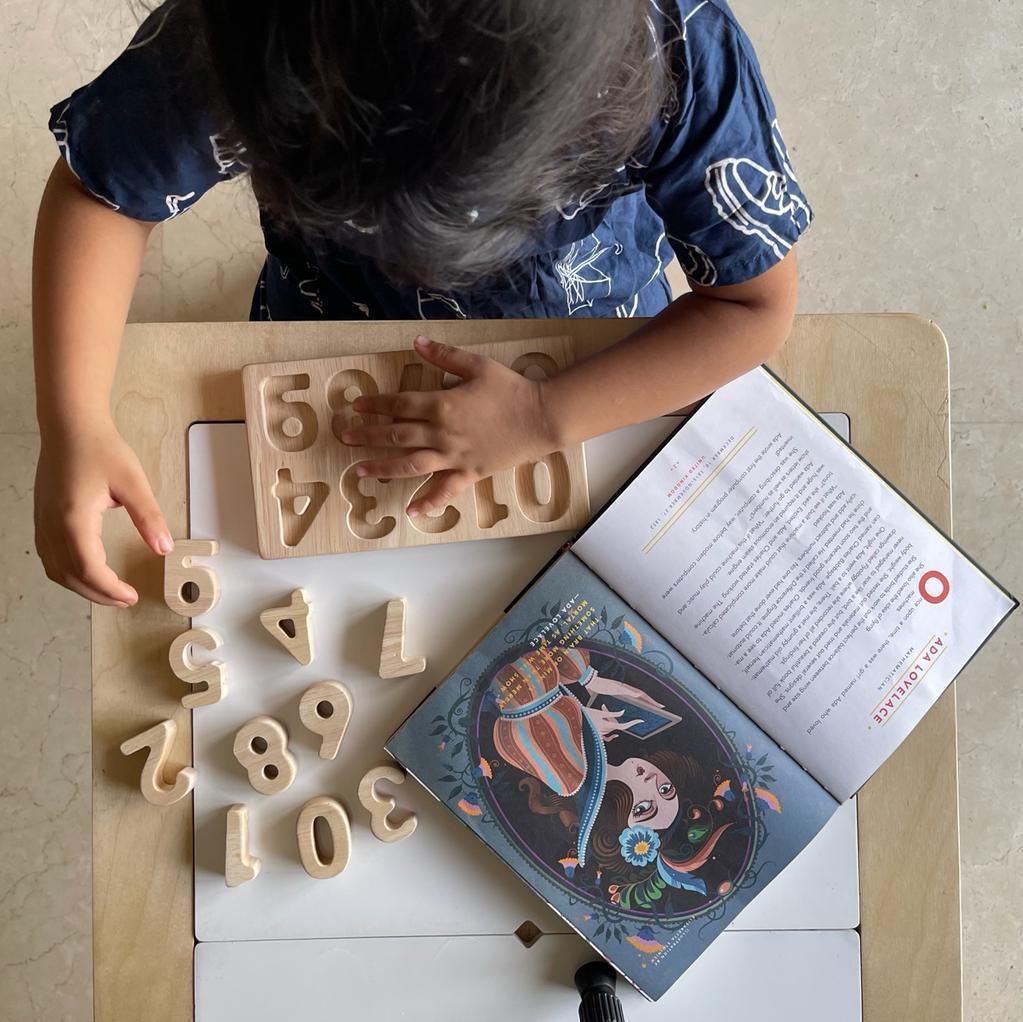
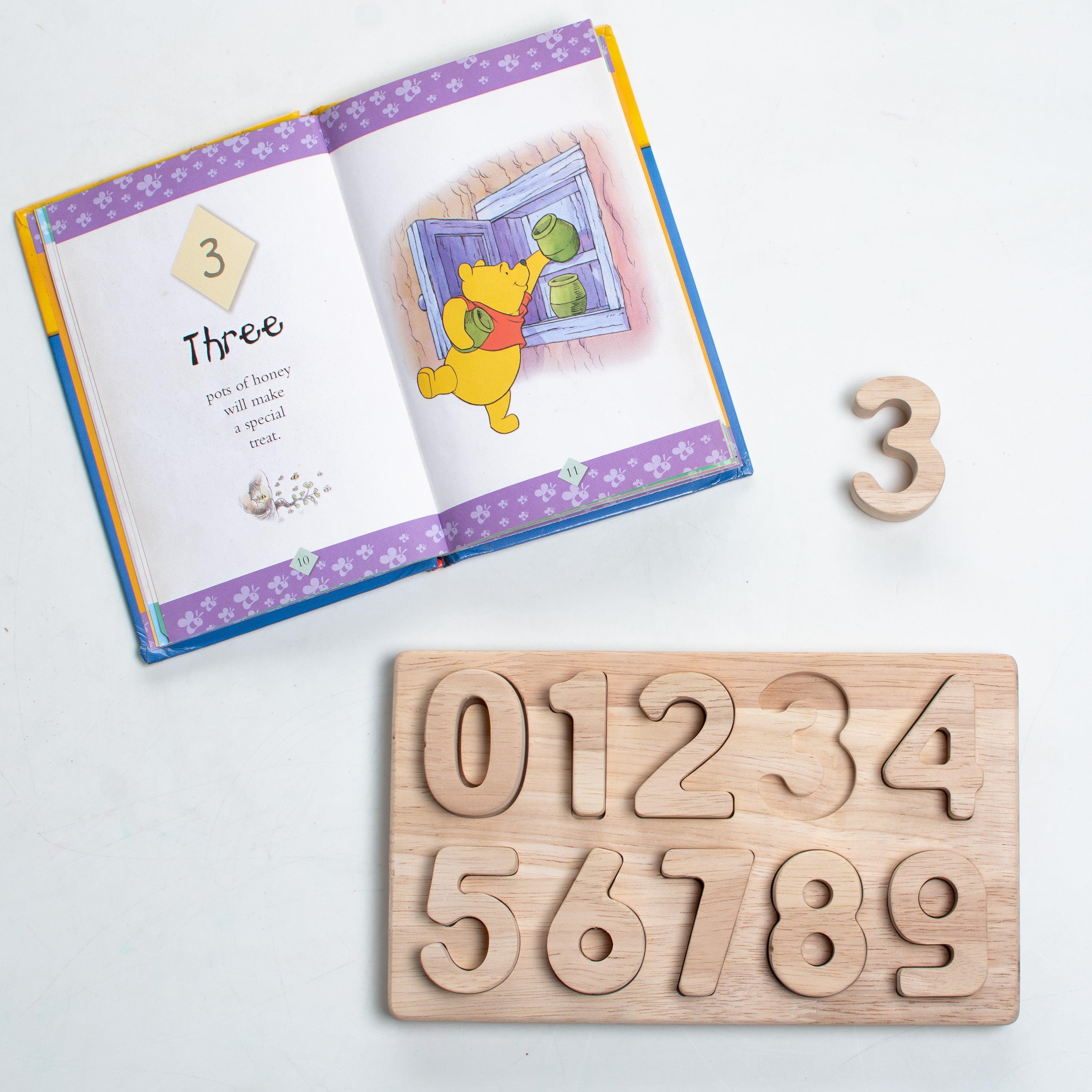
- Structured learning tools from educational toys
- Open-ended materials from open ended toys
- Hands-on learning setups like activity kits
- Role-play toys from pretend play toys
These toys allow children to think, create, and refine ideas.
What is the play value of toys for 4 year olds?
Toys at this stage support early learning and independent problem solving.
They:
- Encourage logical thinking and planning
- Support creativity through open-ended use
- Improve focus and patience
- Help children complete tasks from start to finish
- Prepare children for structured learning environments
Many of these align with approaches like Montessori educational toys, where children learn through hands-on experience.
Which age and stage is this collection suitable for?
Best for pre-school and kindergarten children
Children attending school benefit from toys that support structured thinking.
Useful for independent play
Children can now play longer without needing constant guidance.
Works well for problem solving
Toys that involve building, sorting, and thinking are ideal.
Suitable for group play
Many toys can be used with siblings or friends.
What does this look like in an Indian home?
After school, a child may sit with a building toy or activity kit and try to complete a task. Unlike earlier stages, the child may stay focused until the task is finished. Parents often notice fewer interruptions and more independent engagement.
How are parents using these toys in real life?
“Priya from Mumbai keeps a mix of building toys and activity kits ready for her child after school to encourage focused play.”
“Arjun in Hyderabad prefers toys that allow his child to solve small challenges independently before stepping in to help.”
How can these toys be used through the day?
Morning time
Creative and open-ended toys help children start the day actively.
After school
Structured toys like activity kits help children transition into focused play.
Evening time
Role-play and imaginative toys allow relaxation after structured learning.
Weekend play
Longer sessions where children experiment, build, and explore ideas deeply.
What is better at this stage: learning toys or creative toys?
Learning toys
- Help build early academic skills
- Encourage focus and completion
- Useful for structured play
Creative toys
- Encourage imagination
- Allow flexible play
- Support emotional expression
Children benefit most from a mix of both.
How is play different from 3 year olds?
At age three:
- Play is imaginative and exploratory
- Focus is developing
At age four:
- Play becomes goal-oriented
- Problem solving increases
- Children begin finishing tasks
Parents often move from general preschooler toys to more specific learning-focused categories.
When do parents typically buy toys for 4 year olds?
Most parents begin around 3.5 to 4 years when they notice:
- Increased attention span
- Interest in completing tasks
- Curiosity about how things work
These toys are also commonly chosen for occasions like birthday gifts and festive gifts.
Common questions parents ask
What are the best toys for 4 year olds?
Toys that involve building, problem solving, and structured play are most suitable.
Do 4 year olds need educational toys?
Yes, especially those that are hands-on and engaging rather than purely instructional.
Are building toys important at this stage?
Yes. They help develop thinking, planning, and coordination.
How many toys are enough?
A smaller, well-chosen set works better than too many options.
Can these toys prepare children for school?
They can support habits like focus, completion, and independent thinking, which are useful in school environments.
Key Takeaways
- Play at age four involves thinking, planning, and problem solving
- Toys should support both creativity and structured learning
- Children can engage independently for longer durations
- A mix of learning and open-ended toys works best
- These toys fit naturally into after-school routines
Explore More for 4 Year Olds
Problem Solving & Building
Wooden Blocks, Activity Kits, Open Ended Toys, Wooden Learning Toys
Learning & School Readiness
Educational Toys, Montessori Educational Toys, Montessori Toys, Preschooler Toys
Creative & Imaginative Play
Pretend Play Toys, Kitchen Play Sets, Cooking Play Toys, Play Dough Kits