Filters
18 products


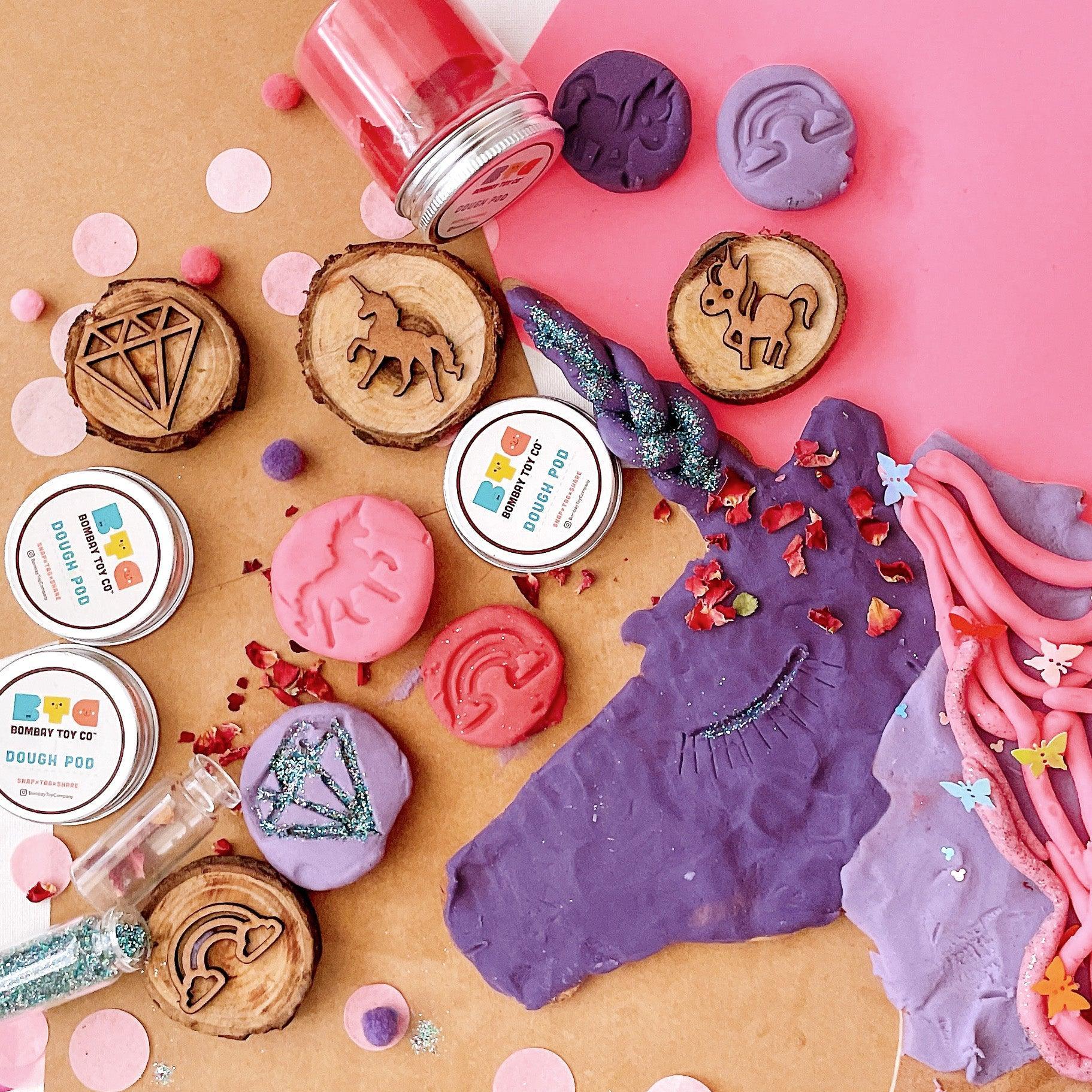
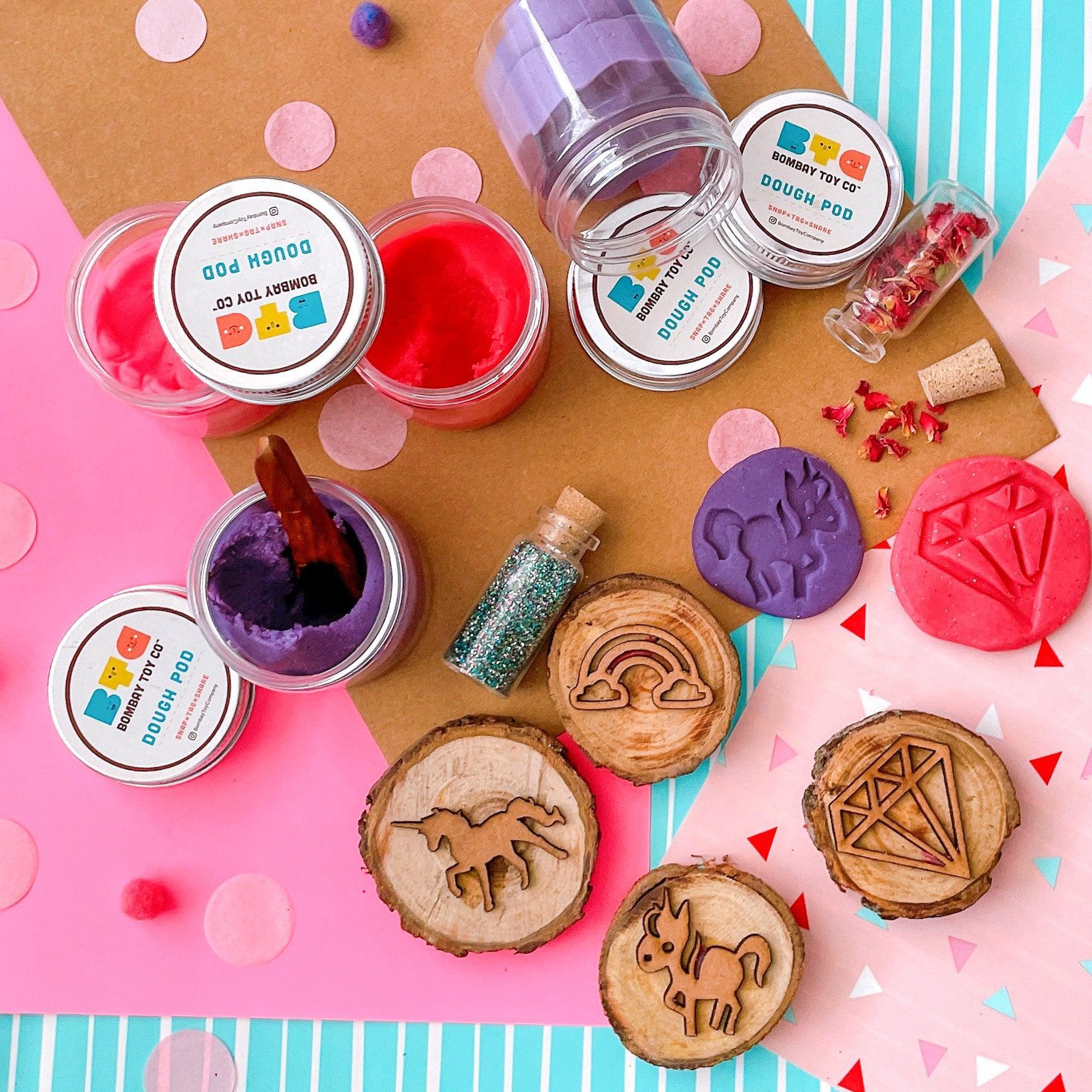
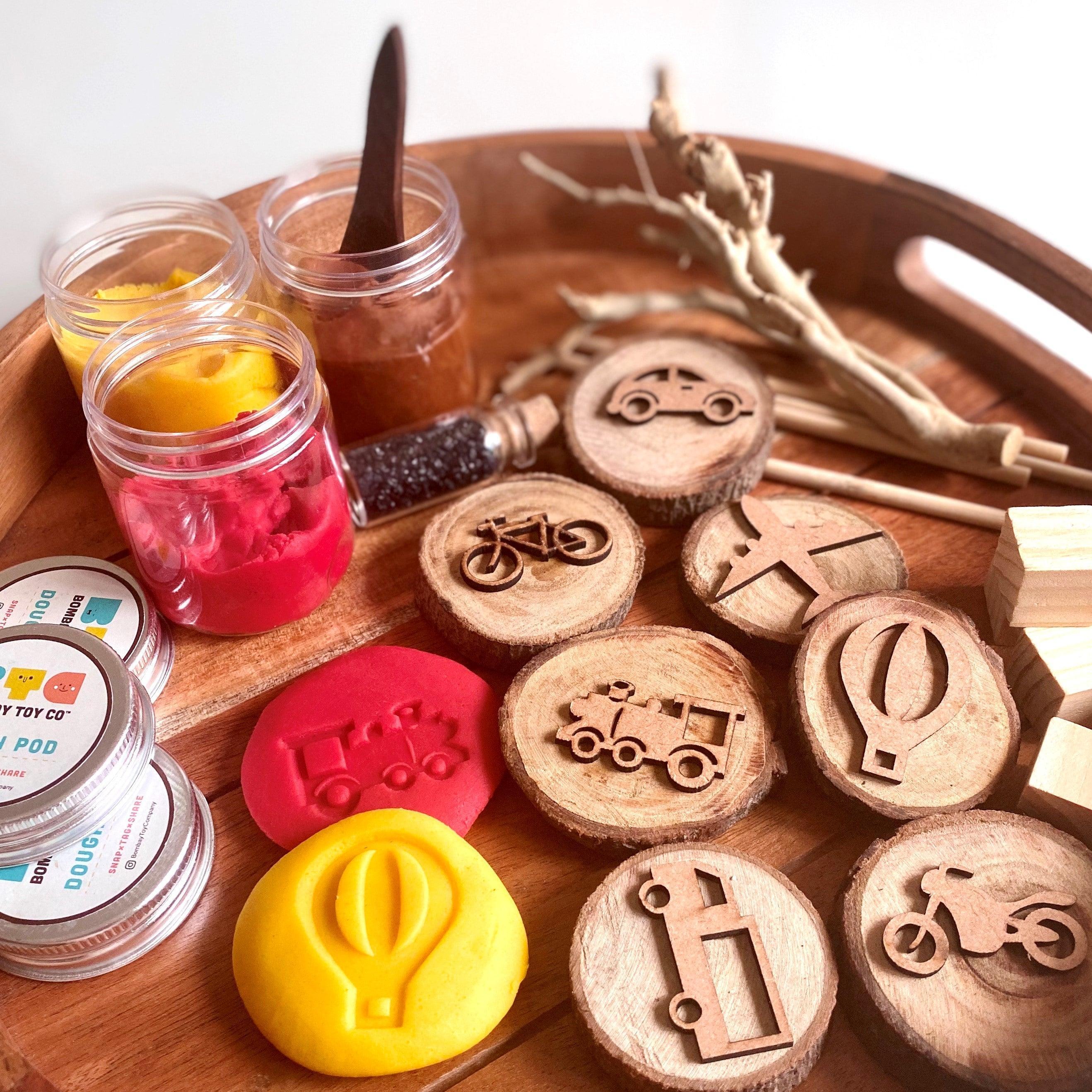
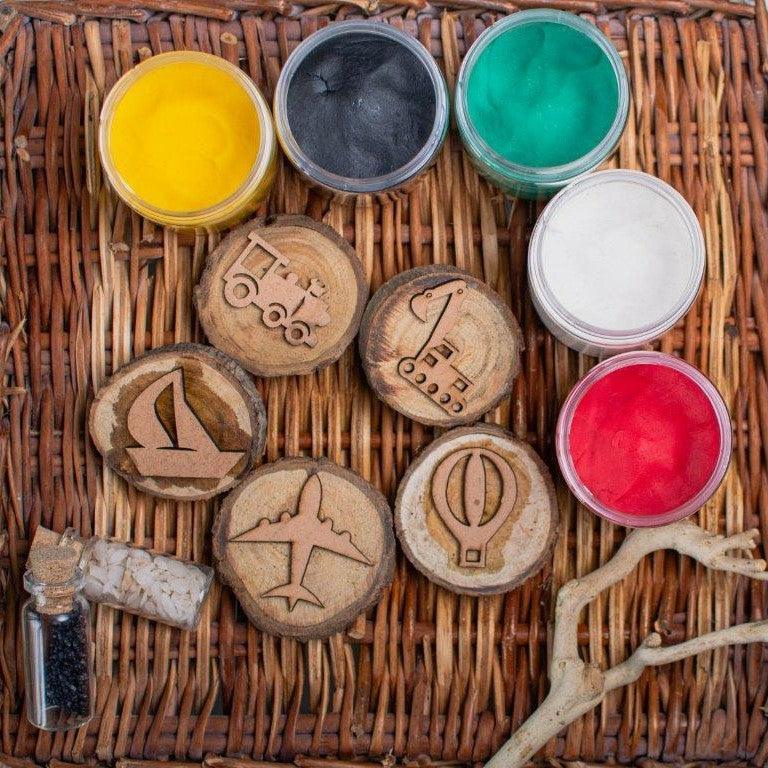
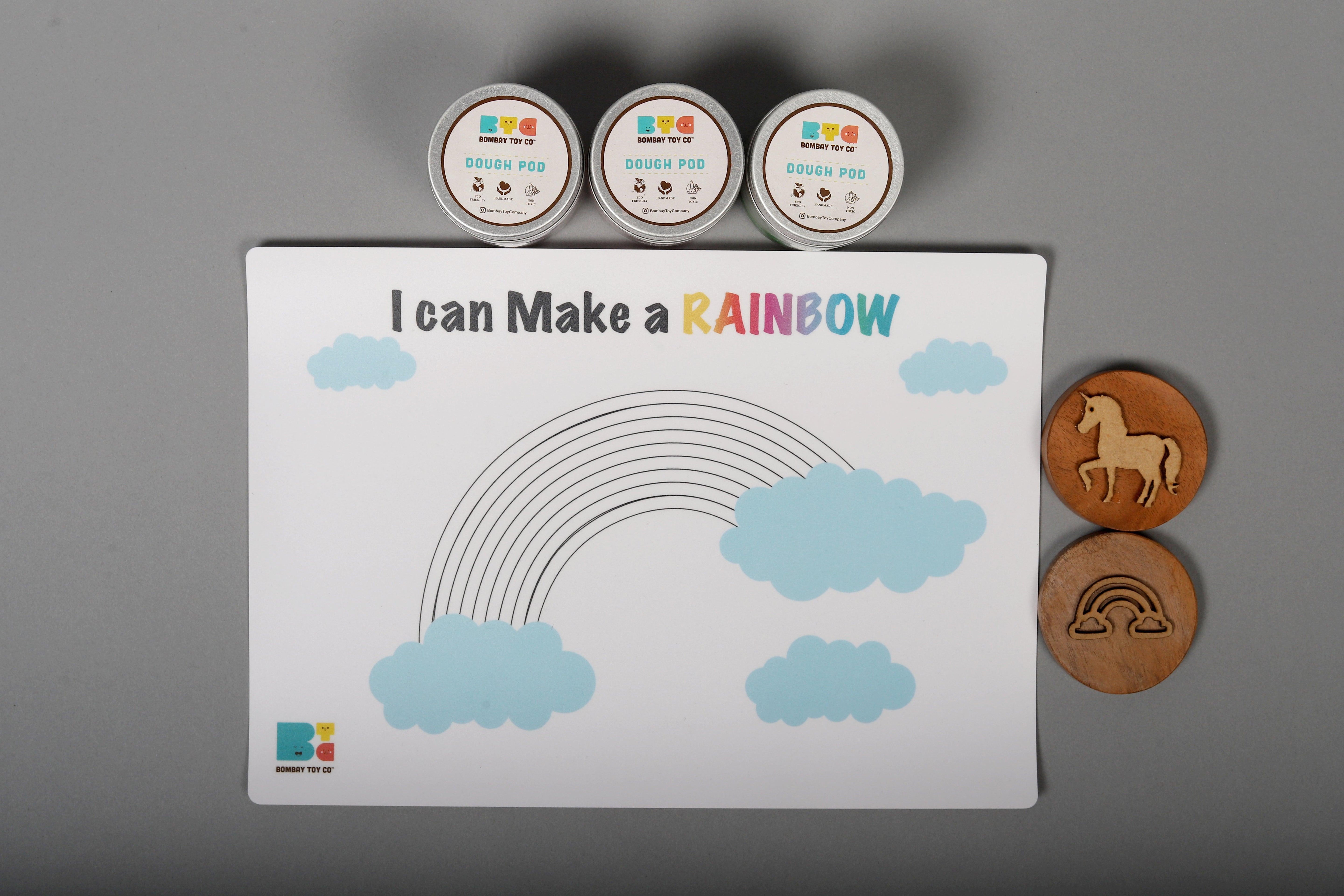
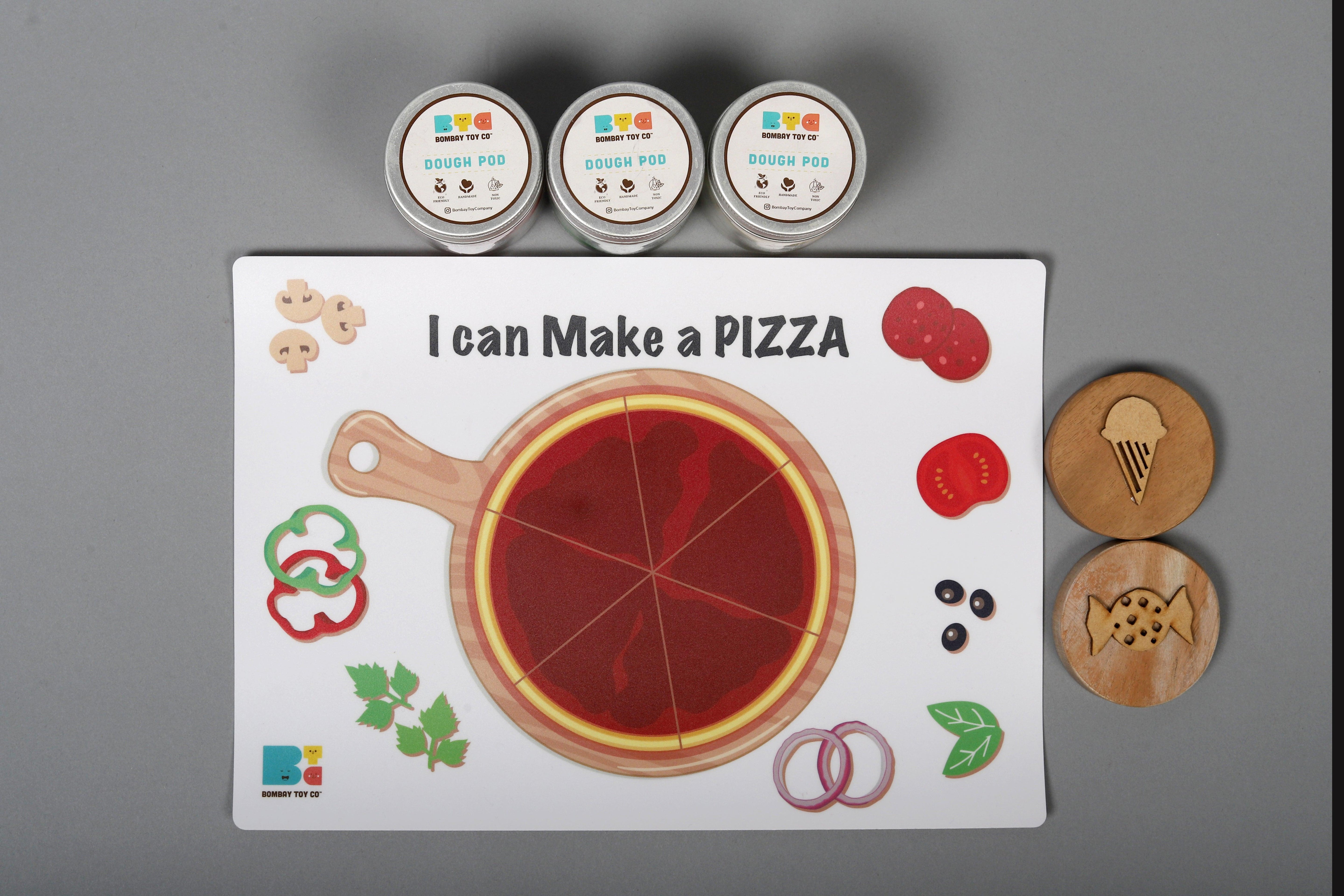
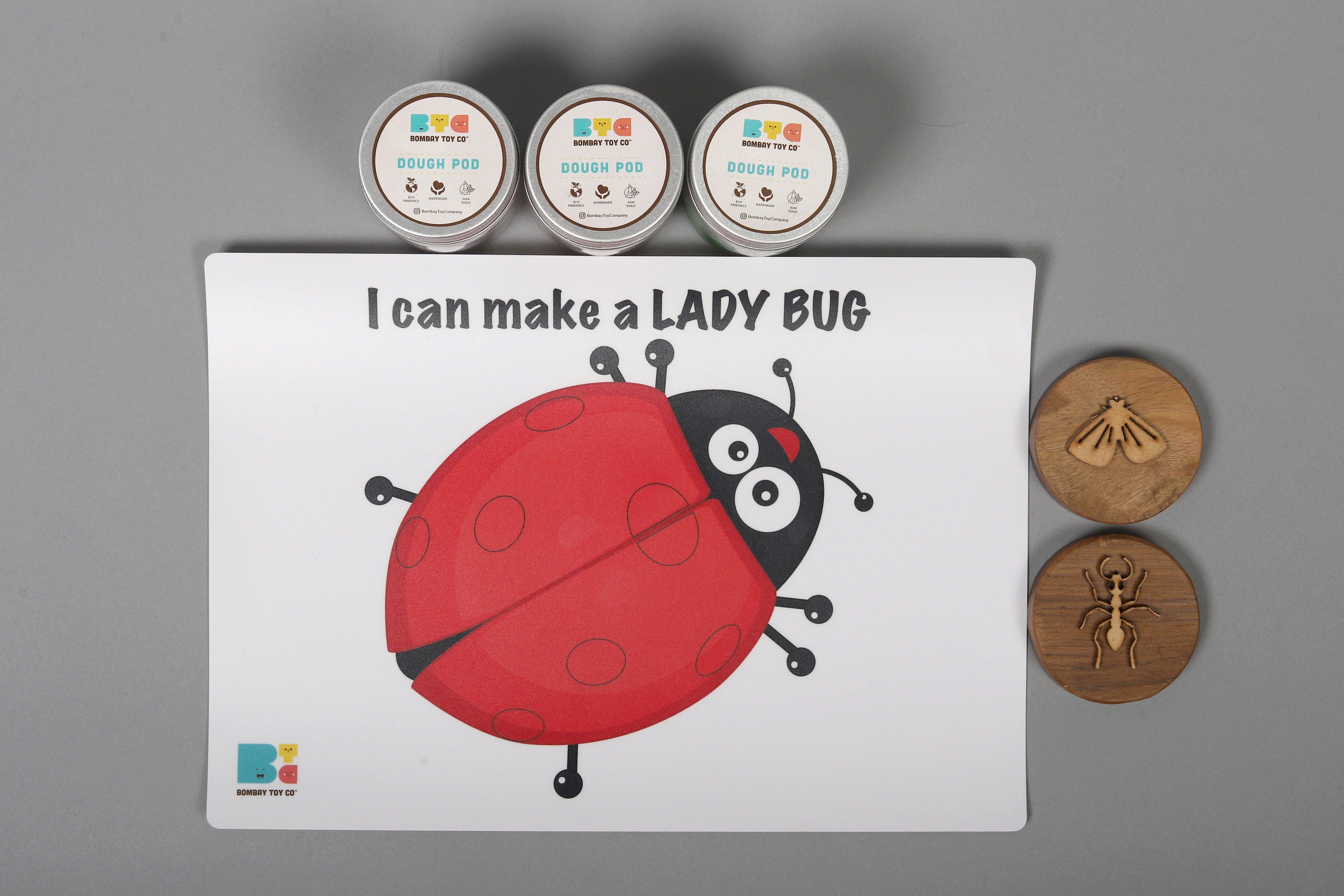
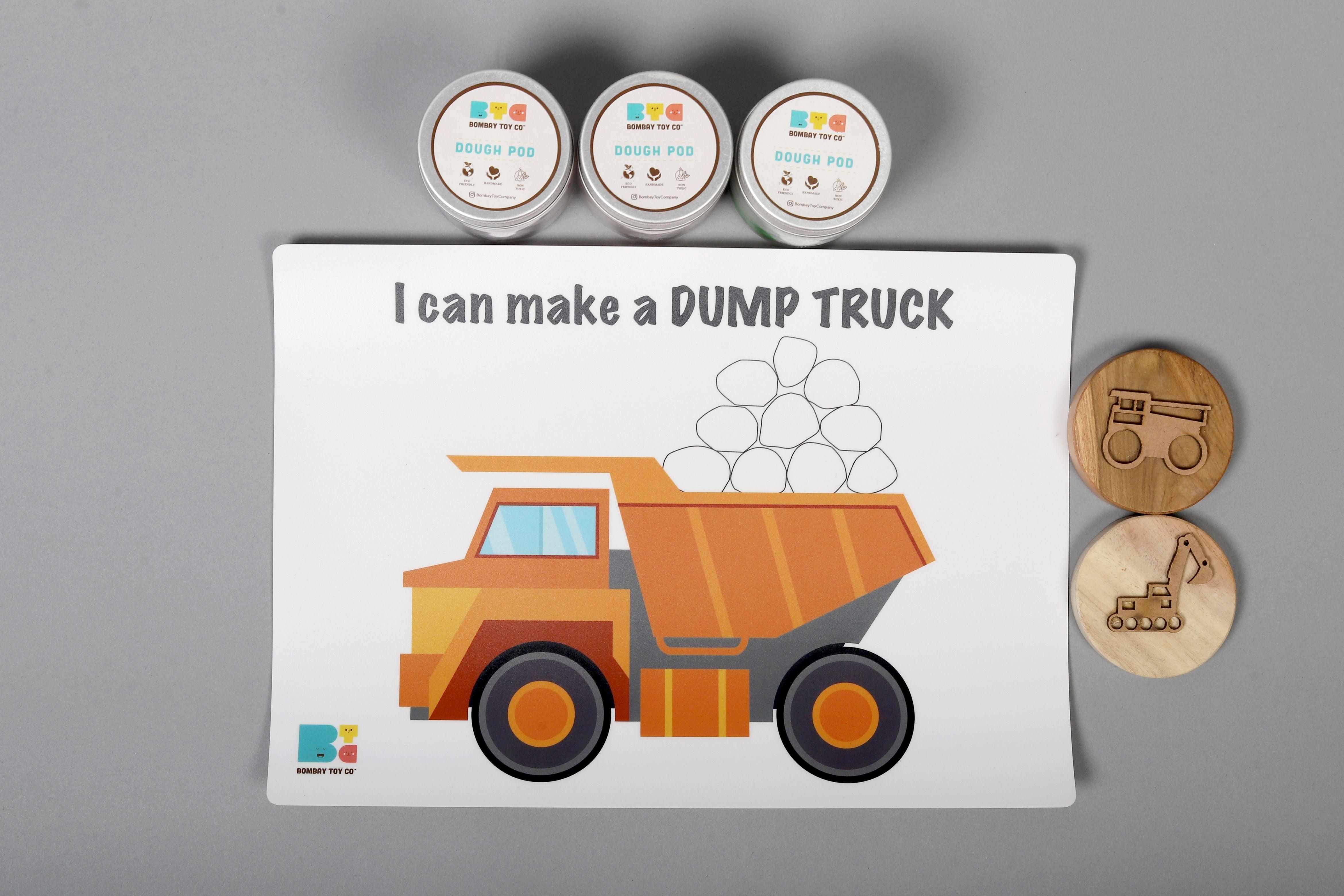
Toys for 2 Year Olds for Growing Independence and Everyday Play
Why do parents look for toys specifically for 2 year olds?
By age two, children are no longer just exploring. They start choosing, repeating actions with purpose, and copying what they see around them. Toys for 2 year olds are selected to match this shift from passive play to active involvement.
In many Indian homes, this is also the stage where parents begin noticing longer attention spans and stronger preferences. Instead of random engagement, children start going back to the same activity again and again. This is when categories like toddler toys become more relevant.
What changes in play at age two?
At this stage, play becomes more intentional.
A two year old typically:
- Chooses a toy instead of picking randomly
- Repeats the same activity multiple times
- Starts basic pretend actions like feeding or cooking
- Shows interest in everyday routines
This is why toys now need to allow choice and repetition, not just stimulation.
What kind of toys work best for 2 year olds?
The most useful toys at this stage are those that allow the child to do something independently.
Common choices include:
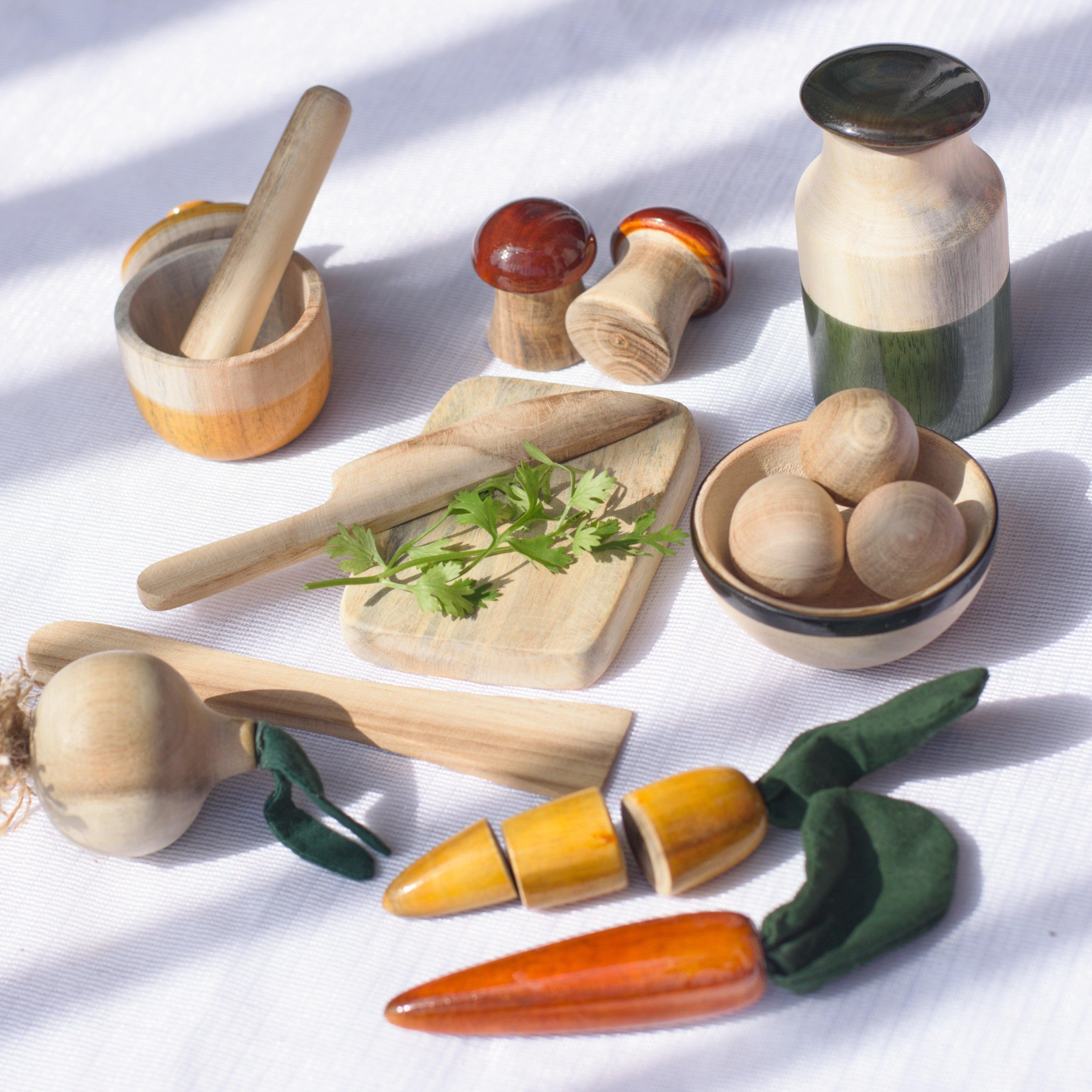
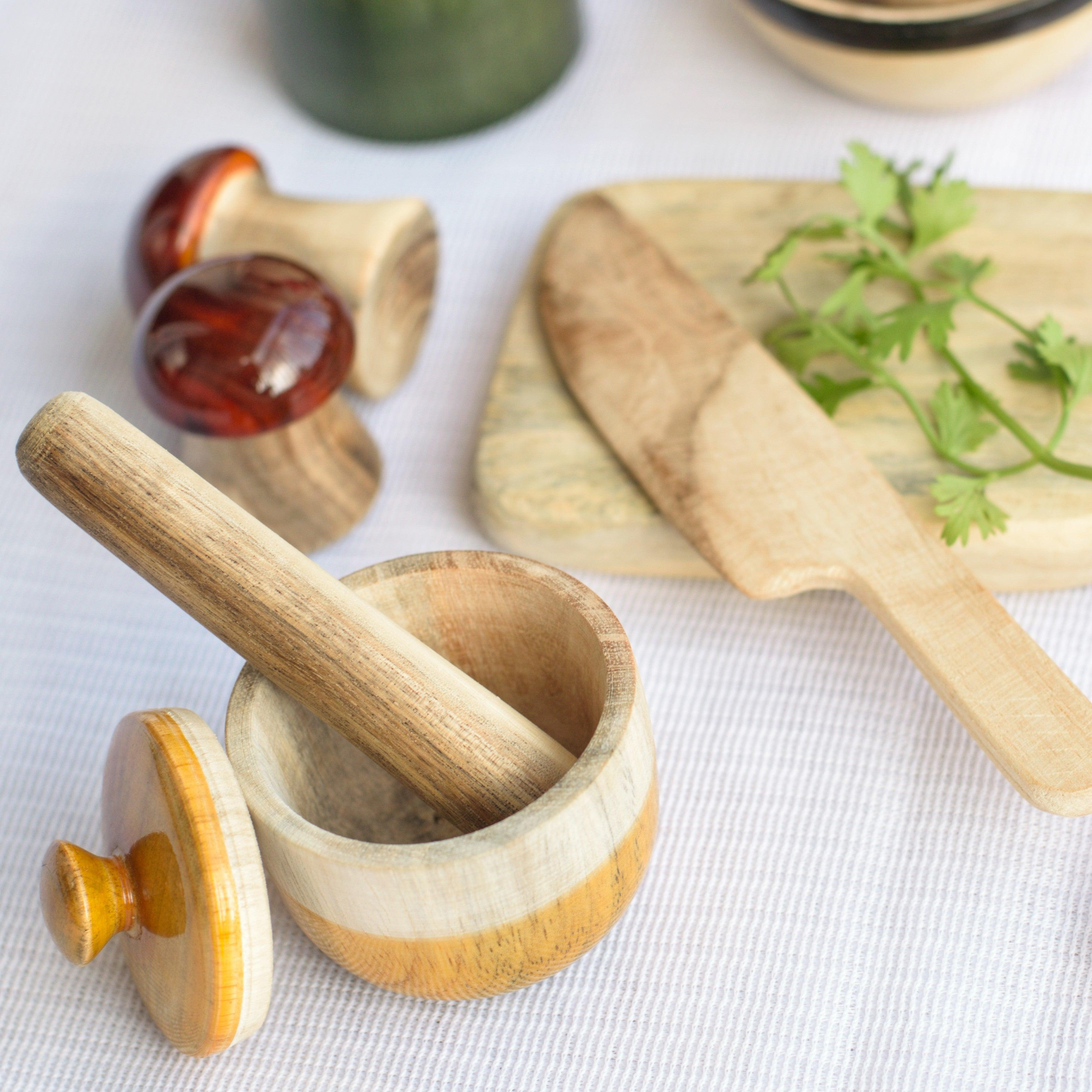
- Simple pretend setups from pretend play toys
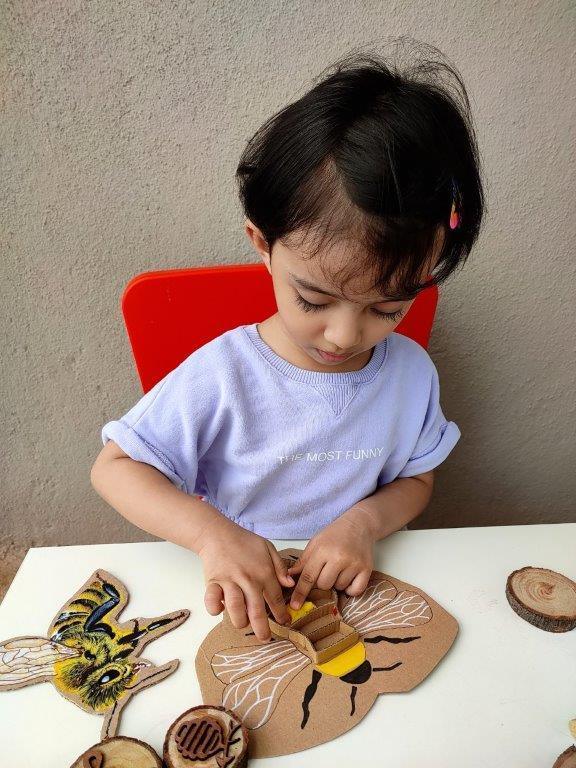
- Hands-on activities like activity kits
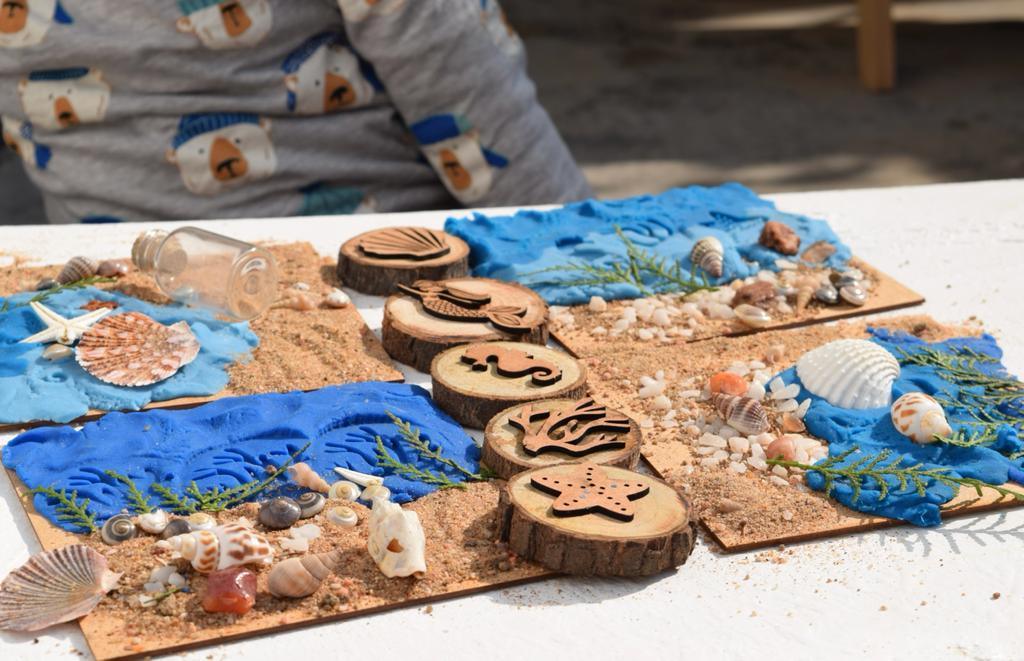
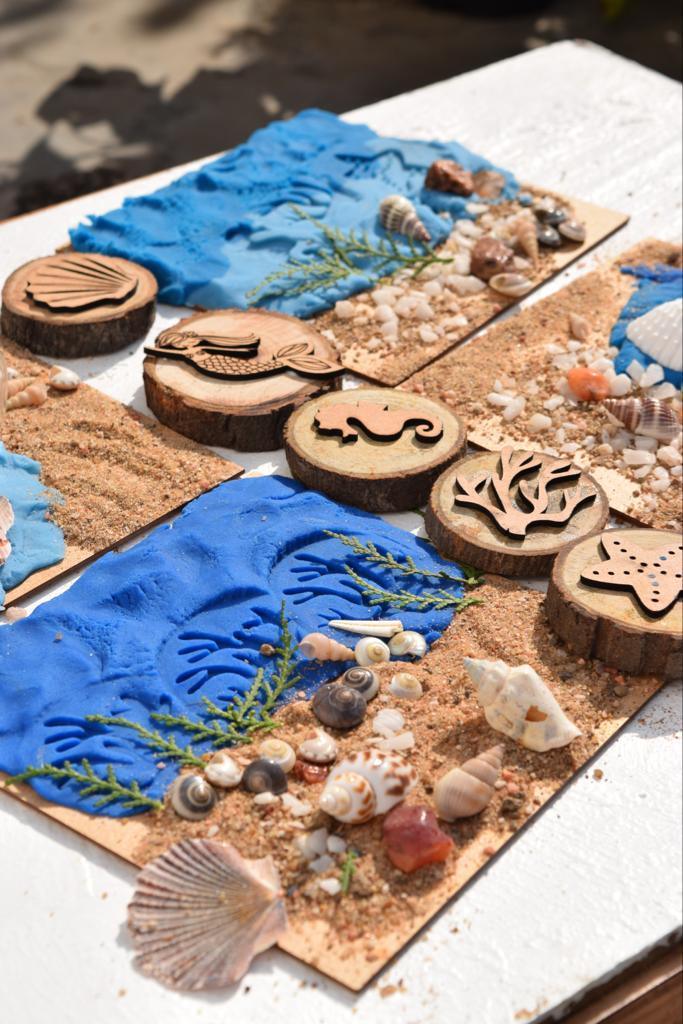
- Open ended materials from open ended toys
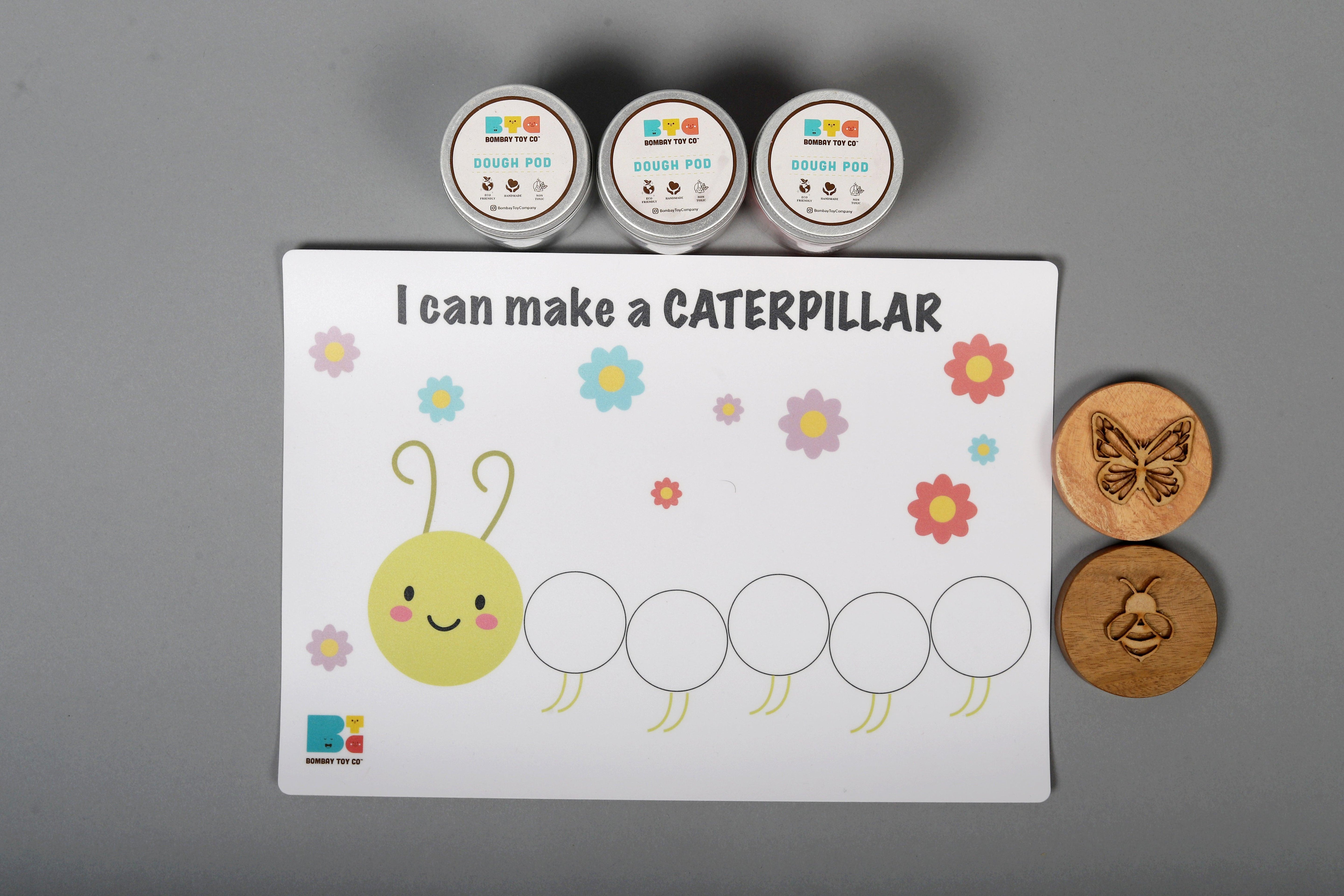
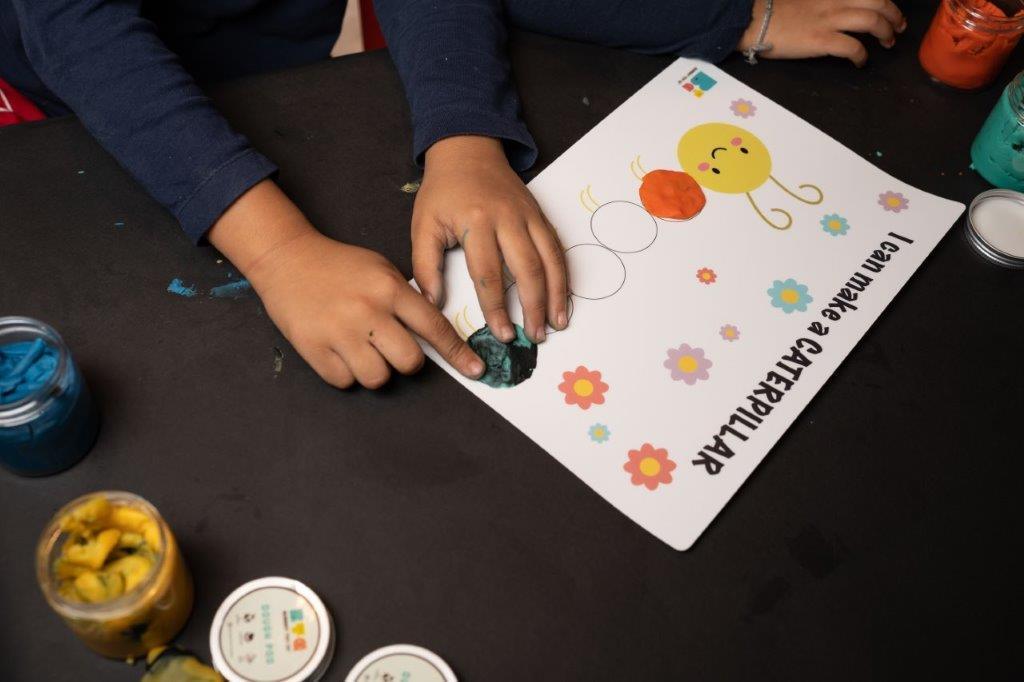
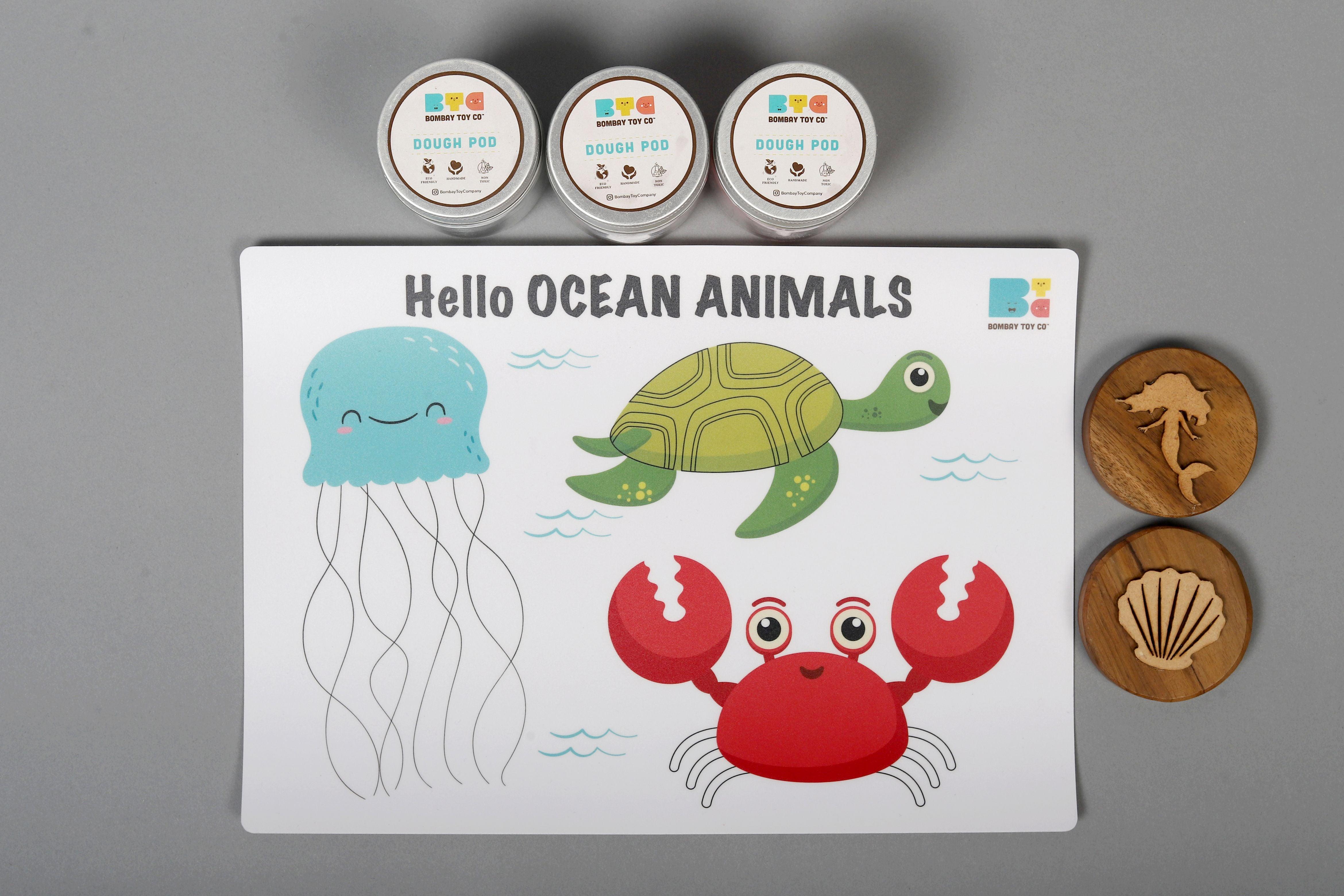
- Creative tools like play dough mats
- Fine motor toys such as wooden stacking toys
These toys are not about outcomes. They are about involvement.
How do these toys support everyday routines?
Toys for 2 year olds fit naturally into daily life rather than needing separate play time.
They are often used:
- While a parent is doing household work
- During short independent play moments
- Alongside siblings in shared spaces
For example, a child may sit next to a parent and imitate cooking using items from kitchen play sets.
What makes a toy suitable for this stage?
Instead of focusing on features, it helps to look at how the toy behaves in real use.
Good toys at this stage:
- Allow the child to start and continue play without help
- Do not overwhelm with too many elements
- Can be used in more than one way
- Fit easily into small storage spaces
- Work well across different times of the day
This is why many parents gradually move towards simpler systems like Montessori toys.
A small moment from an Indian home
In the evening, while dinner is being prepared, a child sits on the kitchen floor with a few pretend utensils. There is no structured activity, just imitation and repetition. The same play happens every day, but the child stays engaged each time.
How are parents using these toys in real life?
“Megha from Delhi keeps two activity trays ready so her toddler can switch between them during the day.”
“Rohit in Pune prefers open ended toys because both his children use them differently without needing separate setups.”
How can parents structure play through the day?
Morning time
Children are more active and curious. This is a good time for hands-on play like stacking or simple activity kits.
Midday quiet time
Calmer toys like sensory materials from sensory play help reduce overstimulation.
Evening time
This is when pretend play becomes more natural, especially with siblings or parents.
Weekends
Longer play sessions where children explore toys more freely without interruption.
What is better at this stage: guided activities or free play?
Guided activities
- Help build focus
- Easier for parents to introduce
- Useful for short engagement
Free play
- Encourages independence
- Allows creativity
- Adapts as the child grows
A combination of both works best for most families.
How does play differ from 1 year olds?
At age one, play is mostly sensory and exploratory.
At age two:
- Play becomes repetitive with purpose
- Children begin imitating real life
- Attention span increases slightly
- Toys are used more intentionally
Parents moving from earlier stages often transition from baby toys to more activity-based options.
When do parents typically buy these toys?
Most parents begin between 18 to 24 months when they notice:
- Increased movement and curiosity
- Interest in copying daily activities
- Longer engagement with toys
These toys are also commonly chosen for occasions like birthday gifts or return gifts.
Common questions parents ask
What are the best toys for 2 year olds?
Toys that involve doing, repeating, and imitating are most suitable. Pretend play and simple activity-based toys work well.
Do 2 year olds need structured learning toys?
Not necessarily. At this stage, learning happens through everyday play rather than formal teaching.
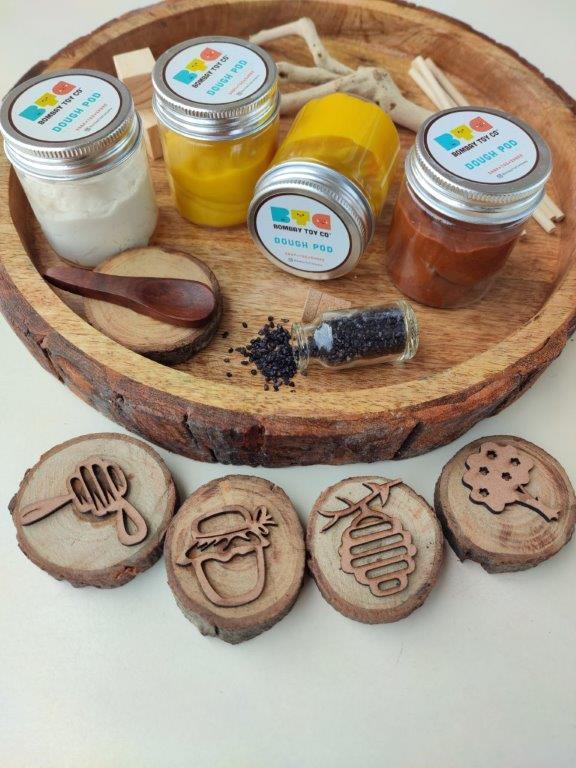
Are play dough products suitable for 2 year olds?
Yes, with supervision. They help with hand movement and simple creative exploration.
How many toys are enough?
A small rotating set is more effective than a large collection. This helps maintain focus and reduces clutter.
Can these toys be used for siblings?
Yes. Many toys at this stage are open ended and can be used differently by older and younger children.
Key Takeaways
- Play at age two is based on imitation and repetition
- Toys should allow independent use without instructions
- Pretend play becomes an important part of daily routine
- Simple setups work better than complex toys
- A mix of guided and open play supports better engagement
Explore More for Growing Toddlers
Daily Play & Activities
Activity Kits, Play Dough Mats, Play Dough Kits, Reusable Colouring Mats
Pretend & Role Play
Pretend Play Toys, Kitchen Play Sets, Cooking Play Toys, Wooden Pretend Play Toys
Learning Through Play
Montessori Toys, Montessori Educational Toys, Educational Toys, Open Ended Toys