Filters
6 products


Educational Toys for Kids That Support Everyday Learning at Home
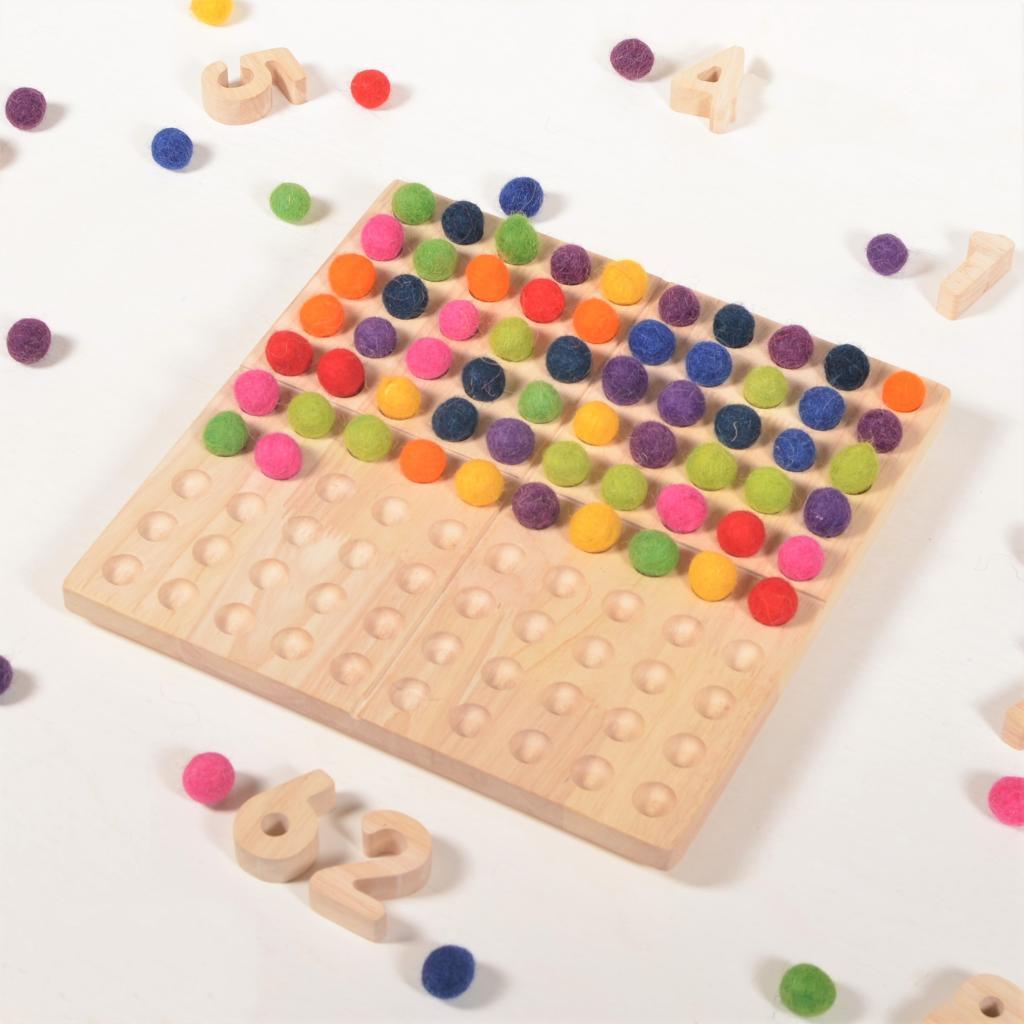
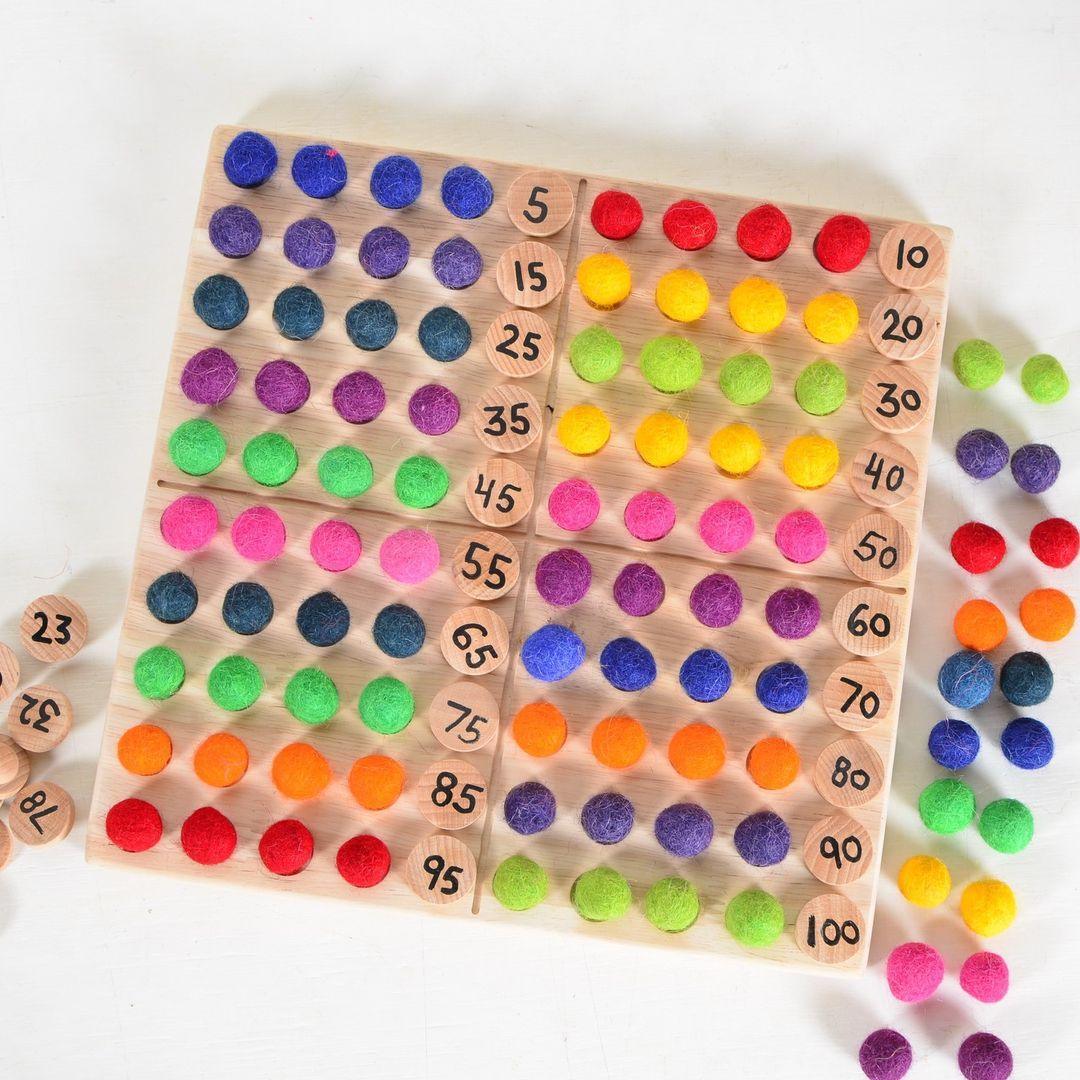
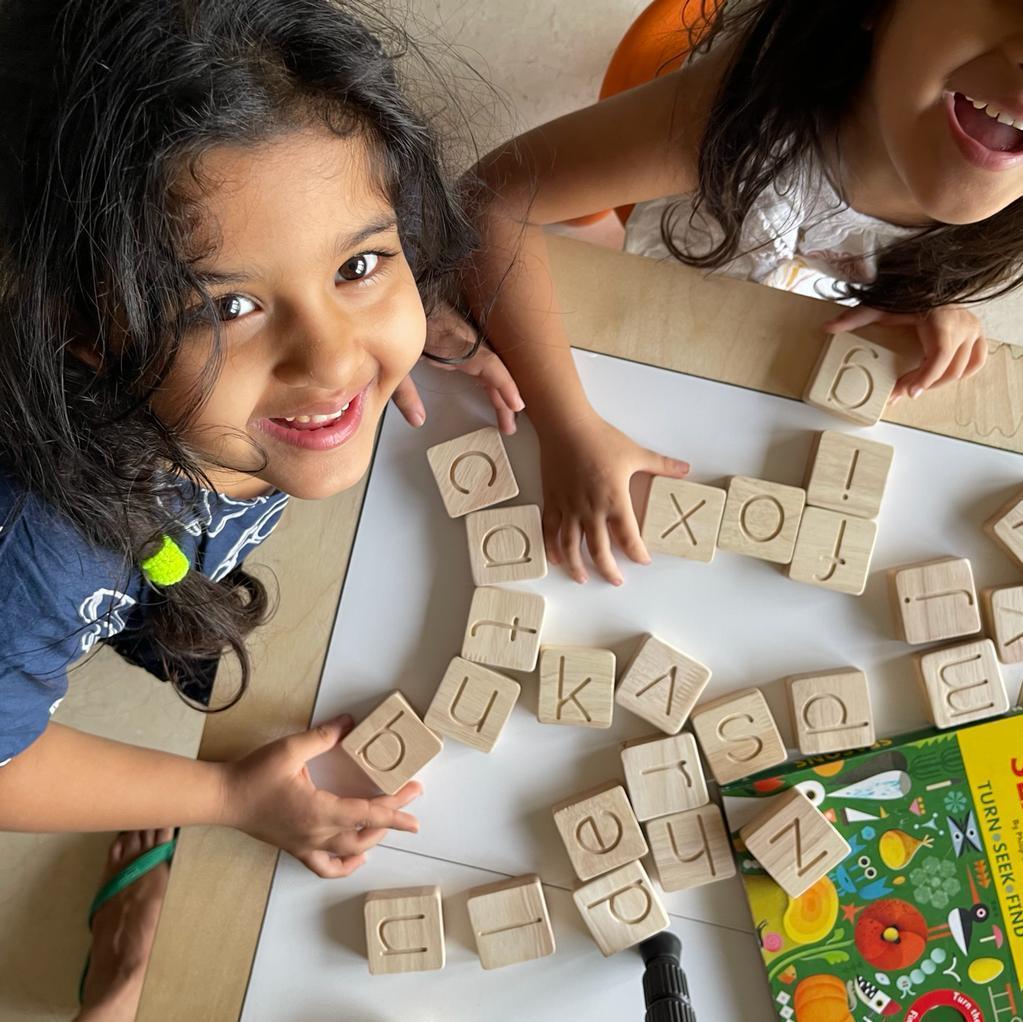
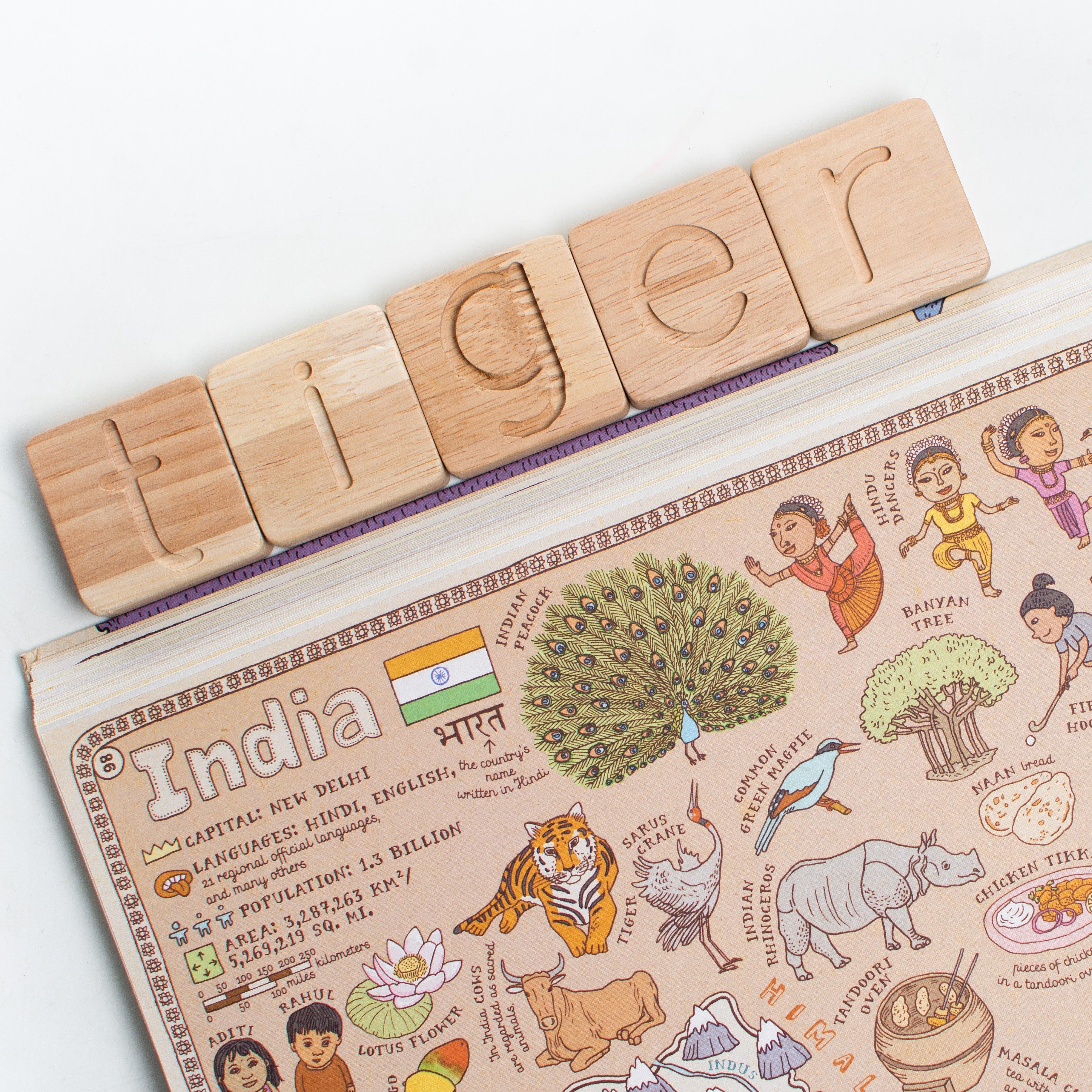
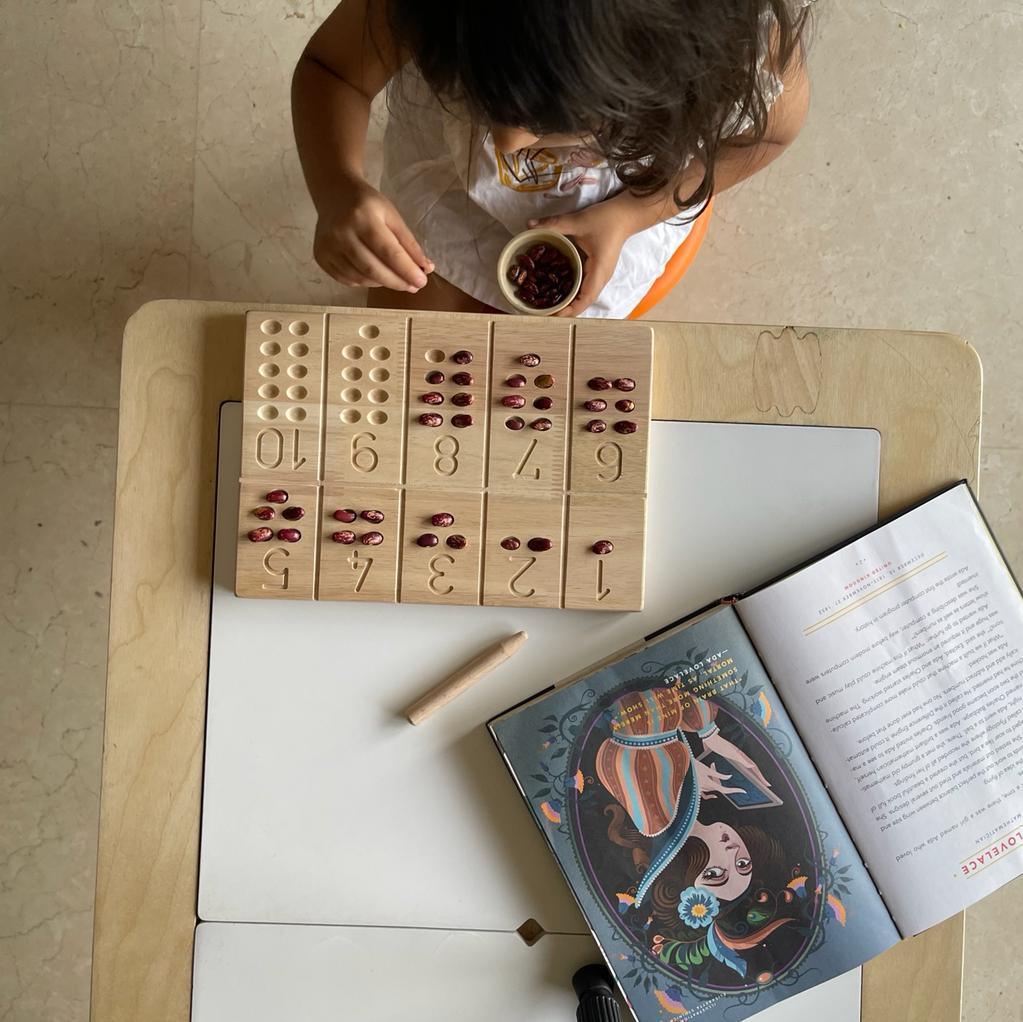
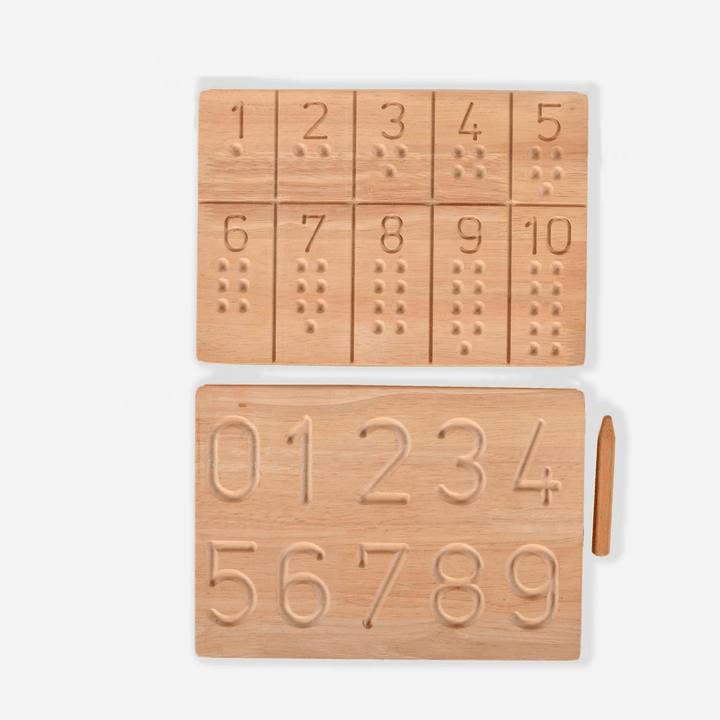
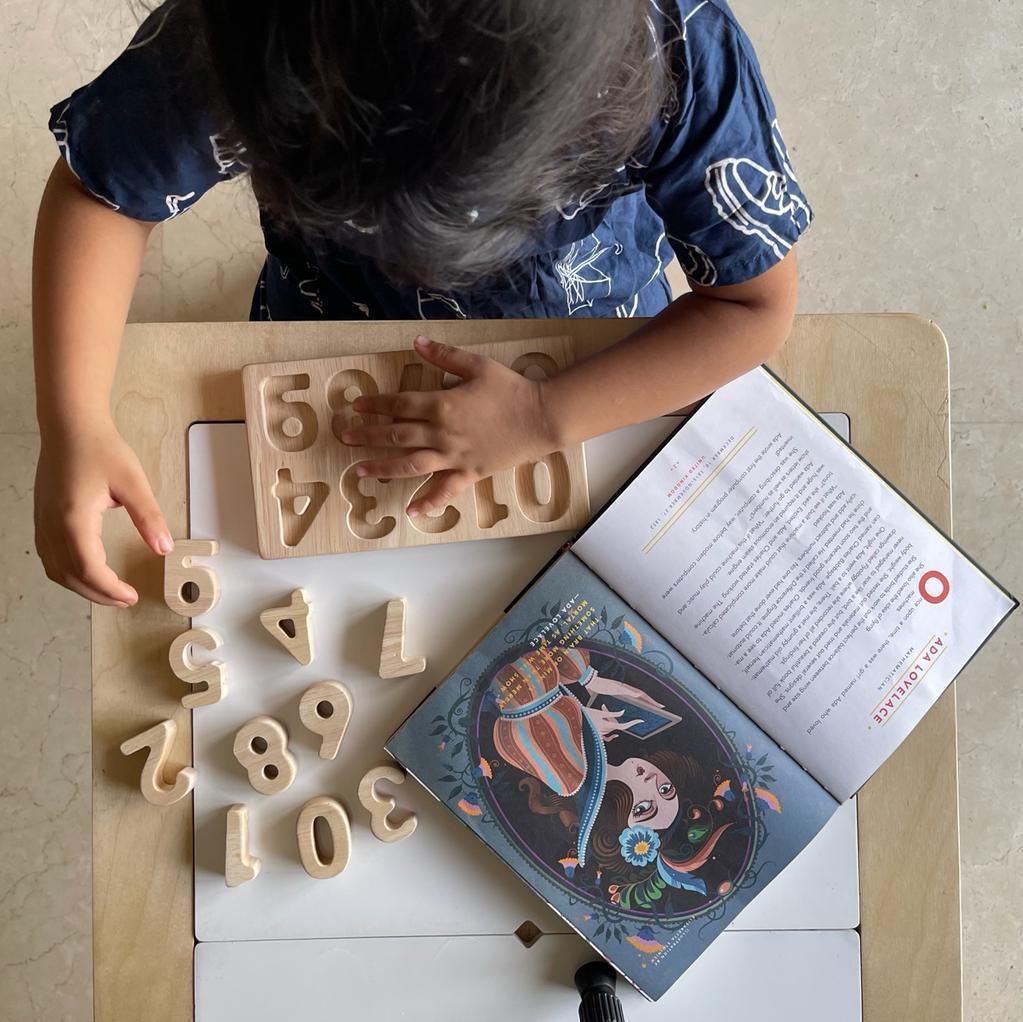
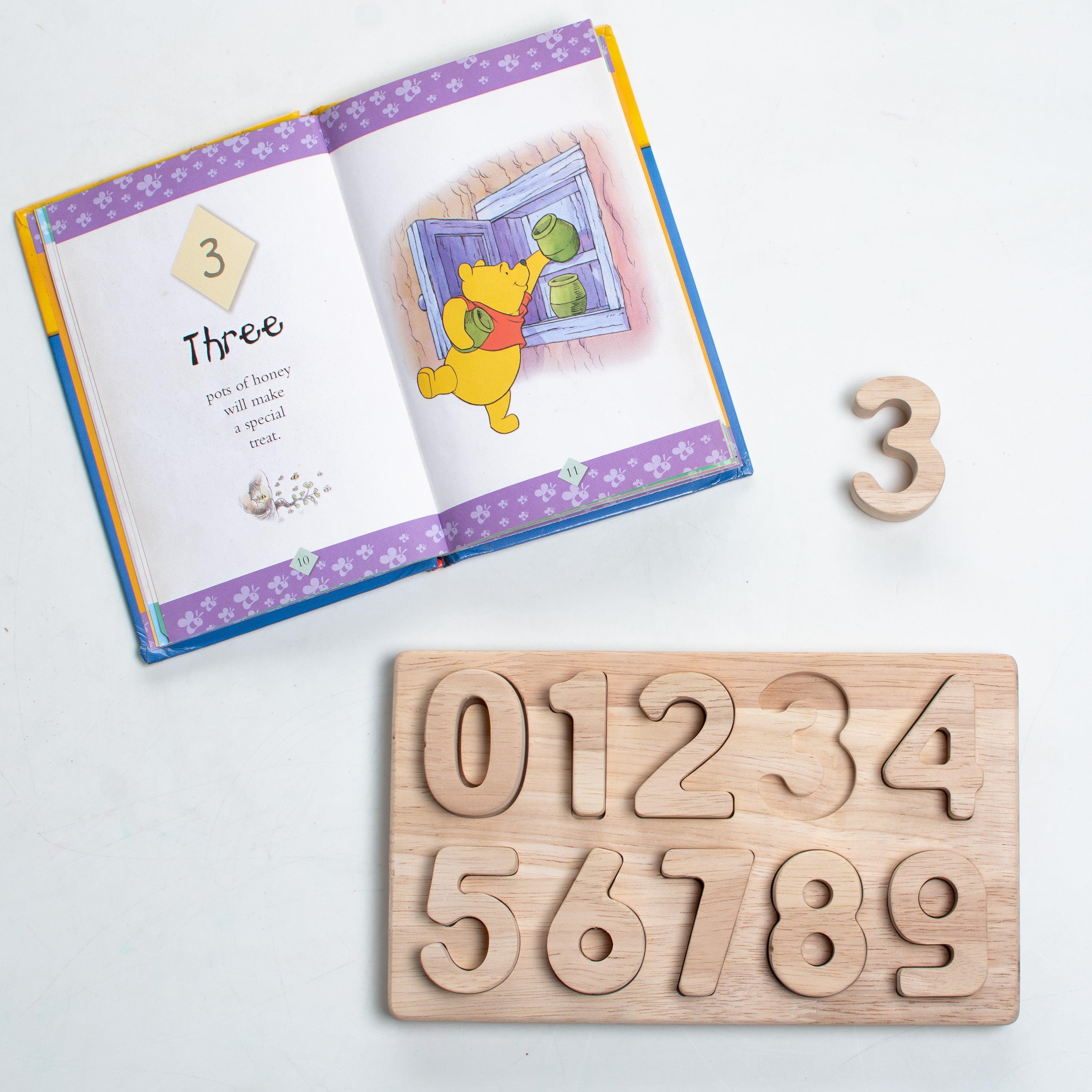
Educational toys for kids are thoughtfully designed learning materials that support early literacy, numeracy, coordination, problem solving, and independent thinking through hands on play. This collection includes wooden learning boards, number puzzles, alphabet activities, practical life inspired tools, and flexible play materials children can revisit daily. Every child’s educational toy here is chosen for meaningful engagement instead of flashing lights or passive entertainment.
Parents who prefer durable, tactile learning formats often begin with our wooden educational toys for kids because natural materials encourage longer focus and repeated use.
These toys work beautifully for toddlers beginning structured exploration and preschoolers preparing for kindergarten. In Indian homes where space is shared, compact educational toys make daily learning manageable without clutter.
What Are Educational Toys for Kids
Educational toys for kids are skill-building play materials that invite children to explore concepts through sorting, stacking, matching, counting, threading, and role play. Unlike screen-based learning, these toys promote active participation and hands on discovery.
Many families combine structured learning boards with open ended learning toys for children so children can move naturally between guided tasks and imaginative exploration.
In everyday routines, a child may practice counting in the morning, complete a shape puzzle in the afternoon, or match objects during quiet time. These simple repetitions build confidence steadily.
Educational toys inspired by Montessori philosophy promote independence and self correction. You can explore structured formats inside our Montessori toys for early learning collection designed for real world skill development.
Why Parents Choose Children’s Learning Toys Today
Indian parents increasingly look for children’s learning toys that allow independent focus without constant adult direction. A well selected educational toy encourages a child to sit, complete an activity, and reset it independently.
These toys are preferred because they:
• Support concentration
• Reduce overstimulation
• Fit small shelves
• Encourage repetition
• Work across age groups
To balance structured learning with imagination, many families also include pretend play educational toys so children can apply concepts in creative settings.
In apartments where living rooms double as play areas, quiet educational materials become especially valuable during evening wind down time.
Key Learning Areas Supported by Educational Toys
Early Literacy Development
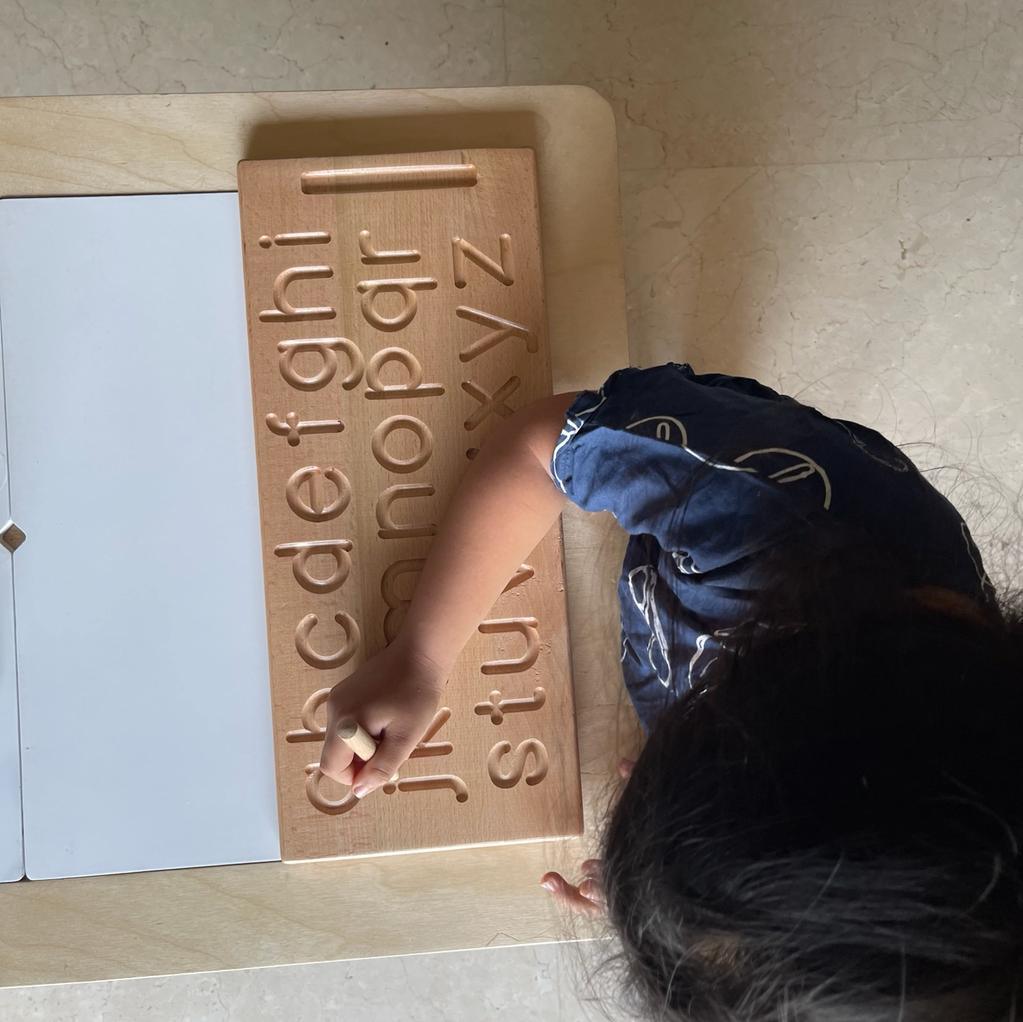
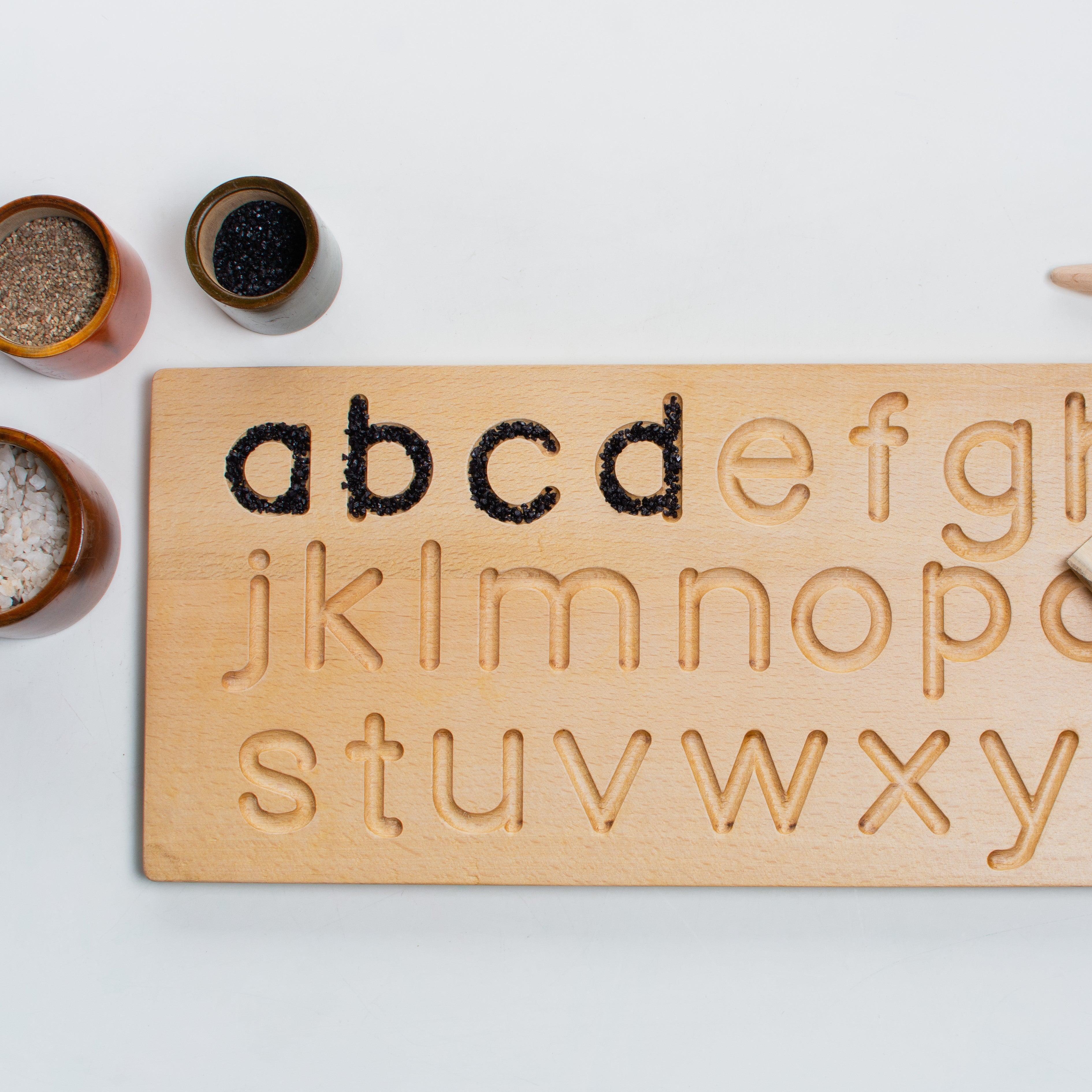
Alphabet tracing boards, phonetic puzzles, and picture matching games help preschoolers connect sounds with symbols. These tools are especially useful for children preparing for school and can be explored under our preschool learning toys collection.
Numeracy and Logical Thinking
Counting frames, number sequencing boards, and sorting trays introduce early math skills in a concrete way. Many parents prefer hands on formats from our Montessori educational toys for math readiness section.
Fine Motor Skill Development
Threading sets, peg boards, and stacking activities strengthen finger control needed for writing. Durable building materials like our wooden blocks learning toys support grip strength and spatial understanding.
Sensory Awareness and Focus
Textured puzzles and tactile boards help children stay engaged without overwhelm. Calm, repetitive exploration is supported through our sensory learning toys for kids collection.
Educational Toys for Kindergarteners and Preschool Readiness
Educational toys for kindergarteners are typically suited for ages three to six. At this stage, children show curiosity about letters, numbers, shapes, and practical life routines.
For younger learners, families often start with simple activities from our toddler educational toys collection before progressing to multi step pattern and sequencing games.
In sibling homes, one child might practice number recognition while another builds independently. To keep the atmosphere calm and imaginative, many parents integrate soft natural materials from our Waldorf inspired learning toys collection.
Educational toys are also ideal for quiet time. A familiar puzzle or board can hold attention for fifteen to twenty minutes when presented consistently.
How Educational Toys Fit Into Indian Homes
In many Indian households, toys are stored in one shared area. Compact educational tools that can be packed into baskets after use are highly practical.
Families with younger siblings often keep early stage materials from our baby learning toys collection on lower shelves while older children use number boards or puzzles nearby.
Because most urban homes have limited storage, parents prefer durable toys that serve multiple purposes rather than single function plastic items.
Integrating Educational Toys Into Daily Routine
Morning independent play is ideal for structured activities like counting boards or alphabet matching.
Afternoons may include hands on building or classification activities. Some families extend structured learning into storytelling using pieces from our wooden animal learning toys collection.
Evenings are often quieter, making it easier to focus on puzzles or pattern building before dinner.
On weekends, learning can merge with imagination. Children may use number boards during pretend shop play or incorporate learning tools into role play using resources from our kitchen play sets for kids.
Consistency and rotation are more important than quantity. Two to three well chosen educational toys are often enough to create daily structure.
Choosing the Right Educational Toys for Kids
When selecting educational toys, consider:
• Child’s age and attention span
• Available storage space
• Noise level preference
• Long term usability
Wooden toys are long lasting and tactile. Montessori aligned toys support self correction. Open ended toys offer flexibility. Fixed outcome toys help build specific academic skills.
For younger children beginning structured exploration, you may start with materials from our newborn and early learning toys collection before gradually introducing preschool focused activities.
Educational toys should support steady confidence, not pressure. The goal is everyday learning that feels natural inside your home.
Explore More Collections
toddler, preschooler, waldorf toys, montessori toys, newborn baby toys, robot toys for kids,return gifts for kids, wooden vehicle toys, wooden rattles, tummy time toys,indoor games for kids, cooking play toys, wooden dump truck toy