



Toys for 3 Year Olds That Encourage Imagination and Early Learning
Why do parents look for toys for 3 year olds?
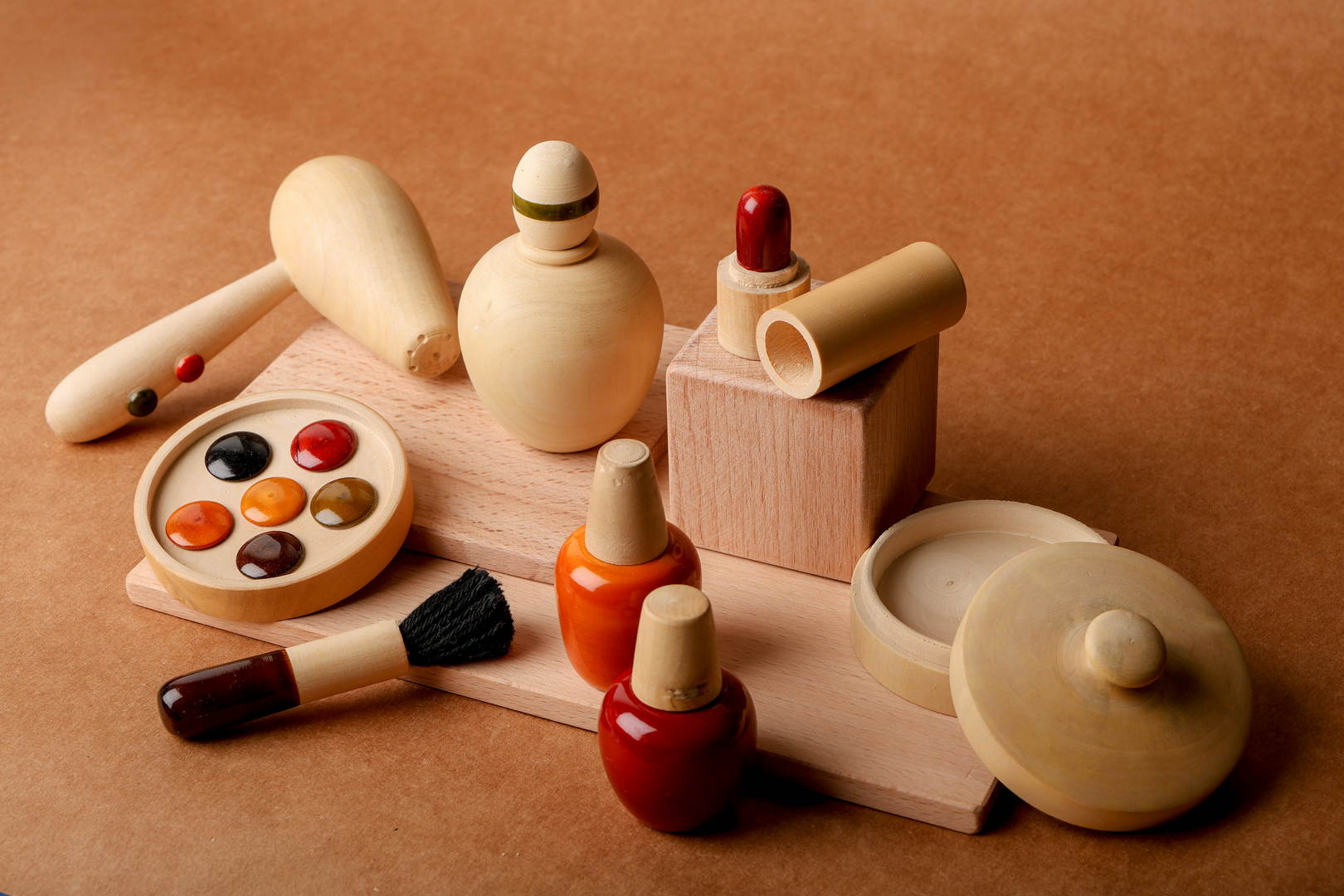
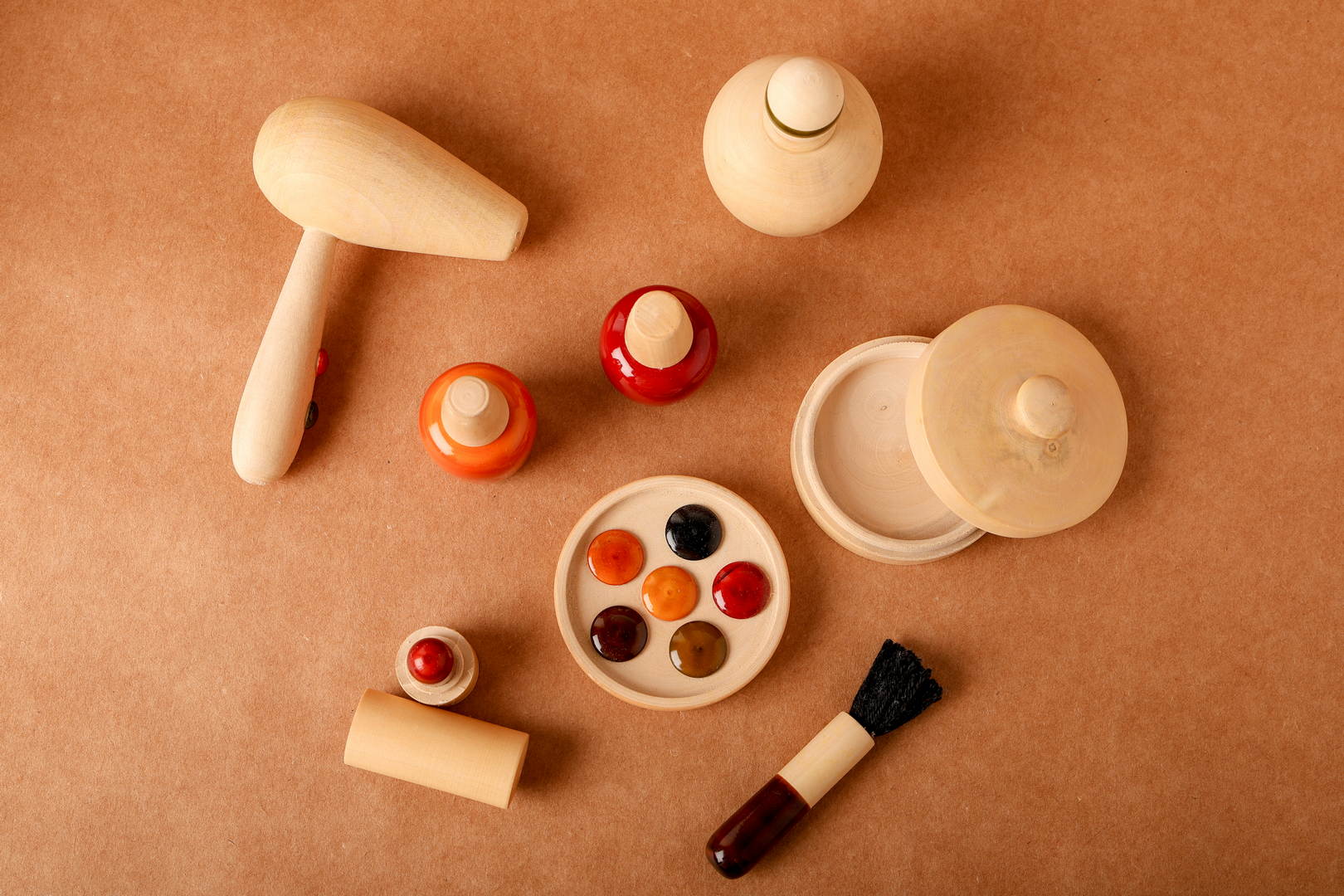
By age three, children begin to move beyond simple repetition and start creating their own ideas during play. They imagine situations, tell small stories, and explore how things work. Toys for 3 year olds are chosen to support this shift from imitation to imagination.
In many Indian homes, this is also when children begin preschool or structured learning environments. Parents start looking for toys that can support focus, creativity, and independent thinking. Categories like preschooler toys become more relevant at this stage.
How does play change at age three?
Play becomes more expressive and slightly more structured.
A 3 year old typically:
- Creates simple stories while playing
- Uses one toy in multiple ways
- Asks more questions about how things work
- Shows longer attention spans compared to earlier stages
This is why toys now need to support creativity and problem solving, not just action.
What types of toys are best for 3 year olds?
At this stage, toys that allow thinking, building, and imagining are most useful.
Common choices include:
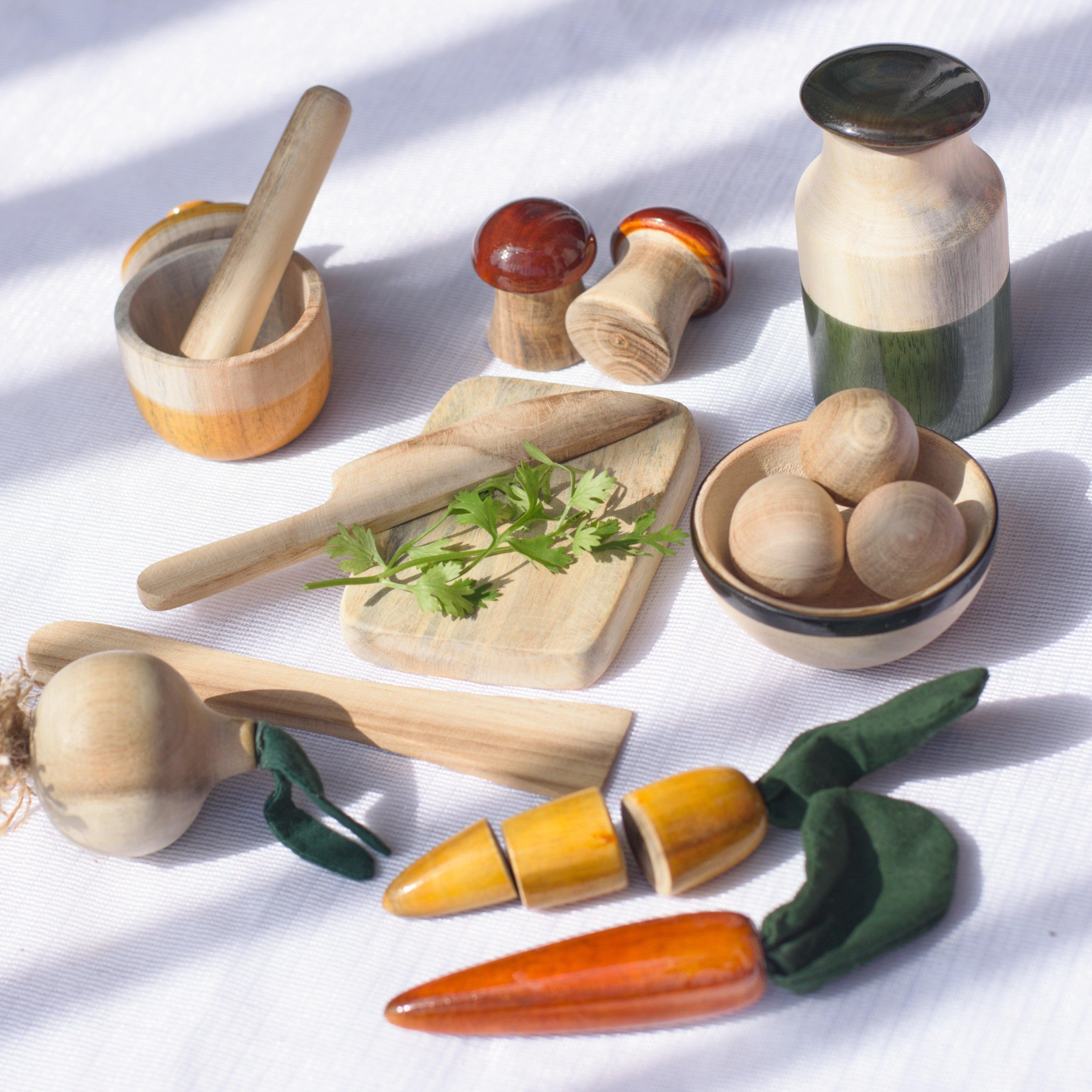
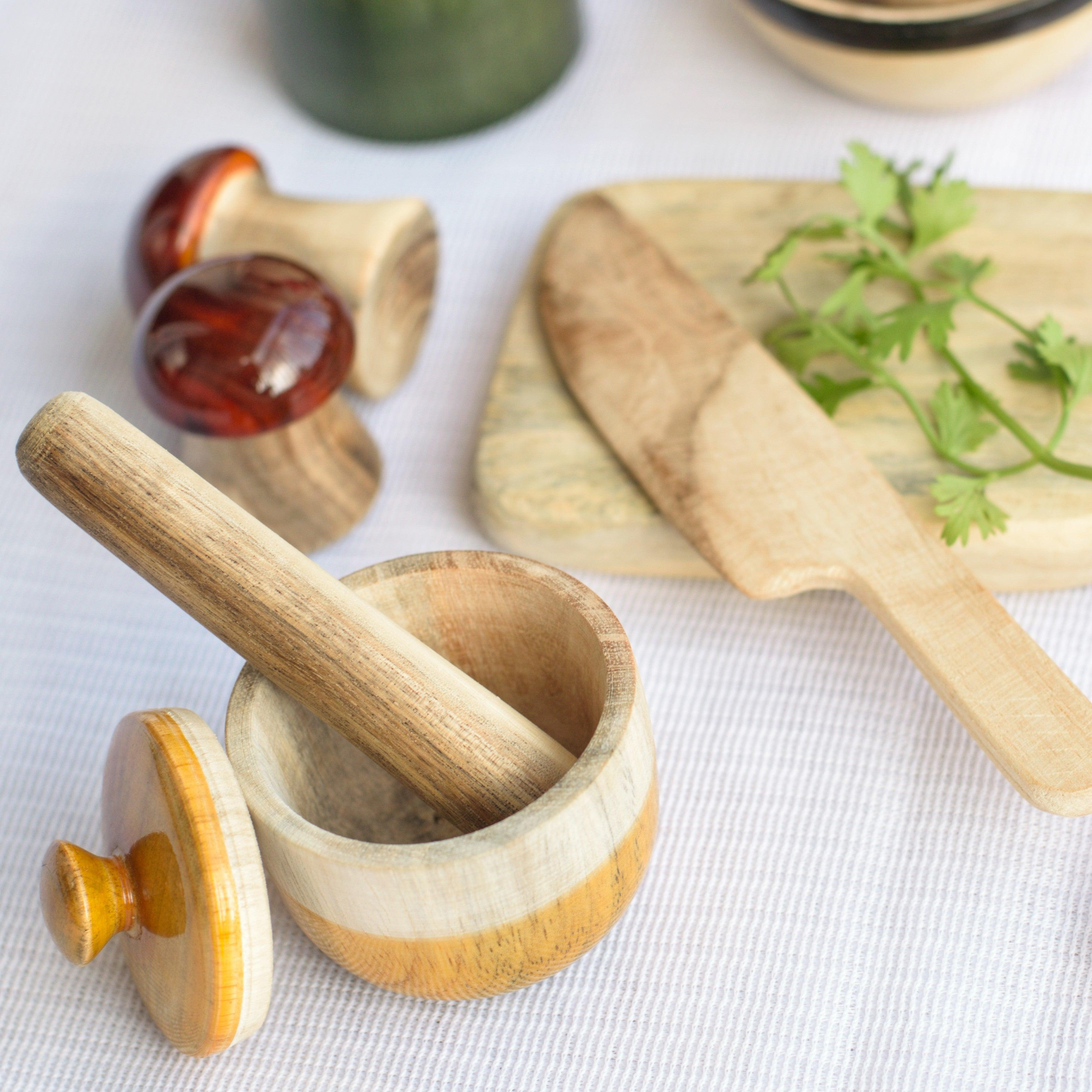
- Creative materials from open ended toys
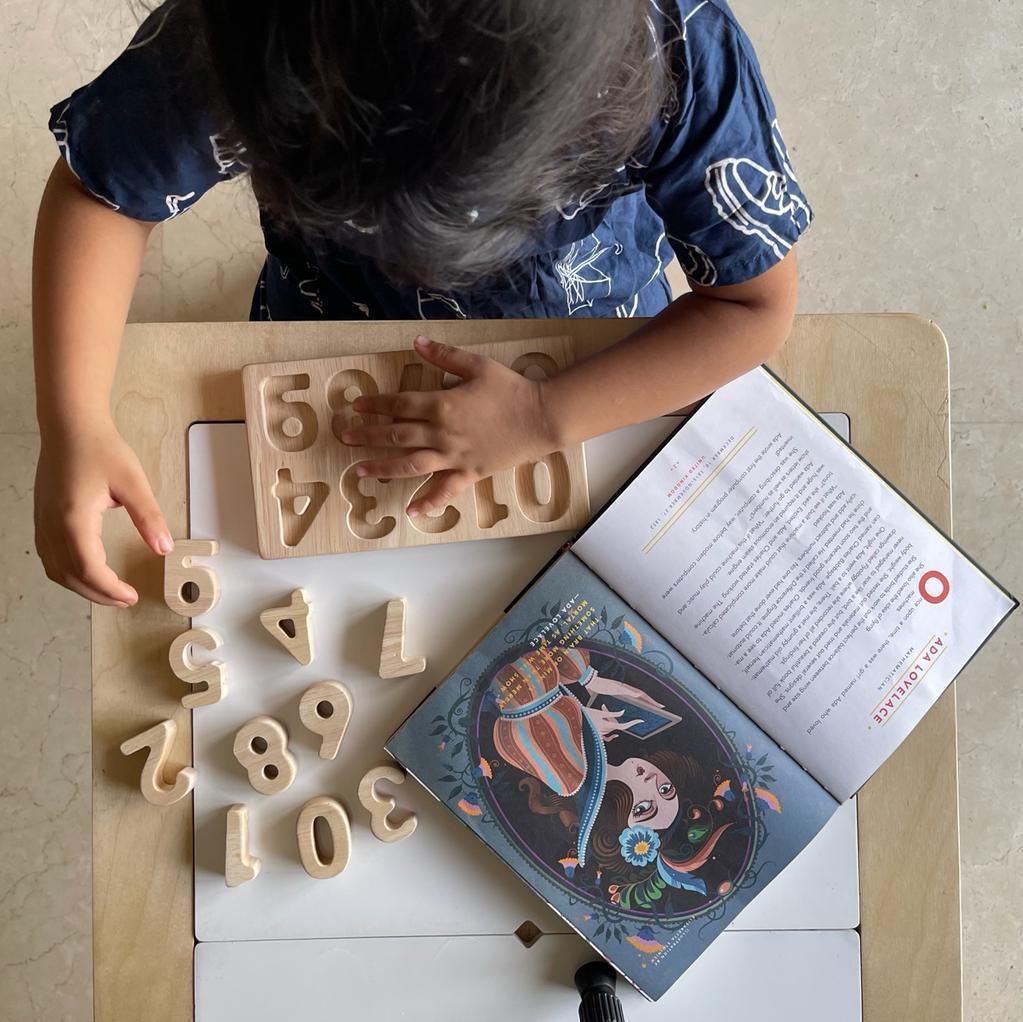
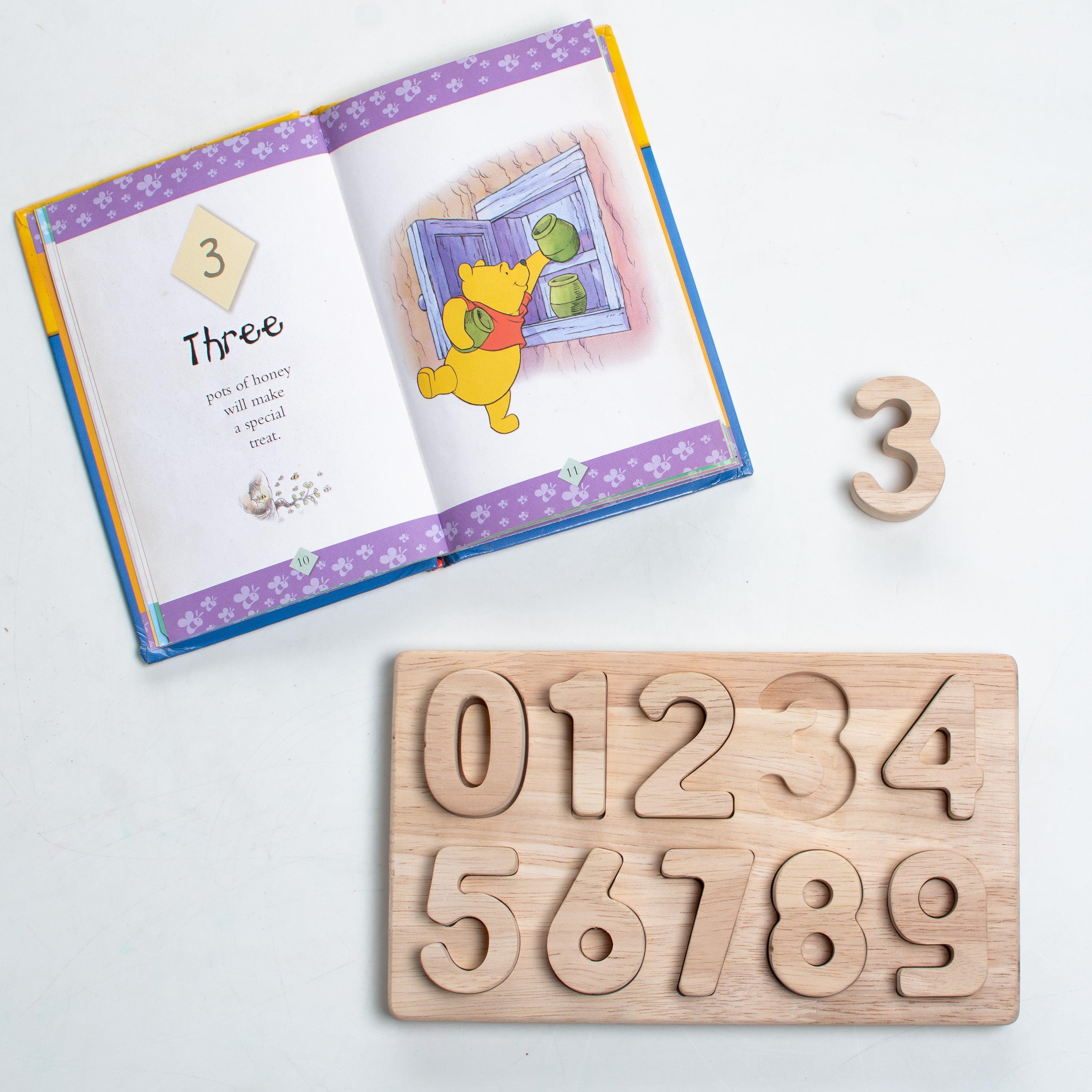
- Structured learning options like educational toys
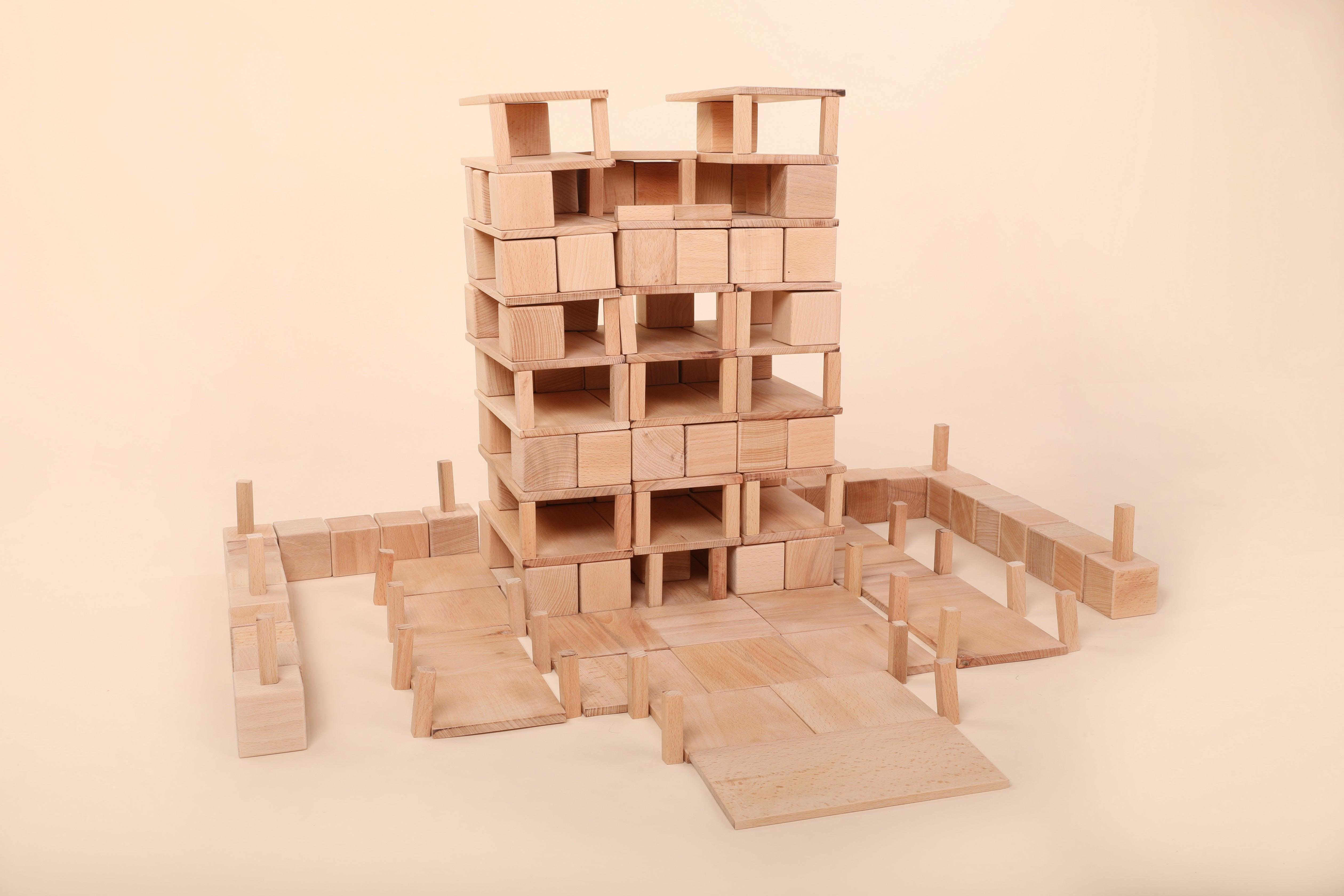
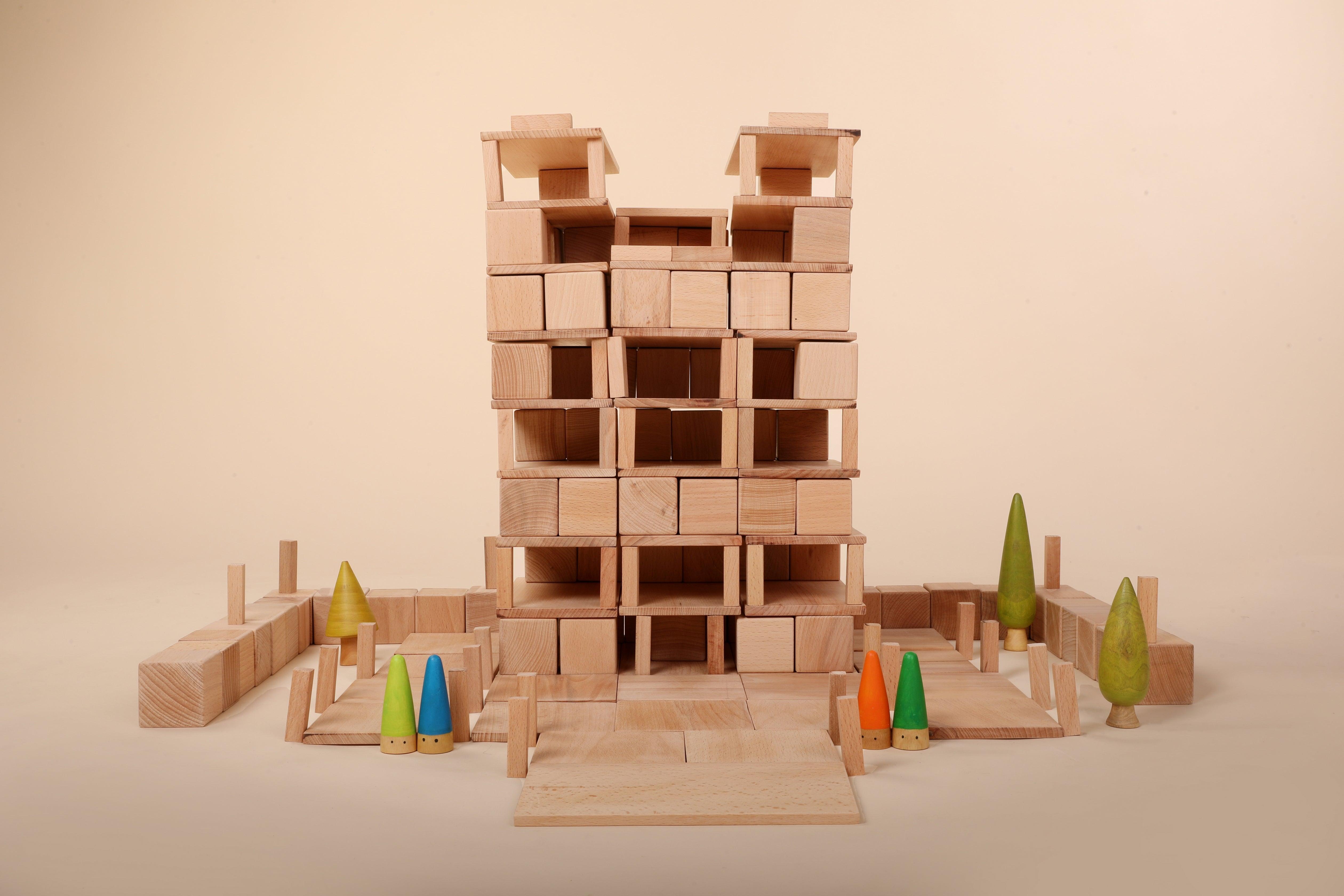
- Building-based toys such as wooden blocks
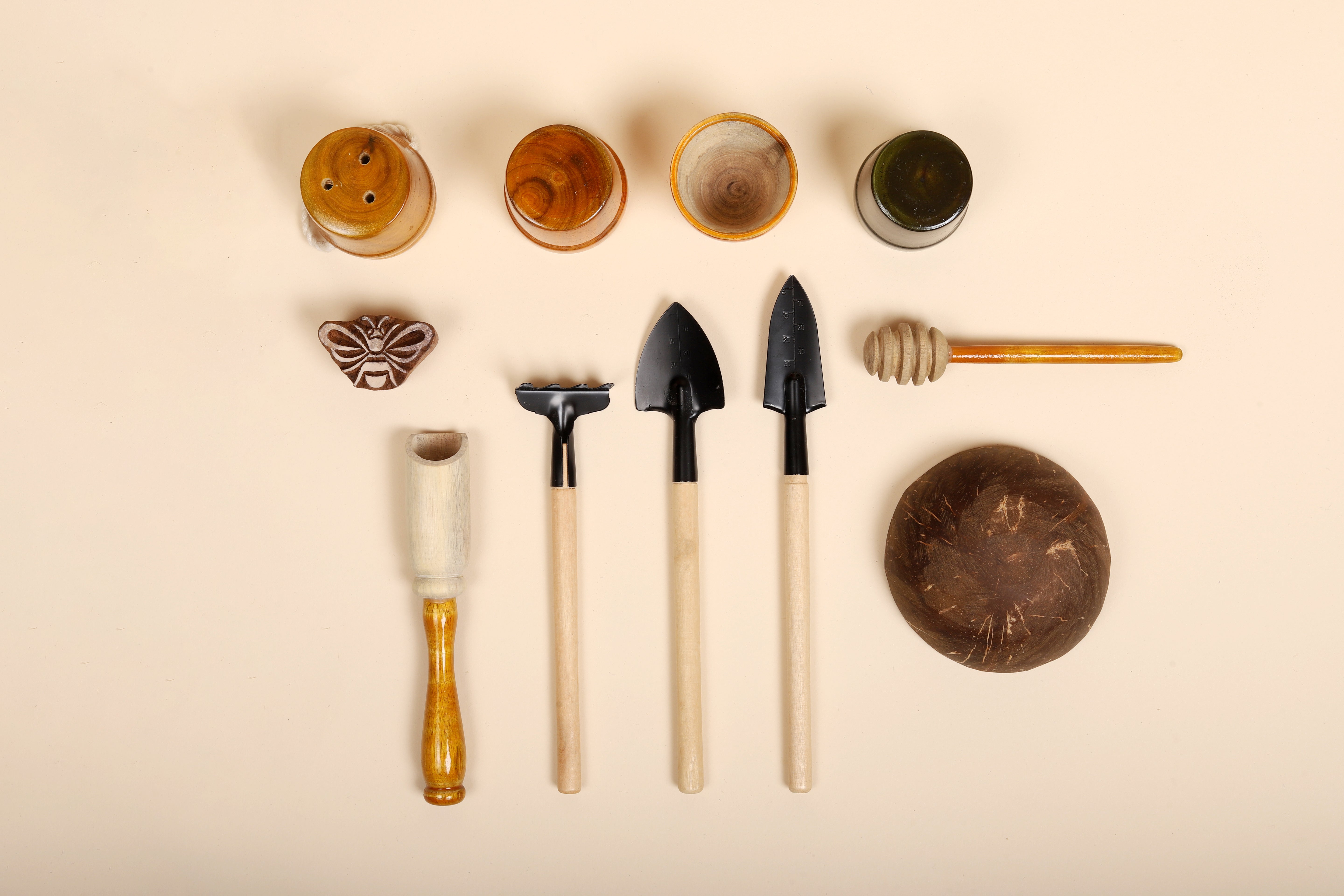
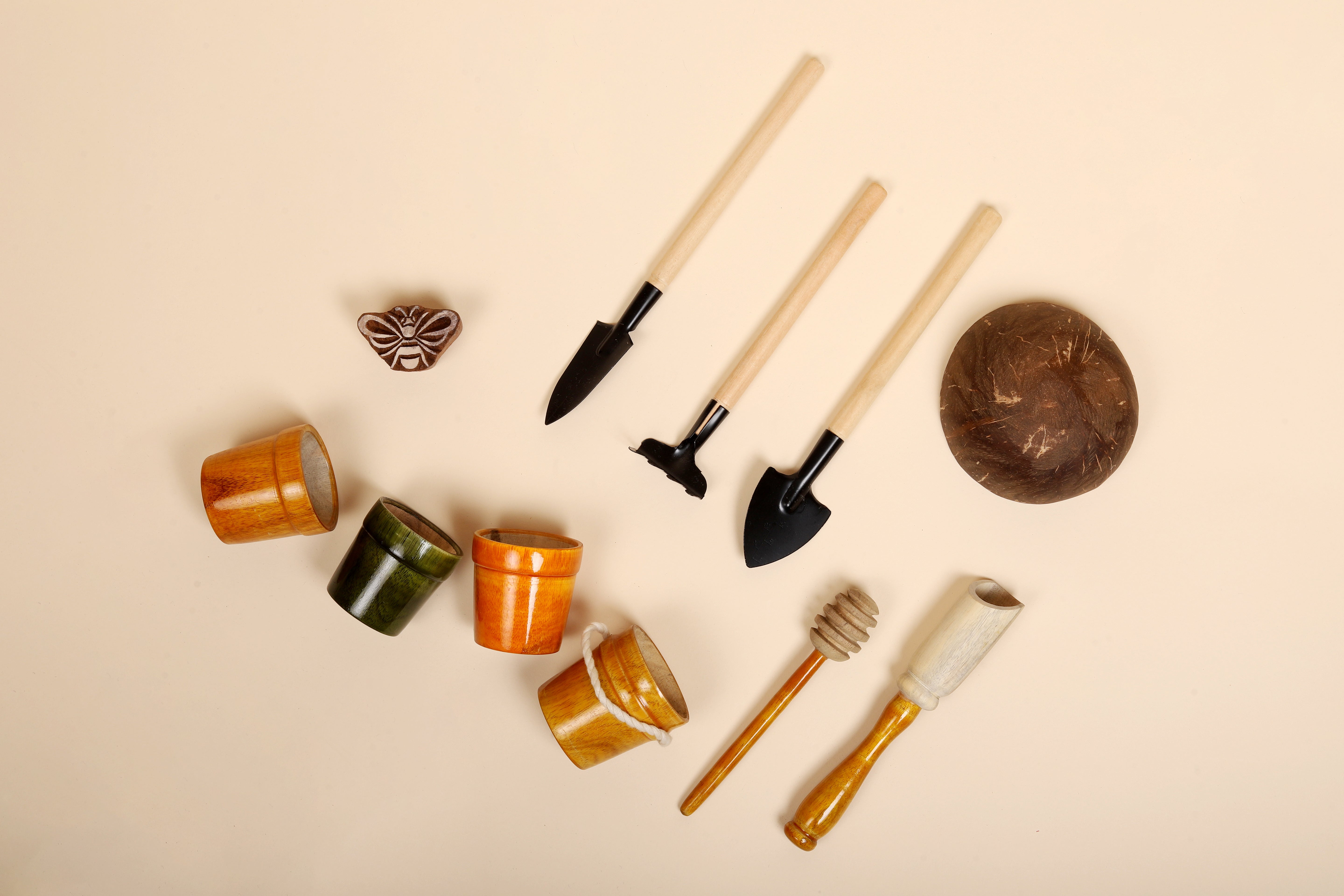
- Hands-on learning sets from activity kits
- Fine motor development tools like play dough kits
These toys allow children to experiment and think independently.
What is the play value of toys for 3 year olds?
At this stage, play supports thinking, expression, and early learning habits.
These toys:
- Encourage imagination and storytelling
- Support problem solving through trial and error
- Help improve focus and attention span
- Allow children to play independently for longer durations
- Adapt as the child’s skills grow
Many of these naturally align with Montessori educational toys, where children learn by doing.
Which age and stage is this collection suitable for?
Best for preschoolers
Children attending or preparing for preschool benefit from toys that support focus and structured play.
Useful for independent play
At this stage, children can engage in longer play sessions on their own.
Works well for creative thinking
Toys that allow open-ended use help children express ideas.
Ideal for balanced play
A mix of structured and free play works best.
What does this look like in an Indian home?
After returning from preschool, a child may sit on the floor with building blocks or an activity kit. There is no strict instruction, but the play becomes more focused. Parents often notice the child creating small stories or repeating a task until it feels complete.
How are parents using these toys in real life?
“Ananya from Mumbai keeps a small set of blocks and activity kits ready for her child after school to help transition into quiet play.”
“Siddharth in Bengaluru prefers toys that allow his child to play independently while he works nearby in the evening.”
How can these toys be used through the day?
Morning time
Creative and building toys work well when the child is fresh and active.
After school
Structured activities like activity kits help children settle down.
Evening play
Imaginative play using open ended materials becomes more natural.
Weekend routines
Longer play sessions where children explore different ideas and combinations.
What is better at this stage: structured learning or free play?
Structured learning toys
- Help develop focus
- Introduce basic concepts
- Useful for short sessions
Open ended toys
- Encourage creativity
- Allow flexible use
- Support imagination
Most parents find that a balance of both works best.
How is play different from 2 year olds?
At age two:
- Play is based on imitation
- Repetition is key
- Shorter engagement
At age three:
- Play includes imagination and storytelling
- Children experiment with ideas
- Attention span improves
Parents often transition from toddler-focused categories like toddler toys to more structured options.
When do parents typically buy toys for 3 year olds?
Most parents start between 2.5 to 3 years, especially when:
- The child starts preschool
- Attention span increases
- Interest in creative play grows
These toys are also commonly chosen for occasions like birthday gifts and learning-based gifting.
Common questions parents ask
What are the best toys for 3 year olds?
Toys that support creativity, building, and simple problem solving are most suitable. Blocks, activity kits, and open ended toys work well.
Do 3 year olds need educational toys?
Yes, but in a simple and hands-on form. Learning should happen through play rather than structured teaching.
Are building toys useful at this age?
Yes. They help with coordination, focus, and understanding how things fit together.
How many toys should a 3 year old have?
A smaller, rotating set is more effective than many toys. This helps improve focus.
Can these toys be used for long-term play?
Yes. Many toys at this stage grow with the child and can be used in different ways over time.
Key Takeaways
- Play at age three focuses on imagination and problem solving
- Toys should allow creativity and independent thinking
- Structured and open ended play both have value
- Works well in daily routines, especially after school
- A thoughtful selection of toys is more effective than quantity
Explore More for 3 Year Olds
Creative & Building Play
Open Ended Toys, Wooden Blocks, Activity Kits, Play Dough Kits
Learning & Skill Development
Educational Toys, Montessori Educational Toys, Montessori Toys, Waldorf Toys
Everyday Play Essentials
Preschooler Toys, Indoor Games, Sensory Play, Soft Toys
Gifting & Occasions
Birthday Gifts, Return Gifts, Festive Gifts, Bundles & Combos