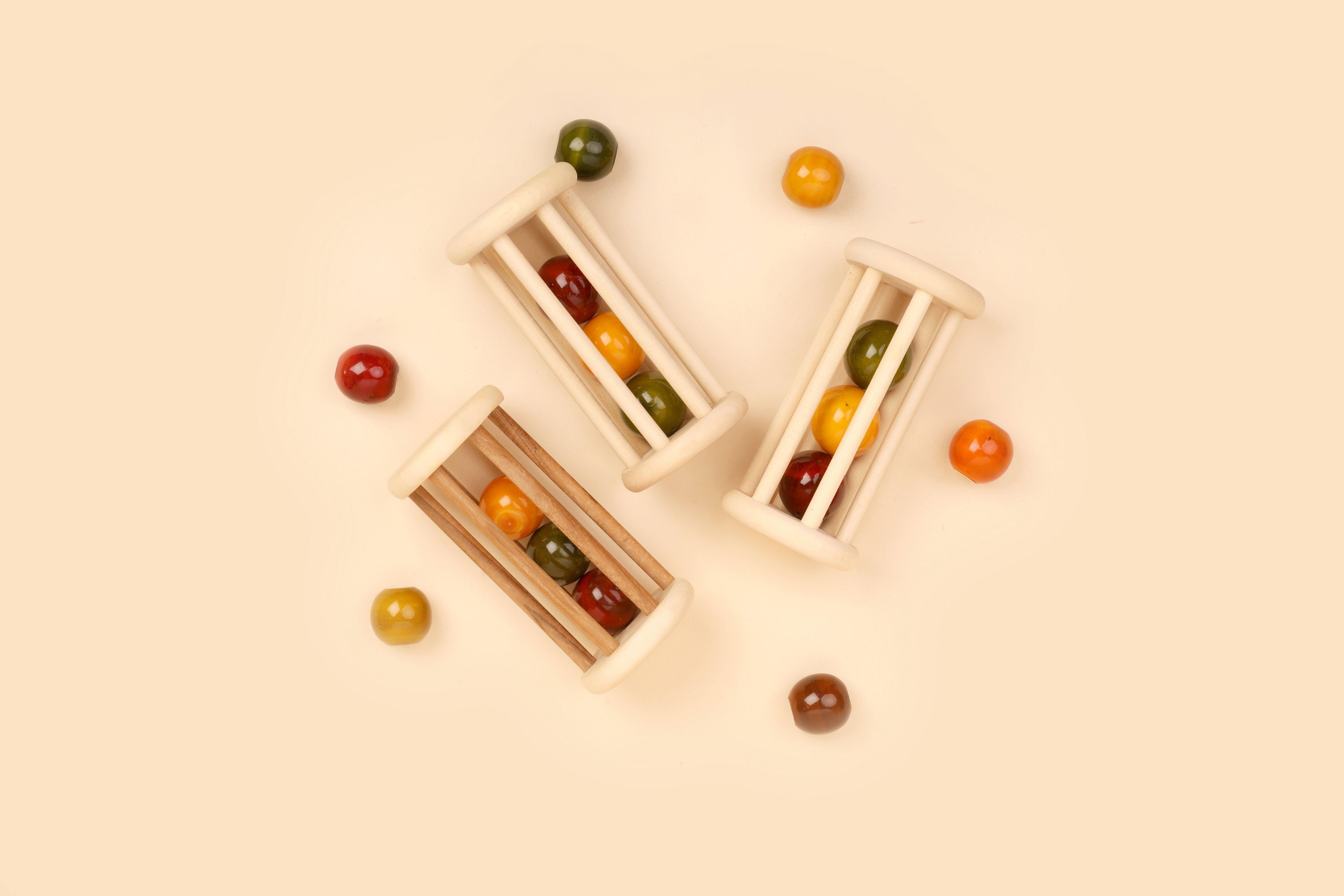
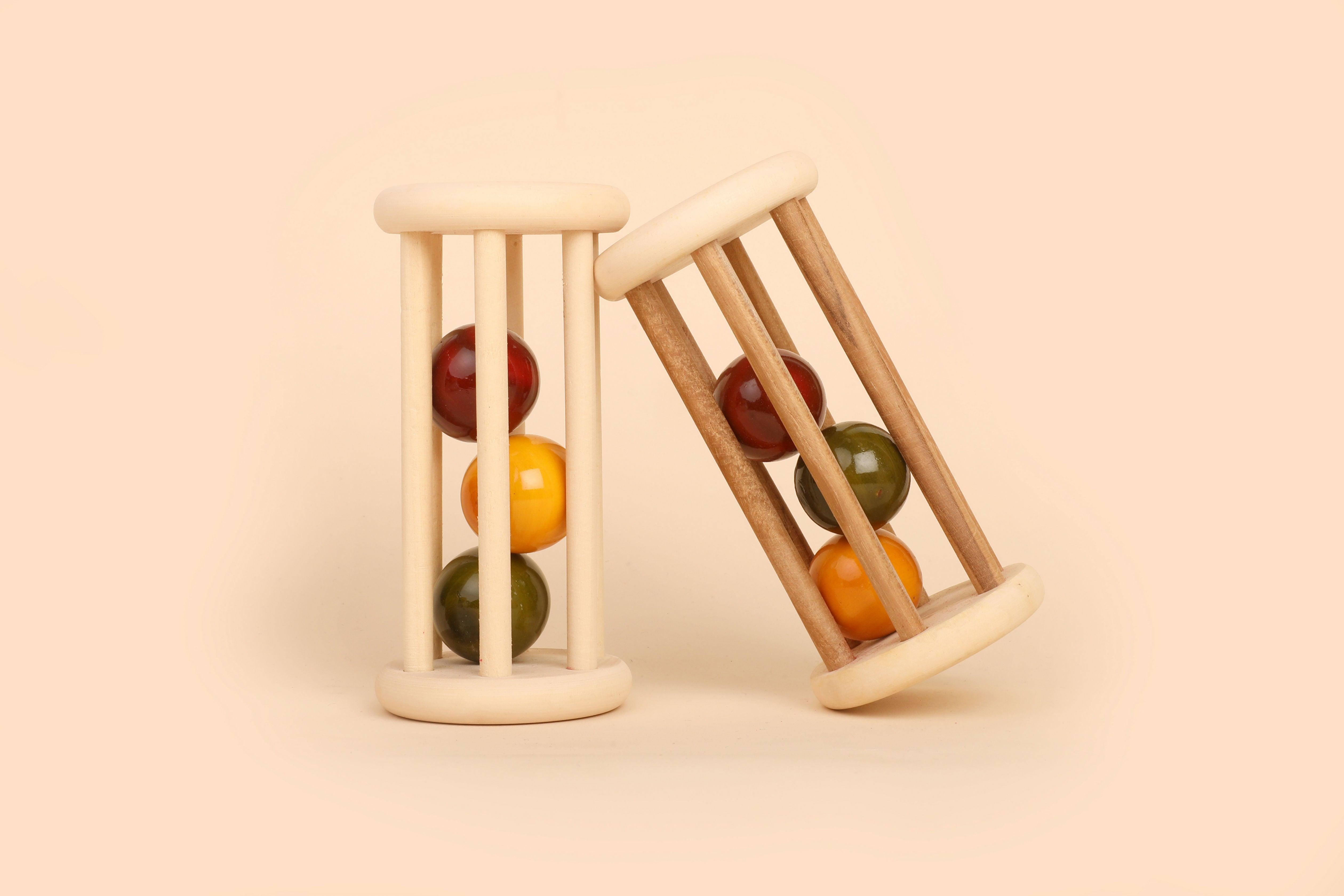
Rattle for Newborn Babies: Gentle First Wooden Toys for Sensory Play
A rattle for newborn babies is often the first toy a child responds to. In the earliest months, babies are not engaging in structured play. They are discovering how movement, sound, and touch work together.
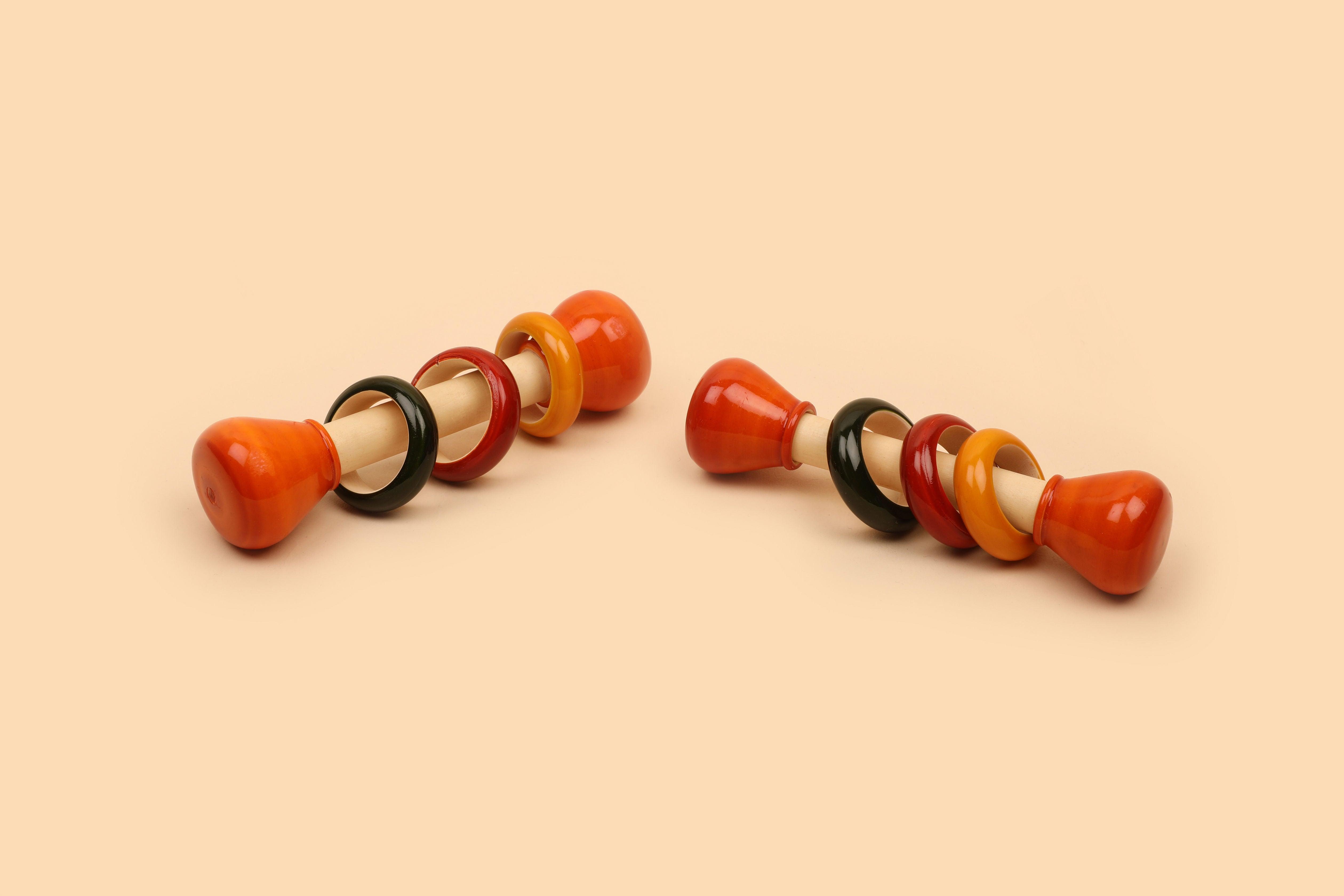
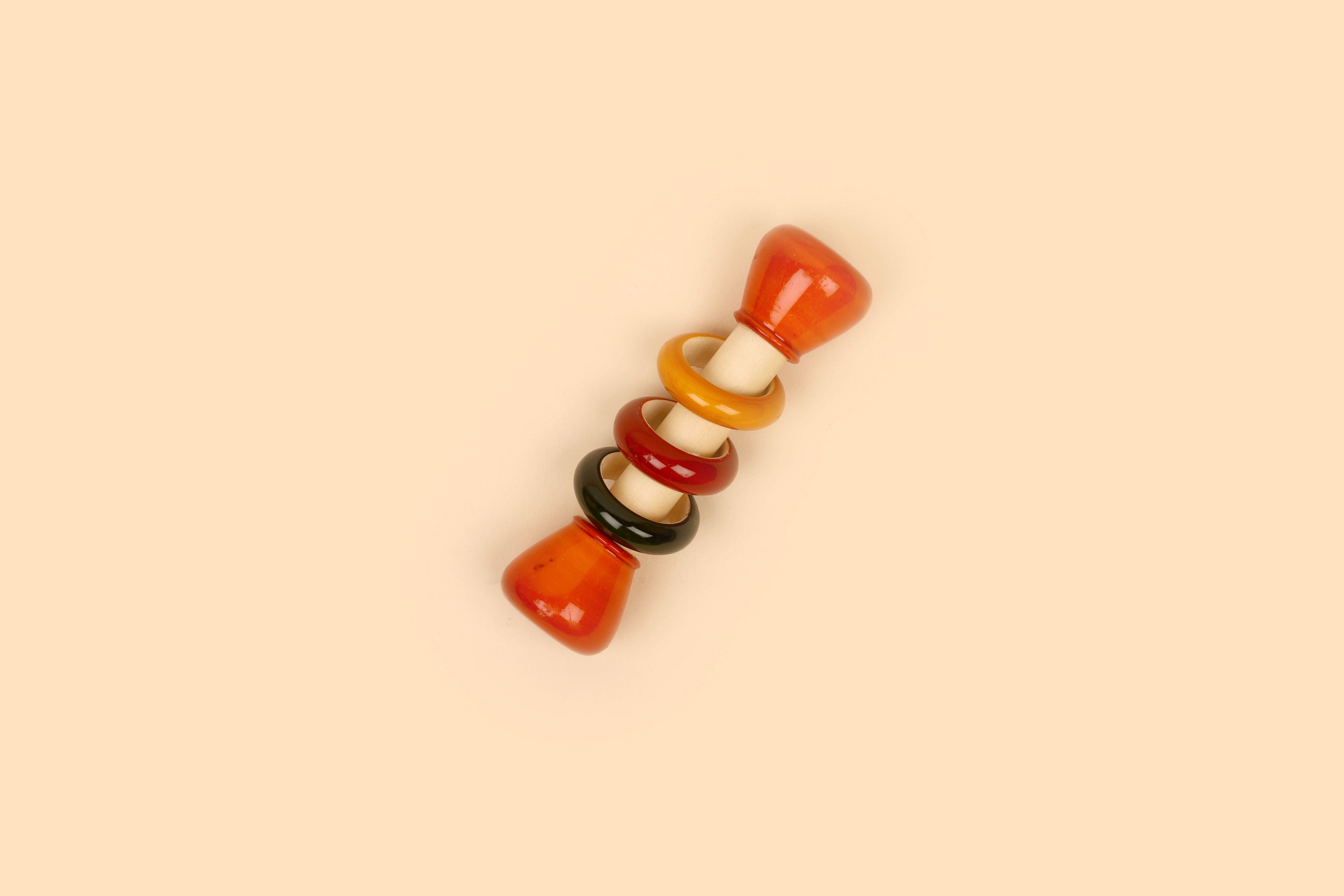
A wooden rattle becomes part of these early experiences. It is simple, lightweight, and easy for small hands to explore during supervised floor time.
In many homes, it is introduced alongside other early sensory items from the newborn baby toys collection to support calm, natural exploration.
What Is a Newborn Rattle Toy
A newborn rattle toy is a small sensory object designed for early developmental exploration. It helps babies understand grip, movement, and sound in a simple and safe way.
Unlike electronic toys, wooden rattles focus only on natural feedback. This makes them suitable for calm early learning environments.
Many parents include them within broader wooden toys for babies collections for balanced sensory play.
How Babies Interact With Rattles in Early Months
Early Observation Phase
Babies first respond by watching movement and reacting to sound. A rattle helps them connect these two experiences naturally.
This stage often overlaps with early sensory tools from wooden infant toys.
Grip and Movement Development
As babies grow, they begin to hold objects more intentionally. A rattle supports repeated gripping, shaking, and releasing.
These early movements build coordination that later supports toys from wooden stacking toys.
Why Rattles Are Often a Baby’s First Toy
Rattles remain one of the most common early toys because they are simple and intuitive.
Babies can engage through:
- gentle shaking
- holding and releasing
- listening to soft sound feedback
- tracking movement visually
No instructions are needed, making them ideal for early sensory discovery.
Montessori Perspective on Wooden Rattles
In Montessori inspired environments, early toys are kept minimal to avoid overstimulation.
Wooden rattles align naturally with this philosophy by focusing on a single sensory experience at a time.
This approach is closely reflected in the Montessori toys collection where simplicity supports deeper focus.
Why Parents Prefer Wooden Rattles
Natural Sensory Experience
Wooden rattles offer a soft and grounded sensory response compared to plastic alternatives.
Easy Daily Use
They are small, portable, and suitable for short, repeated play sessions throughout the day.
Safe Early Exploration
Smooth finishes and simple shapes make them suitable for supervised infant use.
They are often paired with sensory playmats for floor-based activity.
Choosing the Right Rattle for Newborns
Size and Grip
A good rattle should be lightweight and easy for small hands to hold. Rounded edges improve safety during early exploration.
Sound Quality
Soft, gentle sound is ideal for infants. Wooden rattles naturally produce calmer tones compared to plastic versions.
Material Preference
Many parents choose natural wood for its durability and sensory warmth. It fits naturally within wider wooden toys collections.
How Rattles Fit Into Daily Baby Routines
Morning Floor Time
Babies explore rattles while lying on soft mats, observing movement and sound.
Afternoon Calm Play
Rattles are often kept within reach for short, quiet play sessions.
Evening Interaction
Parents gently use rattles to help babies track sound and movement.
Family Interaction
Older siblings often engage gently with babies using rattles, making it part of shared play.
This often connects with broader toddler toys routines.
Wooden Rattles vs Plastic Rattles
Material Feel
Wooden rattles feel natural and grounded. Plastic rattles are often lighter and more colorful.
Sound Experience
Wooden rattles produce softer and more calming sounds suited for early sensory development.
Simplicity of Play
Wooden designs focus only on movement and sound, aligning with open ended play principles.
A Small Moment from an Indian Home
In many Indian homes, baby toys are placed in a small basket near a soft floor mat. During quiet afternoons, a baby may slowly move a wooden rattle and listen to the sound it creates.
These simple experiences often become early sensory memories.
Real Parent Experiences
A parent from Pune shared that their baby began reacting to sound direction within weeks of using a wooden rattle.
In Bengaluru, another parent shared that the rattle became a shared calming activity between siblings during evening routines.
Helpful Answers for Parents
When can babies start using a rattle
Most babies begin responding to rattles within the first few months during supervised play.
Are wooden rattles safe for newborns
Yes, when made with smooth finishes and child-safe materials, they are commonly used for early sensory play.
What makes a good infant rattle toy
Lightweight design, soft sound, and easy grip are key features.
How do rattles support development
They help babies build early coordination, sensory awareness, and cause-effect understanding.
Do babies outgrow rattles quickly
They may transition to more complex toys, but rattles often remain part of early play routines for several months.