Many parents notice the same frustrating pattern — a room full of toys, but a child who still says, “I’m bored.” Bright plastic gadgets, flashing lights, and noisy electronic toys may grab attention briefly, but they rarely hold a child’s interest for long.
Children naturally crave meaningful interaction, movement, and discovery. When toys overstimulate instead of engage, boredom appears quickly.
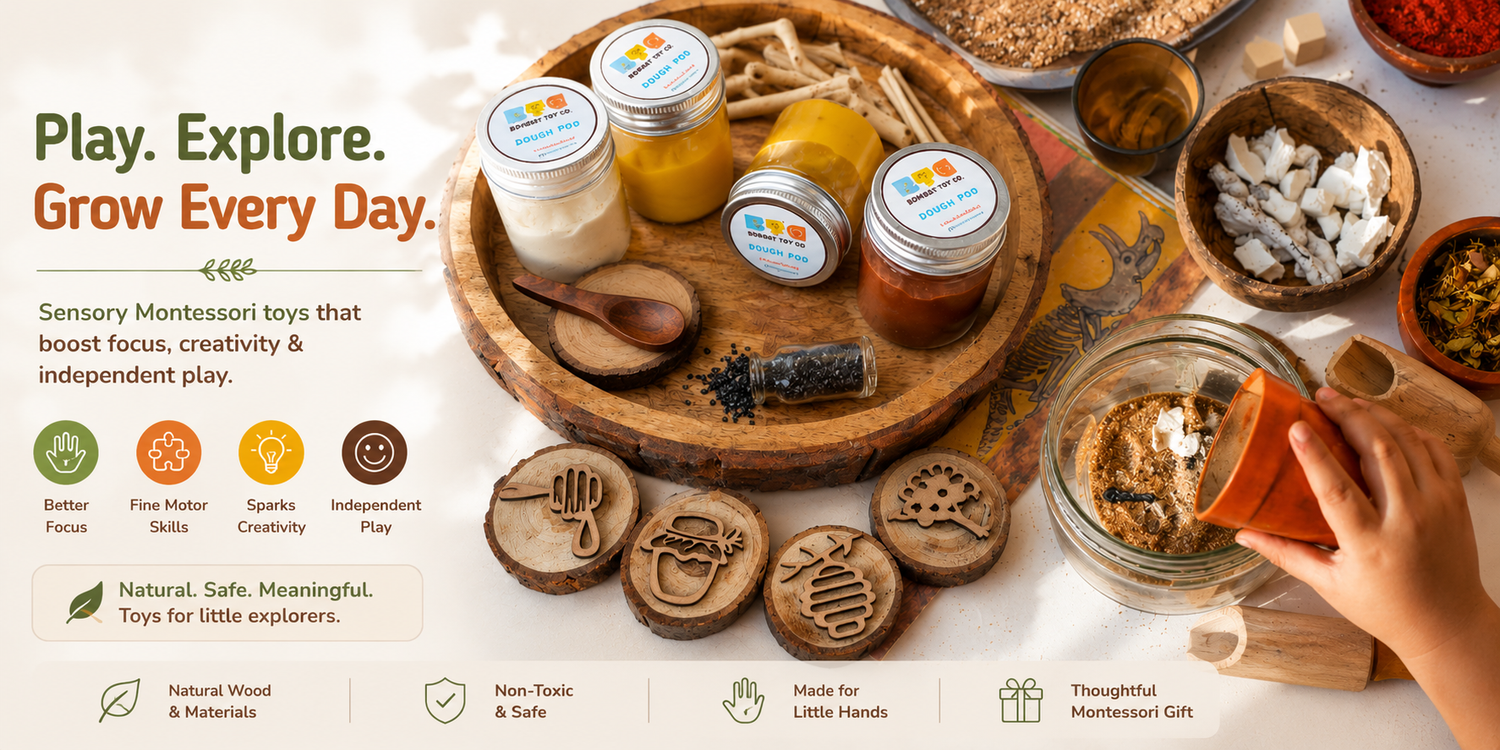
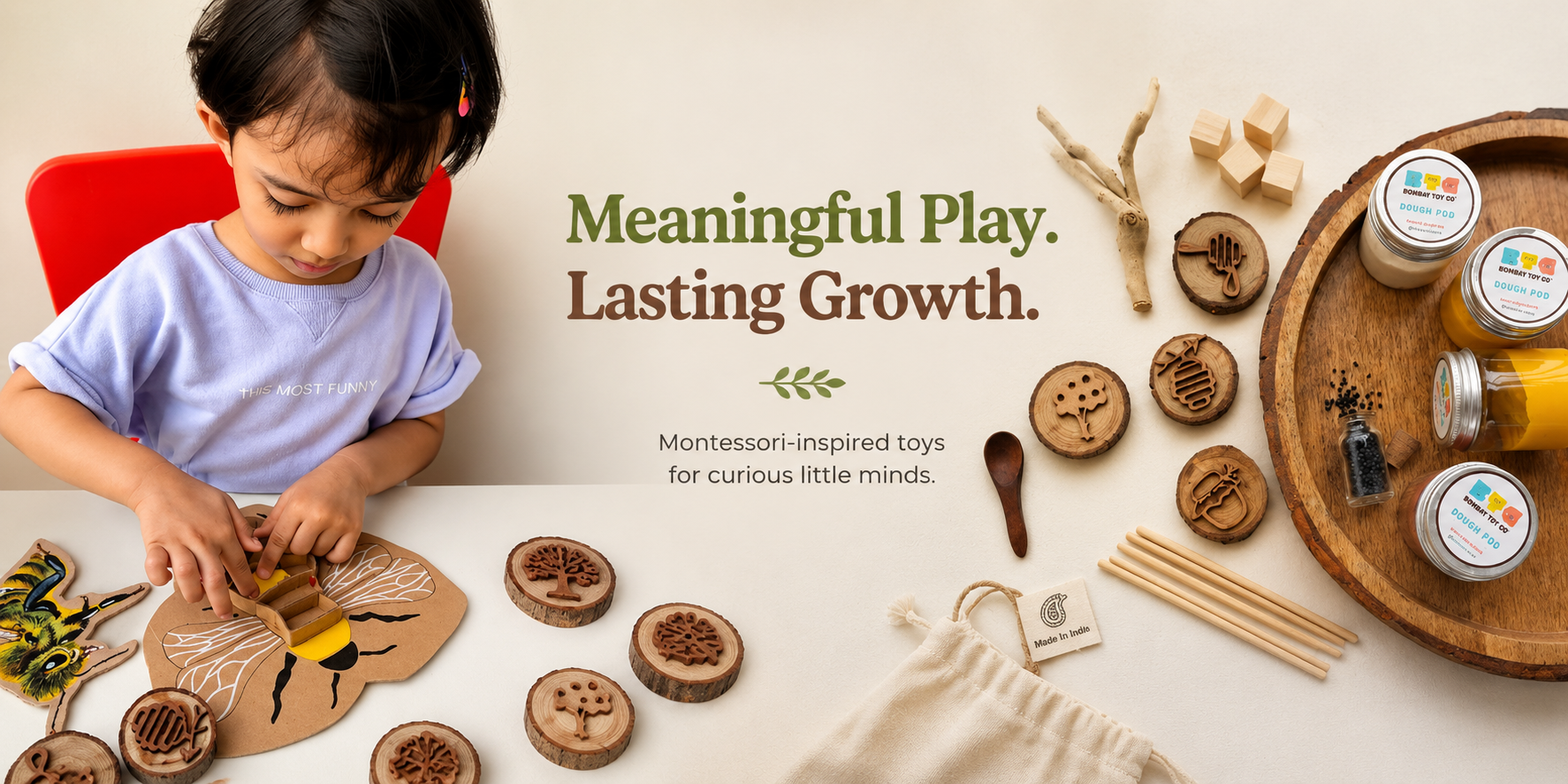
This is where thoughtfully designed Montessori toys make a powerful difference. Instead of passive entertainment, Montessori-inspired play encourages children to explore, solve problems, focus deeply, and stay engaged independently for longer periods.
Why Children Lose Interest in Toys So Quickly
Many conventional toys entertain children by doing everything for them. Lights flash, buttons make sounds, and animations constantly change without requiring much active participation from the child.
While exciting initially, this type of stimulation often:
-
shortens attention span
-
reduces patience
-
limits creativity
-
discourages independent thinking
-
creates constant novelty-seeking behavior
Purposeful open-ended toys work differently. They invite children to interact, experiment, build, sort, stack, and imagine — which naturally creates deeper engagement.
What Makes Sensory Montessori Toys Different?
Sensory Montessori toys are designed to help children explore through touch, movement, coordination, and focused interaction rather than overstimulation.
Unlike noisy gadgets, carefully crafted wooden Montessori toys encourage calm and meaningful play experiences through:
-
texture
-
movement
-
balance
-
sorting
-
stacking
-
sensory exploration
These toys allow children to stay actively involved in the learning process instead of passively watching or reacting.
How Sensory Montessori Toys Improve Focus
One reason children become easily distracted is overstimulation. Montessori-inspired toys intentionally simplify play so children can focus on one concept or activity at a time.
Purposefully designed educational wooden toys help children:
-
improve concentration
-
complete tasks independently
-
repeat actions confidently
-
strengthen patience
-
stay engaged longer
Because the toys do not overwhelm the senses, children naturally settle into deeper and calmer play patterns.
Why Sensory Play Keeps Toddlers Engaged Longer
Children learn best through hands-on experiences. Sensory-based activities stimulate curiosity while supporting emotional regulation and cognitive development.
Interactive sensory play toys encourage children to:
-
squeeze
-
roll
-
stack
-
sort
-
press
-
explore textures
This active participation keeps children mentally and physically engaged far longer than passive entertainment.
The Role of Independent Play in Child Development
Independent play teaches children how to think, experiment, and problem-solve without constant adult direction.
Many parents notice that thoughtfully designed fine motor skill toys naturally encourage self-directed learning because children can:
-
repeat activities independently
-
discover solutions themselves
-
build confidence gradually
-
focus without interruption
This type of play also helps children develop emotional resilience and patience over time.
Best Sensory Montessori Toys by Age
Choosing age-appropriate toys helps children stay engaged while avoiding frustration or overstimulation.
Sensory Montessori Toys for 1-Year-Olds
At this stage, toddlers enjoy simple activities that involve movement, grasping, and sensory discovery.
Purposeful toys for 1-year-olds help support:
-
grip strength
-
hand-eye coordination
-
sensory exploration
-
cause-and-effect learning
Great Choices for Younger Toddlers
-
wooden rattles
-
shape sorters
-
posting boxes
-
soft sensory activities
-
simple stacking toys
Beautifully crafted wooden infant toys also encourage calm sensory engagement during early developmental stages.
Sensory Montessori Toys for 2-Year-Olds
Two-year-olds begin refining movement control and exploring more complex activities independently.
Purposeful toys for 2-year-olds often include:
-
balancing activities
-
threading games
-
stacking challenges
-
simple sorting tasks
Interactive wooden stacking toys are particularly effective for improving patience, coordination, and sustained focus.
Sensory Montessori Toys for 3-Year-Olds
At three years old, children begin developing stronger imagination and problem-solving abilities. They enjoy activities that involve building, sequencing, and creative experimentation.
Thoughtfully designed toys for 3-year-olds encourage:
-
independent thinking
-
concentration
-
creativity
-
fine motor precision
-
logical reasoning
Many families introduce problem solving toys during this stage to support deeper learning through play.
Why Wooden Toys Create More Meaningful Play
Compared to electronic toys, wooden toys encourage slower, calmer, and more intentional play experiences.
Parents increasingly choose eco-friendly toys because they are:
-
non-toxic
-
durable
-
sustainable
-
visually calming
-
designed for long-term engagement
Beautiful wooden toys also blend naturally into Montessori-inspired play environments that support focus and creativity.
How to Create an Engaging Play Environment at Home
Children do not need endless toys to stay engaged. In fact, fewer thoughtfully chosen toys often create better concentration and more meaningful play.
Helpful strategies include:
-
rotating toys weekly
-
reducing clutter
-
keeping toys accessible
-
creating calm play corners
-
choosing open-ended activities
Many parents find that introducing engaging Montessori educational toys significantly improves independent play habits over time.
Helping Children Move From Passive Entertainment to Active Learning
Children are naturally curious, creative, and eager to explore when given the right environment. Replacing overstimulating toys with sensory Montessori-inspired activities helps children build focus, patience, creativity, and confidence through hands-on experiences.
Whether through sensory play, stacking activities, sorting games, or open-ended exploration, thoughtfully designed toys can transform “I’m bored” moments into meaningful opportunities for learning and independent discovery.

Leave a comment
This site is protected by hCaptcha and the hCaptcha Privacy Policy and Terms of Service apply.