Filters
6 products
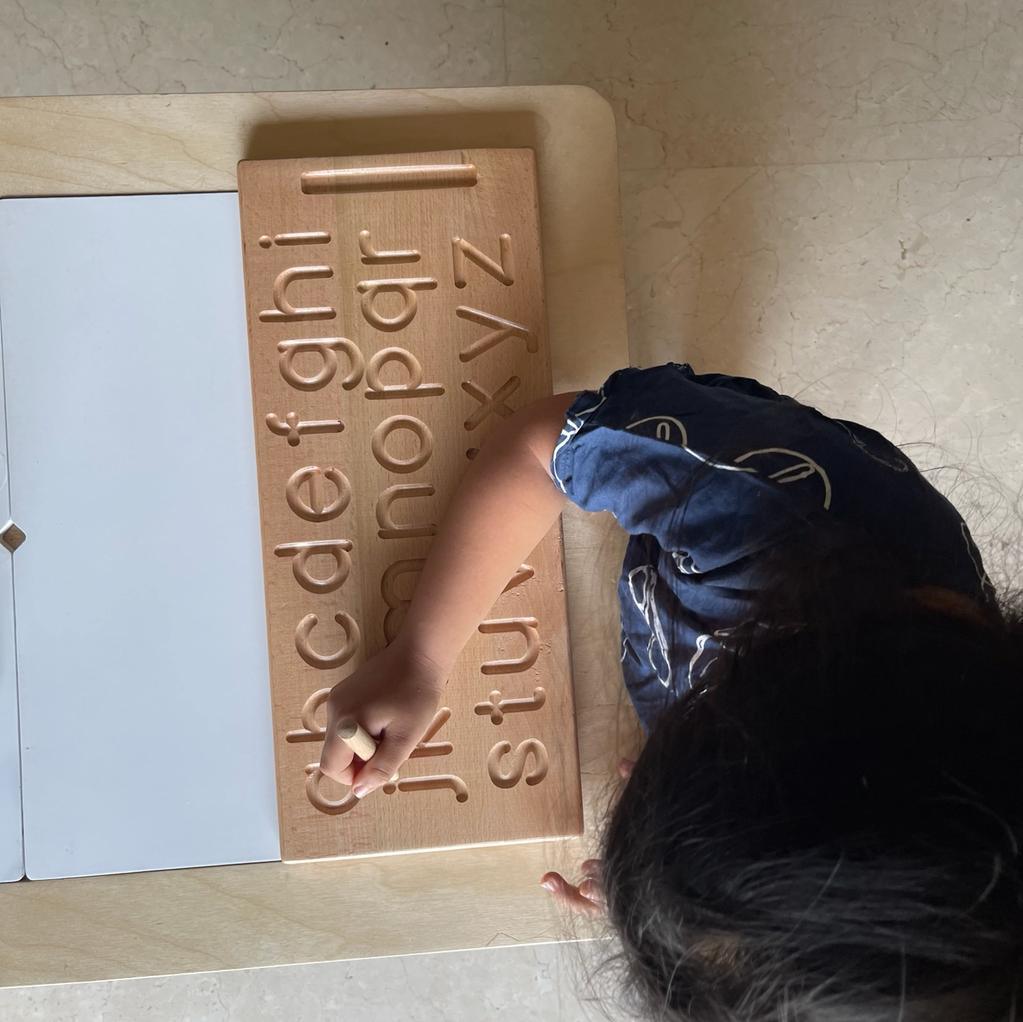
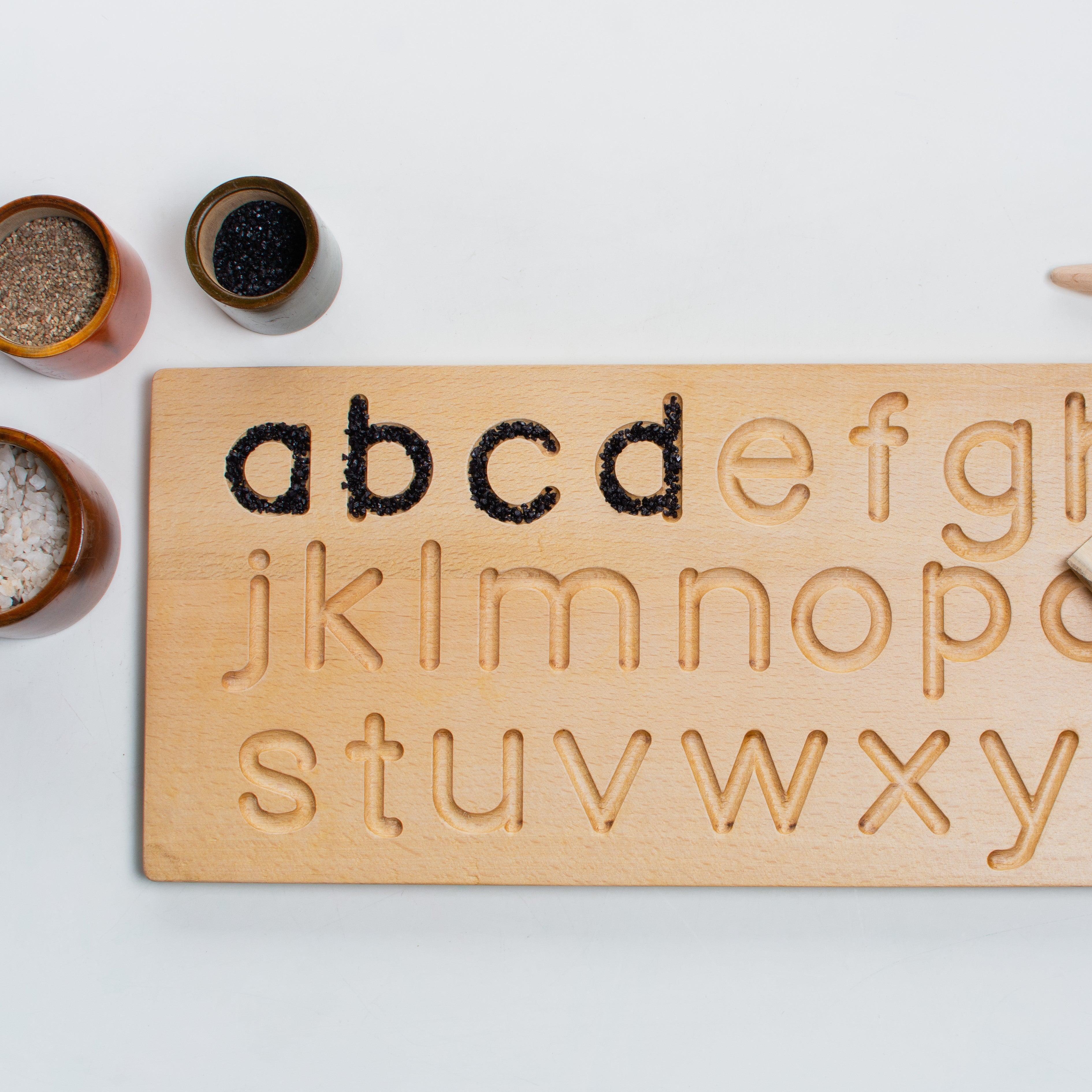
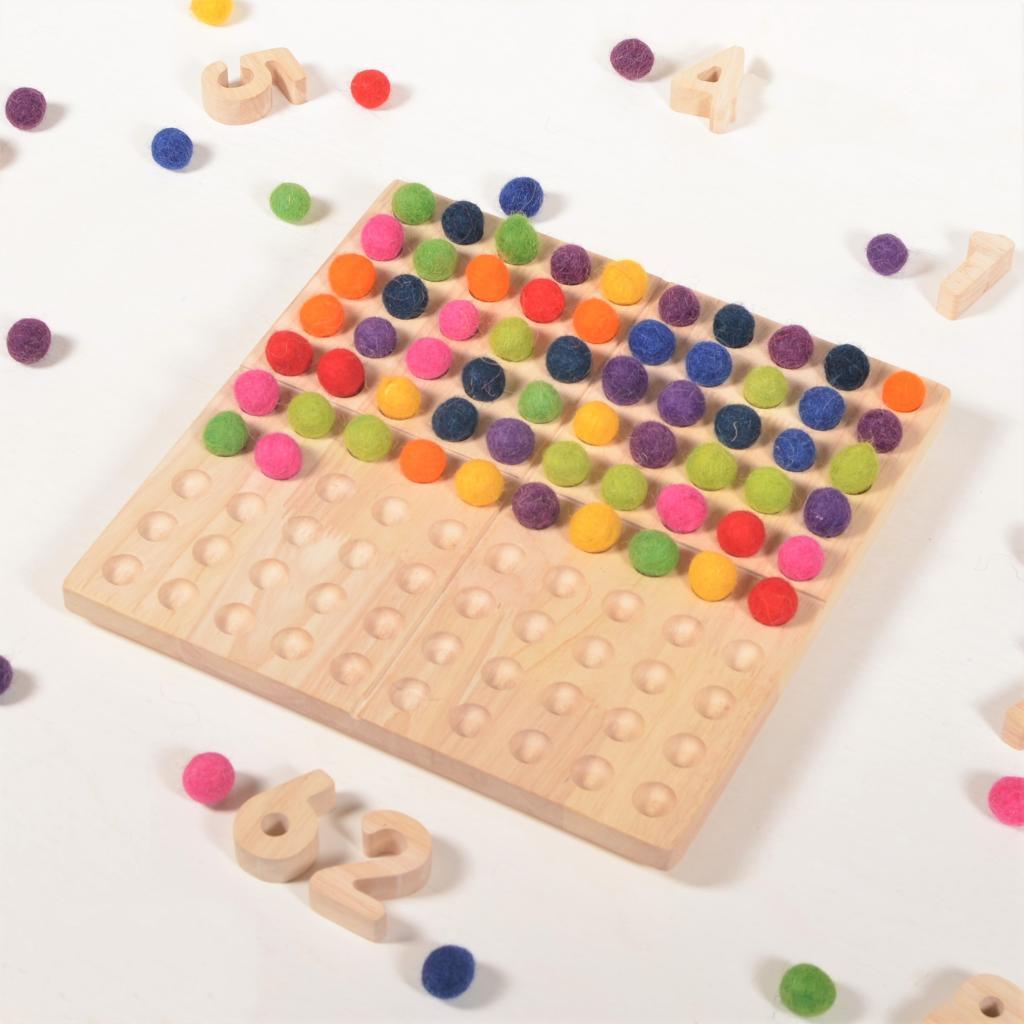
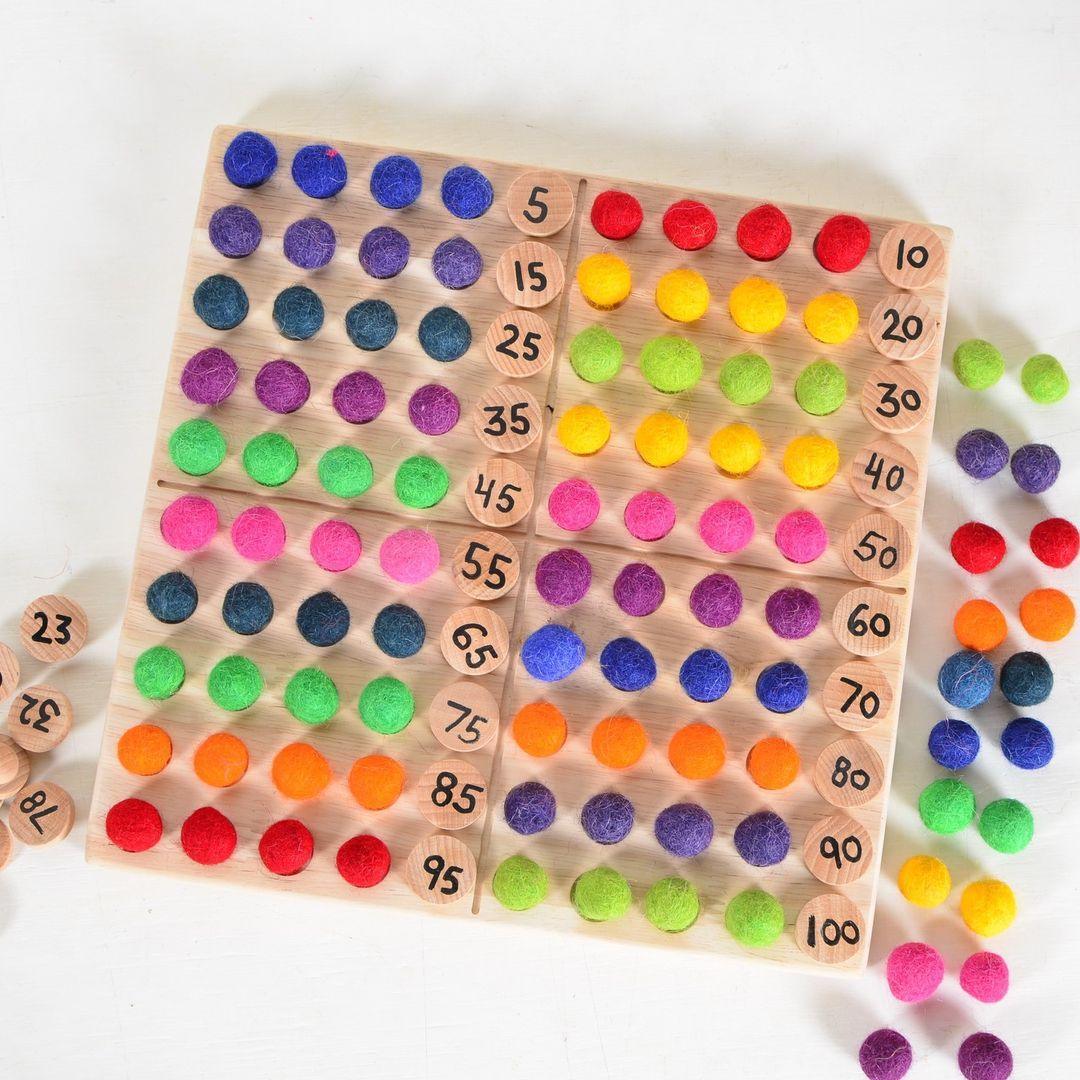


Wooden Educational Toys for Toddlers and Preschoolers
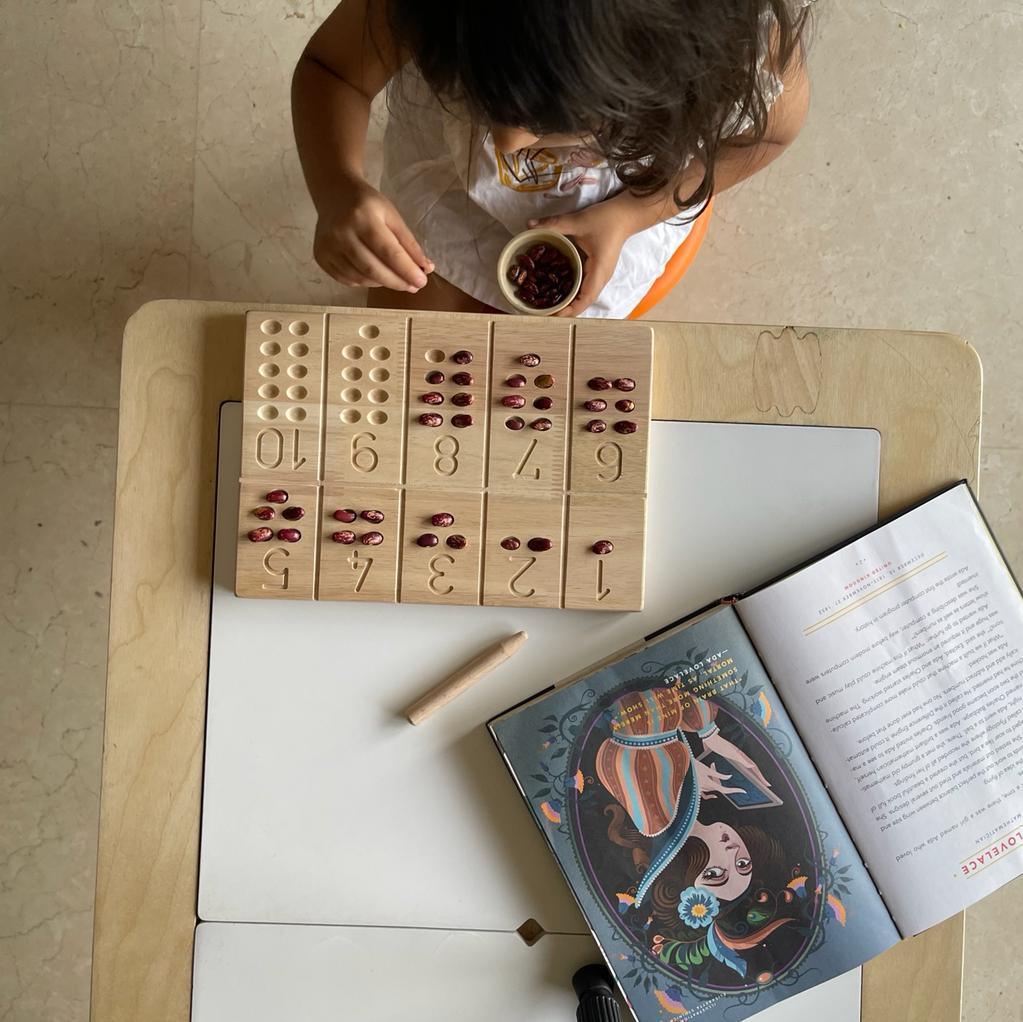
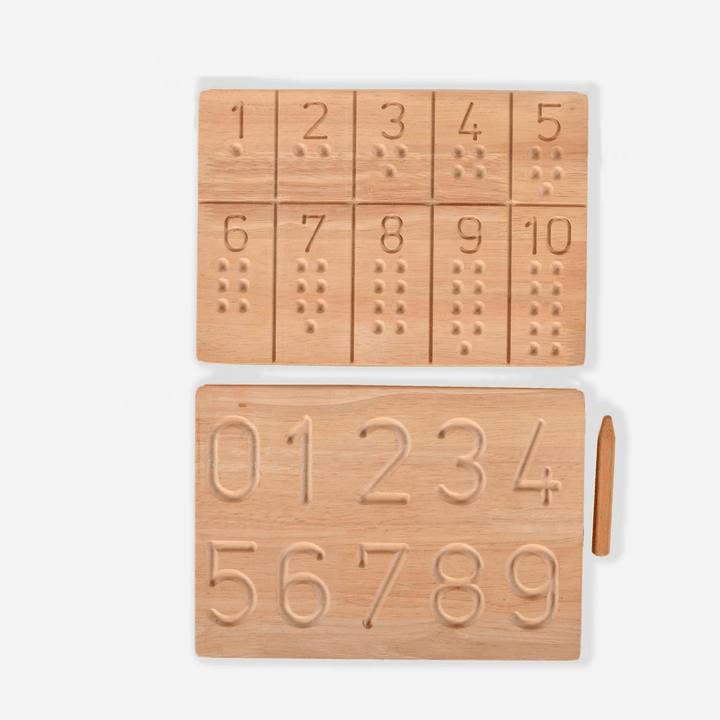
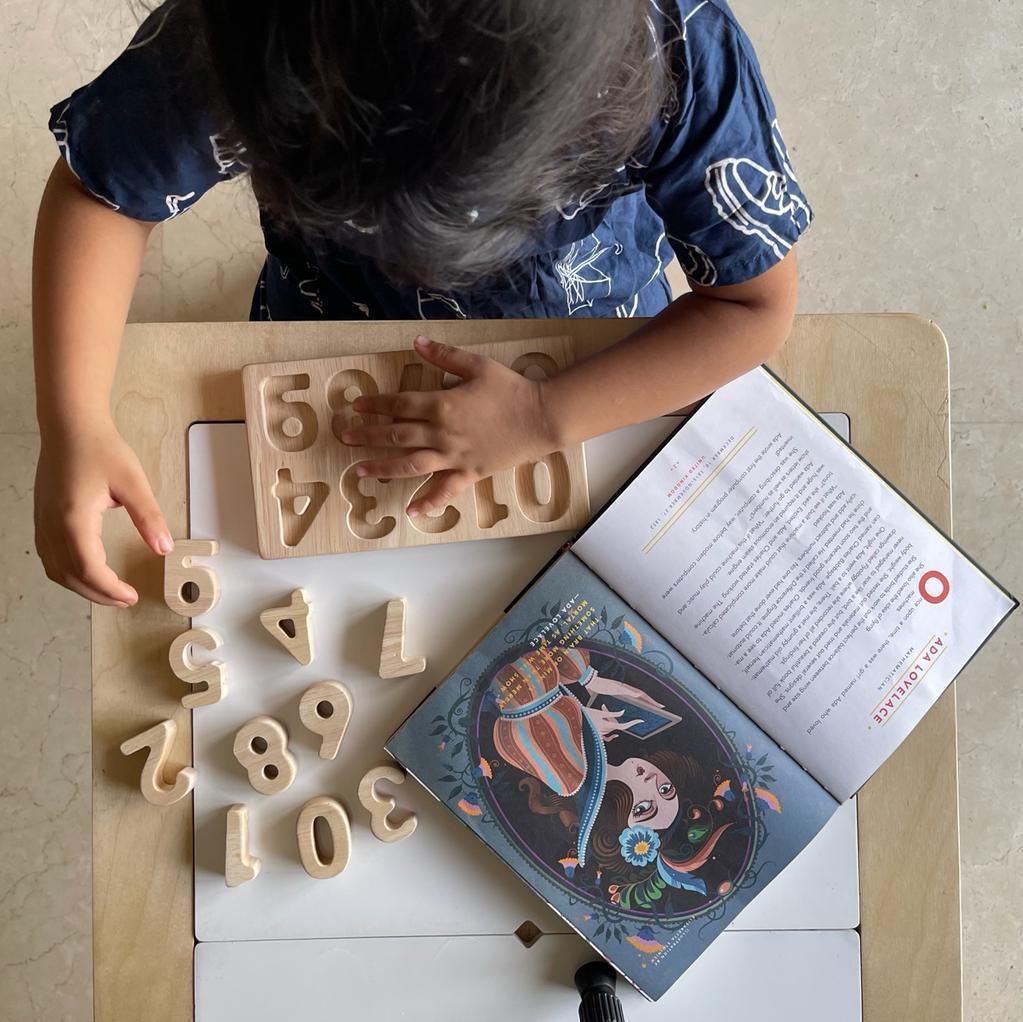
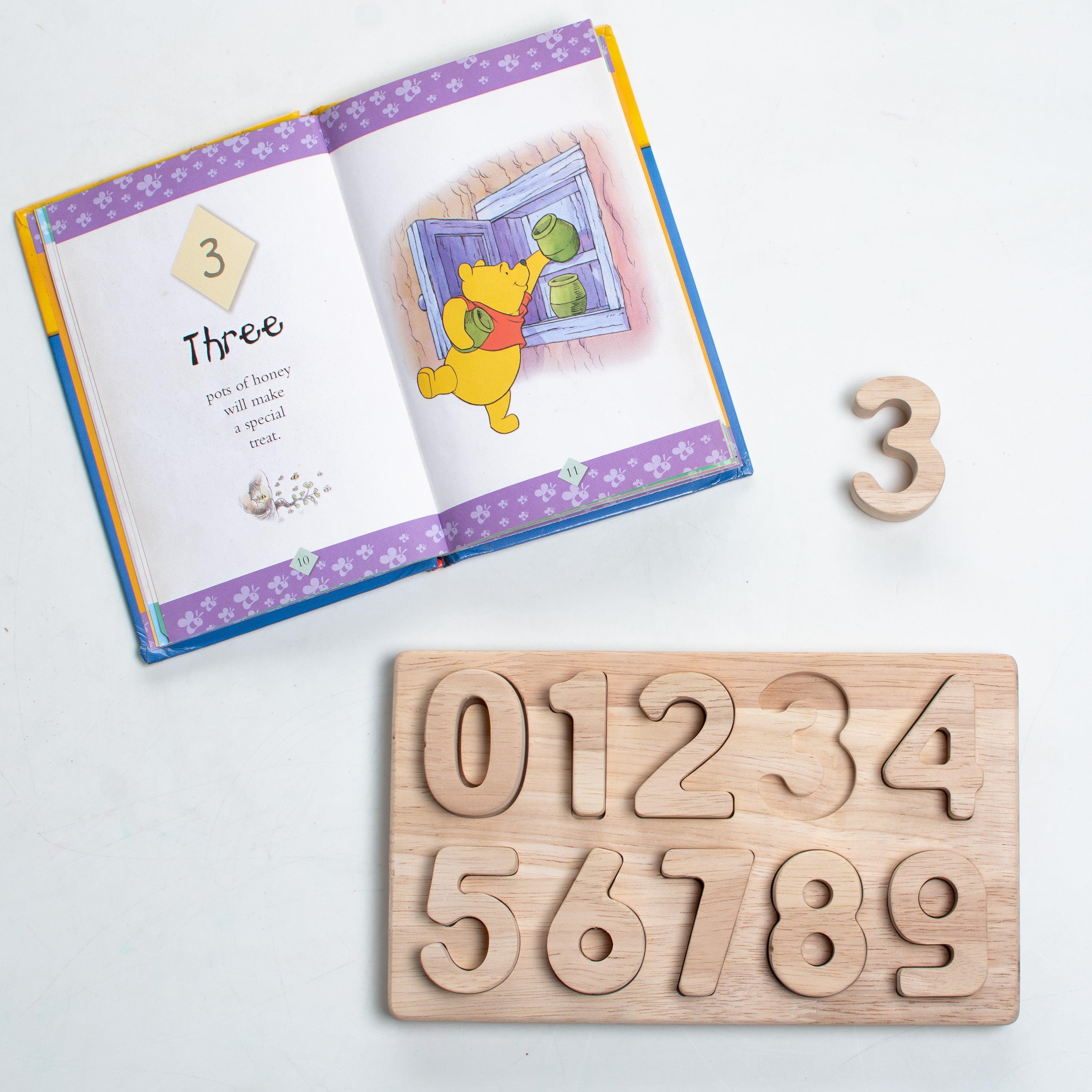
In many Indian homes, parents prefer toys that support everyday learning without needing screens, batteries, or complicated instructions. Wooden educational toys fit naturally into this environment because they are simple, durable, and designed for repeated hands-on use.
These toys are commonly used by toddlers and preschoolers who are beginning to explore early concepts like sorting, stacking, matching, and basic problem-solving. They work well in small living spaces and support both independent play and shared sibling activities.
Unlike highly structured learning tools, wooden educational toys allow children to learn at their own pace through exploration. The focus is on repeated interaction, discovery, and skill development through play.
How Wooden Educational Toys Support Early Learning
Parents often choose wooden educational toys because they bring together multiple early learning experiences in one category. Instead of focusing on a single method or subject, they support general skill-building across everyday play.
These toys are designed to help children:
- Develop hand-eye coordination through stacking and placement activities
- Understand basic patterns and sequences through sorting and matching
- Build concentration through repeated, calm play sessions
- Strengthen problem-solving skills through trial and error
- Improve fine motor control through grasping and manipulation
Because they are open-ended in nature, children often return to the same toy in different ways as they grow.
Everyday Play in Indian Homes
In many Indian households, wooden educational toys are placed on low shelves or in small baskets so children can access them freely.
A parent in Bengaluru shared that keeping a set of wooden learning toys within reach helped her child develop a habit of independent play during the afternoon routine. In Pune, another family rotates a small set of stacking and sorting toys across the week to maintain curiosity without overwhelming the child with too many options.
Teachers in early learning environments also use similar toys during quiet activity time, where children work individually or in small groups.
Wooden Alphabet Blocks for Early Exposure
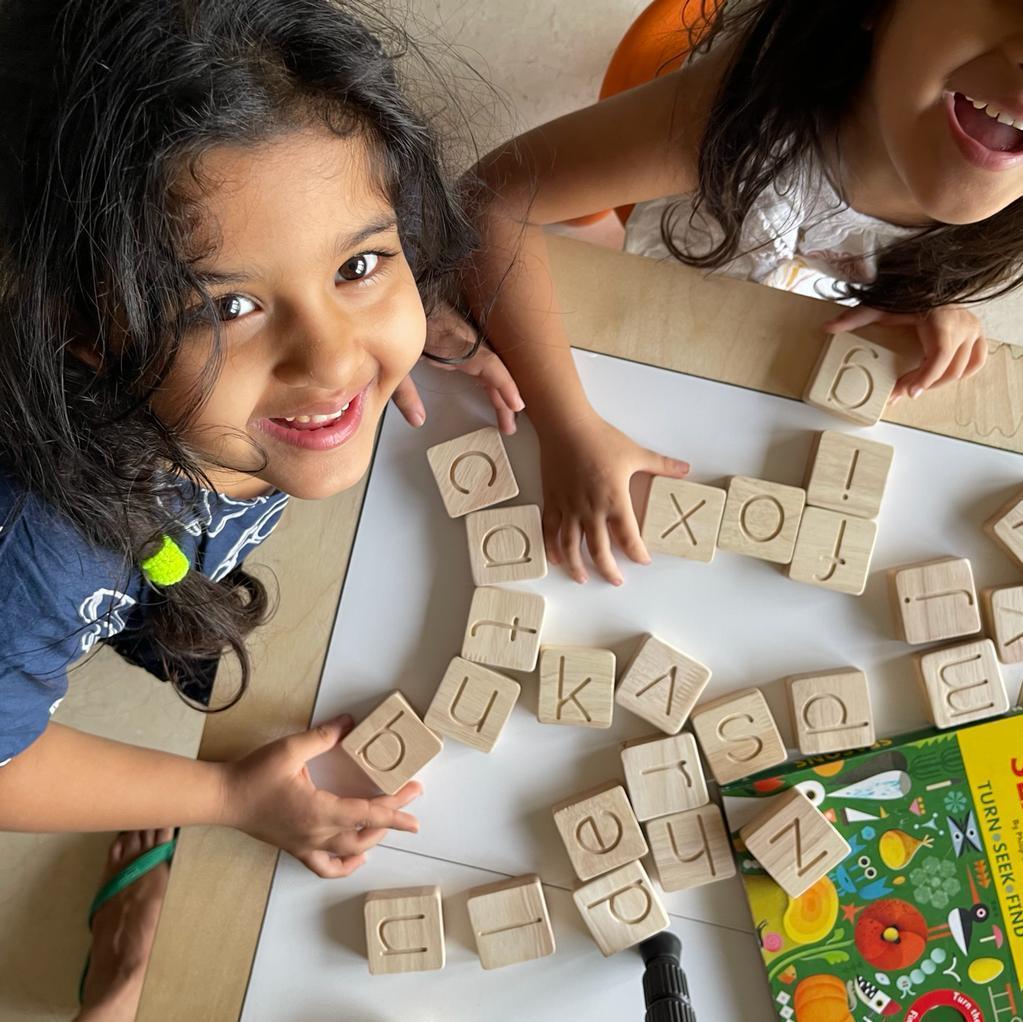
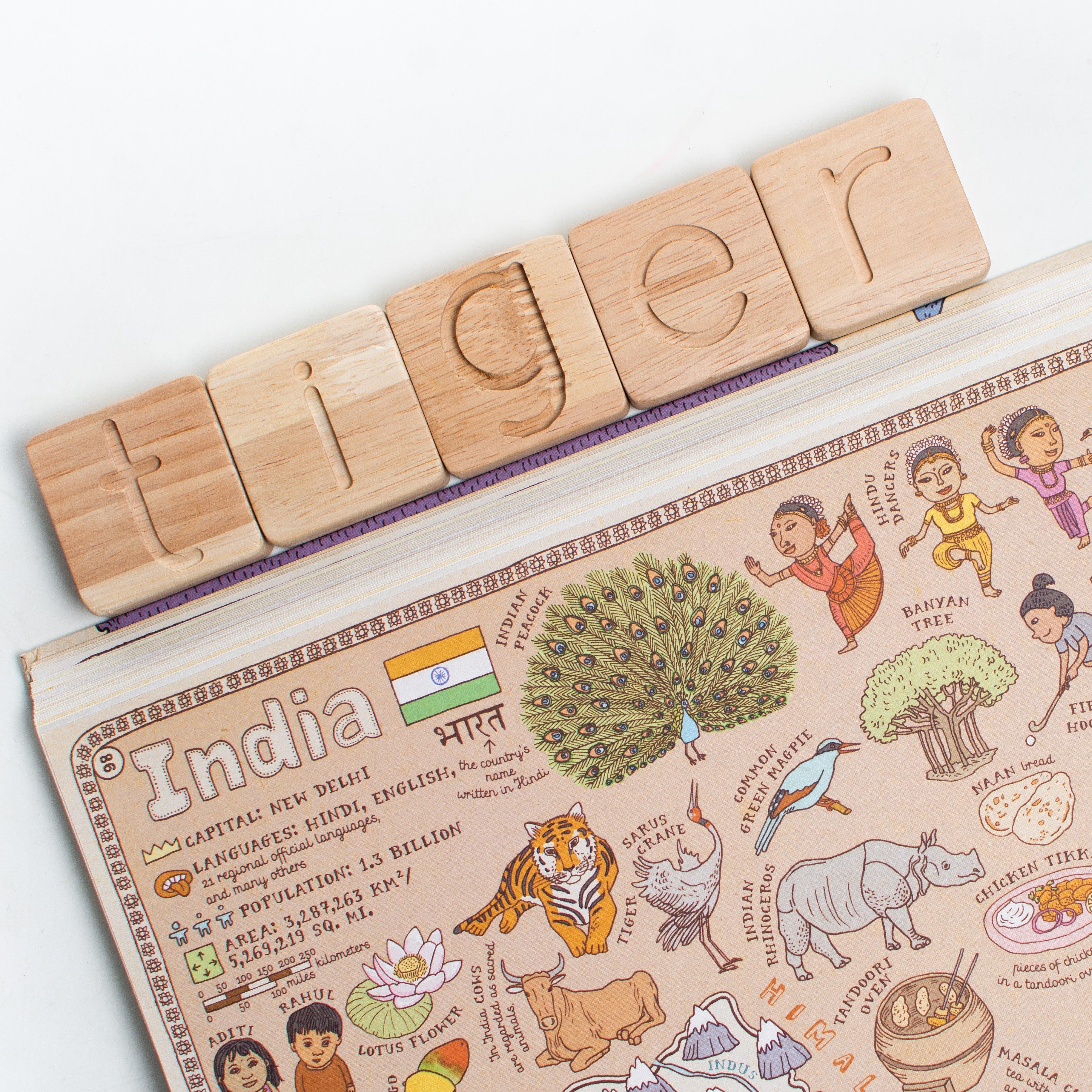
Wooden alphabet blocks are often one of the first introductions to structured learning through play. Children may use them for stacking, recognizing shapes, or simply exploring letters in a tactile way.
These blocks support early familiarity with symbols and patterns without turning the experience into formal instruction. They can also be combined with other wooden educational toys for varied play sessions.
Explore related learning tools here:
Wooden Alphabet Blocks
Puzzles and Sorting Activities
Wooden puzzles and sorting sets are commonly used to introduce logical thinking in a simple and engaging way. Children learn through trial, adjustment, and repetition.
Shape sorters, matching boards, and basic puzzle sets help children understand spatial relationships and improve focus. These activities are often revisited many times, which strengthens retention through repetition.
Related collections:
Wooden Puzzle Toys
Wooden Stacking Toys
Building and Construction Play
Wooden blocks and construction-style toys support open-ended building activities where there is no single correct outcome. Children may create towers, bridges, or simple structures using imagination and balance.
This type of play encourages experimentation and helps children understand cause and effect in a natural way.
Explore related sets:
Wooden Blocks Toys
Wooden Educational Toys
Montessori-Style Overlap (Clearly Separated Use)
While wooden educational toys may look similar to Montessori materials, the focus here is broader and not method-specific.
Montessori toys are typically designed around structured self-learning principles, while wooden educational toys focus on general skill development through open-ended play.
For method-specific learning tools, explore:
Wooden Montessori Toys
STEM and Concept-Based Learning Support
Some wooden educational toys also introduce early exposure to STEM-related thinking such as logic, sequencing, and basic reasoning. However, they are not designed as formal science kits.
Instead, they act as an introduction to structured thinking through simple play patterns.
For deeper STEM-focused learning:
STEM Toys for Kids
How Parents Use These Toys Effectively
Most families integrate wooden educational toys into daily routines rather than structured lessons. A few simple practices are commonly followed:
- Keep a small selection accessible instead of offering everything at once
- Rotate toys weekly to maintain interest and curiosity
- Combine different types such as puzzles, blocks, and sorting sets
- Encourage independent exploration without step-by-step instructions
- Allow repeated use, even if the child returns to the same activity daily
This approach supports long-term engagement instead of short bursts of attention.
Related Collections
To build a balanced learning environment, many parents also explore:
- Wooden Toys for Kids
- Educational Toys for Kids
- Wooden Learning Toys
- Wooden Montessori Toys
- Wooden Puzzle Toys
- Wooden Alphabet Blocks
FAQs
What age are wooden educational toys suitable for?
They are generally suitable for toddlers and preschoolers, typically between 1 and 5 years, depending on the type of activity and complexity.
Are wooden educational toys safe for daily use?
Yes, they are designed for regular use with smooth finishes and child-safe materials, making them suitable for supervised play.
Do these toys replace formal learning tools?
No, they support early learning through play but are not a replacement for structured education or curriculum-based learning.
How many toys should be given at once?
It is usually better to offer a small set of toys at a time and rotate them regularly to maintain interest and focus.