Filters
7 products
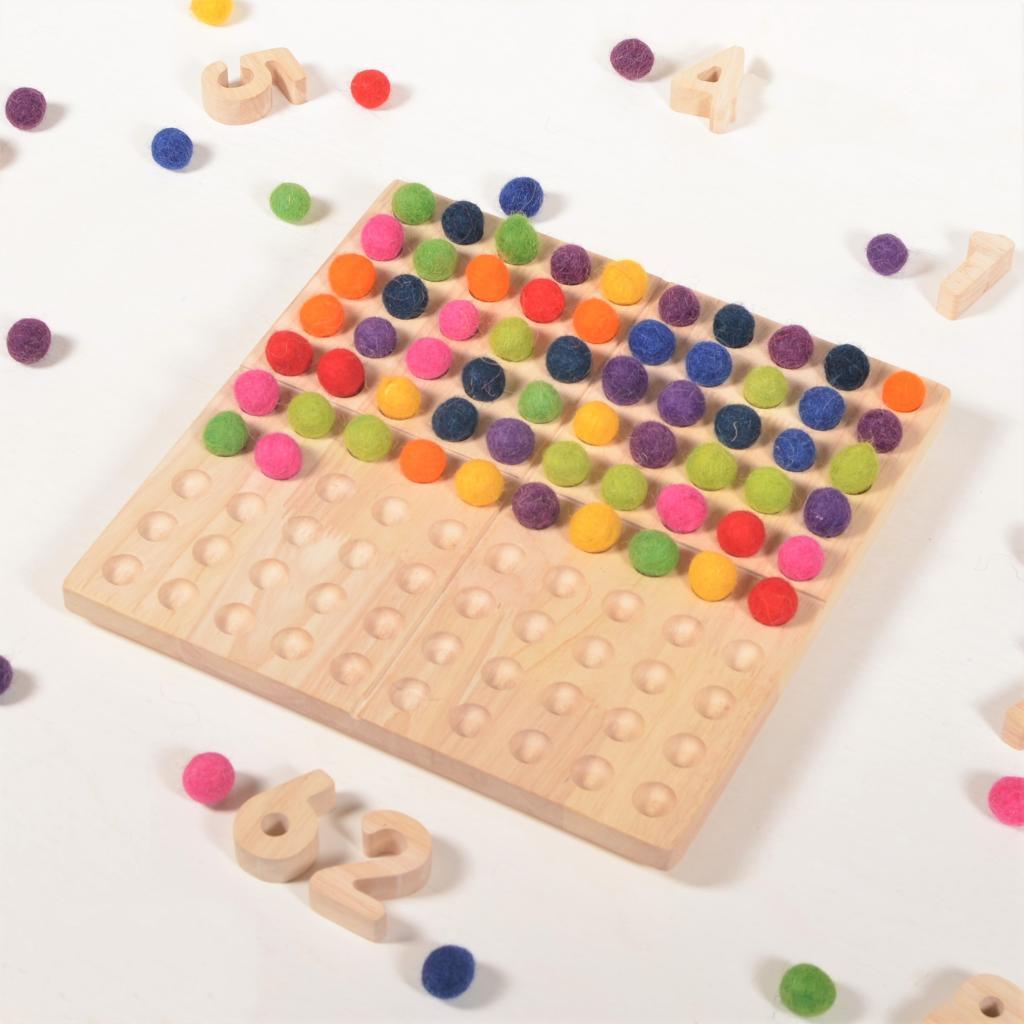
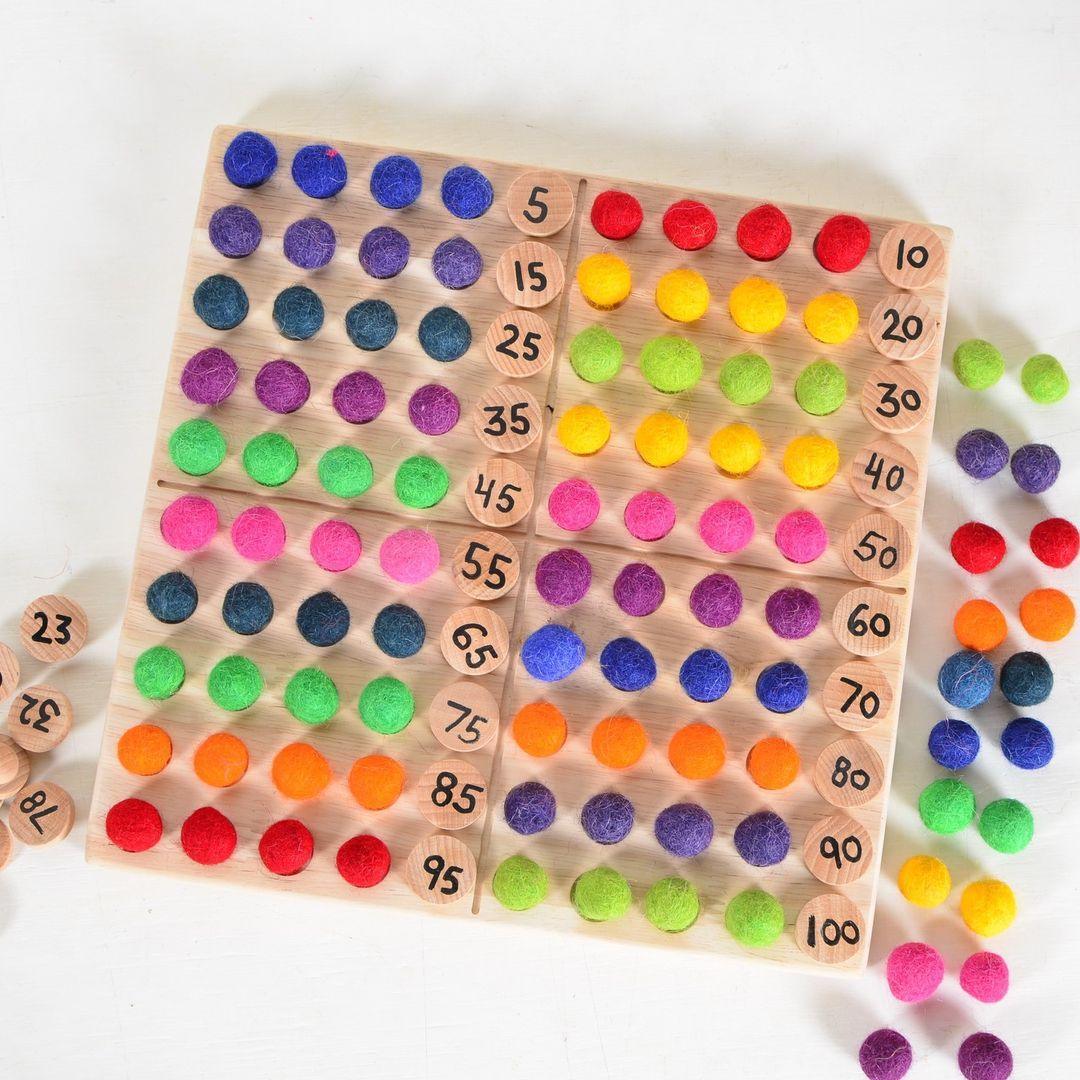
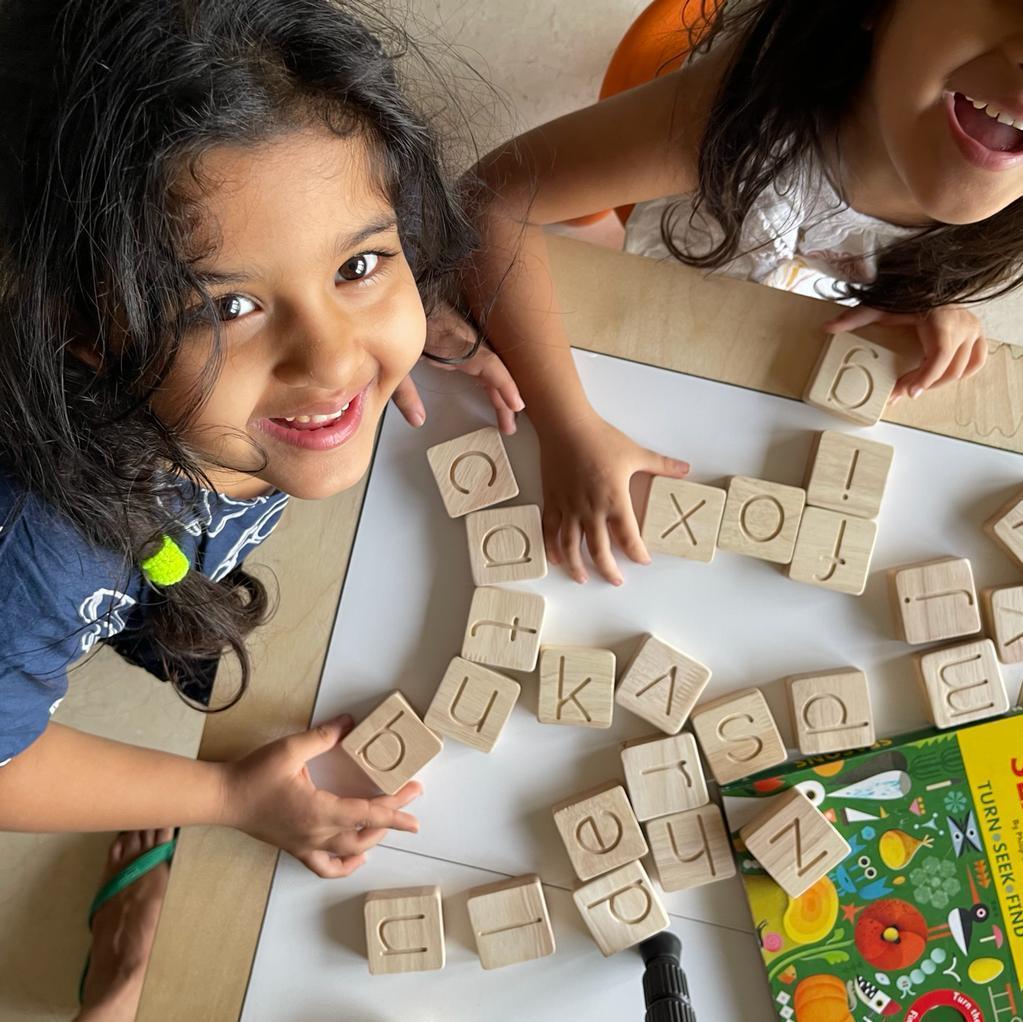
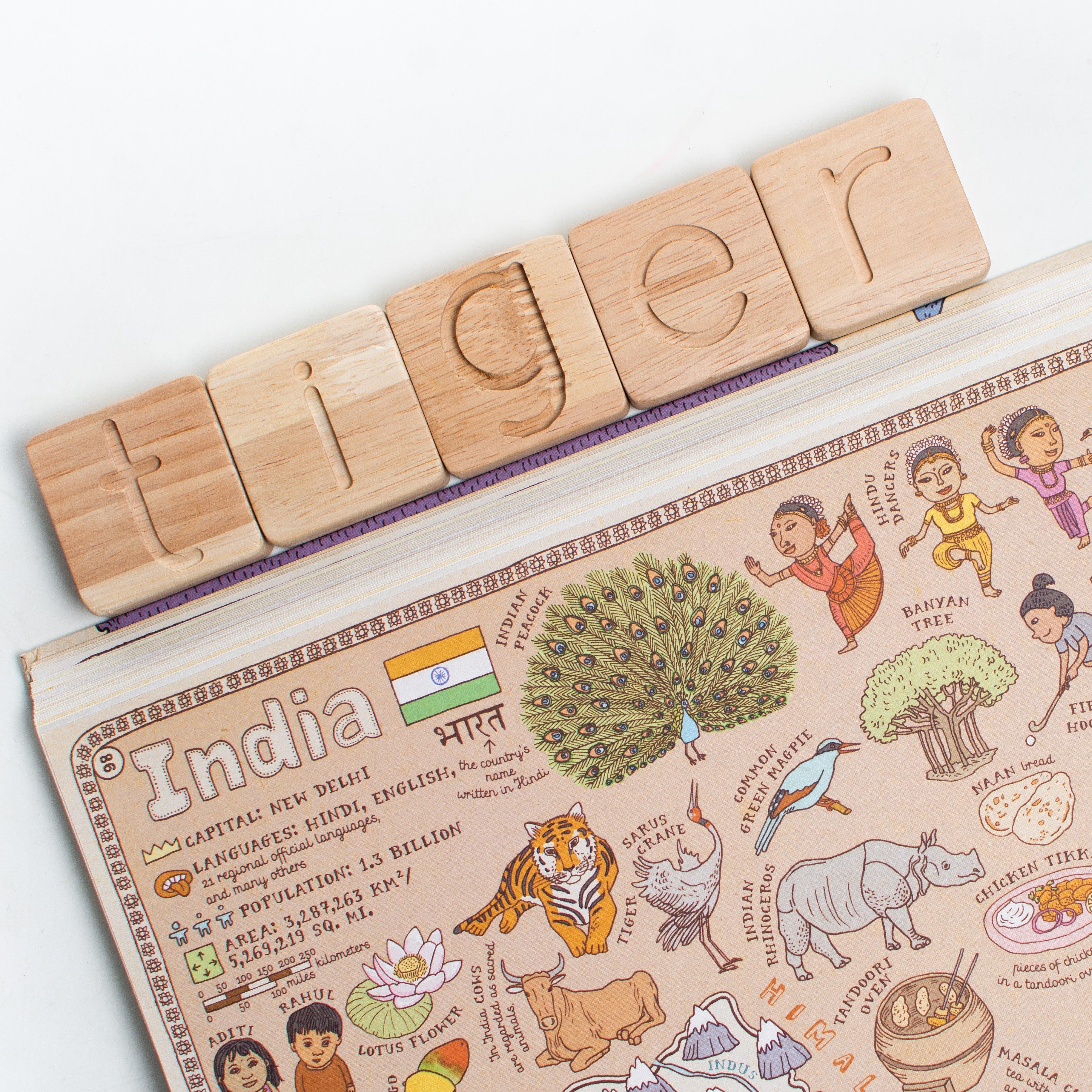
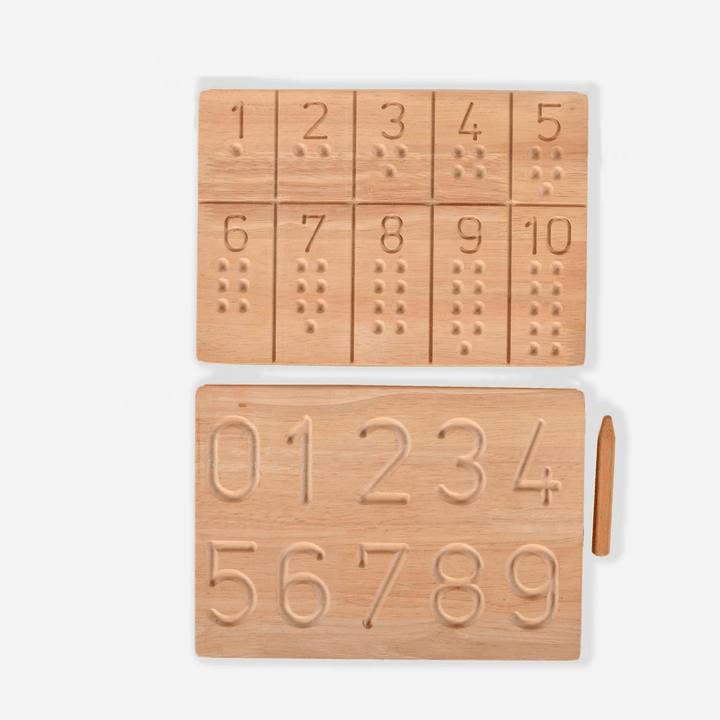
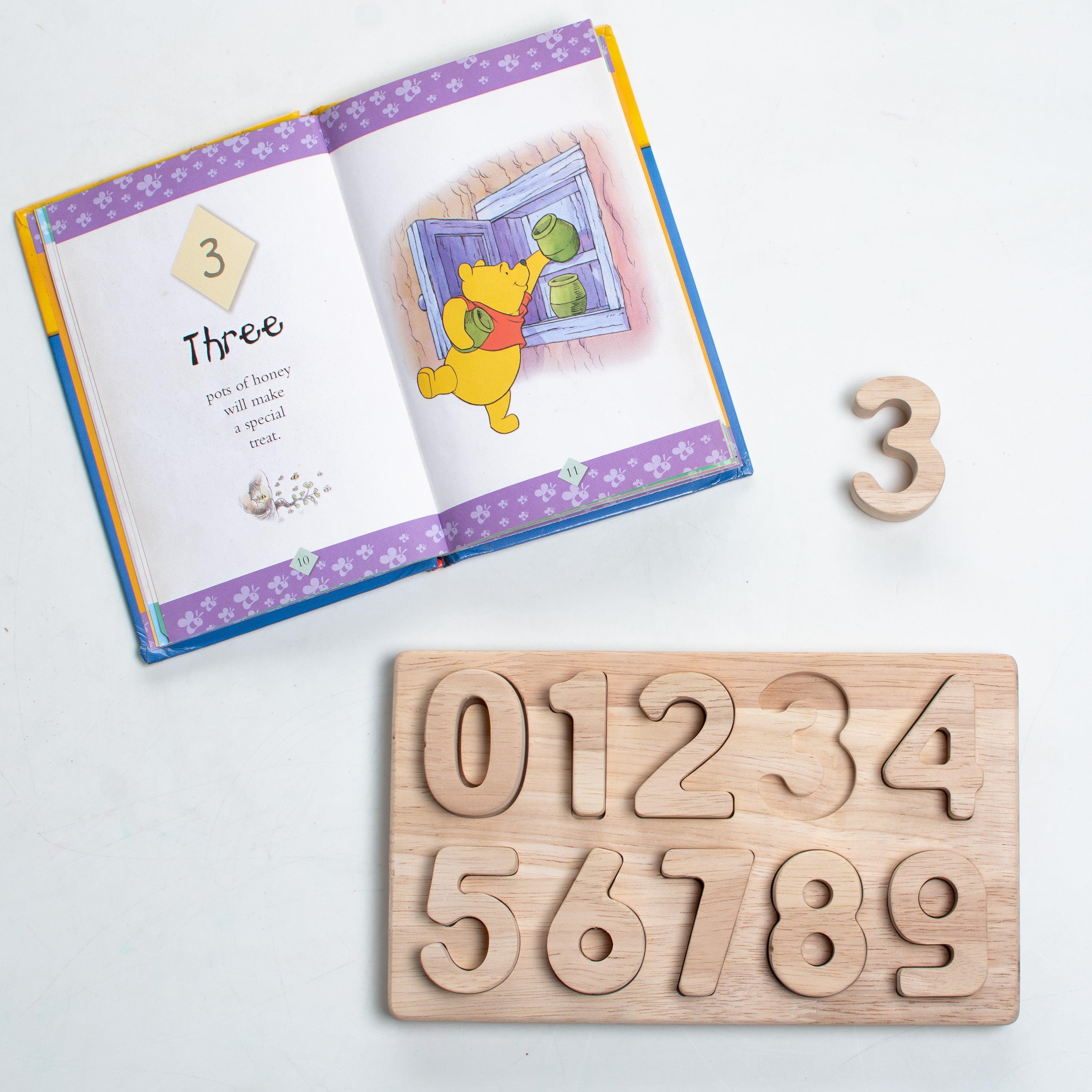

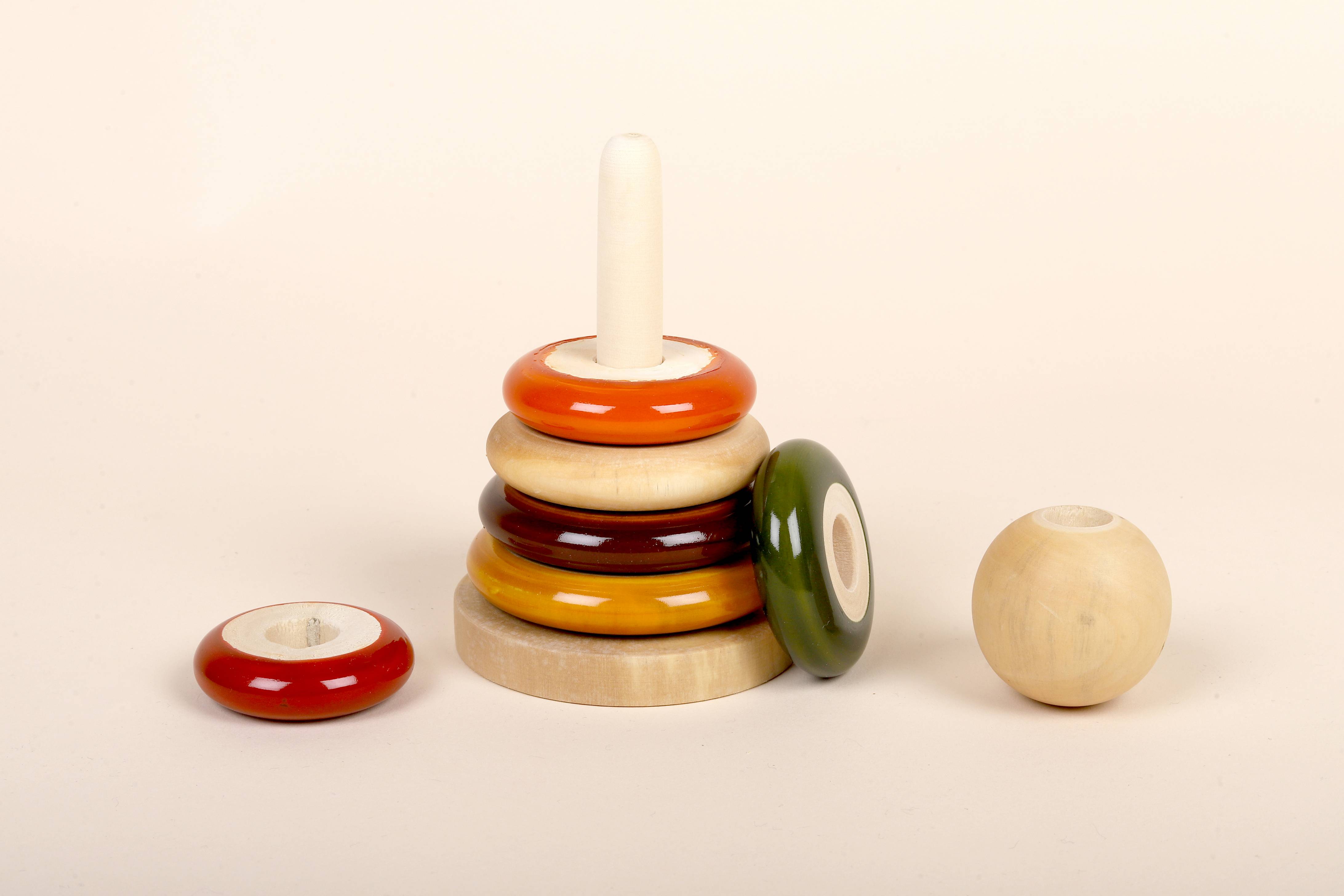


Wooden Montessori Toys for Toddlers and Preschoolers
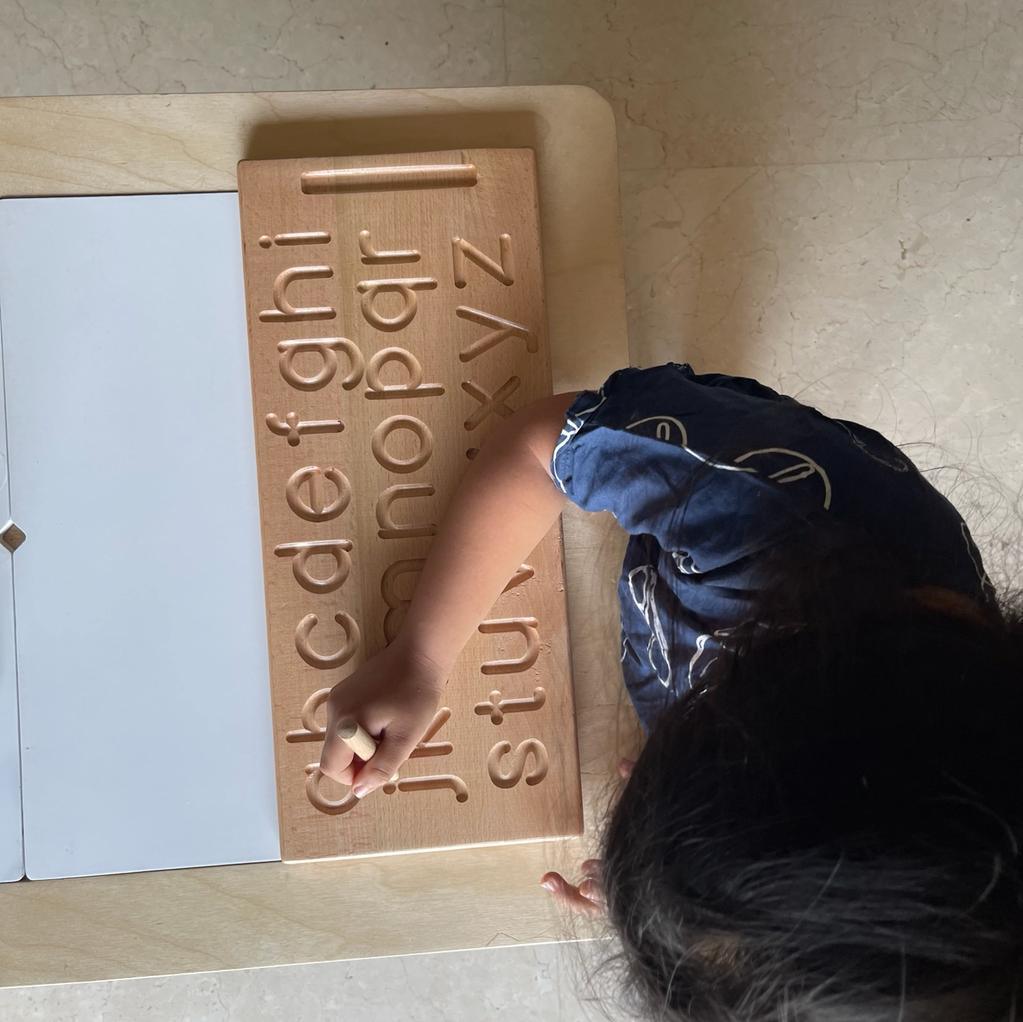
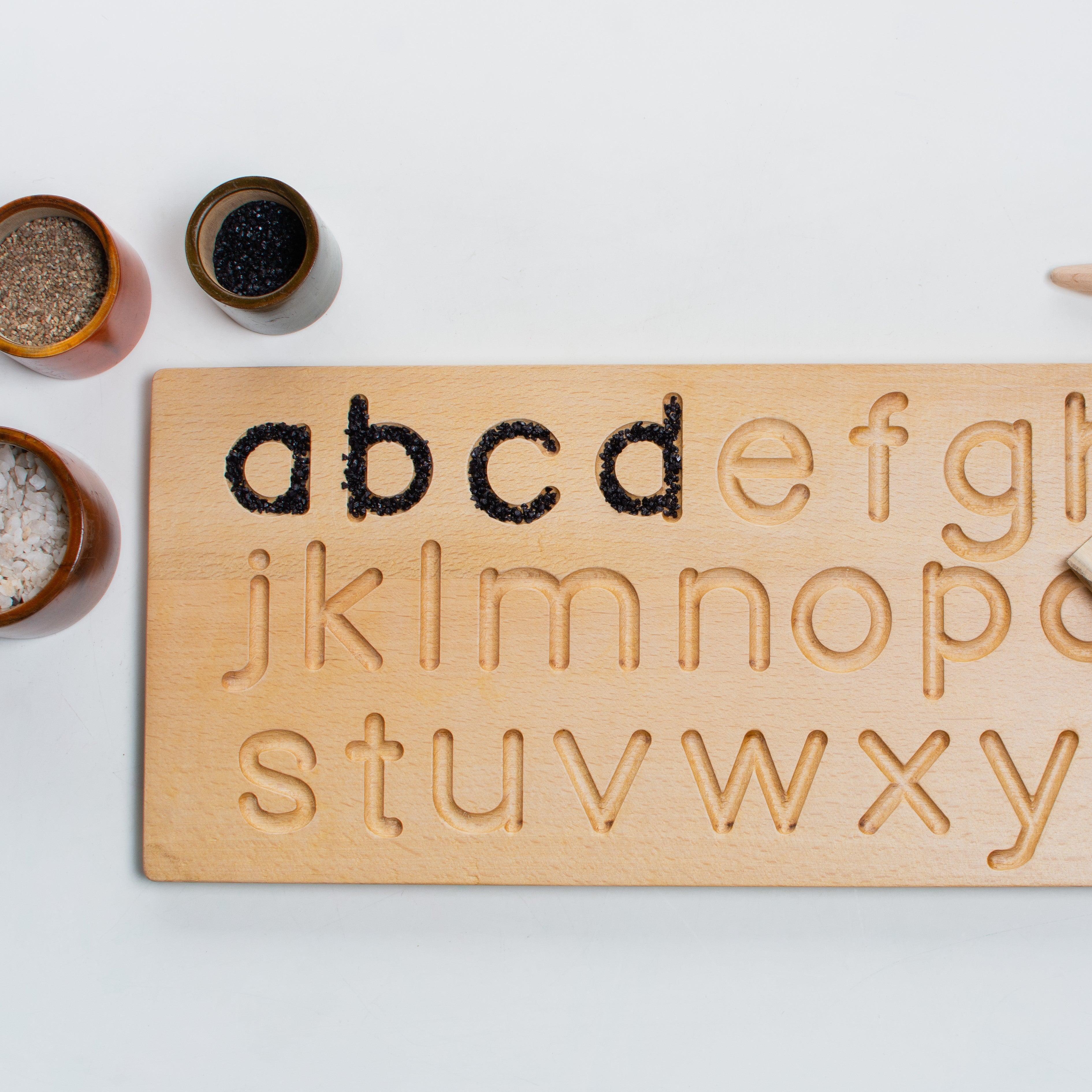
In many Indian homes, parents look for toys that support calm, focused, and independent play within everyday routines. Wooden Montessori toys are often chosen because they are simple, purposeful, and designed to let children explore at their own pace.
These toys are especially suited for toddlers and preschoolers who are developing independence, coordination, and early decision-making skills. Instead of guided instructions or fixed outcomes, they encourage children to learn by doing, repeating, and discovering patterns on their own.
Within a home setup, they fit naturally into small spaces, often placed on low shelves so children can choose what to play with independently.
What Makes Wooden Montessori Toys Different
Wooden Montessori toys are based on the idea of self-directed learning through hands-on exploration. Unlike general educational toys, they are intentionally minimal so that the child focuses on the activity rather than distractions.
They are commonly used for:
- Independent play without adult direction
- Repetition-based learning for skill mastery
- Calm, focused engagement
- Real-world learning through simple activities
Parents often notice that children spend longer periods with these toys because there is no single “correct” way to play with them.
Real-Life Use in Indian Homes
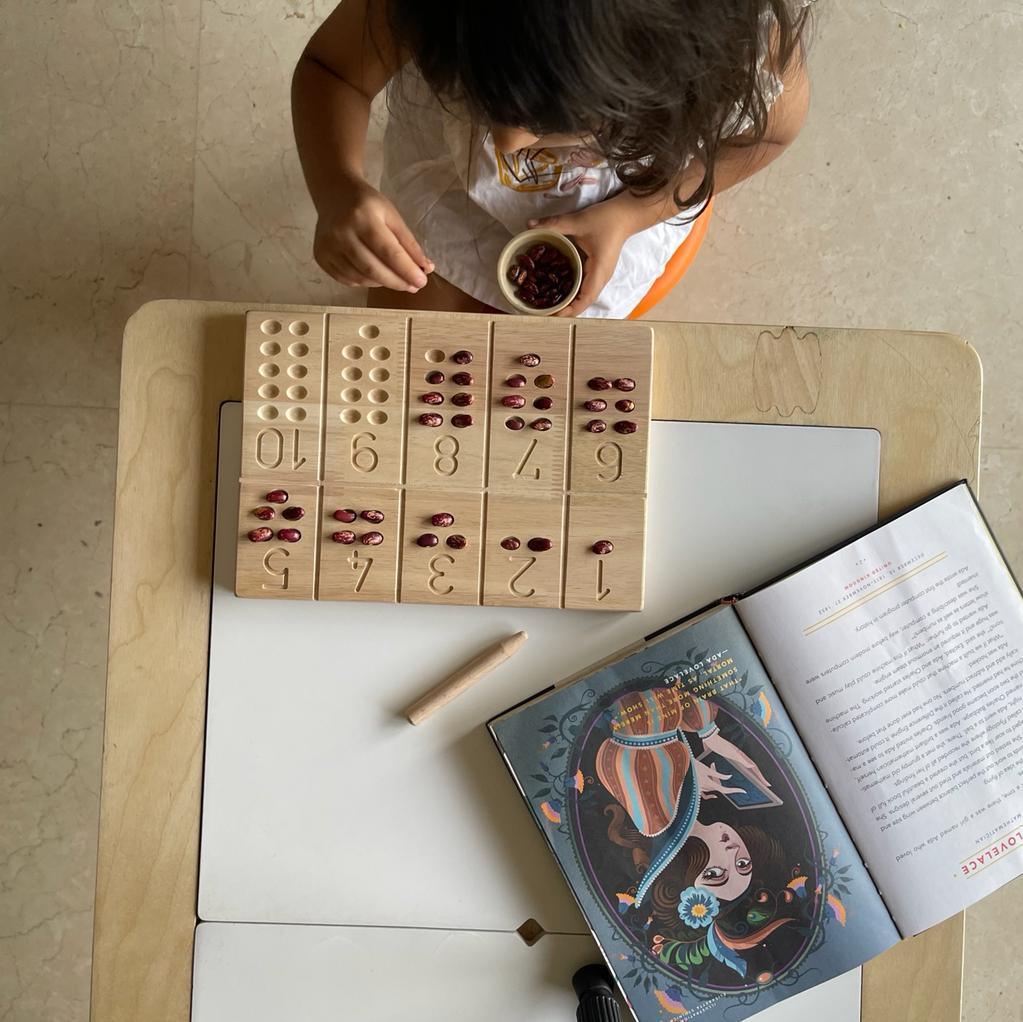
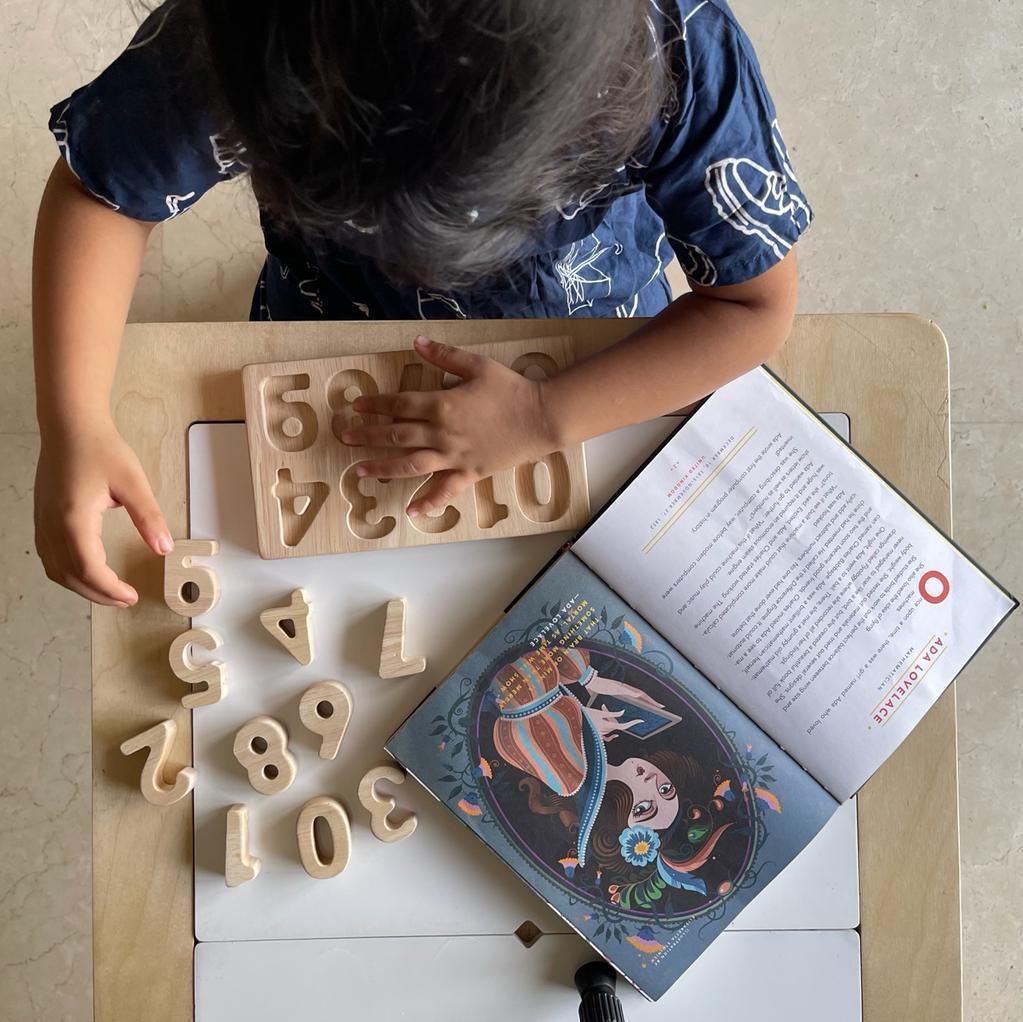
In Mumbai, a parent shared that keeping a small Montessori tray with stacking and sorting toys helped her child settle into quiet play after preschool. In Bengaluru, another family rotates a few wooden activity sets across the week so the child stays engaged without overstimulation.
Teachers in early learning spaces also use similar materials during focused activity time, where children work individually and choose tasks independently.
These toys naturally support routines that balance structure with freedom.
Wooden Stacking and Sorting Toys
Stacking and sorting activities are central to Montessori-inspired play. Children learn by arranging objects, balancing shapes, and correcting their own mistakes.
These activities support:
- Hand-eye coordination
- Spatial awareness
- Early logical thinking
- Patience through repetition
Explore related toys:
Wooden Stacking Toys
Wooden Blocks Toys
Sensory and Fine Motor Development
Many Montessori-style wooden toys are designed to support sensory exploration. Smooth textures, natural weight, and simple shapes help children develop awareness through touch and movement.
Activities like grasping, transferring objects, or fitting pieces into slots help strengthen fine motor control in a natural, non-instructive way.
Related collections:
Wooden Infant Toys
Wooden Rattles
Role of Independent Play
A key principle of Montessori-inspired play is independence. Children are encouraged to choose, repeat, and complete activities without constant instruction.
This helps develop:
- Confidence in decision-making
- Focus and concentration
- Responsibility for their own play
- Emotional calm through structured freedom
This approach works especially well in early childhood when attention spans are still developing.
Connection With Broader Wooden Play Collections
While Montessori toys follow a specific learning approach, they often overlap naturally with other wooden toy categories used in home learning environments.
Parents often combine them with:
Wooden Educational Toys for general skill development
Wooden Learning Toys for broader exploration
Wooden Toys for Kids for everyday play variety
Each category supports a different layer of development, but Montessori toys remain focused on independence and self-led learning.
How to Use Wooden Montessori Toys at Home
Parents often find that Montessori-style toys work best when the environment is simple and predictable.
Practical approaches include:
- Keeping toys accessible on low shelves
- Offering a limited number of toys at one time
- Allowing repetition without interruption
- Rotating materials weekly to maintain interest
- Avoiding over-guidance during play
This helps children build focus and confidence through natural exploration.
FAQs
What age group are Montessori wooden toys suitable for?
They are commonly used for toddlers and preschoolers, typically between 1 to 5 years, depending on the activity type.
Are Montessori toys different from educational toys?
Yes. Montessori toys focus on independence and self-directed learning, while educational toys may focus more broadly on skill development and concepts.
Can Montessori toys be used every day?
Yes, they are designed for repeated daily use and often become part of a child’s regular play routine.
How many Montessori toys should be given at once?
A small selection is ideal. Rotating toys helps maintain focus and interest.