Filters
18 products


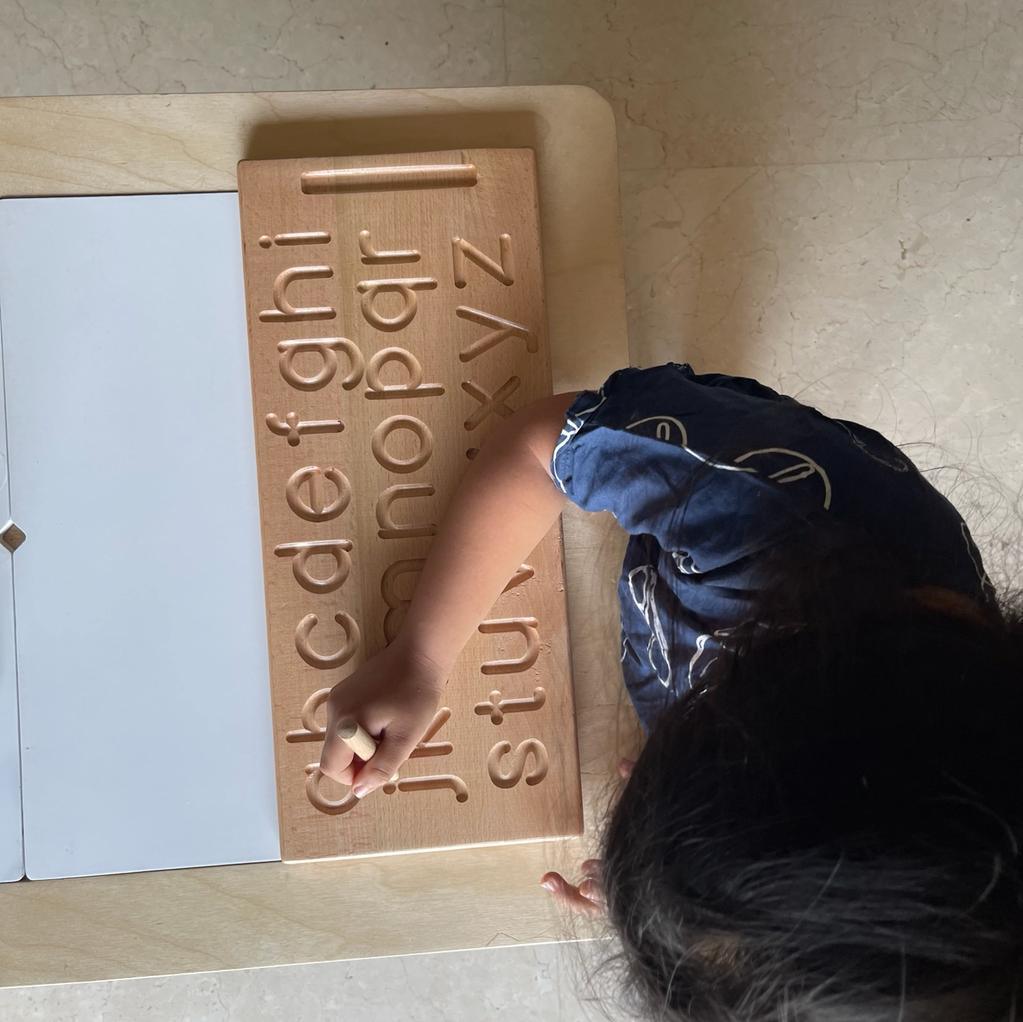
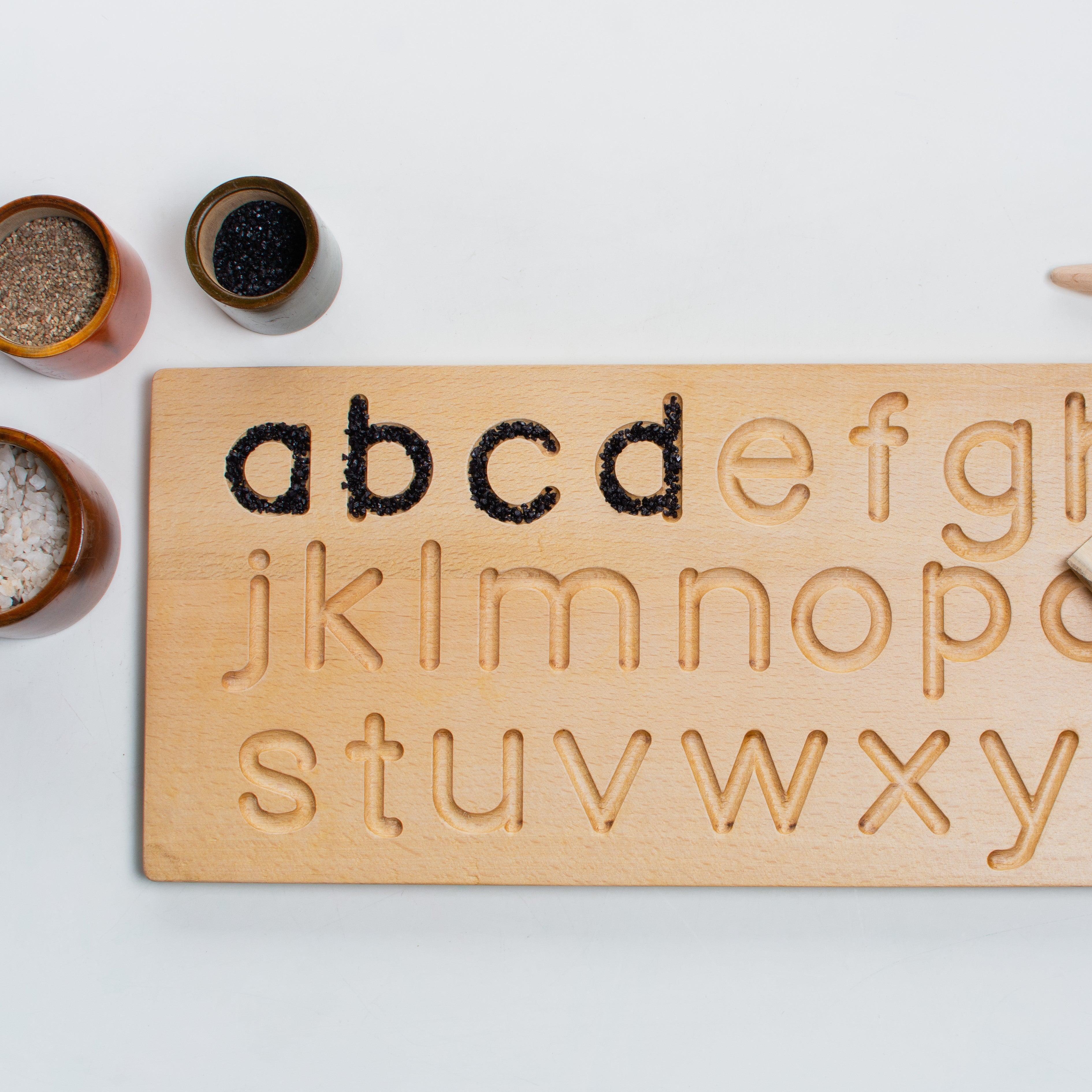
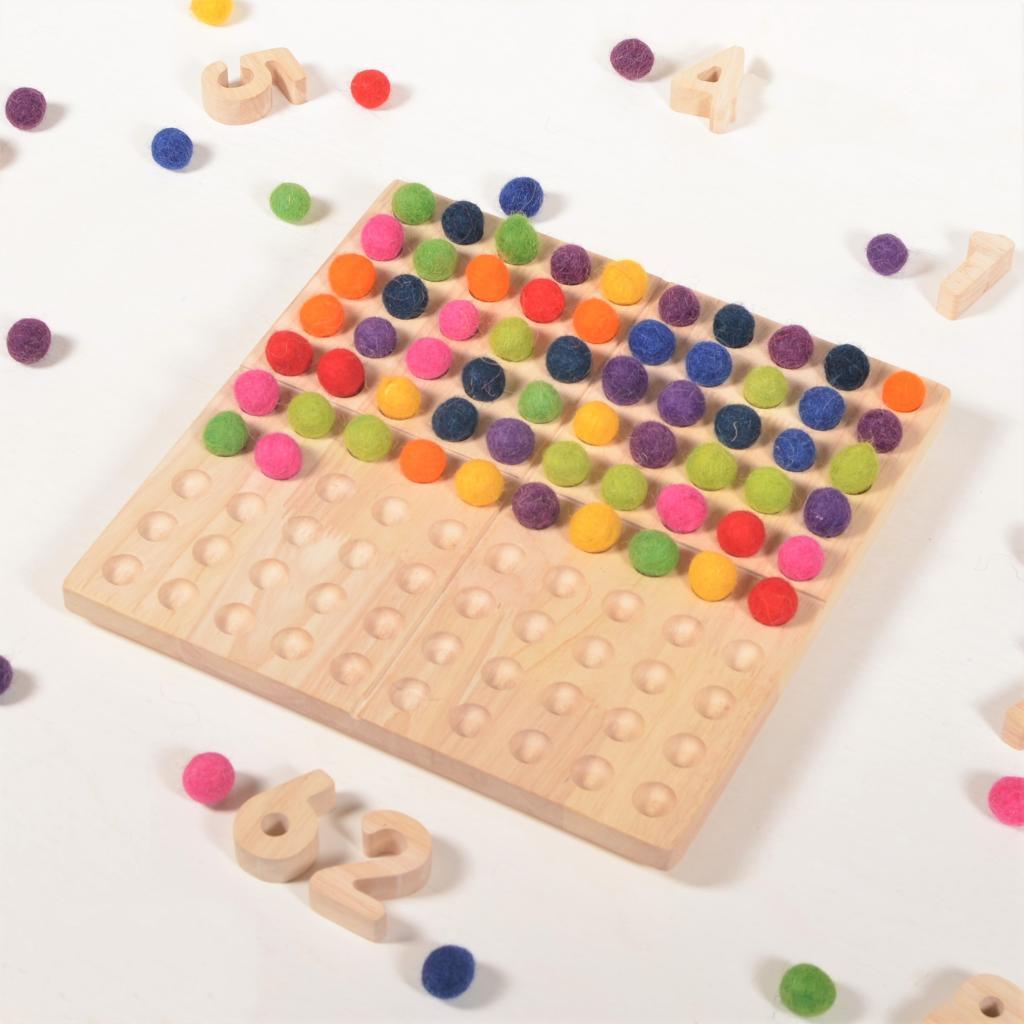
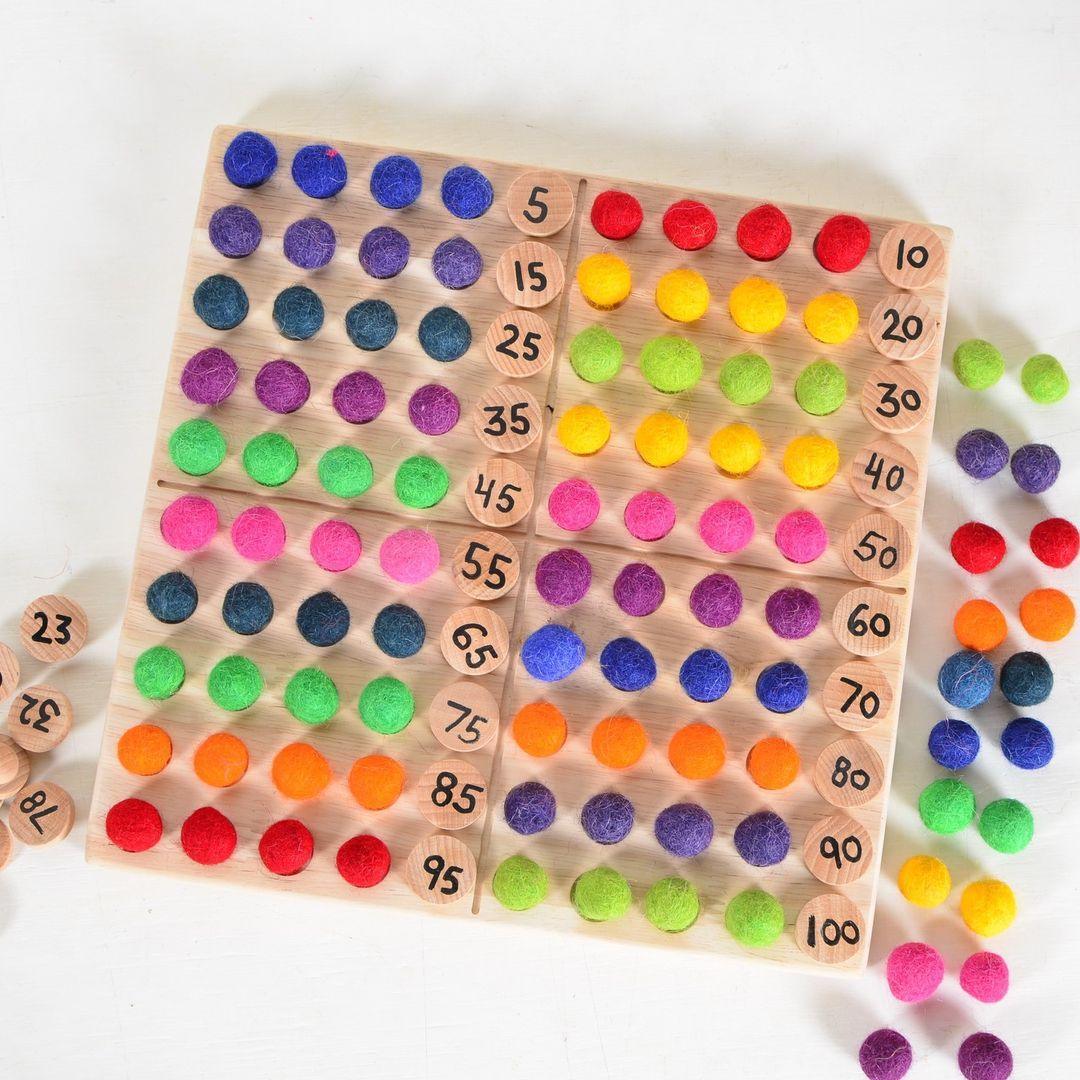





Fine Motor Skill Toys for Kids & Toddlers
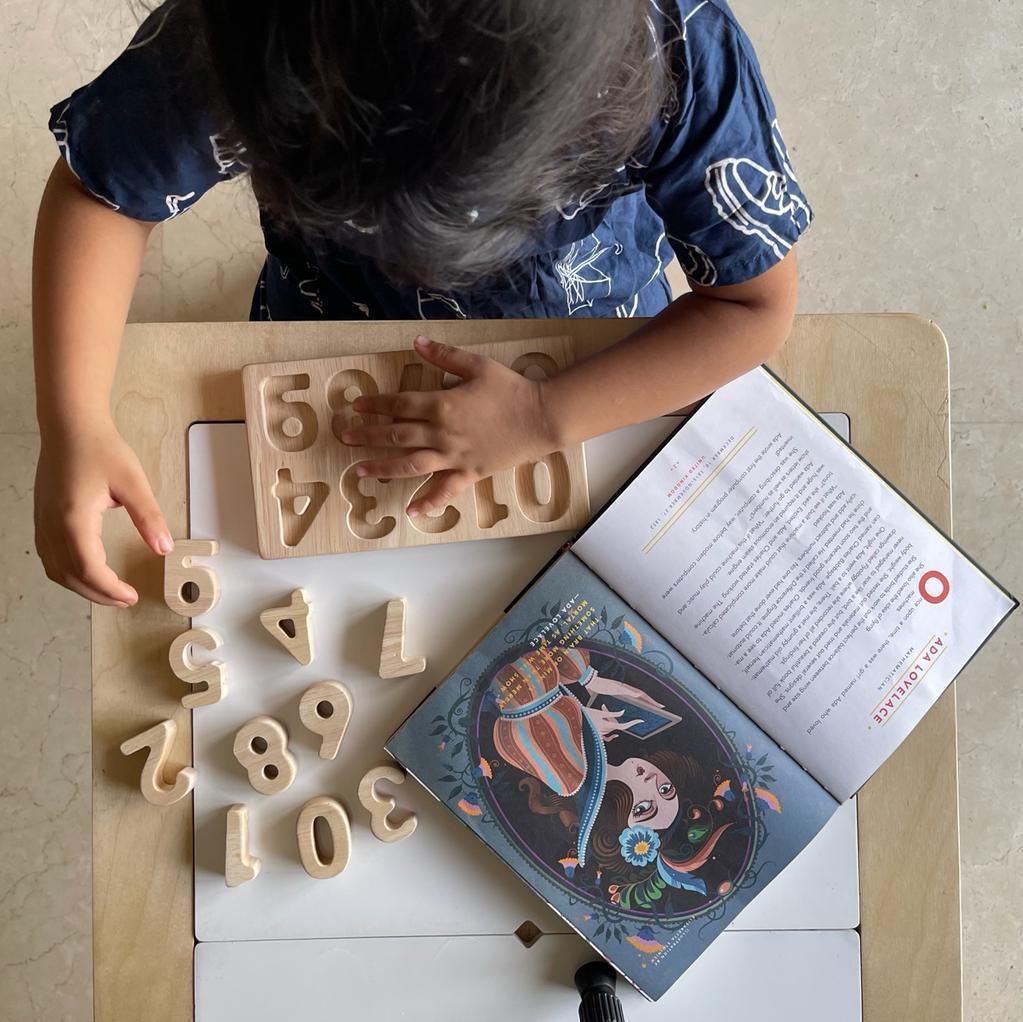
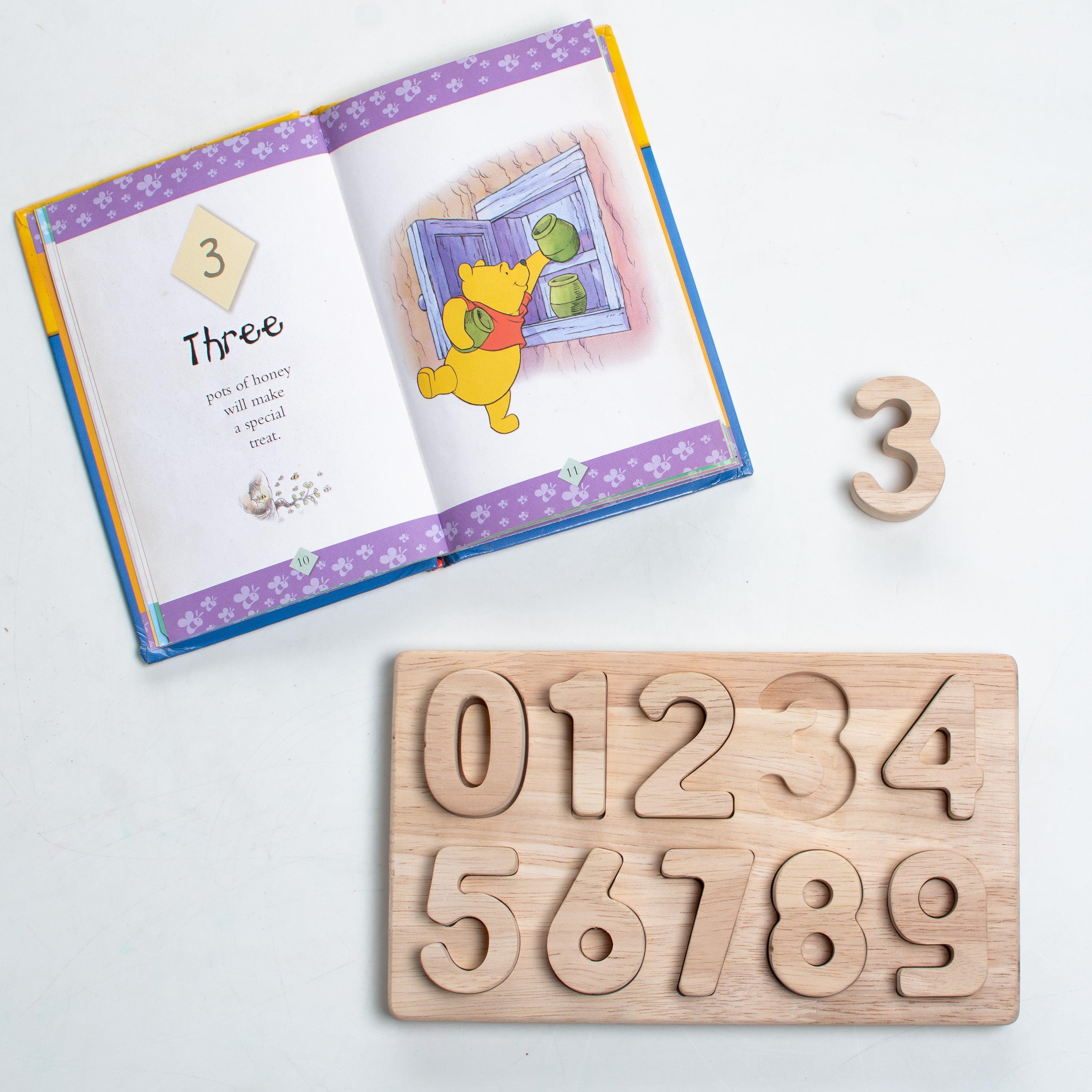
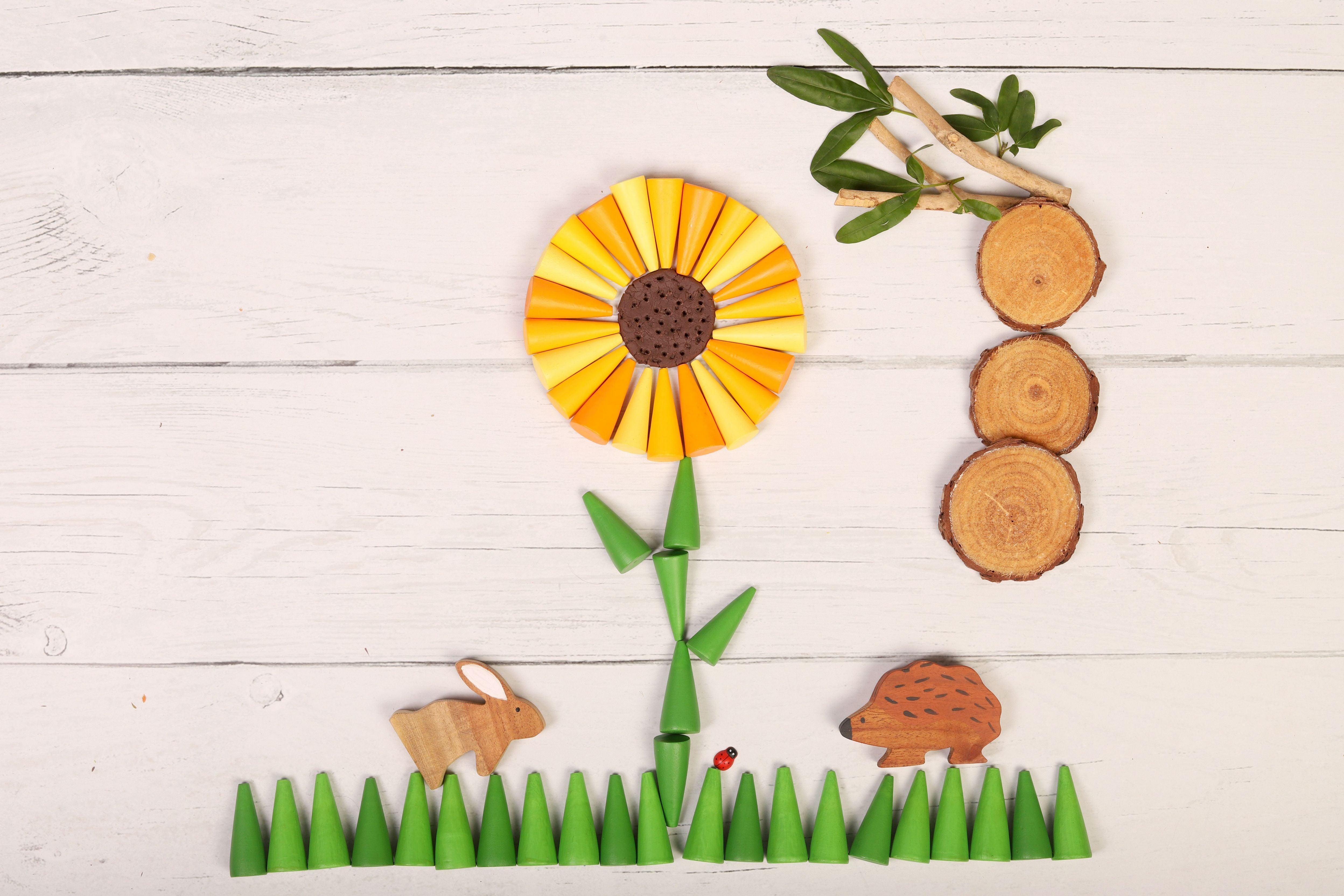
Fine motor skill toys help children build strong hands, better control, and coordination through everyday play. From squeezing play dough to stacking blocks and tracing shapes, these activities support real life skills like writing, holding objects, and self-care.
At Bombay Toy Company, this collection focuses on toys that make learning simple, engaging, and meaningful for growing children.
What Are Fine Motor Skill Toys
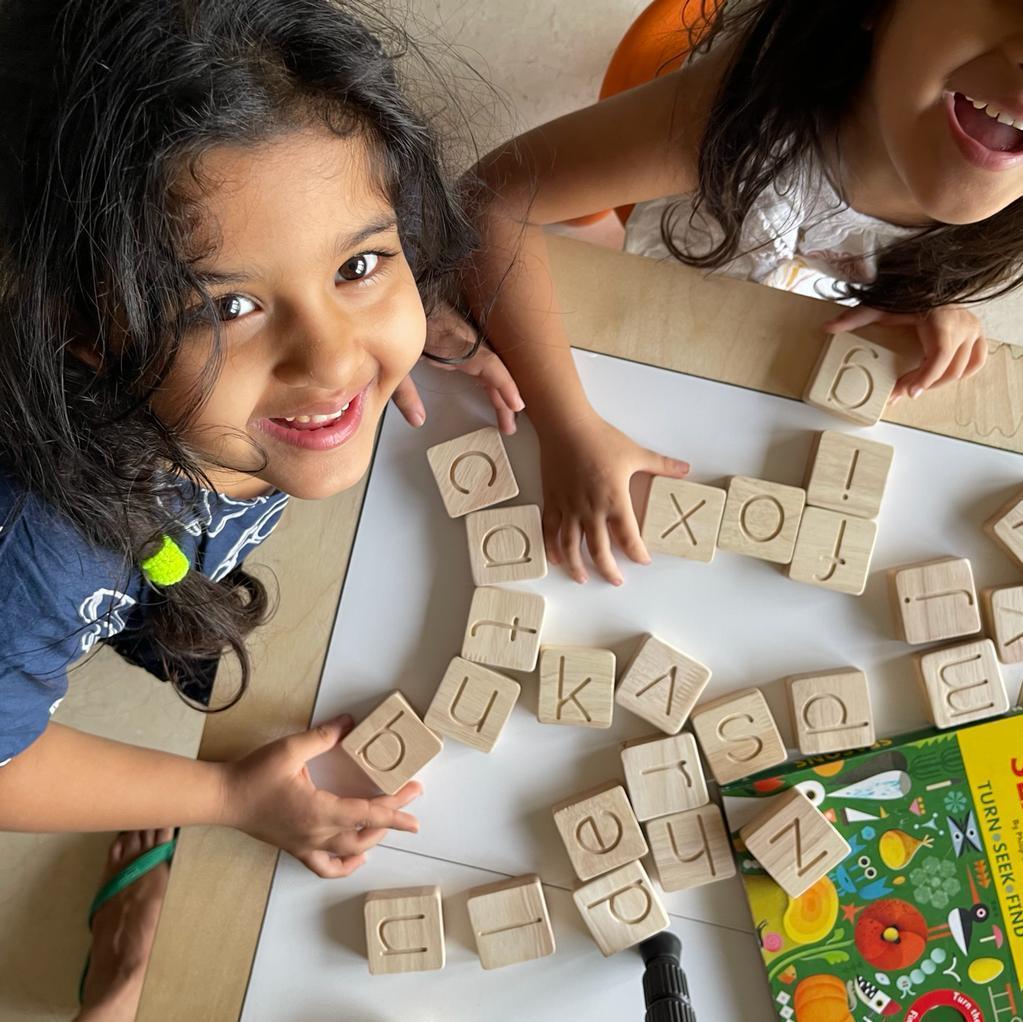
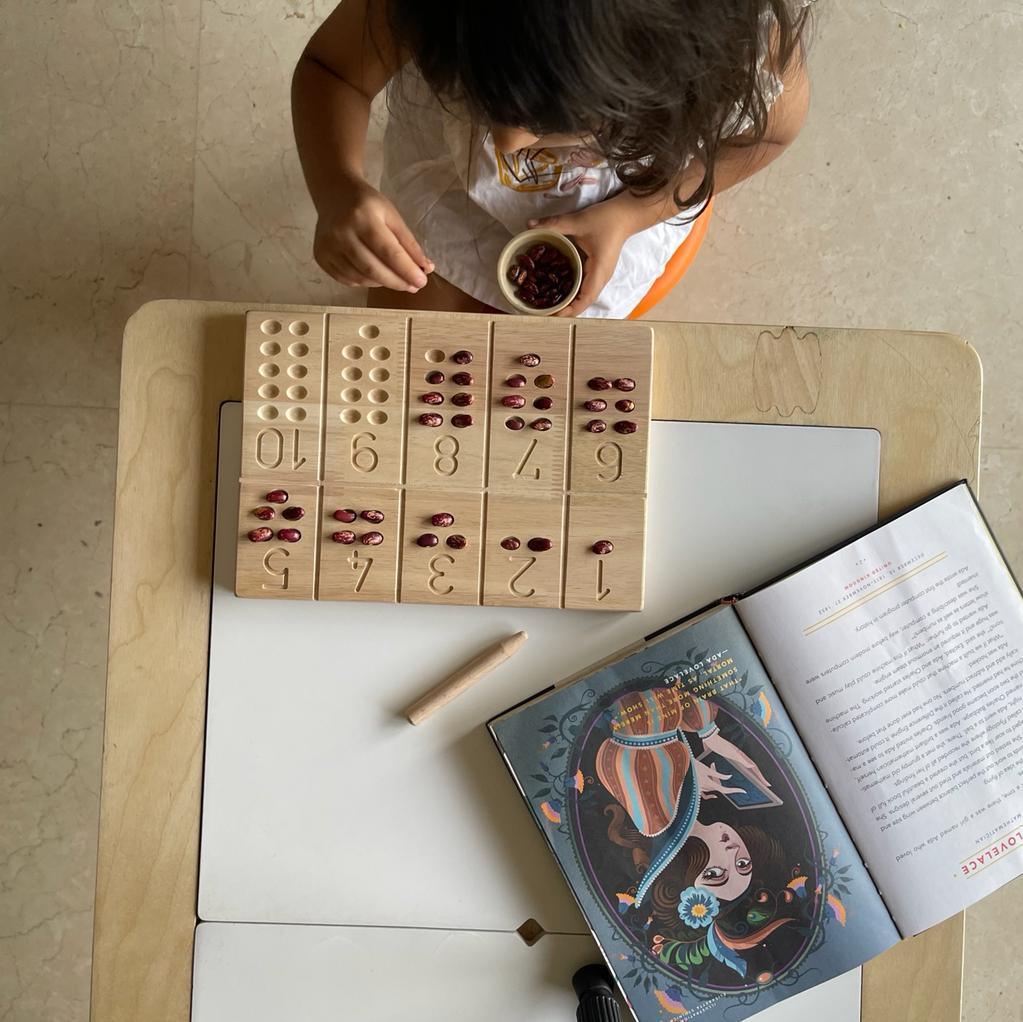
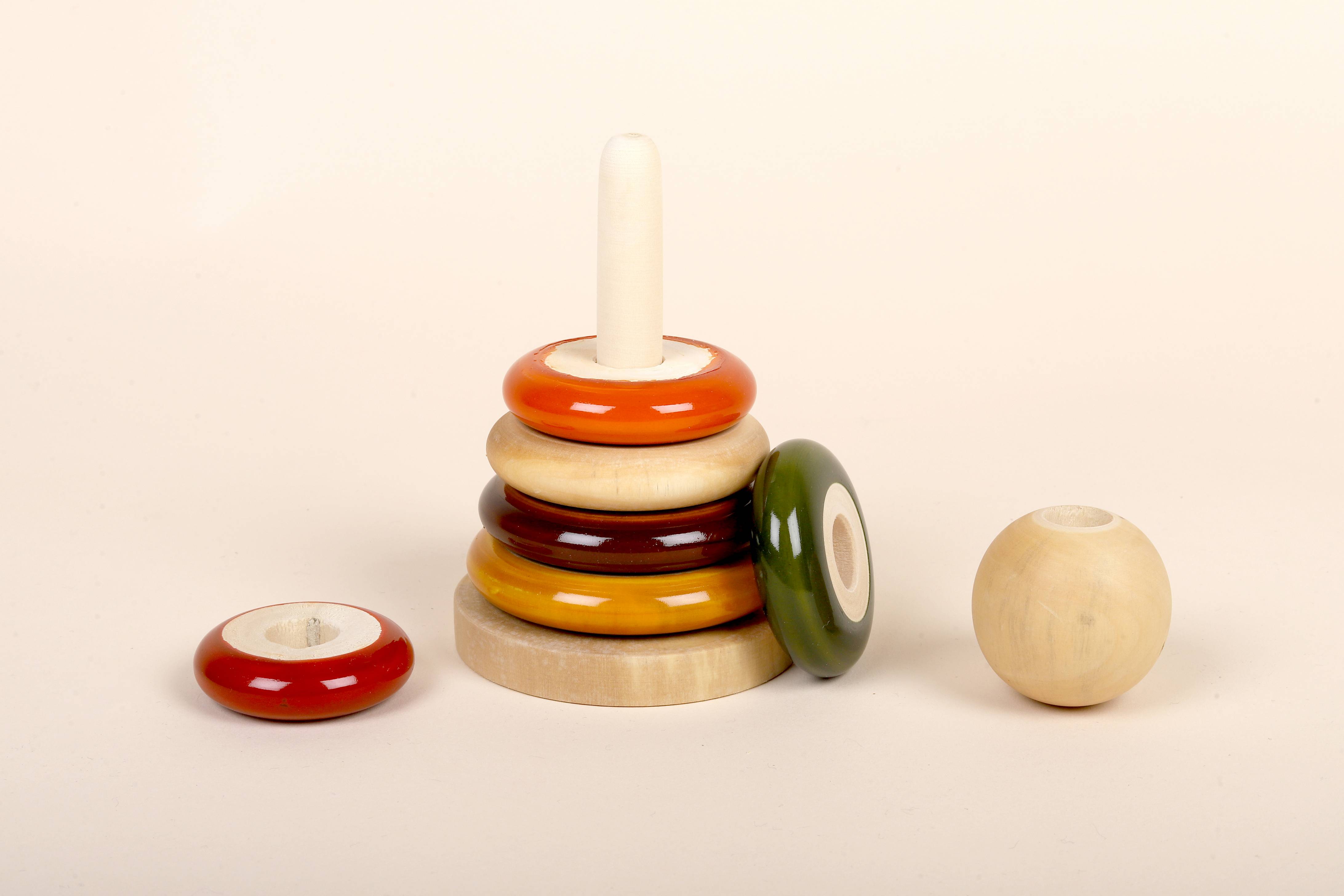
Fine motor skill toys are toys that help children use their fingers and hands in a controlled way. These toys include activities like stacking, squeezing, tracing, and placing small objects.
They are important because they prepare children for daily tasks such as writing, eating independently, and dressing themselves.
How Do Fine Motor Skill Toys Help Child Development
Fine motor toys support early development in a practical way. When children play with these toys regularly, they build finger strength, improve coordination, and develop better control over small movements. These skills are important for writing, drawing, and daily independence. For parents who want structured learning along with play, exploring Montessori toys for kids can be a great starting point as they focus on repetition and purposeful activity.
Build Strong Hands Through Play
Children learn best when they use their hands. Activities like pressing, rolling, stacking, and placing objects help improve strength and coordination over time. Hands-on play also keeps children engaged for longer periods compared to passive toys. If your child enjoys touch-based activities, you can combine this with sensory play toys for kids which naturally encourage squeezing, pressing, and shaping movements.
Which Toys Improve Fine Motor Skills the Most
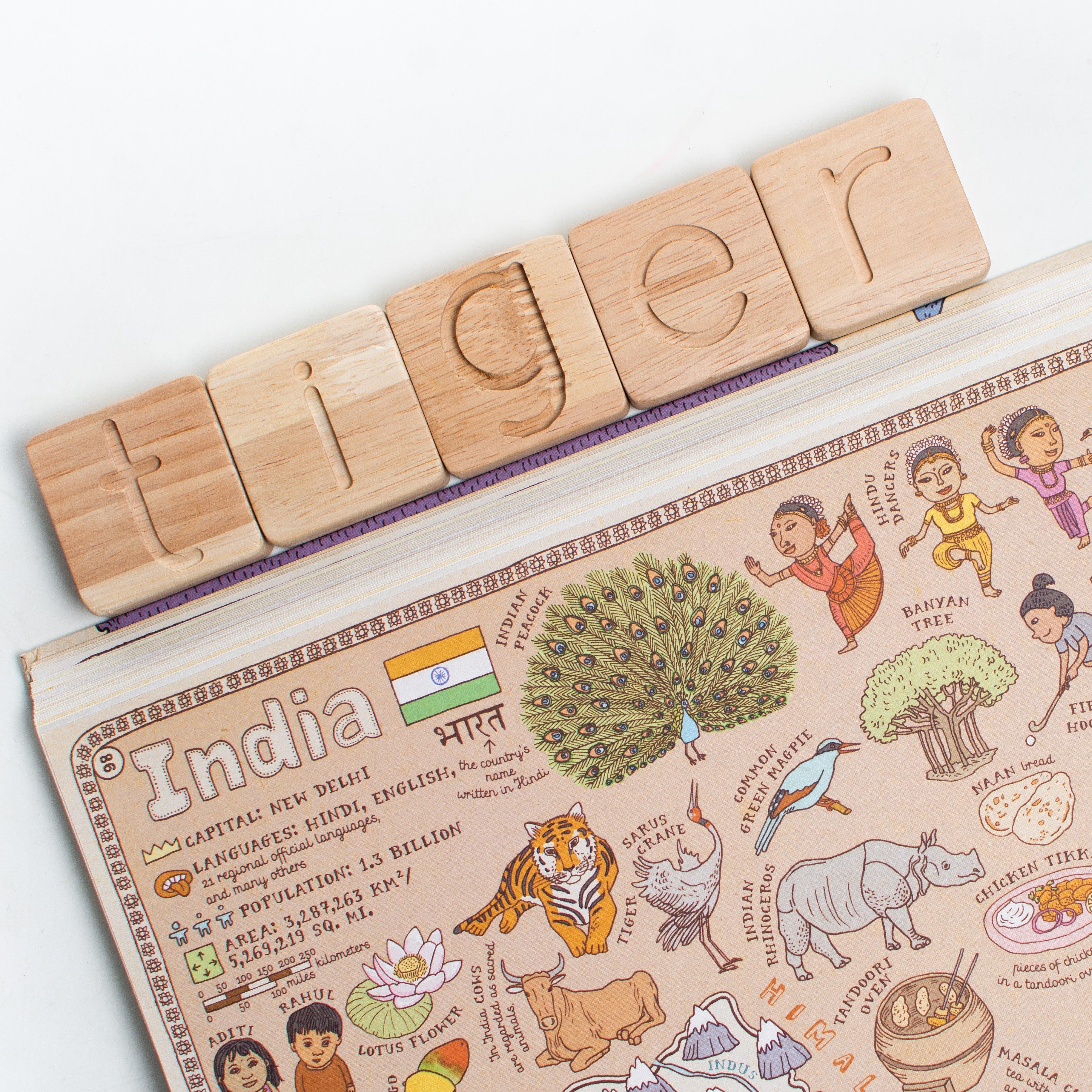
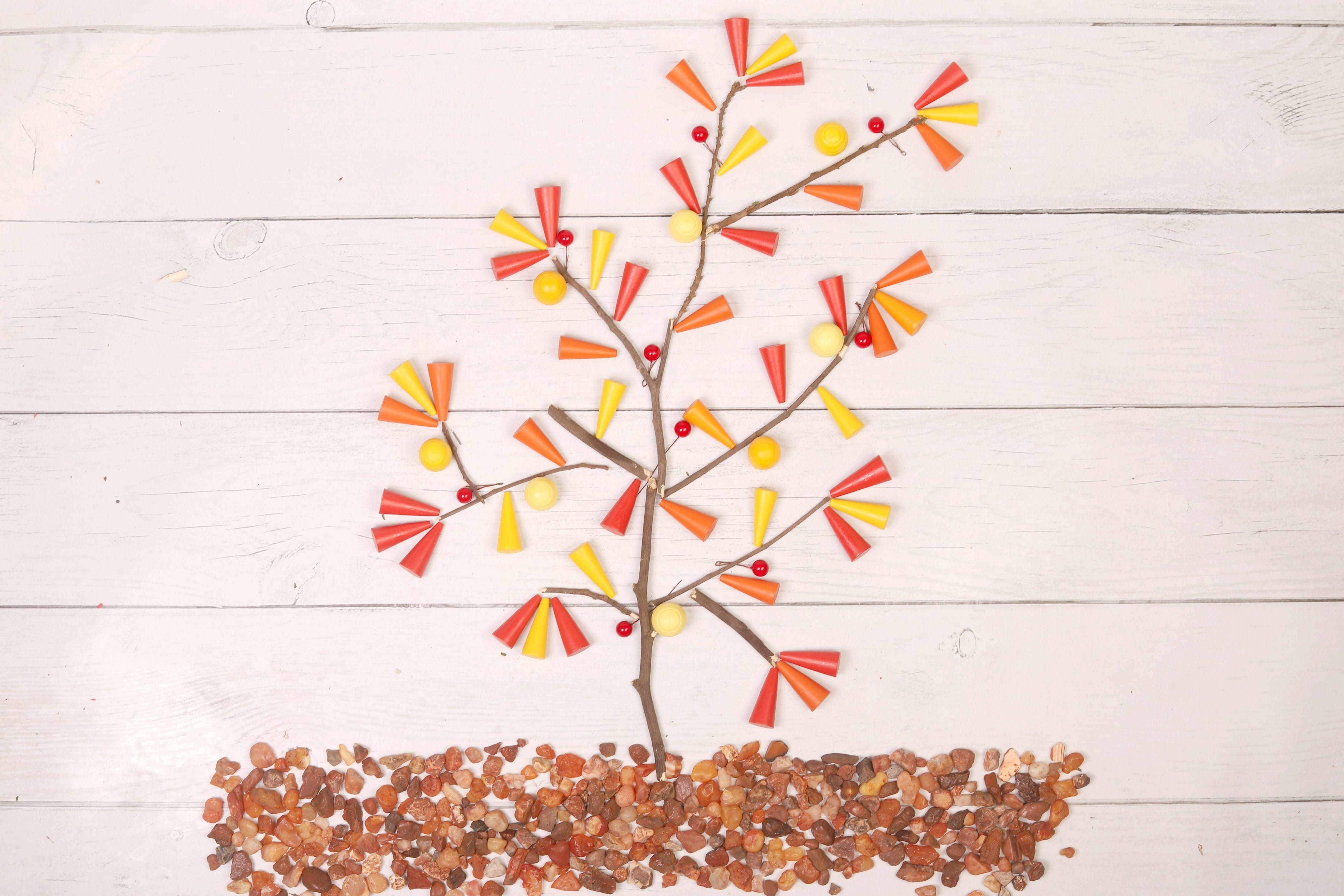
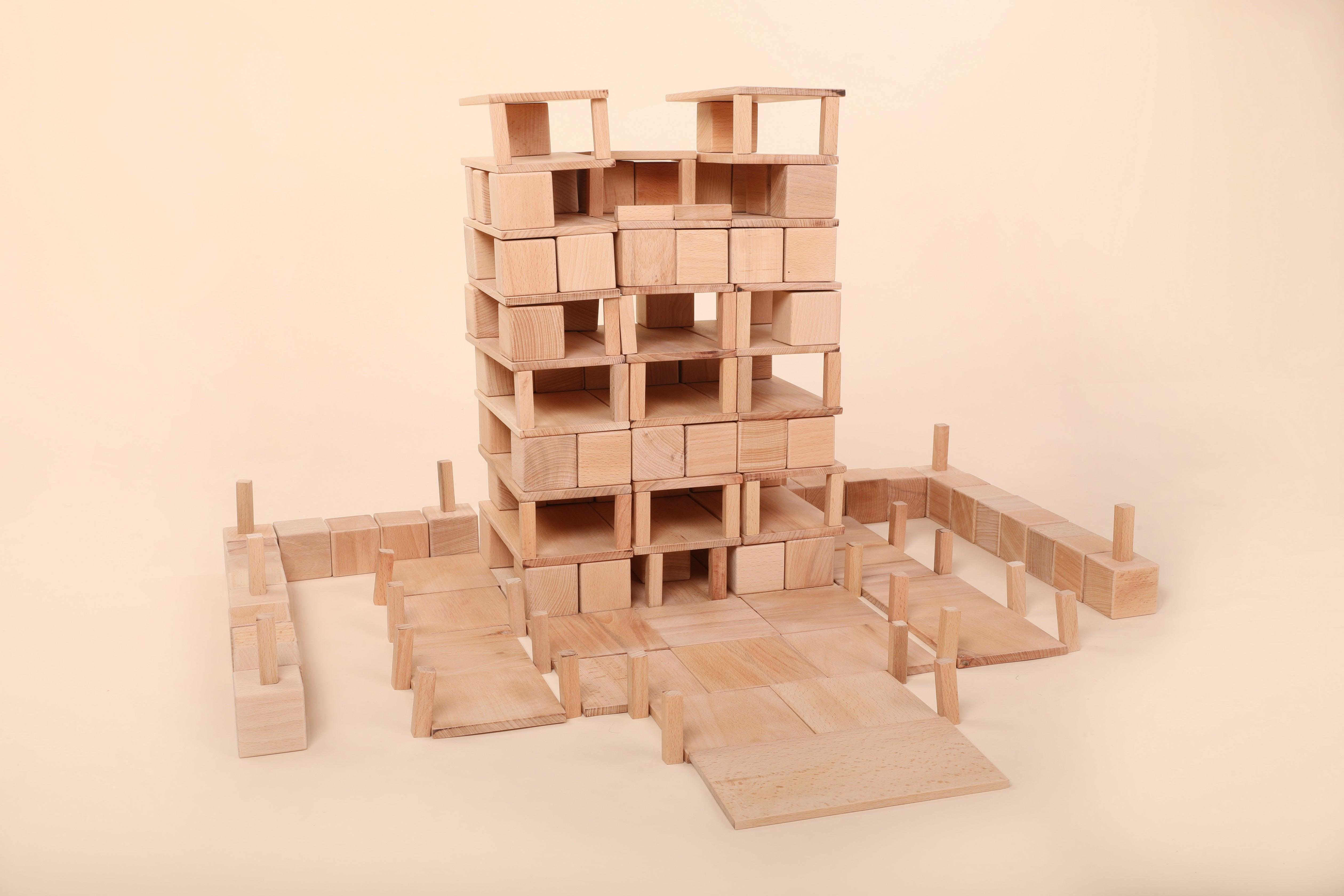
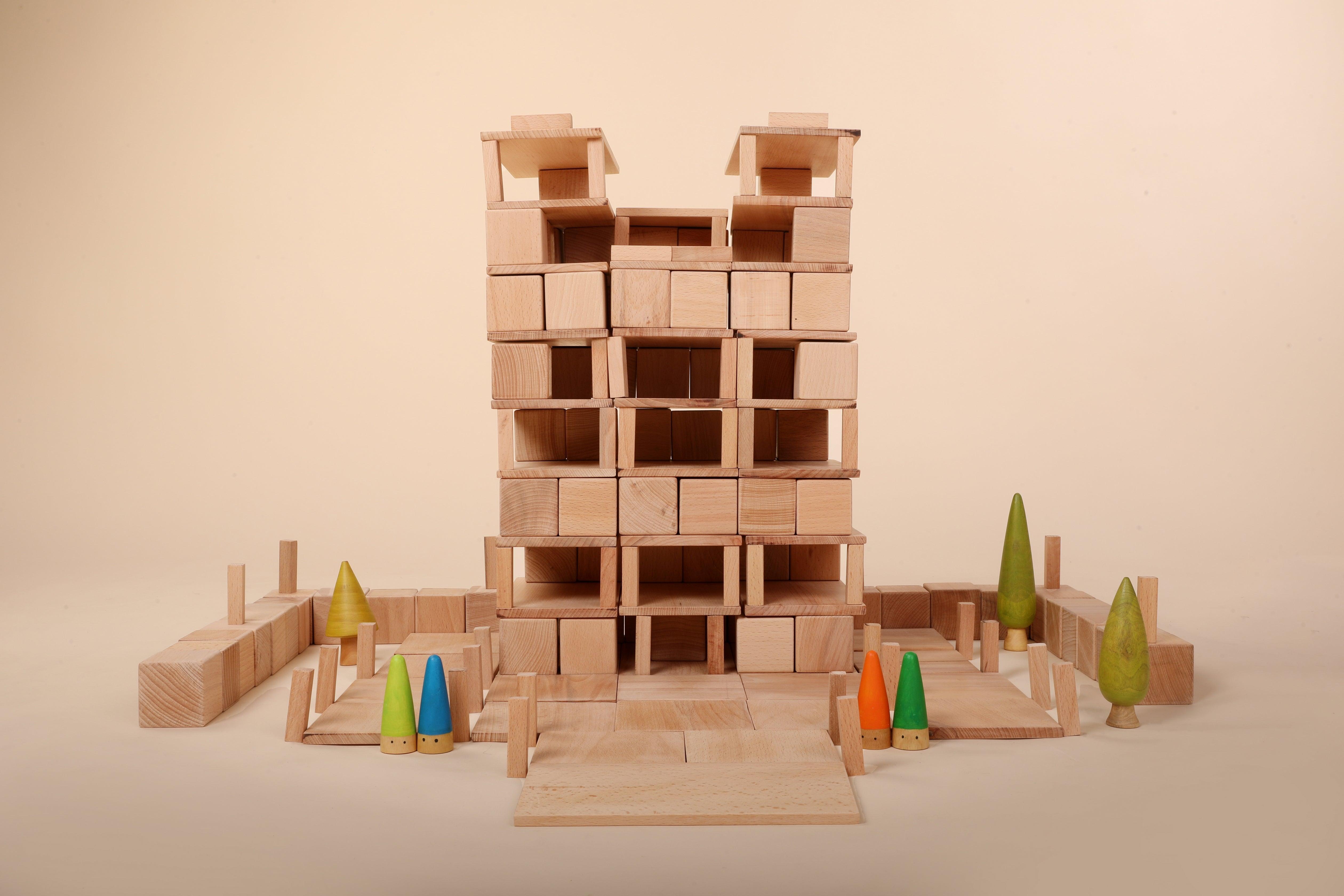
The most effective fine motor toys are the ones that involve active hand movement. Building and stacking toys help children understand balance and coordination, while also improving control. Exploring wooden toys for kids is a great option as they offer simple, open ended play that children can repeat and learn from over time.
Play Dough and Hands On Learning
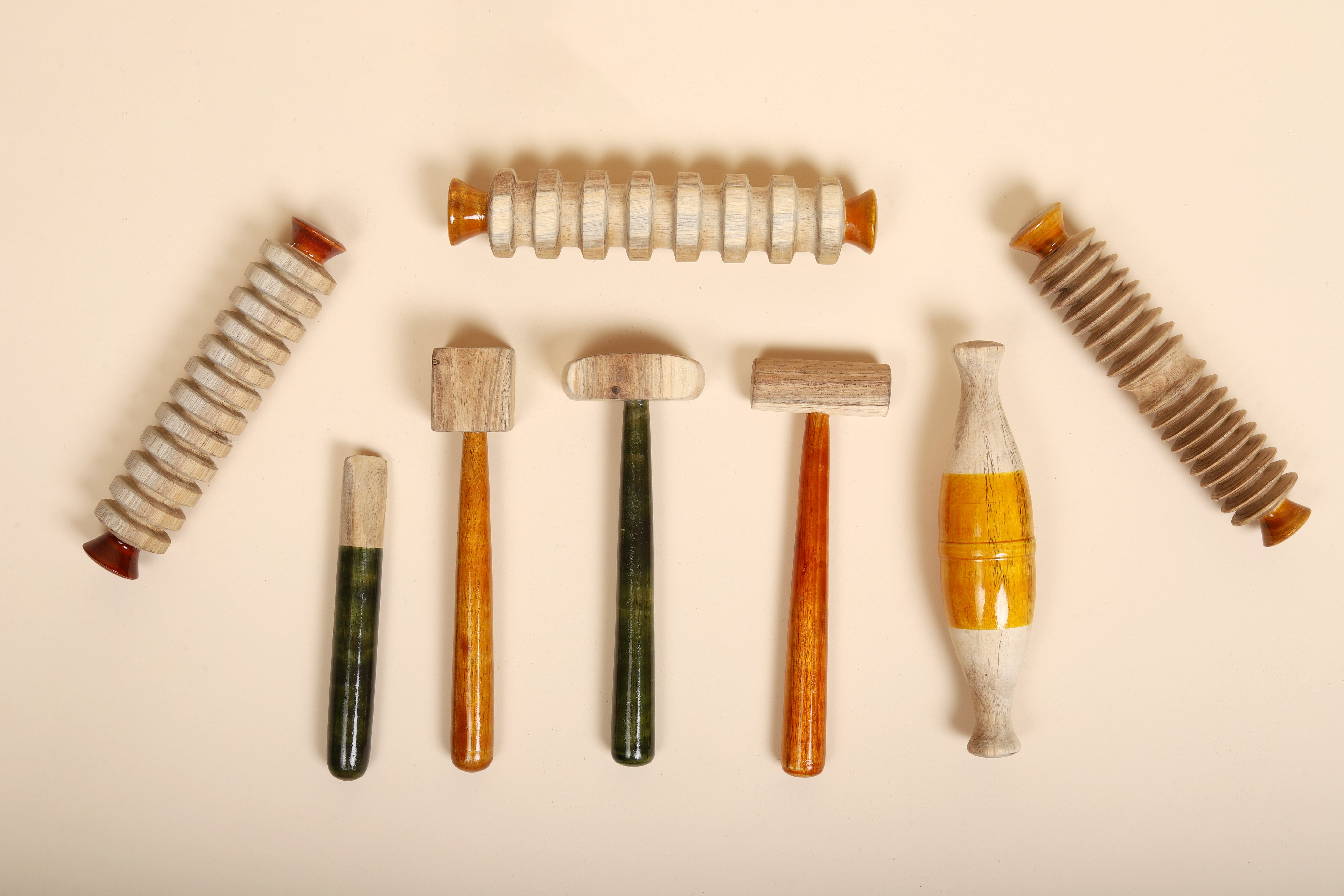
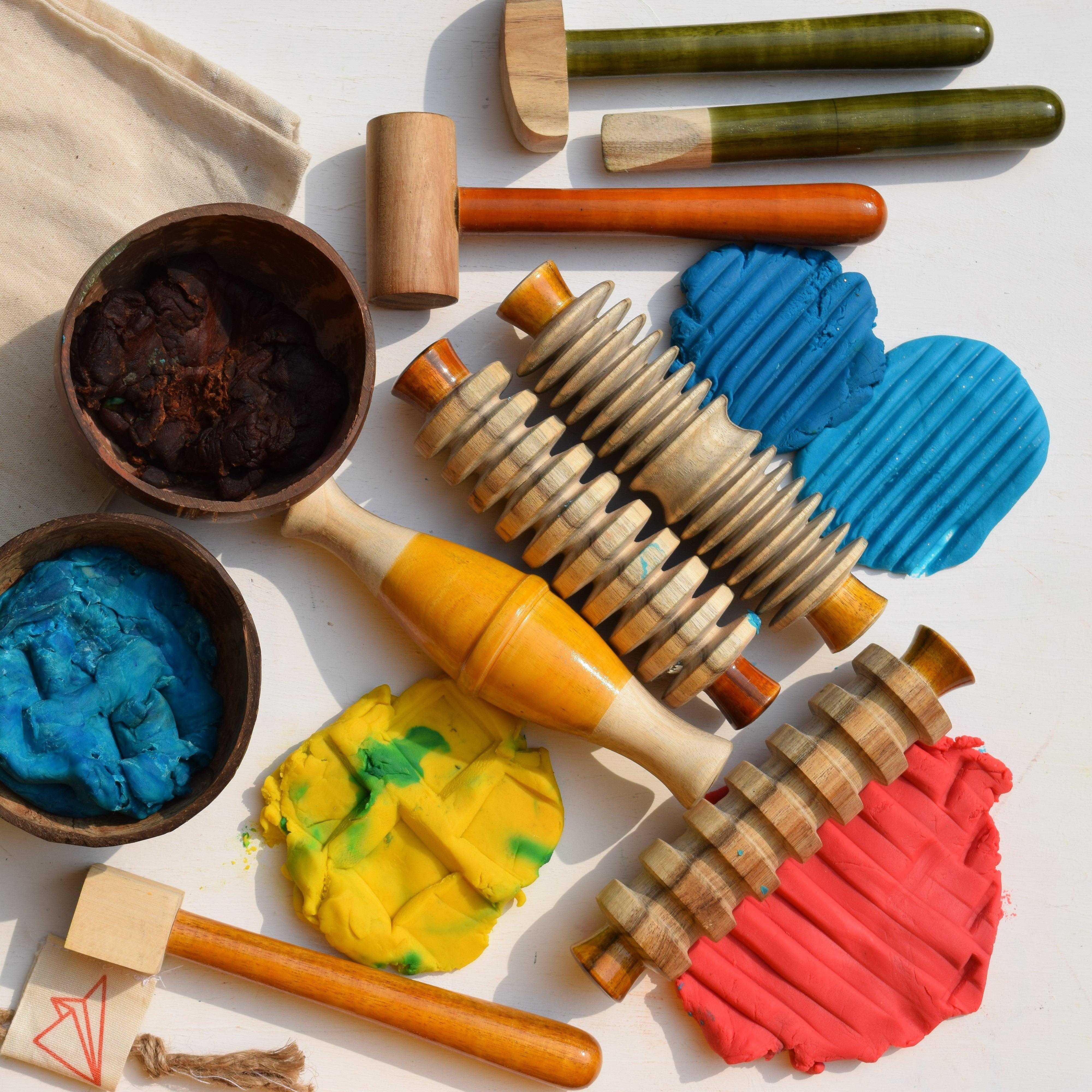
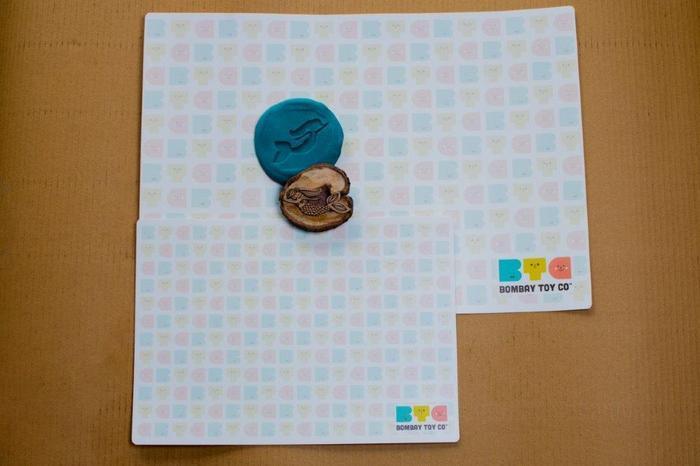
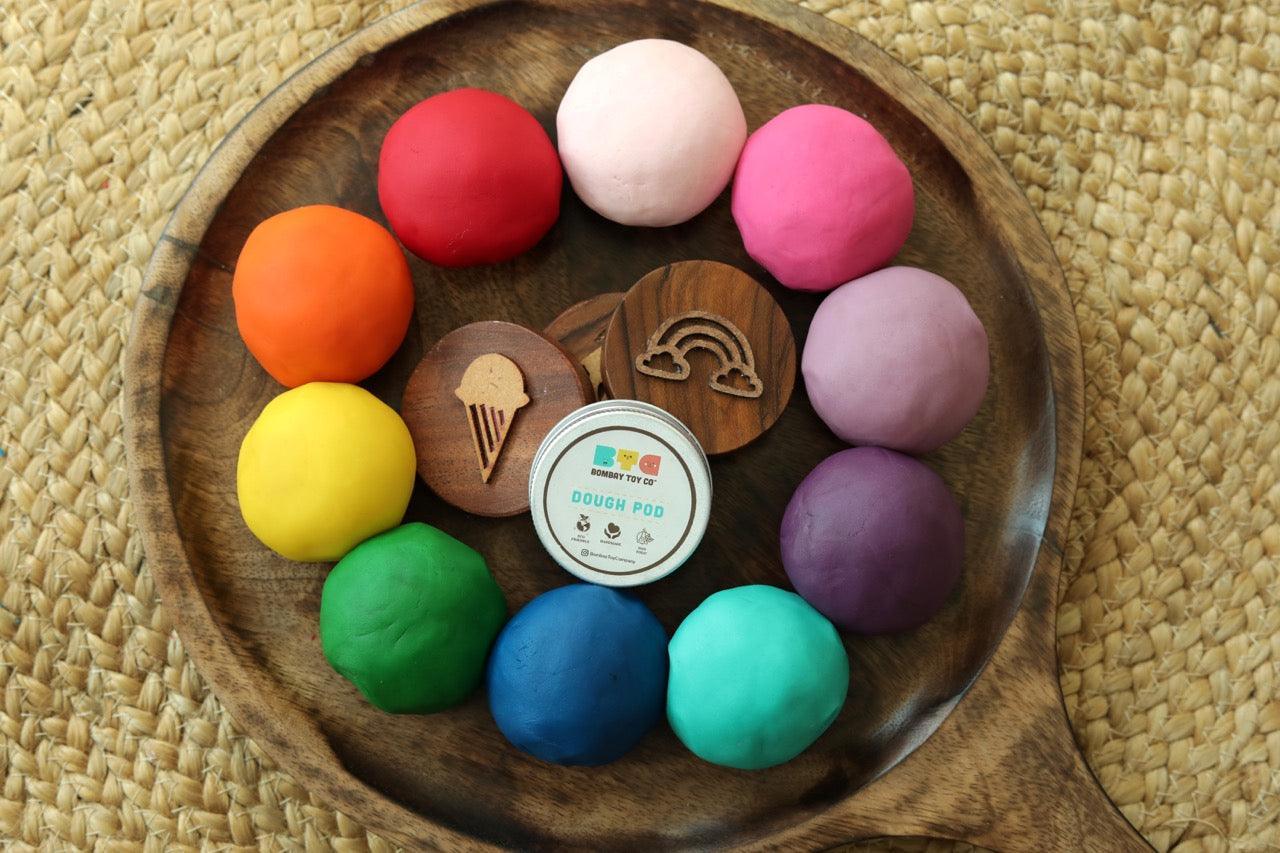
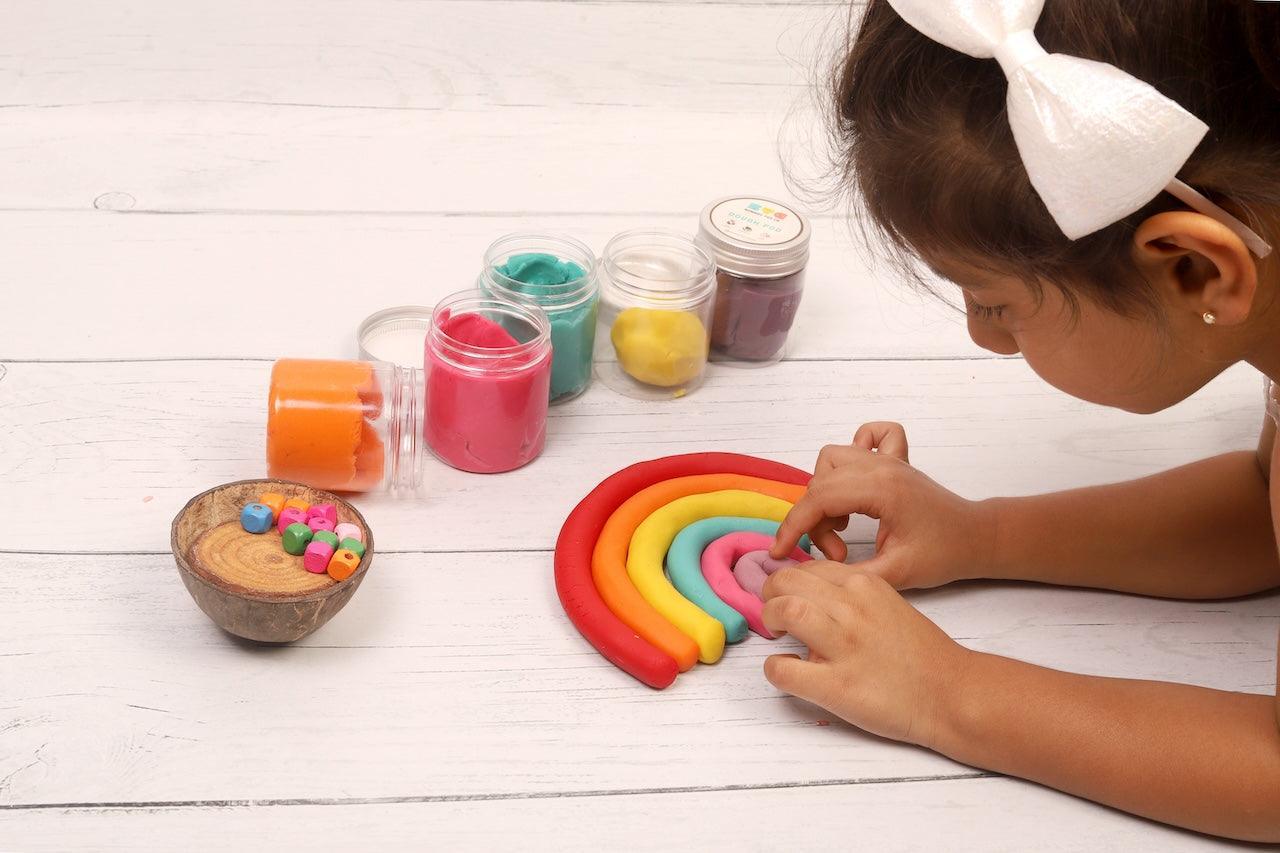
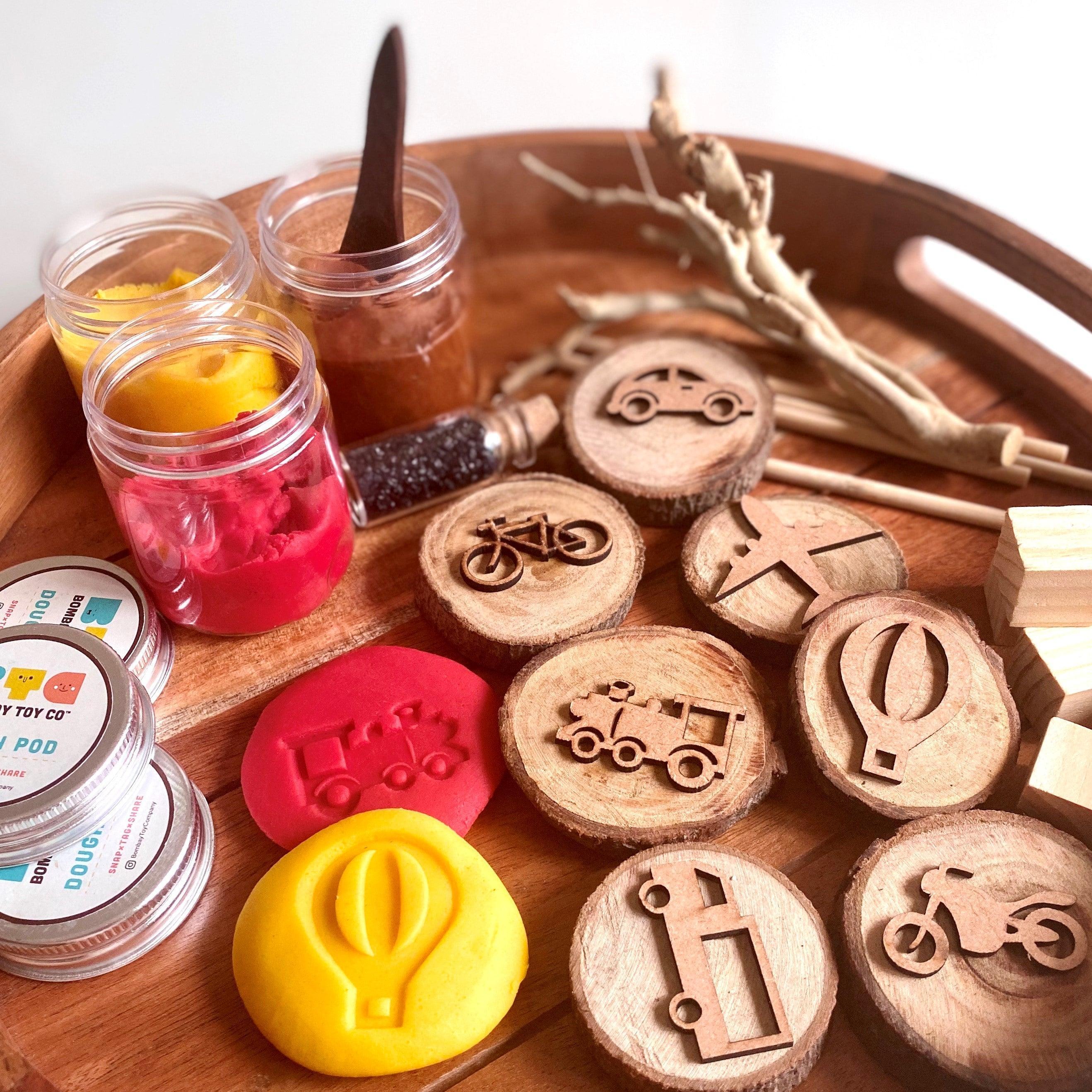
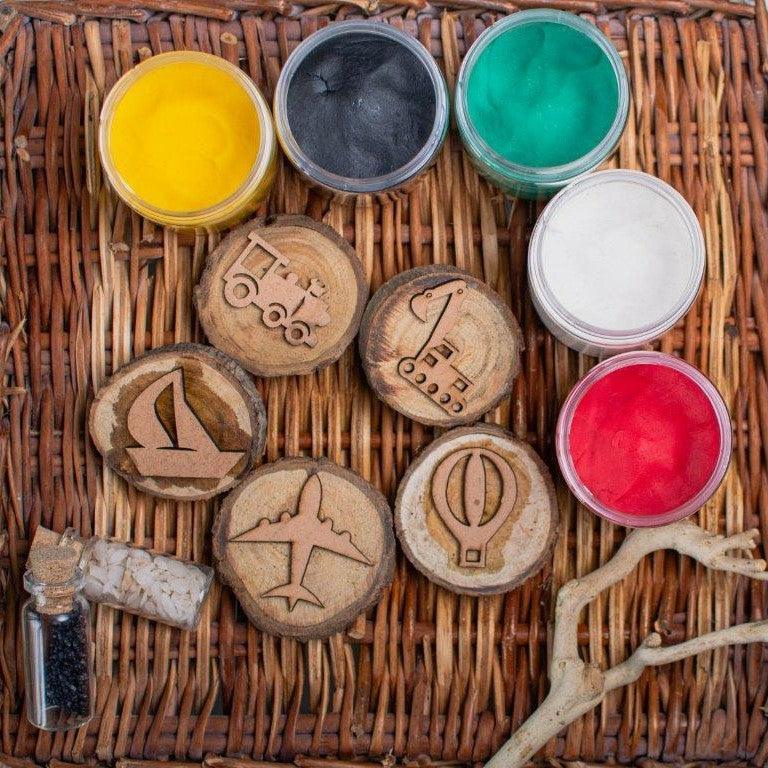
Play dough is one of the most effective ways to develop fine motor skills. It helps children strengthen their fingers, improve coordination, and express creativity through simple actions like rolling, pressing, and shaping. You can explore a variety of guided and open ended options in play dough kits and dough pods that make learning feel natural.
At What Age Should Kids Start Fine Motor Activities
Children can begin developing fine motor skills from an early age. Starting with simple grasping and stacking activities helps build a strong foundation. As they grow, more structured activities like tracing and sorting can be introduced. For children in the learning stage, exploring the preschooler toys collection can help parents find age appropriate options.
1 to 2 Years
Focus on grasping, holding, and simple stacking activities.
2 to 3 Years
Introduce sorting, placing, and basic tool based play.
3 to 5 Years
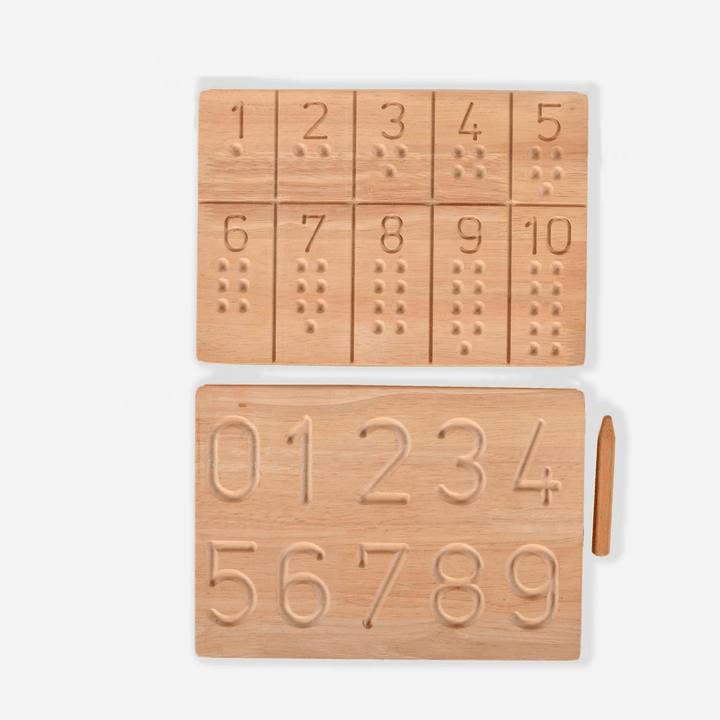
Encourage tracing, building, and more detailed activities that require control and precision.
A Small Story from a Parent Like You
One of the most common things parents share is that their child enjoys toys but loses interest quickly. When we spoke to parents, many said they were not looking for more toys but for toys that actually help their child learn something while playing. A parent of a 3 year old shared that instead of forcing writing practice, they introduced simple play based activities and saw natural improvement. You can explore similar options in our open ended toys collection that support independent learning.
What Parents Are Saying
"I noticed a real difference in my child’s hand control"
I started with simple play based tools and within a few weeks my child was holding crayons much better. It did not feel like learning, just play.
"Finally toys that are actually useful"
Most toys we had were just for entertainment. These felt different. My child stays focused longer and I can actually see improvement in coordination.
Why Skill Based Play Works Better Than Passive Toys
Not all toys help in development. Toys that only entertain do not build lasting skills. Skill based toys encourage children to use their hands actively, solve small problems, and improve through repetition. This kind of play supports real learning without pressure.
How to Choose the Right Fine Motor Toys
When selecting toys, keep these points in mind:
- Choose toys that require active hand movement
- Look for open ended play options
- Pick age appropriate difficulty
- Focus on repeatable activities
- Avoid passive toys
Simple toys that children can use again and again are often the most effective.
Explore More Collections
Montessori Toys, Sensory Play, Wooden Toys, Open Ended Toys, Dough Pods
Toddler Toys, Preschooler Toys, Baby Toys, Waldorf Toys, Sensory Playmats
Play Dough Mats, Reusable Colouring Mats, Mats & Stamps, Bundles & Combos, Name Labels