
Wooden Toys
Filters
24 products



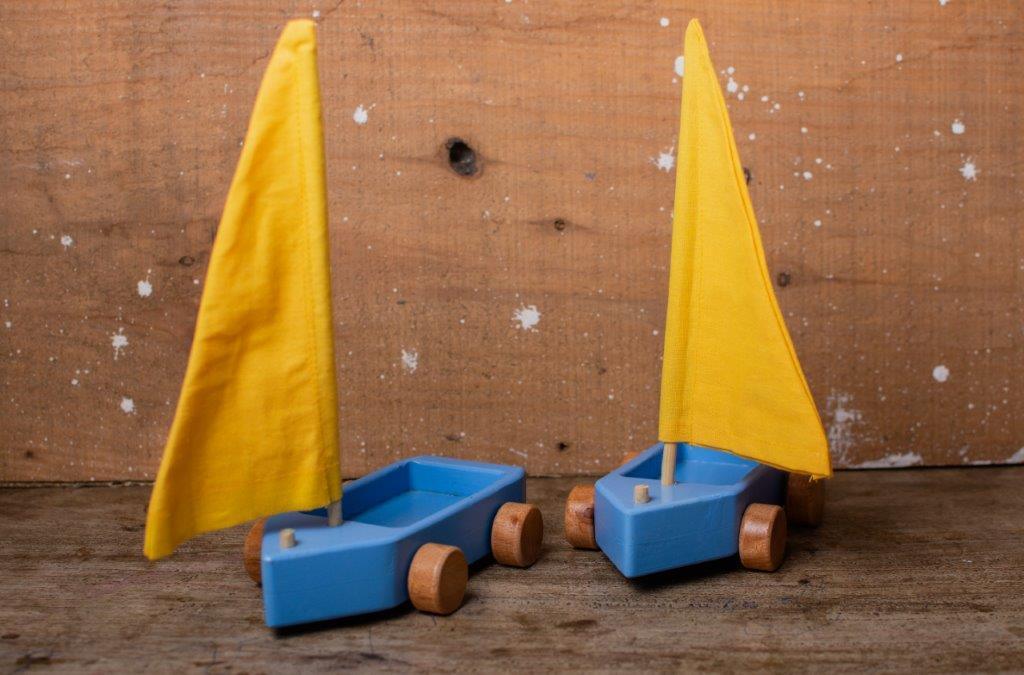
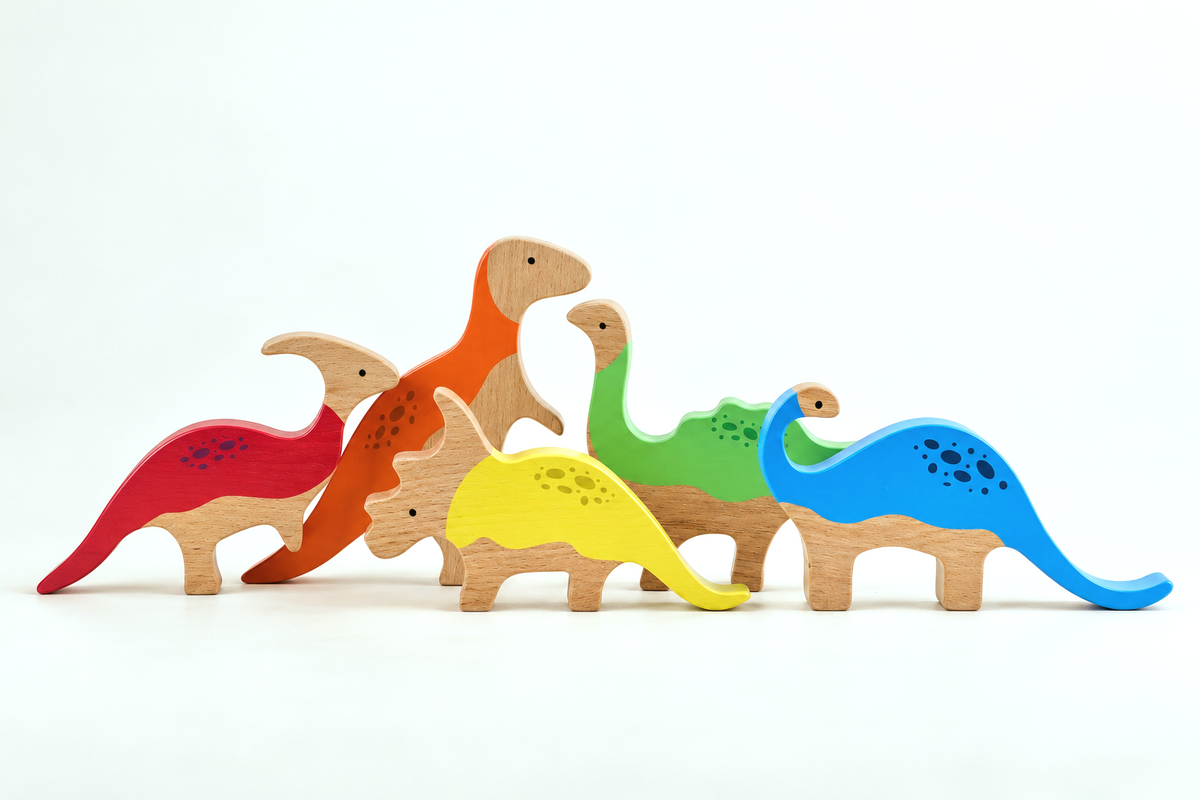
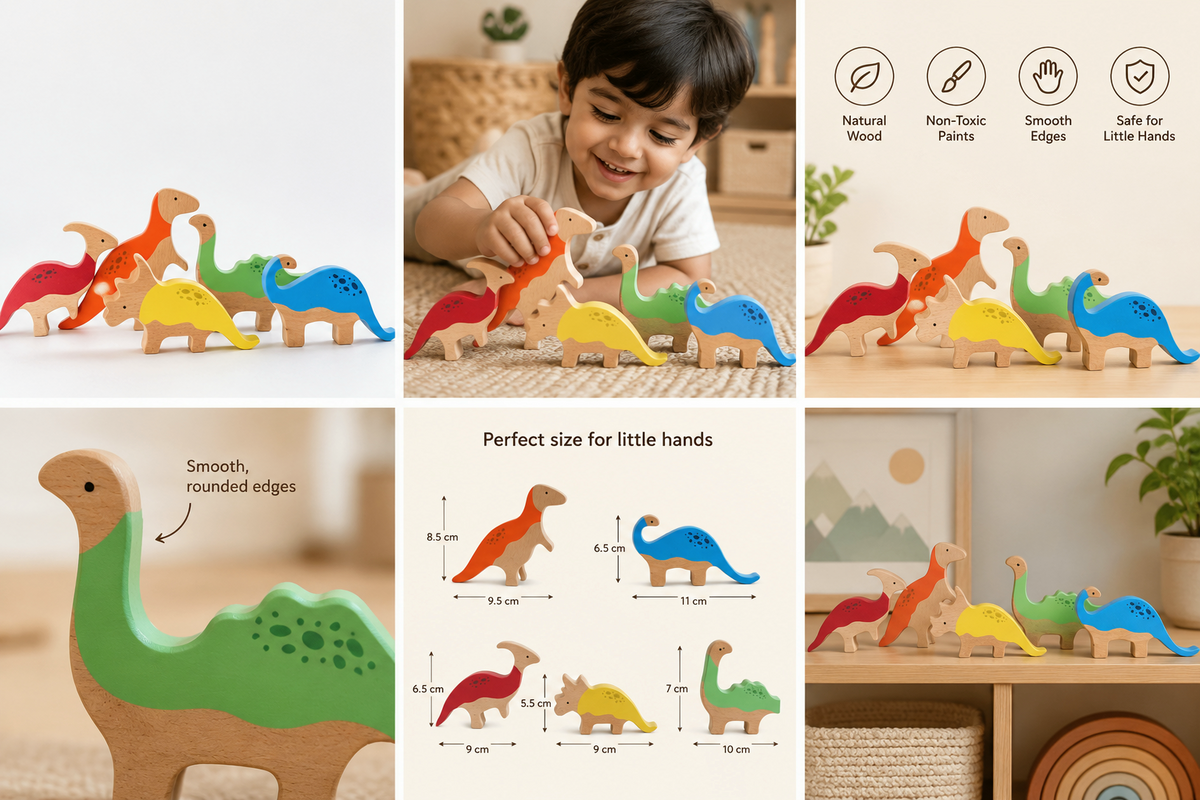
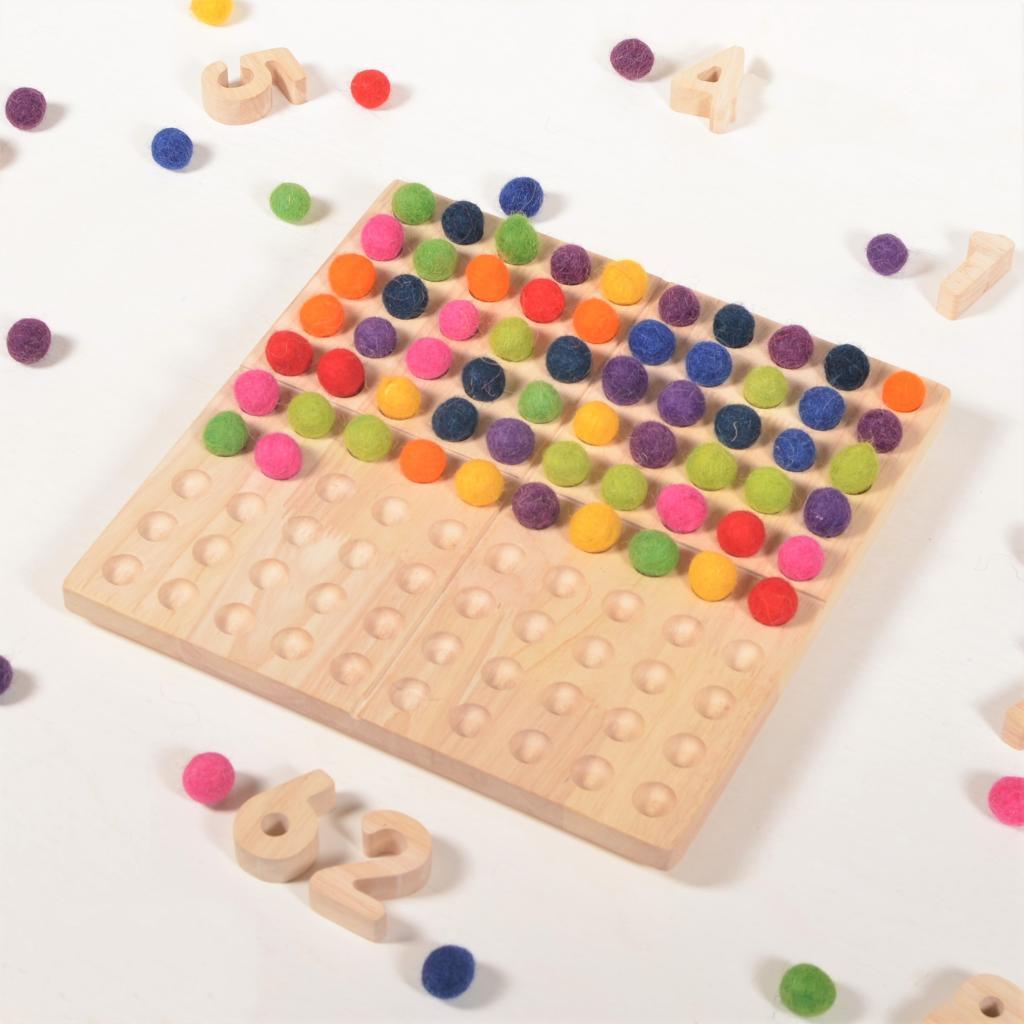
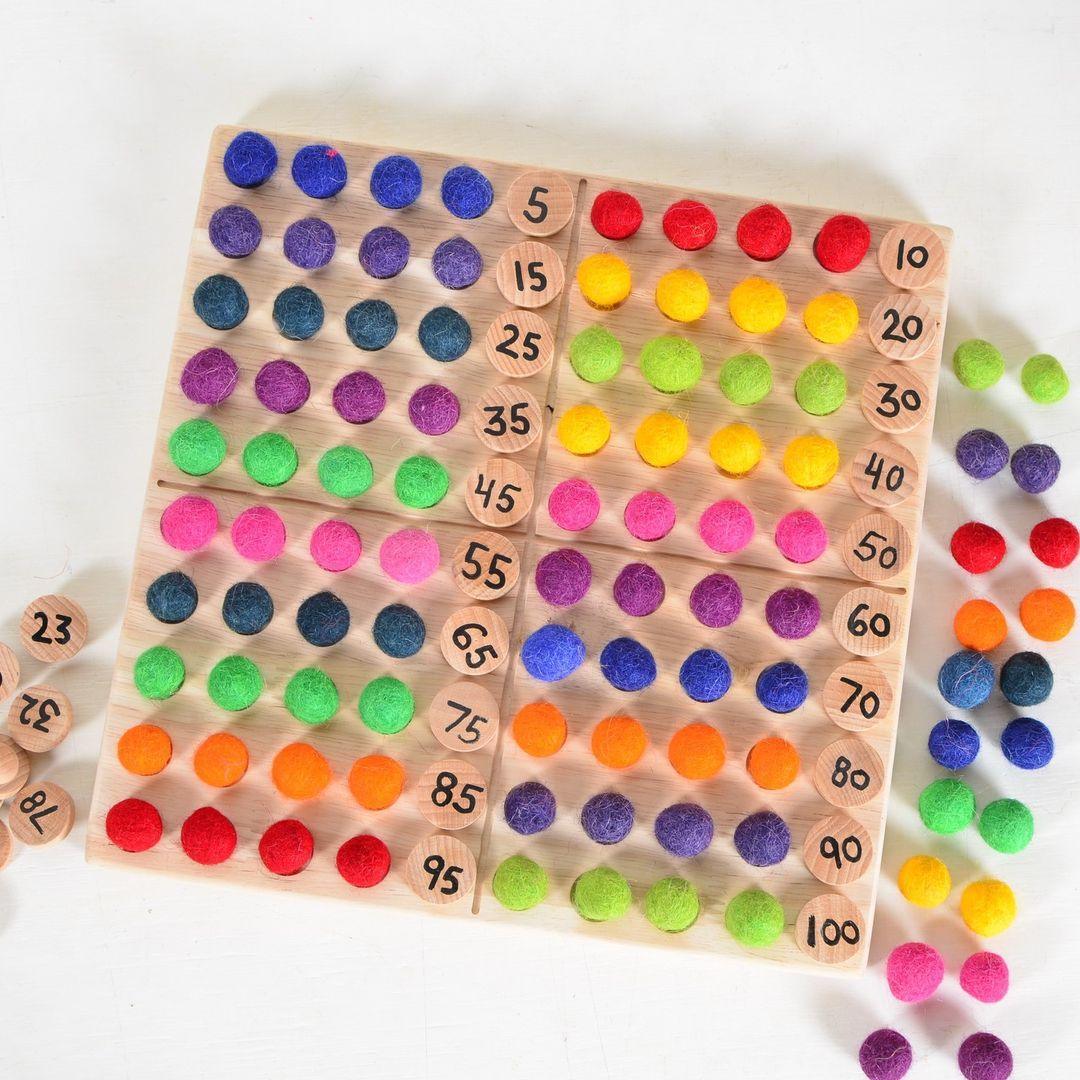
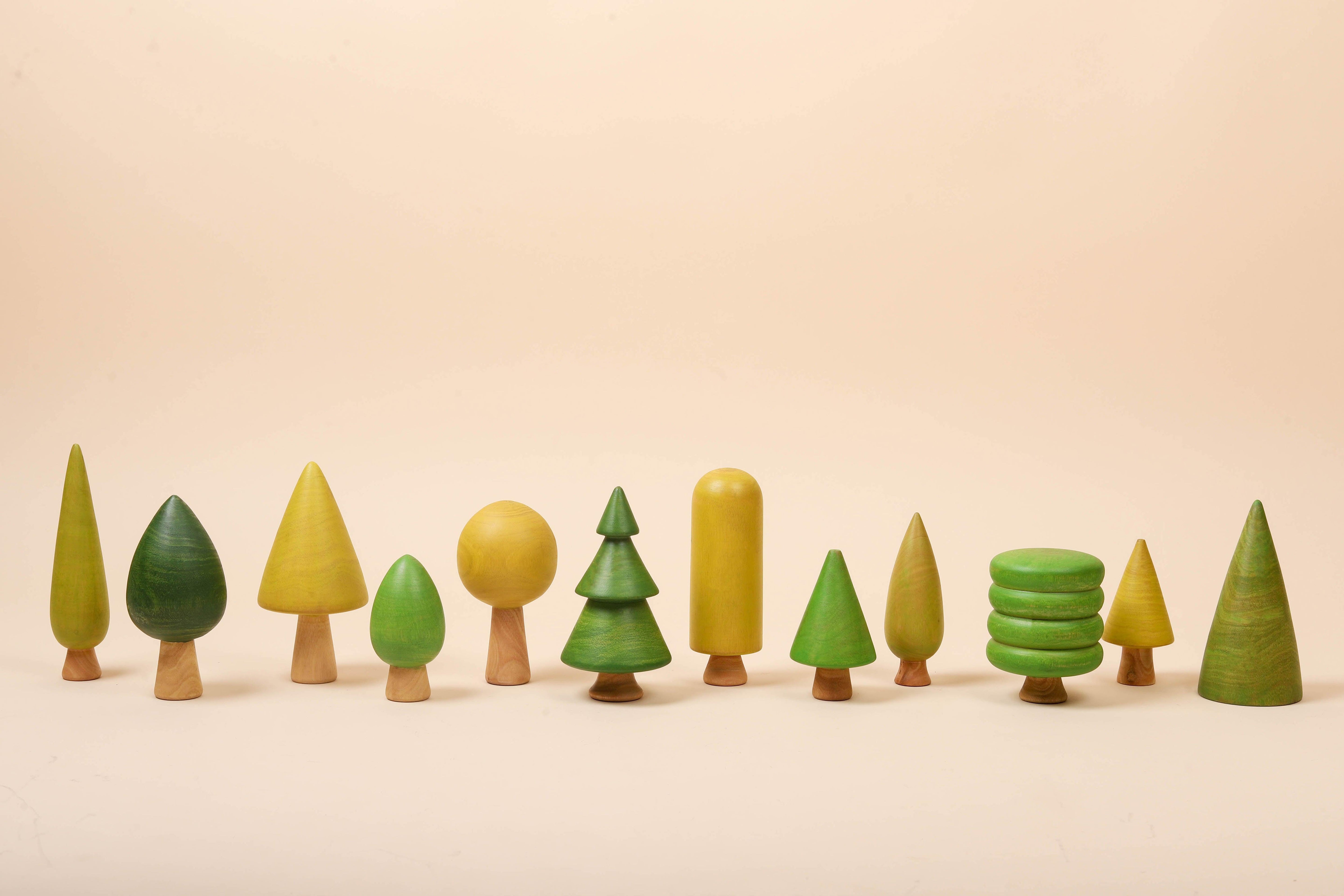
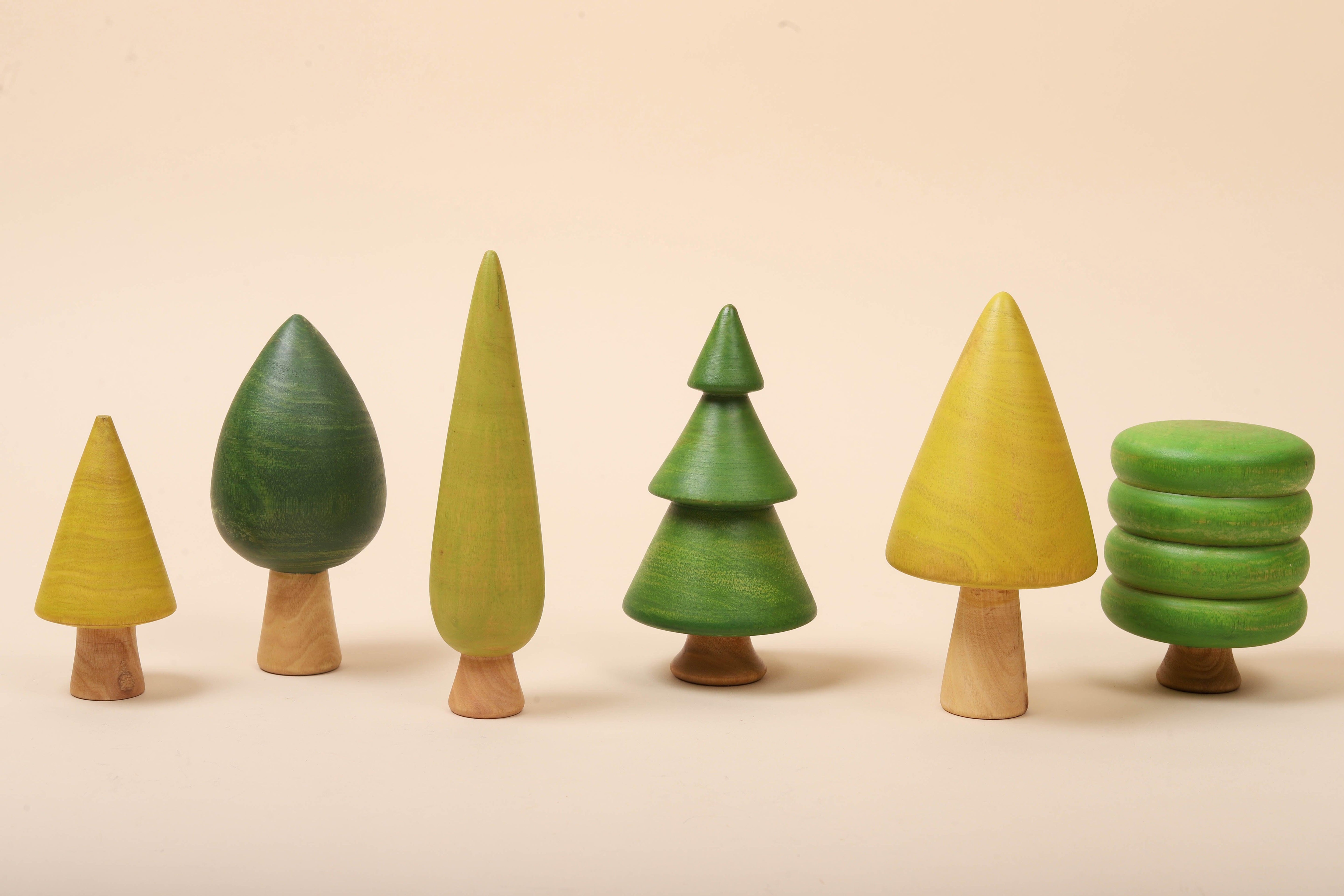
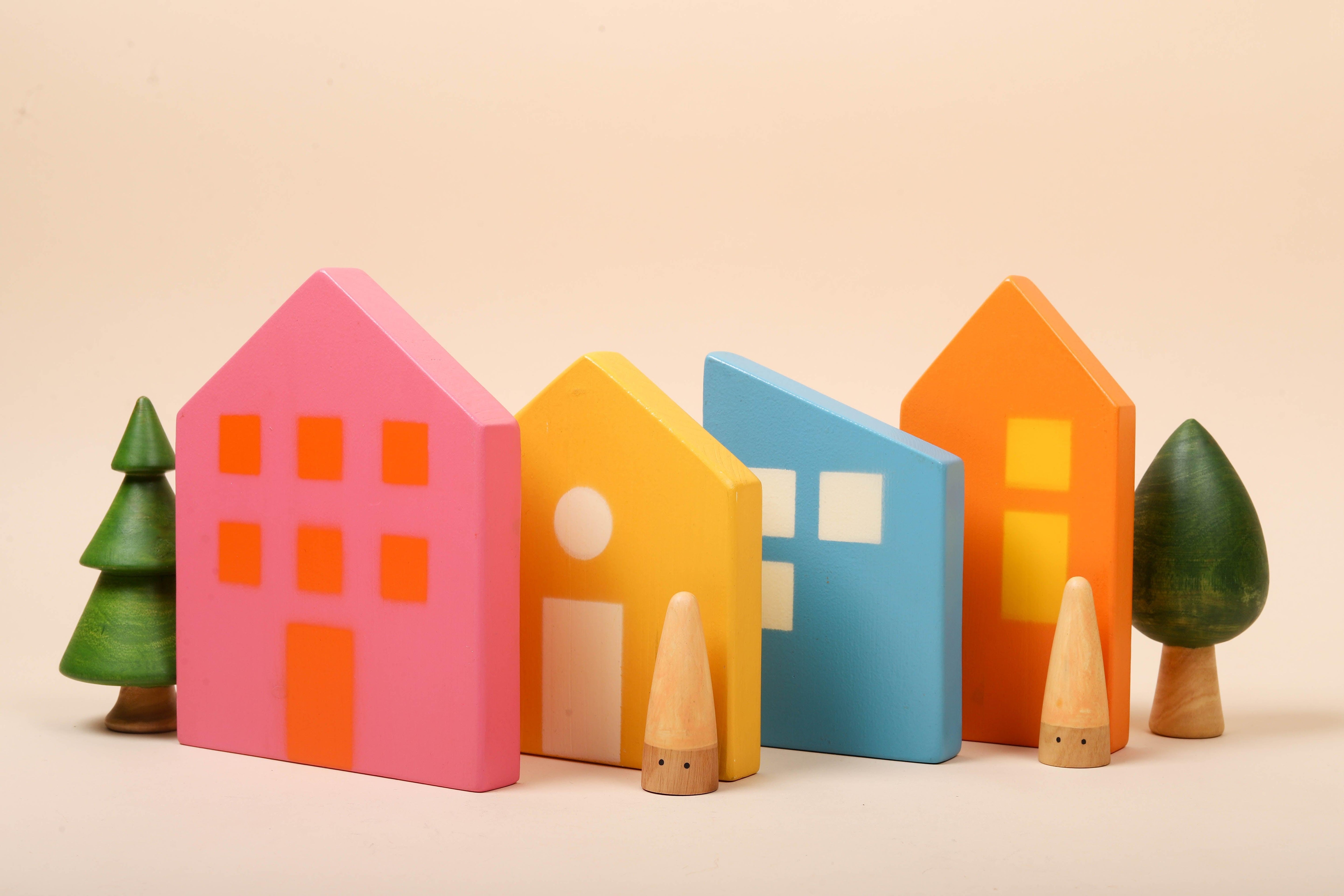
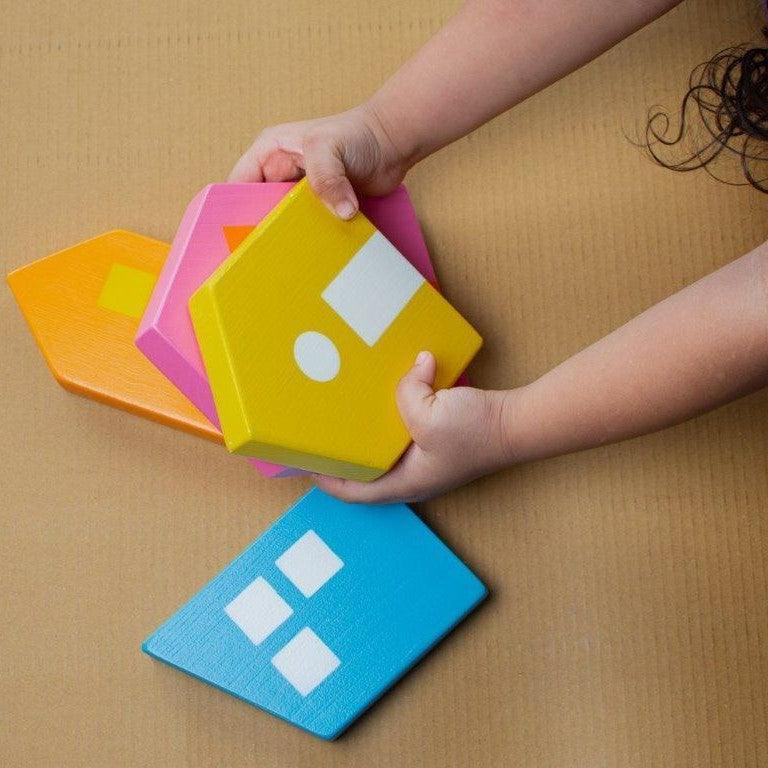


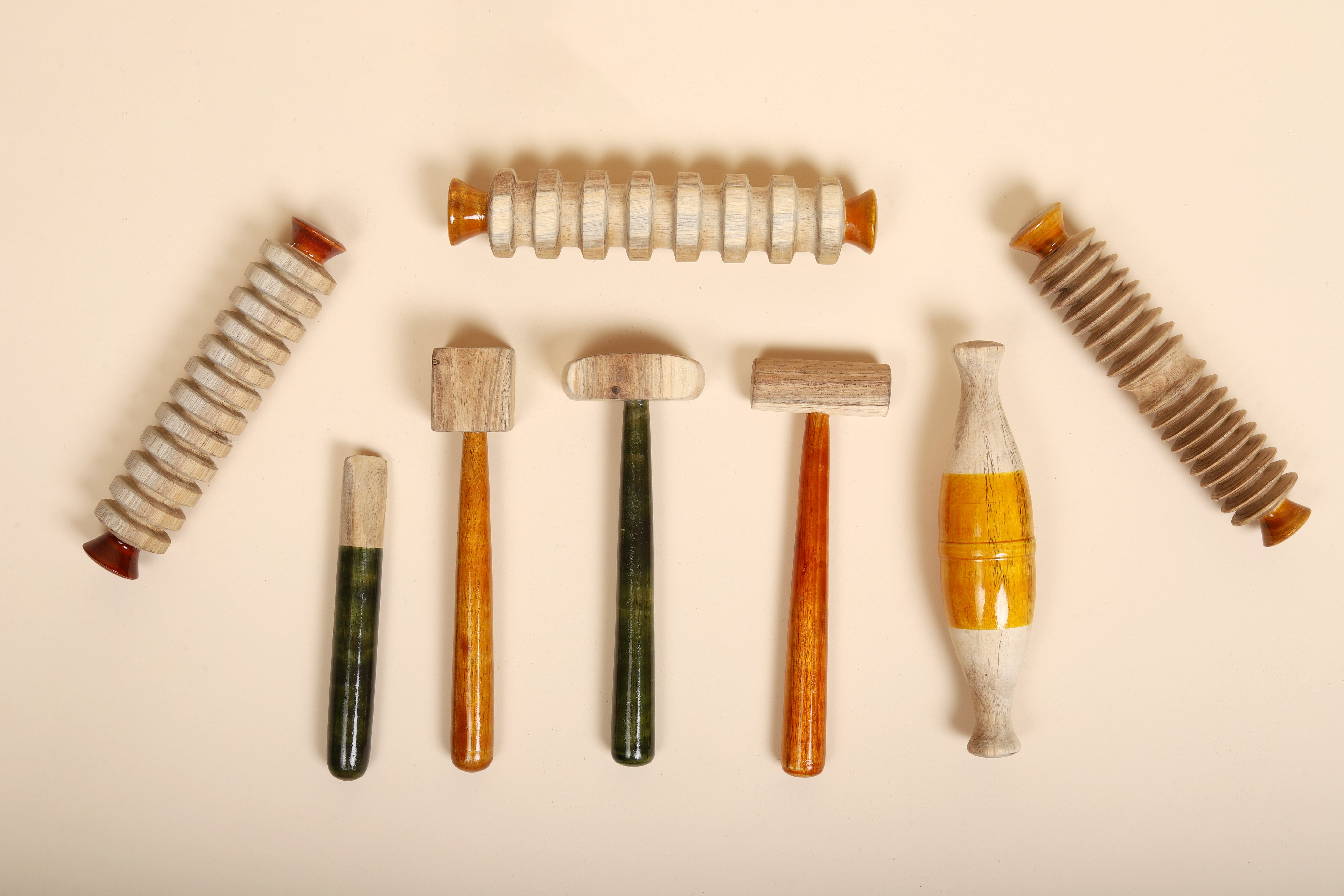
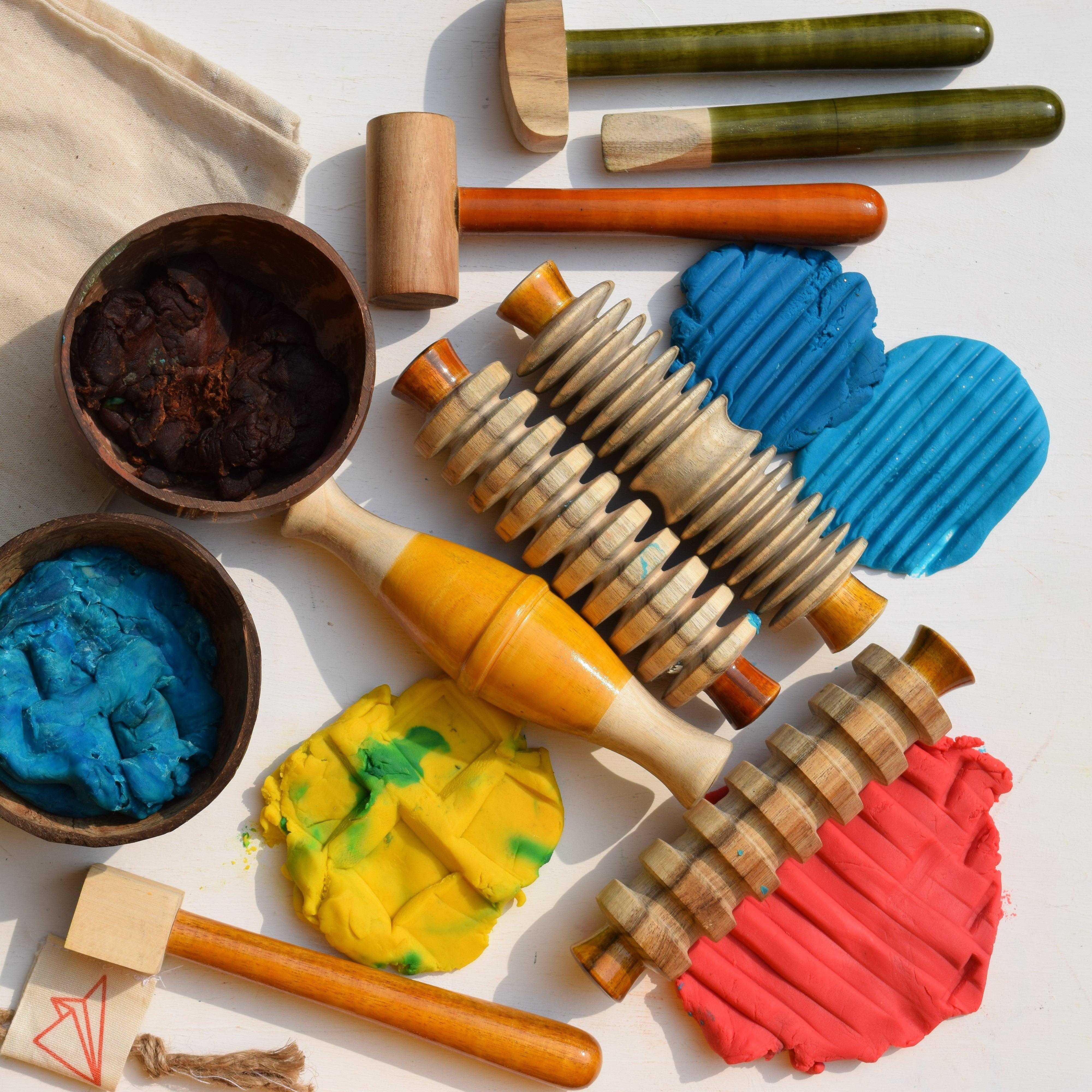
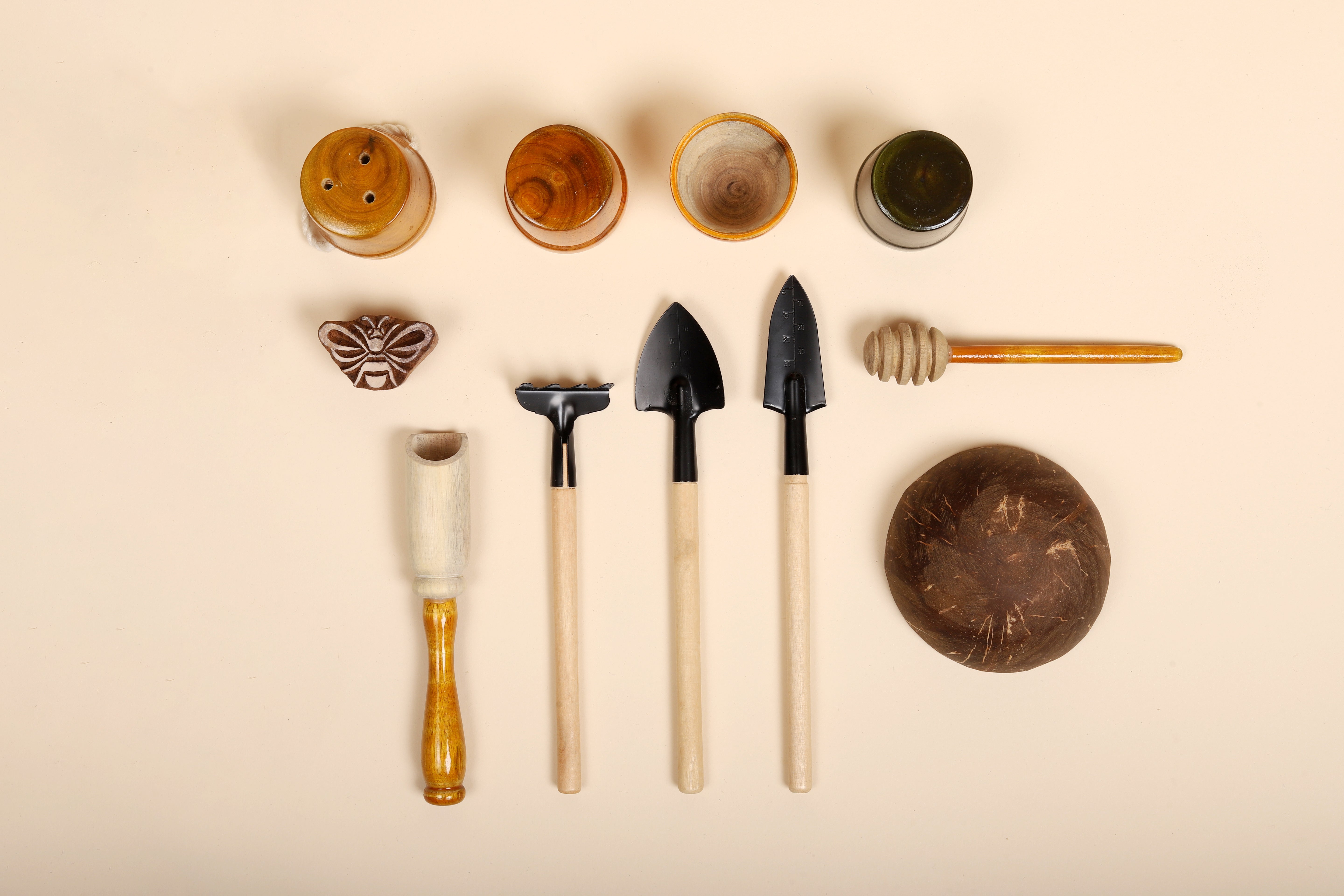
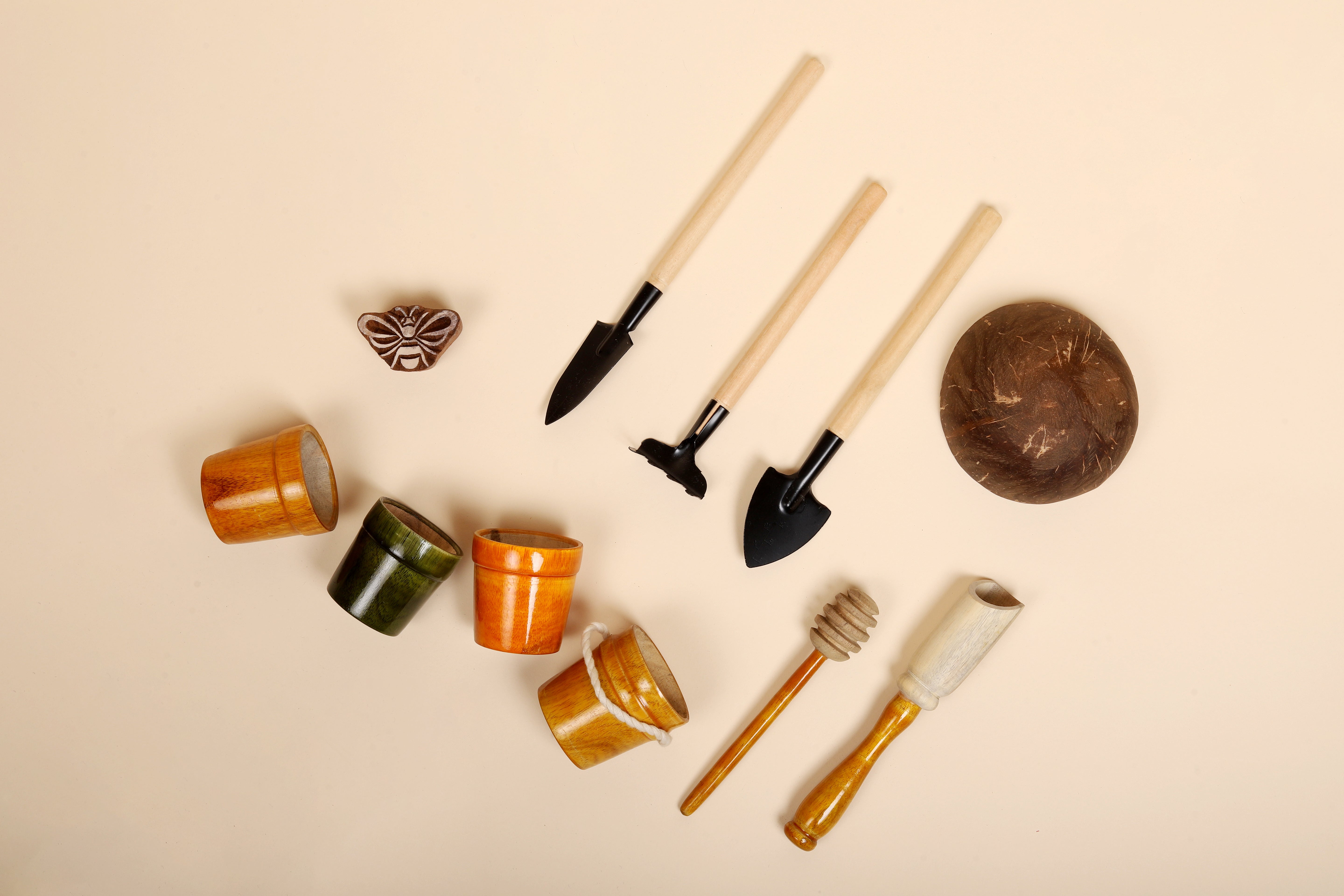
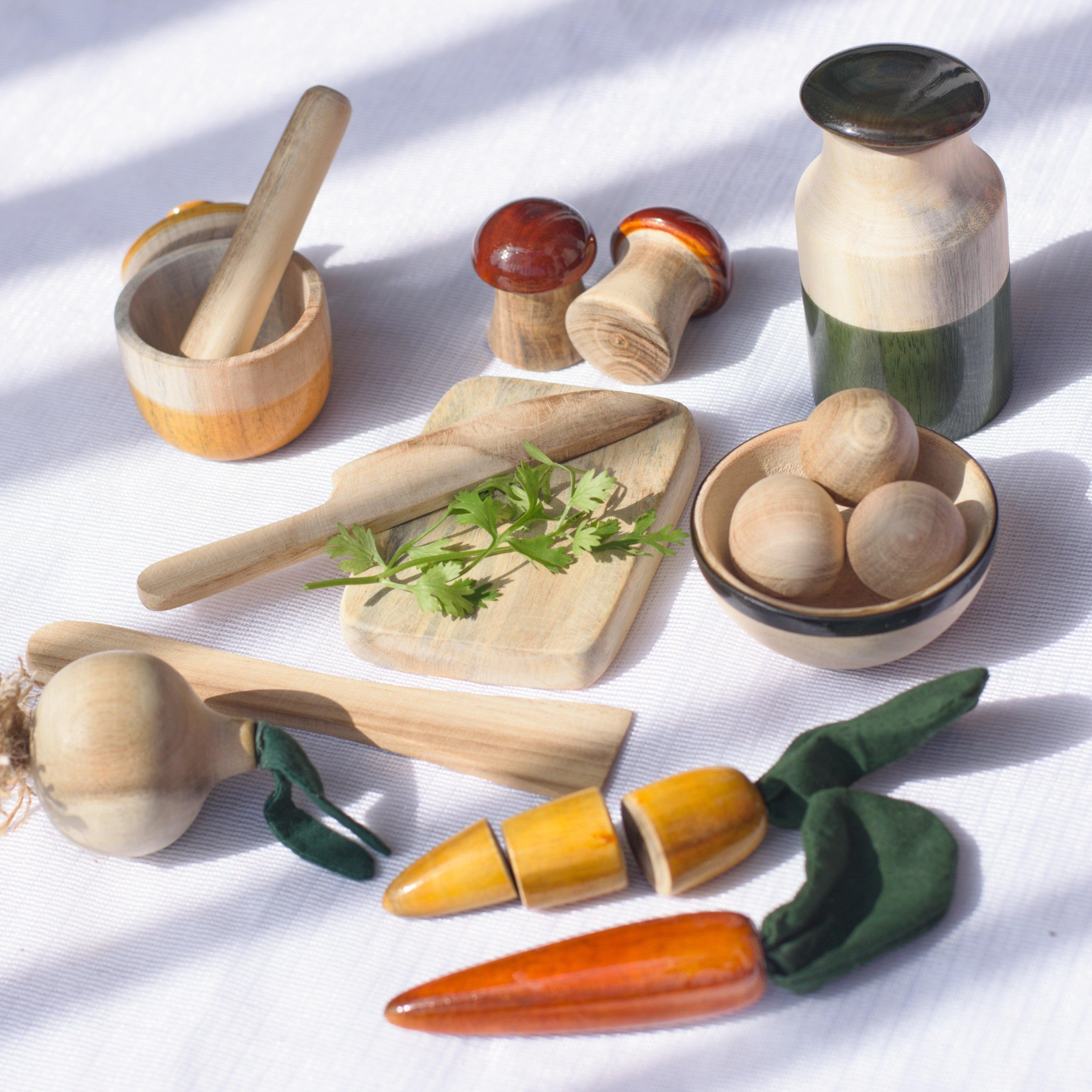
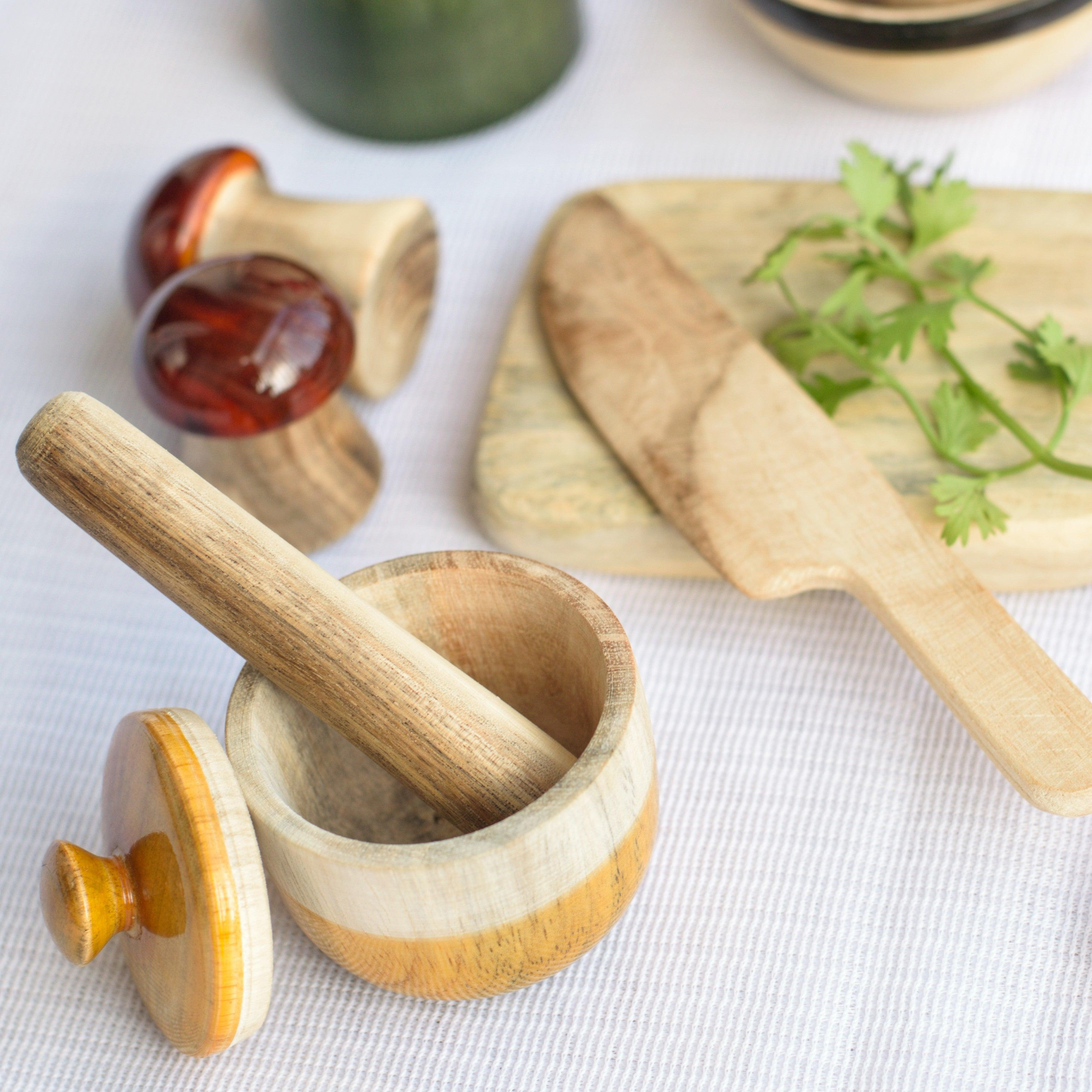
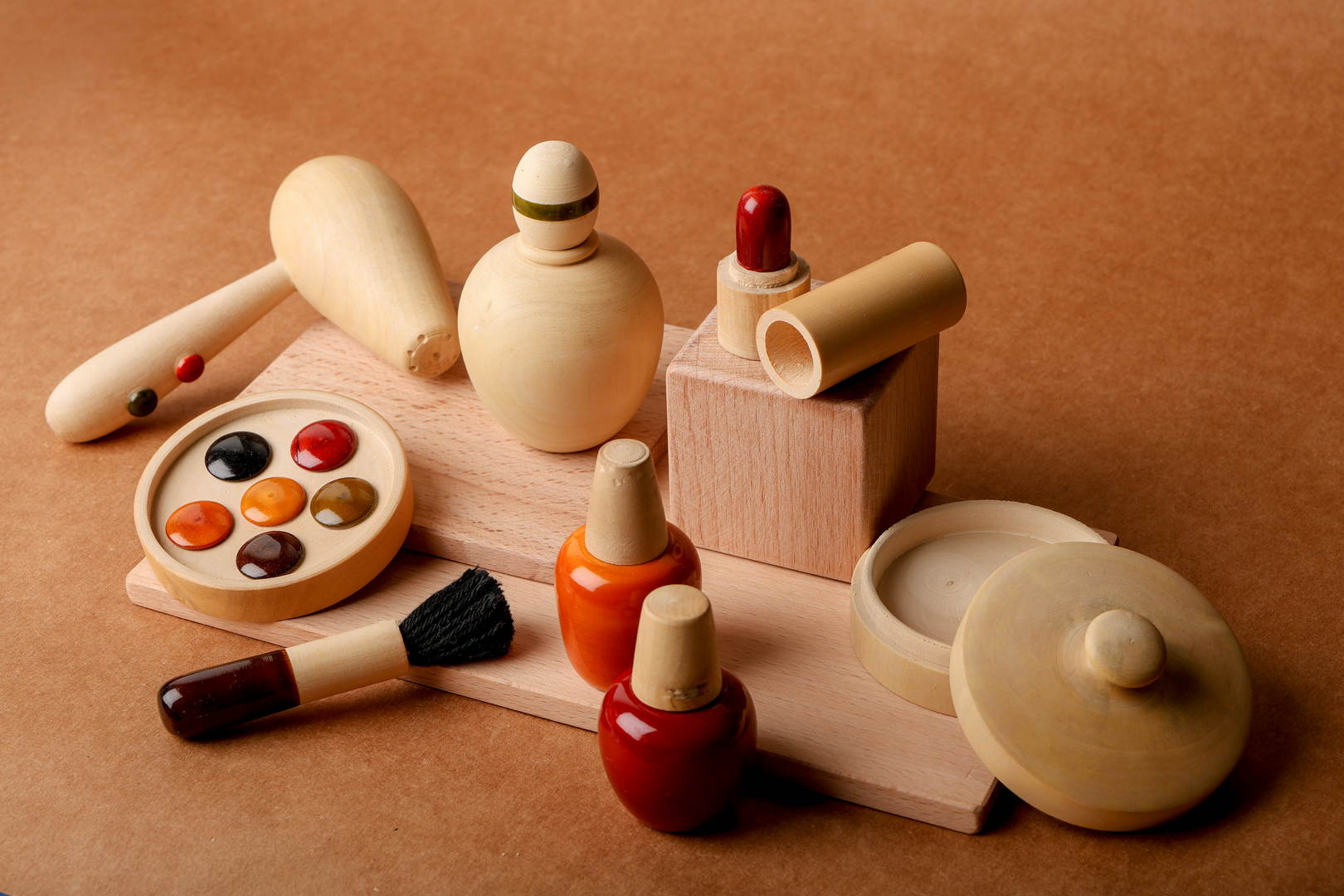
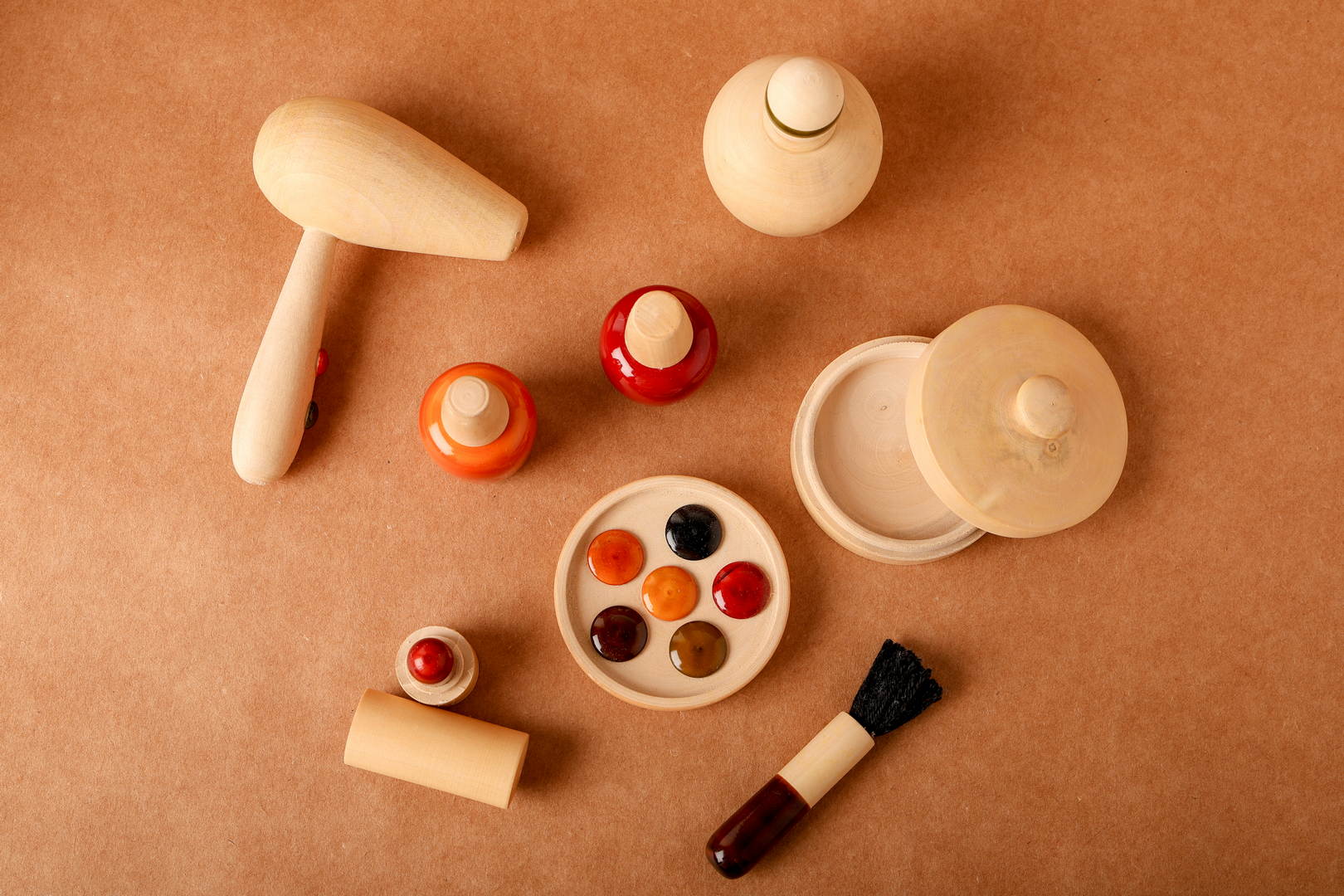
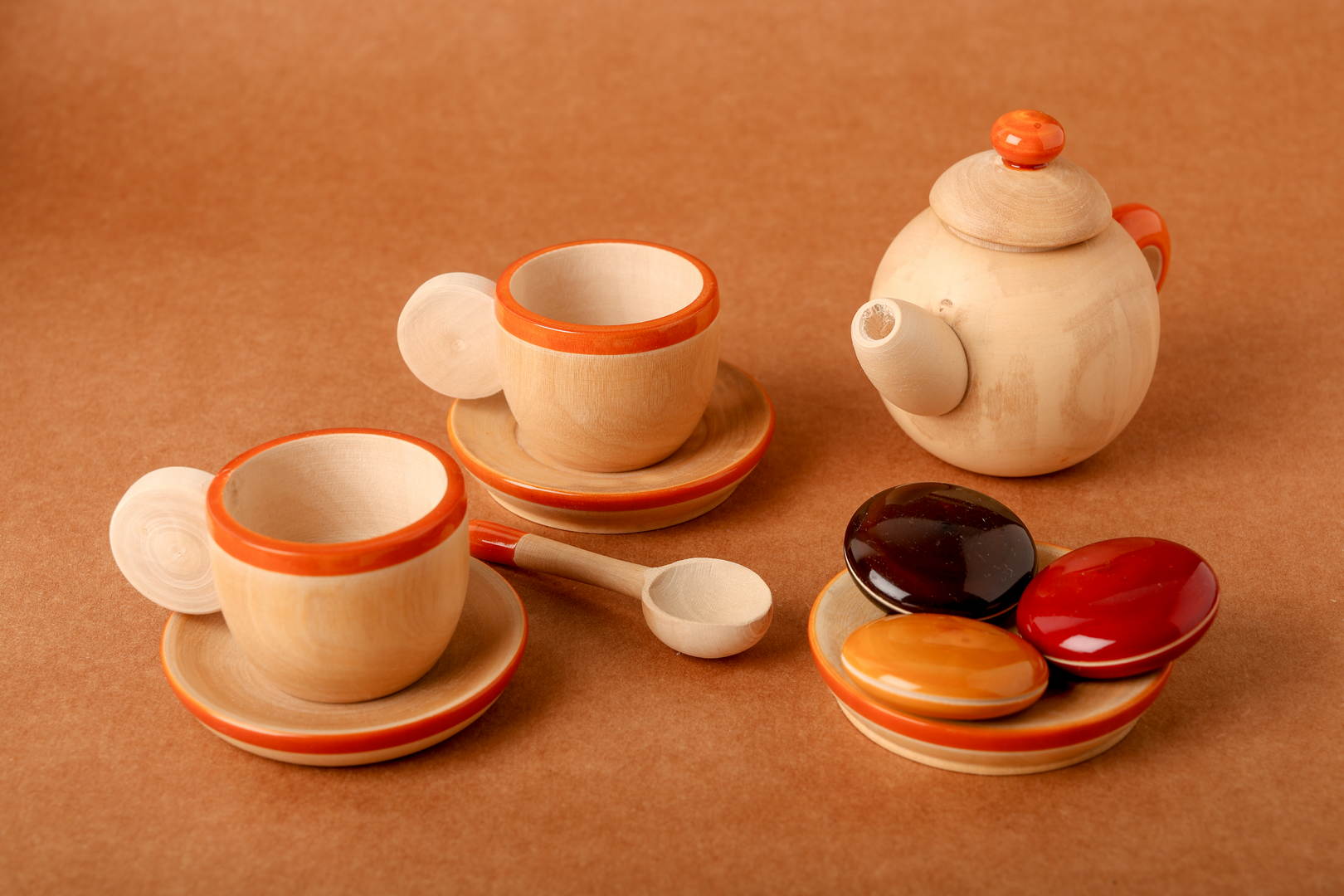
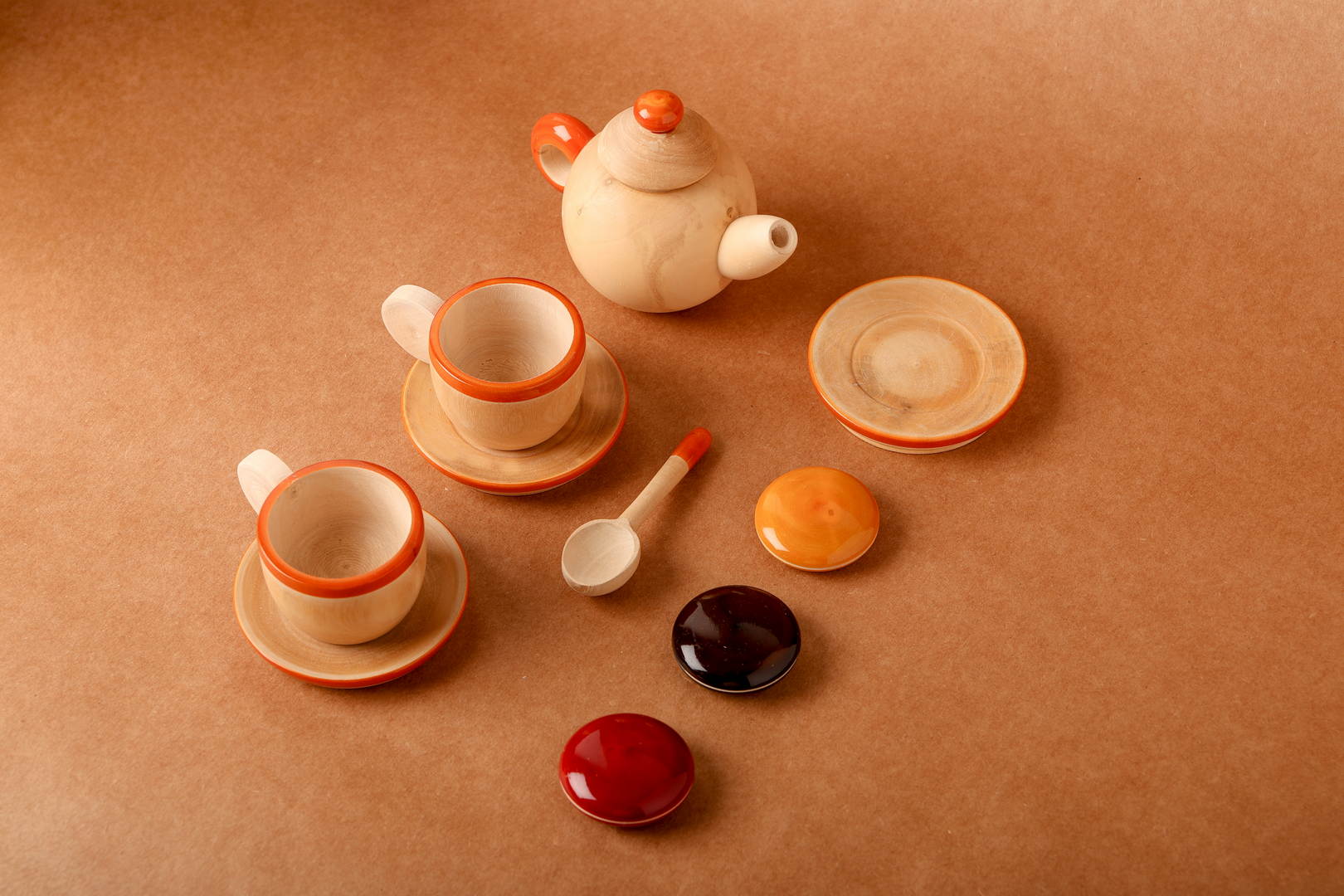
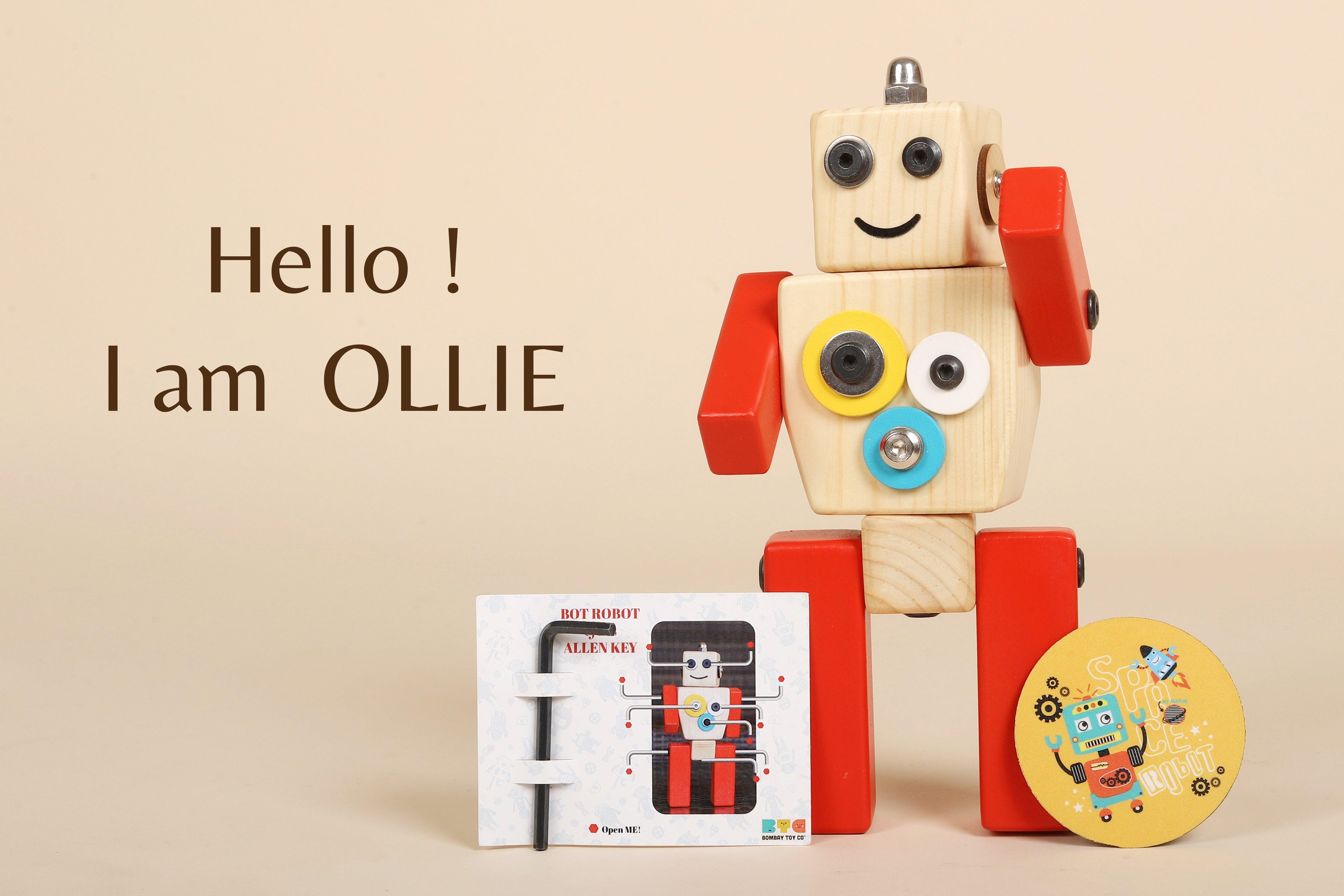
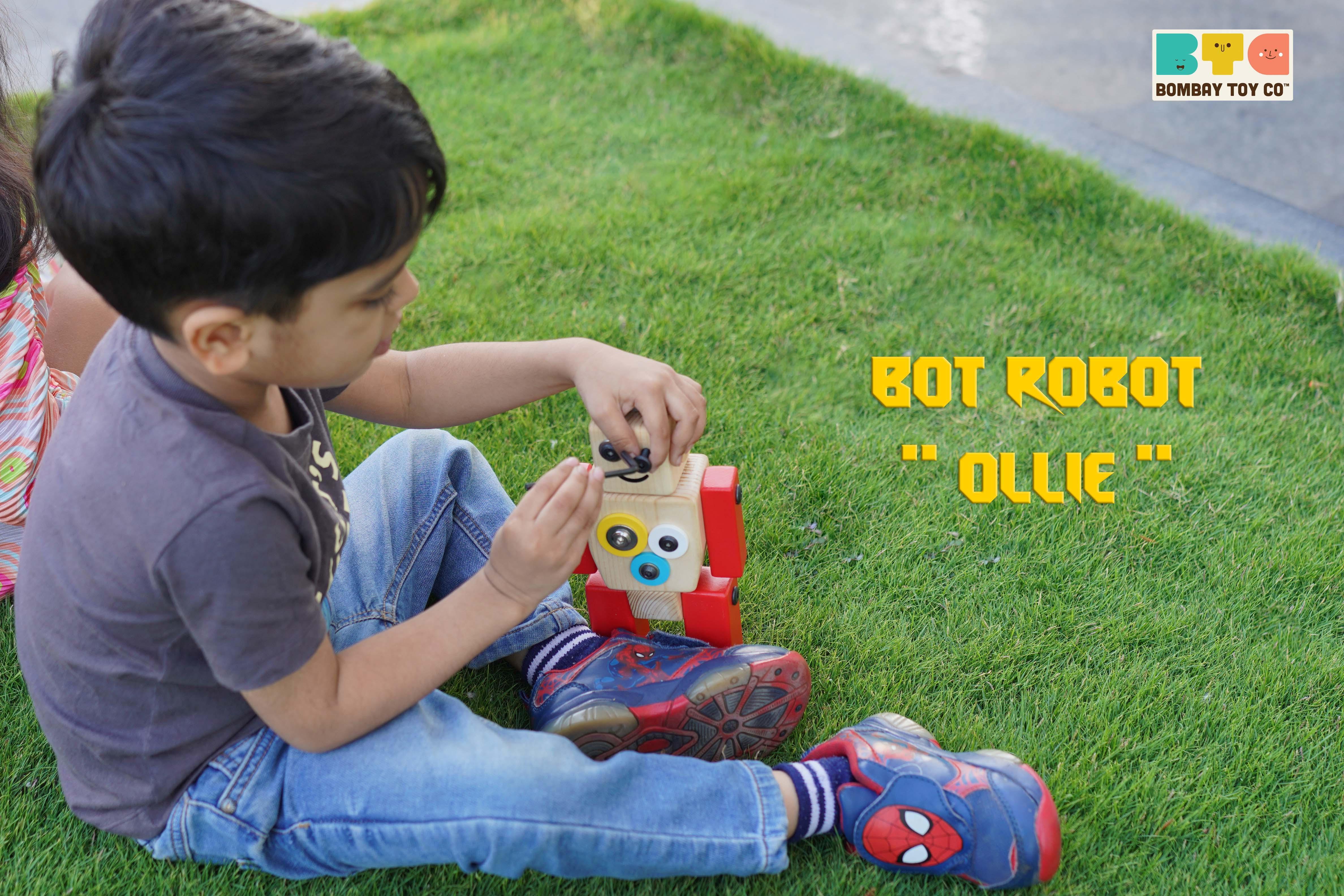


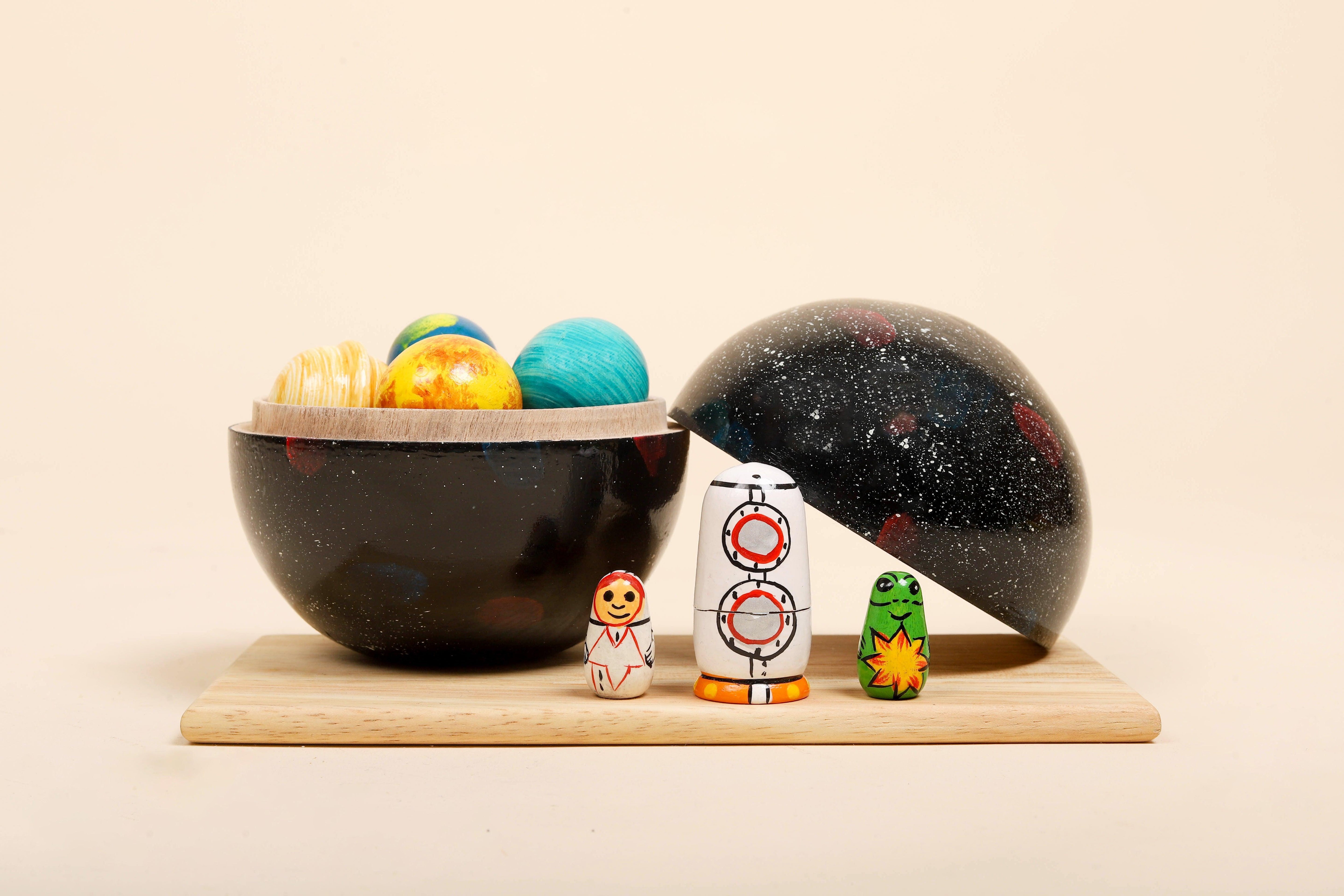
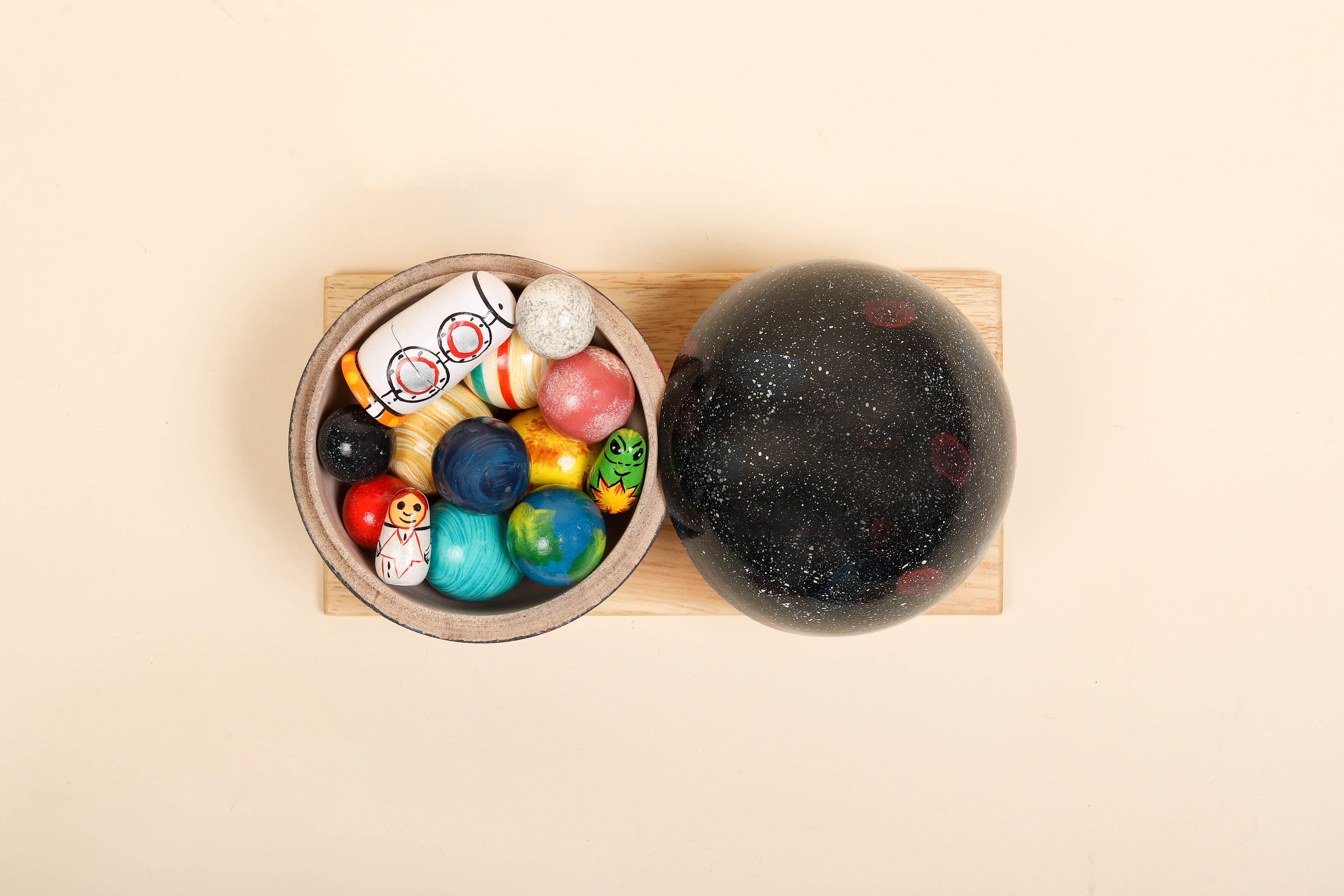
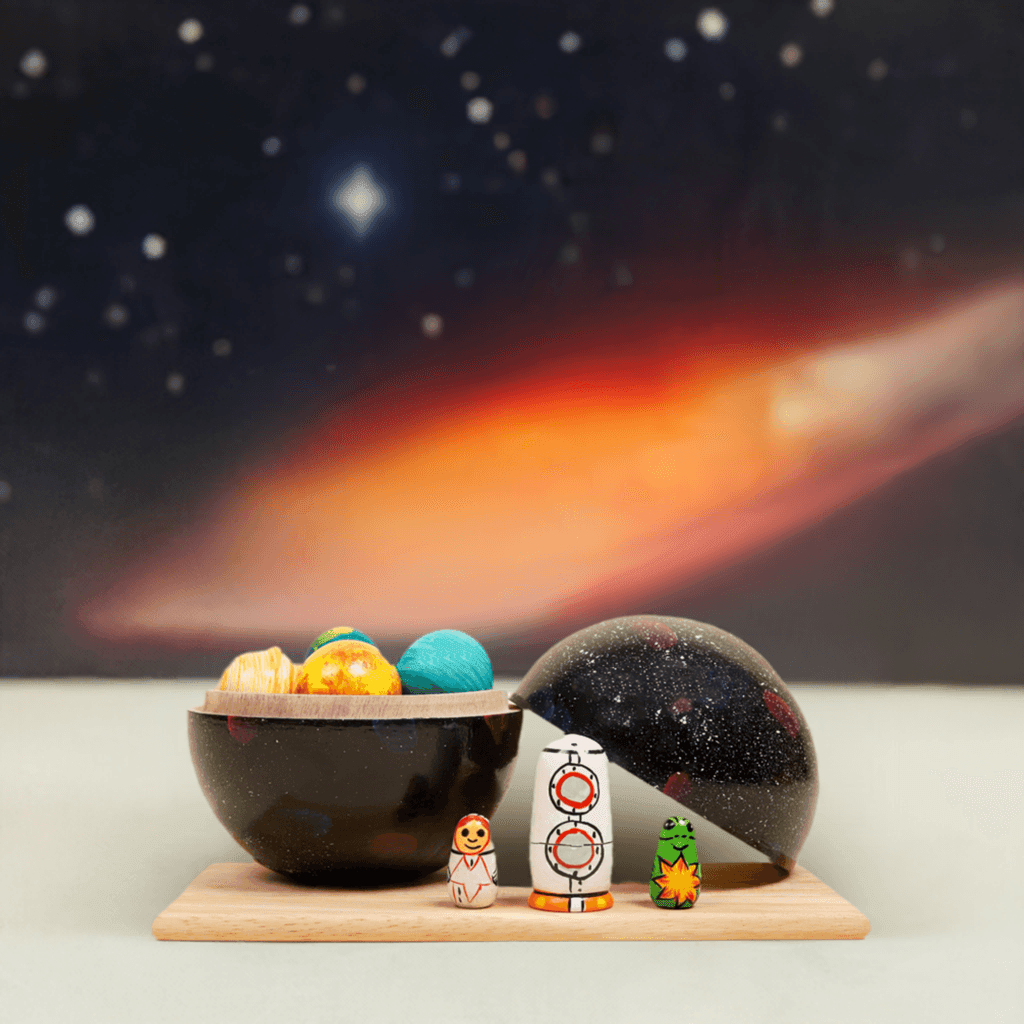




Wooden Toys for Kids | Timeless, Open-Ended & developmental Play
Wooden toys have remained a cornerstone of meaningful childhood play for generations. In a world increasingly filled with screens and overstimulating plastic toys, wooden play materials bring children back to something simpler, slower, and more intentional.
At Bombay Toy Company, wooden toys are designed to support creativity, independence, and hands-on learning. Each piece is thoughtfully crafted from responsibly sourced wood and child-safe finishes, encouraging children to explore, build, imagine, and discover at their own pace.
Parents often describe wooden toys as “calming play” because they do not dictate how a child should interact. Instead, they allow space for imagination to lead the way.
Why Wooden Toys Matter in Early Childhood
Wooden toys are not just alternatives to plastic toys. They serve a deeper developmental role by encouraging children to engage with the world in a tactile and imaginative way.
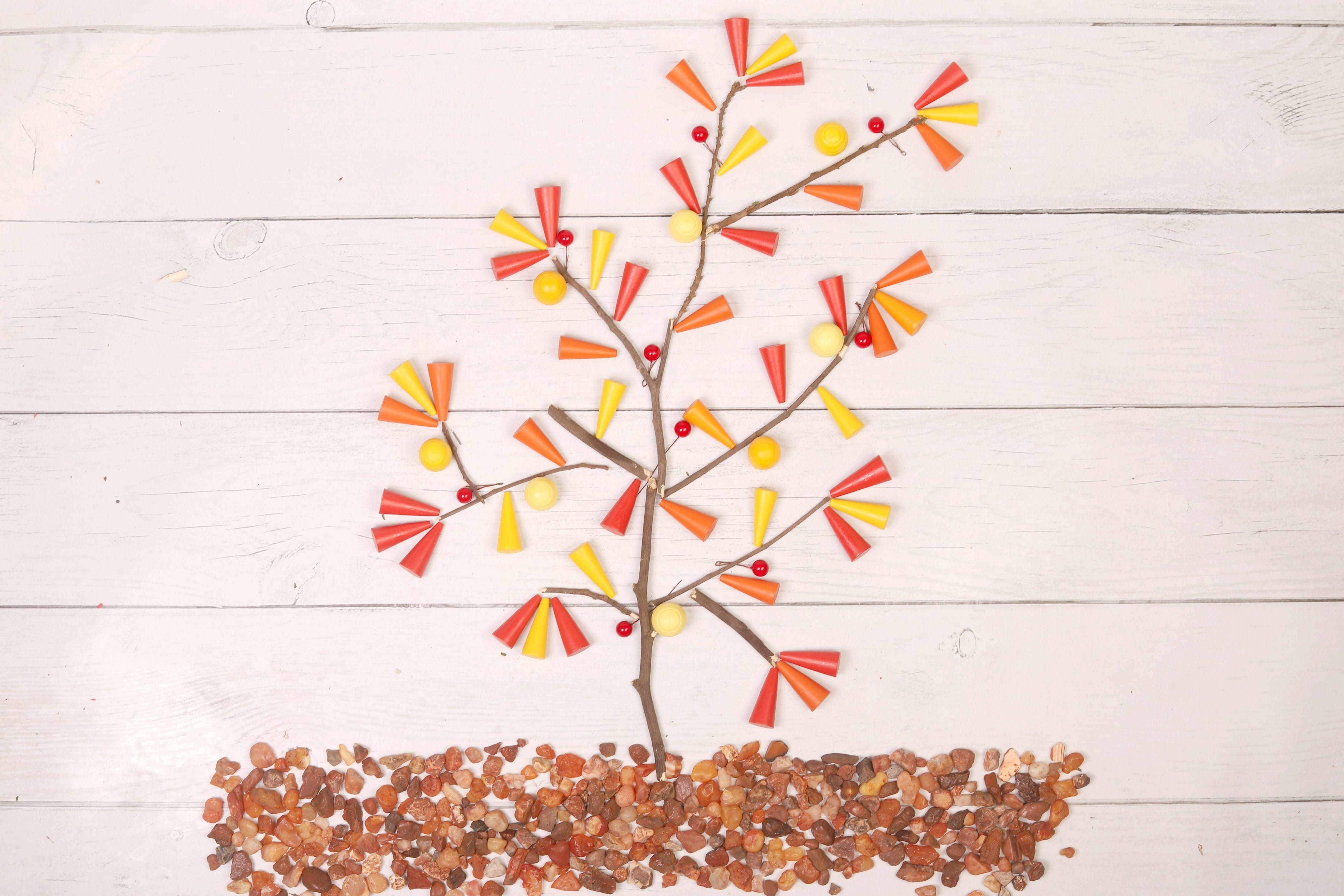
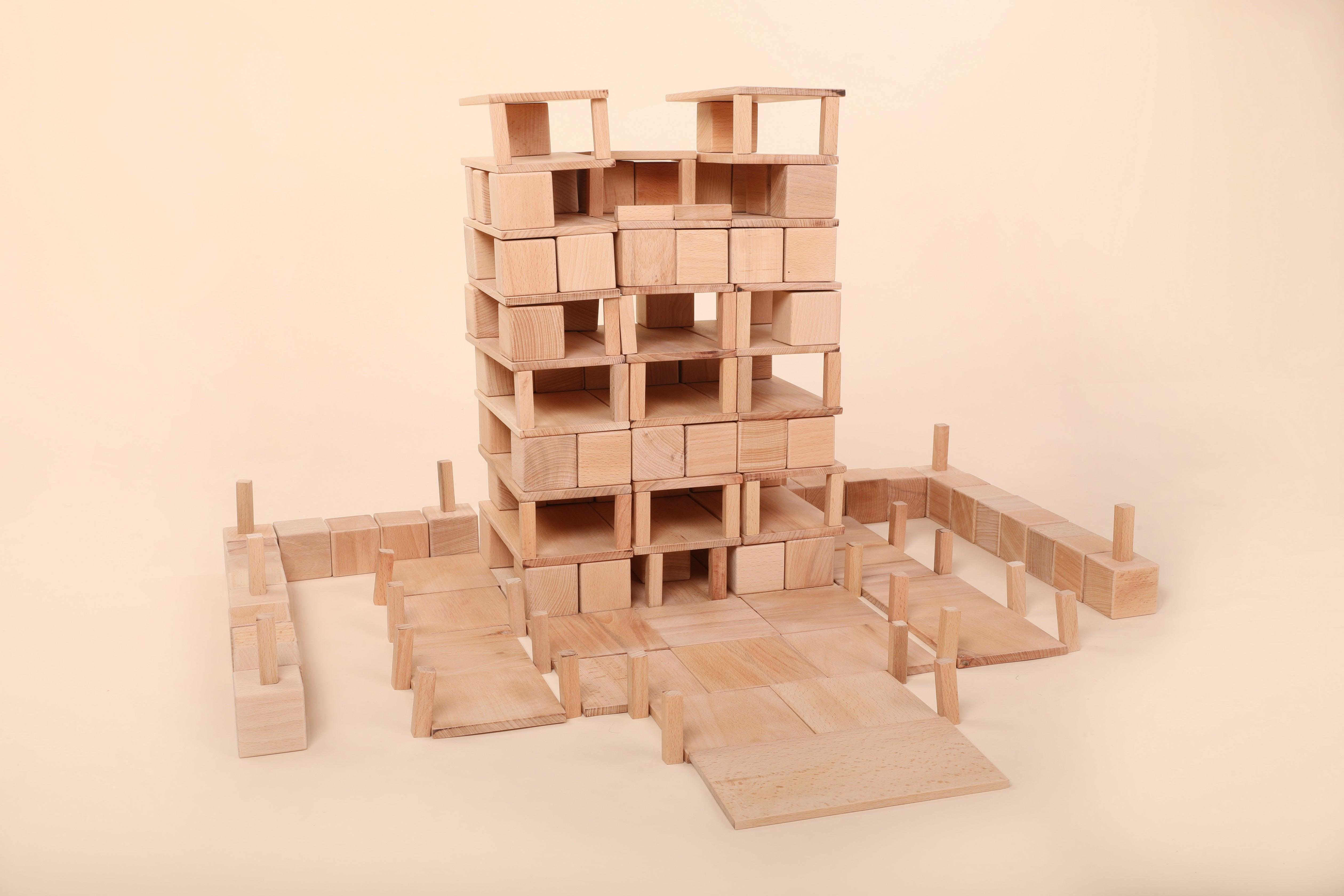
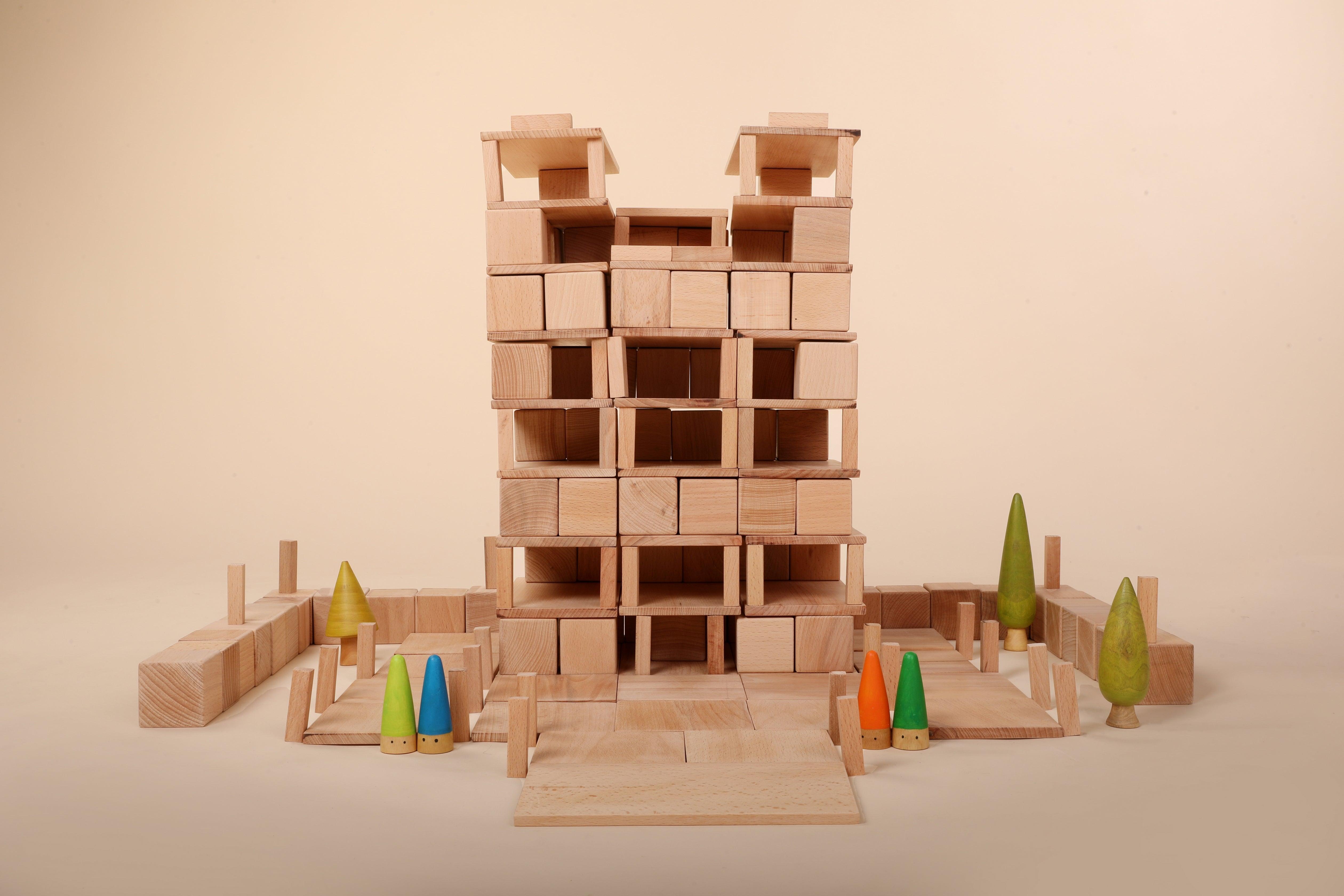
A wooden block does not have a fixed purpose. It can become a house, a bridge, a car, or part of a larger story. This type of open-ended play helps children build flexible thinking and creativity.
This aligns closely with the philosophy of Open Ended Play, where children are not instructed how to play but are instead invited to create their own rules, stories, and worlds.
How Wooden Toys Support Child Development
Wooden toys naturally integrate into early learning environments because they encourage learning through experience rather than instruction.
They help children develop:
Sensory awareness and coordination
The natural texture, weight, and balance of wood help children refine touch-based learning and motor control.
Focus and attention span
Without lights, sounds, or digital feedback, children stay engaged longer through self-directed exploration.
Creative thinking
Simple objects become multiple possibilities, supporting imagination and flexible thinking.
Early problem solving
Stacking, sorting, and building activities encourage children to test ideas and adjust outcomes naturally.
These principles are especially important in collections like Wooden Learning Toys and Wooden Educational Toys, which focus on guided skill development through play.
Wooden Toys and Montessori Inspired Learning
Wooden toys are closely aligned with Montessori principles, where learning happens through hands-on interaction and self-directed activity.
Instead of instructions or fixed outcomes, children are given materials that encourage exploration and repetition.
In Montessori environments, wooden materials support independence and confidence building through simple, purposeful design.
You can explore this approach further in our Wooden Montessori Toys collection, which focuses on structured yet open-ended learning experiences.
Types of Wooden Toys and How They Support Play
Wooden toys cover a wide range of play experiences, each supporting different stages of development.
Building and construction play
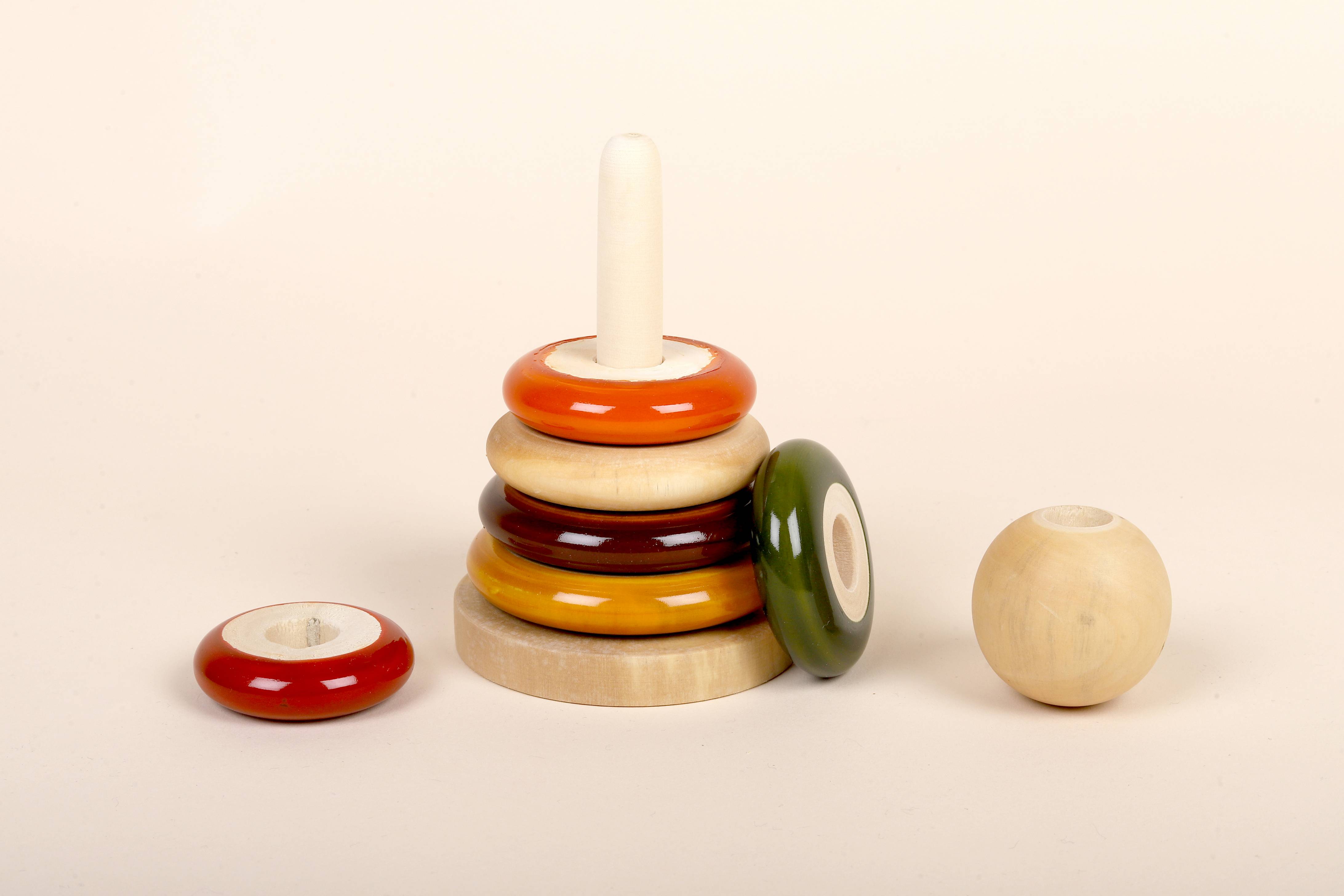
Wooden blocks and stacking sets help children understand balance, structure, and spatial awareness.
Explore more in Wooden Blocks Toys and Wooden Stacking Toys.
Imaginative and role play
Doll houses, kitchens, and pretend environments allow children to recreate real-world experiences and develop storytelling skills.
See Wooden Pretend Play Toys and Wooden Kitchen Set.
Early problem solving
Puzzles and sorting activities build logic, patience, and cognitive flexibility.
Explore Wooden Puzzle.
Early sensory exploration
For younger children, simple textures and shapes support foundational sensory development.
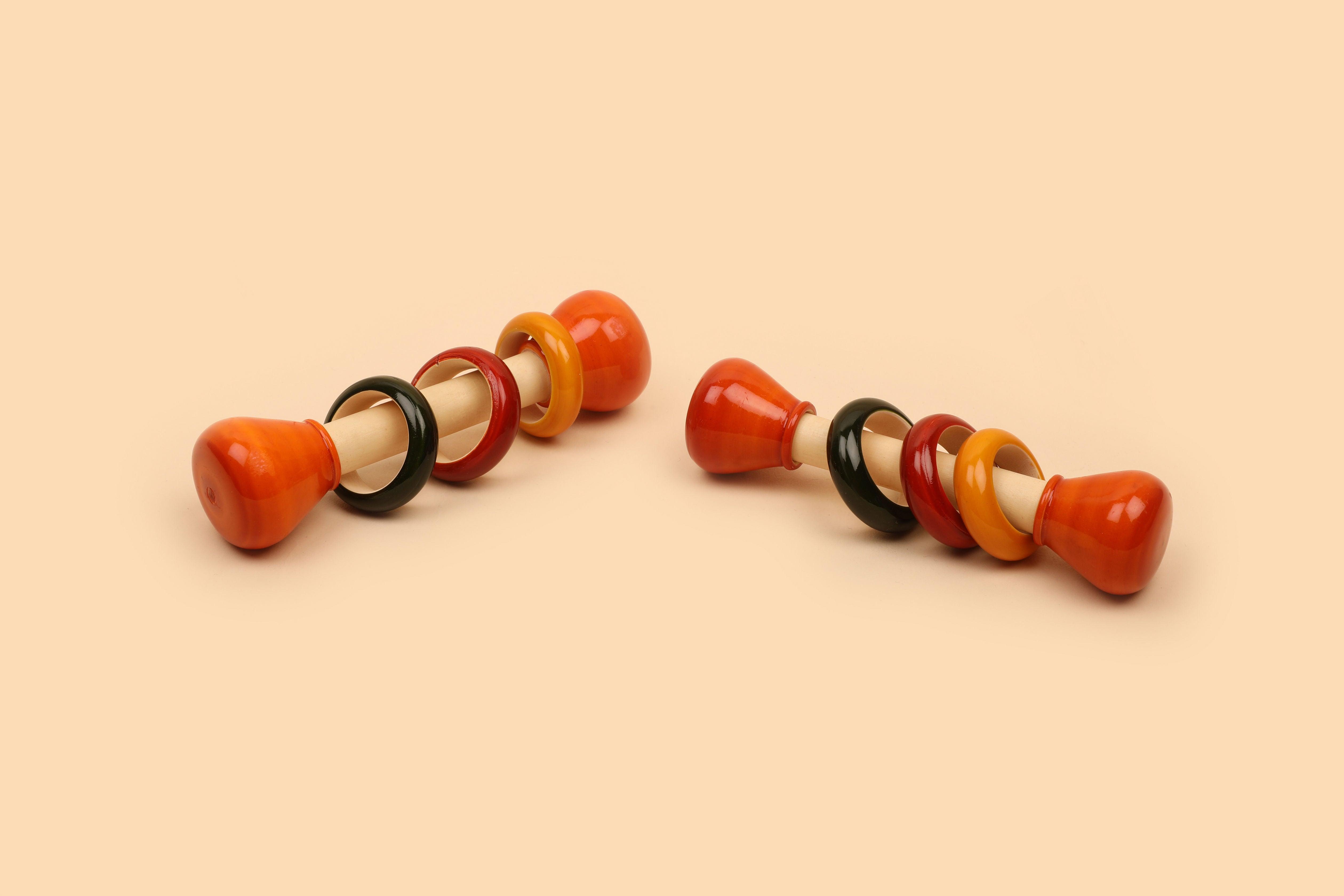
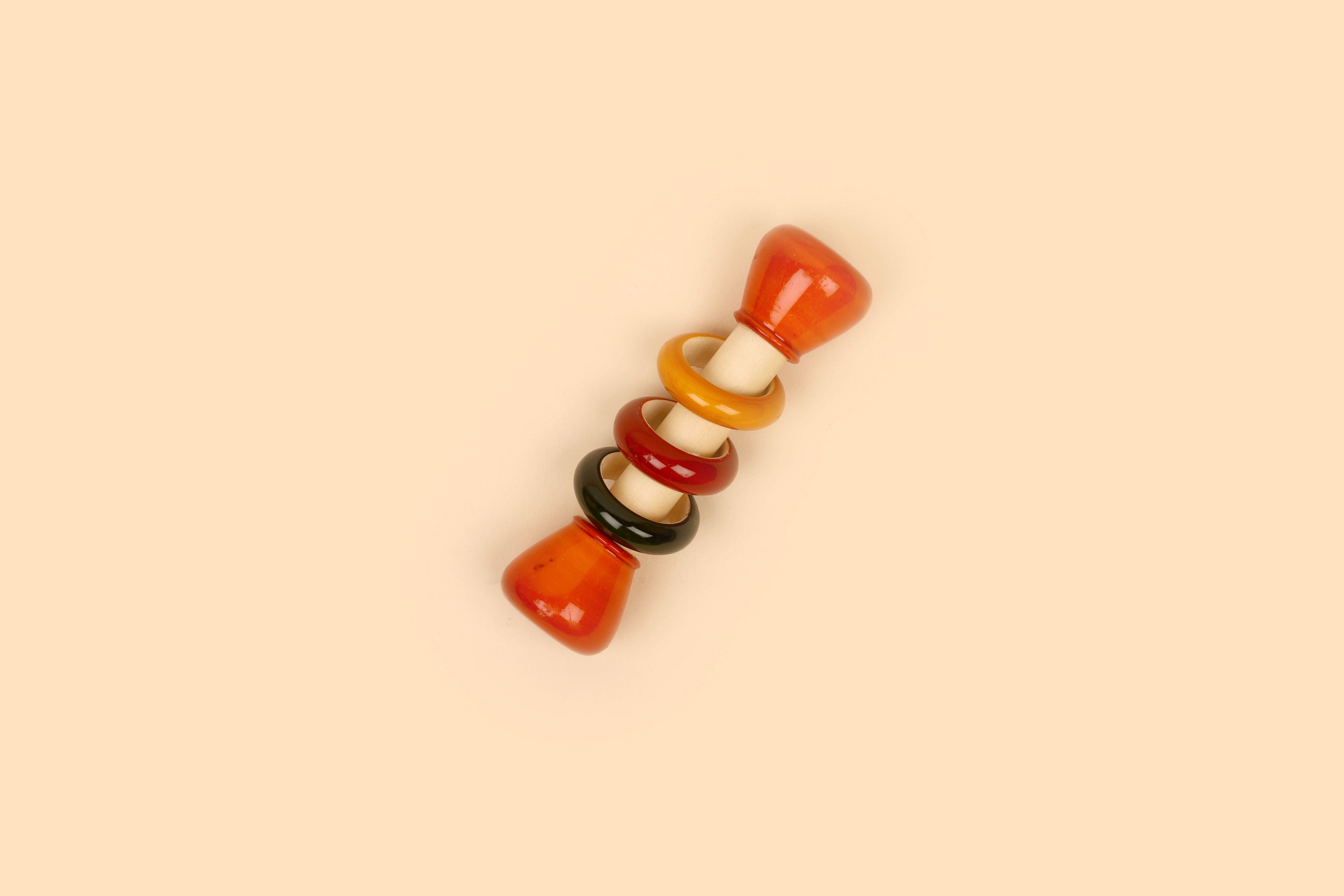
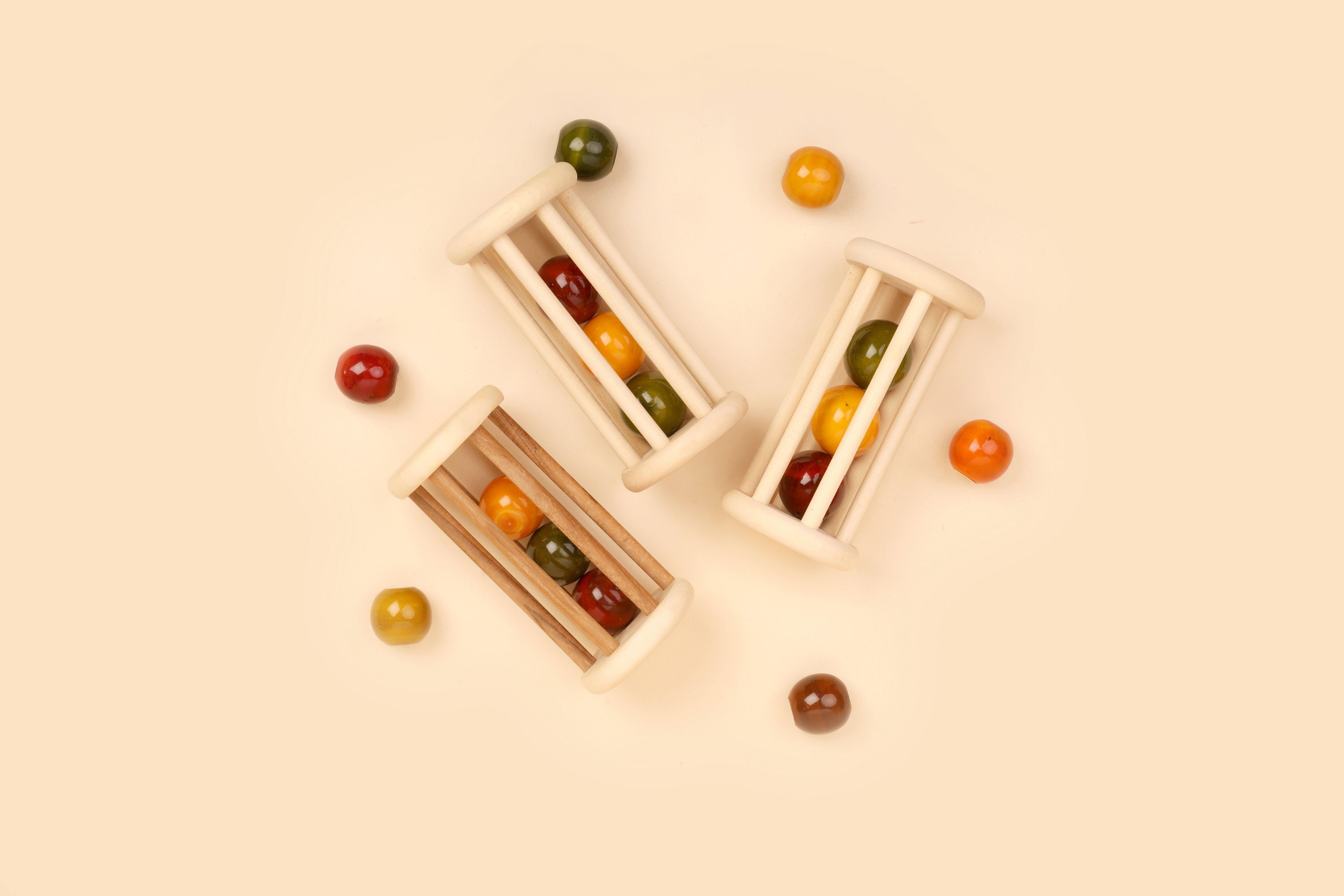
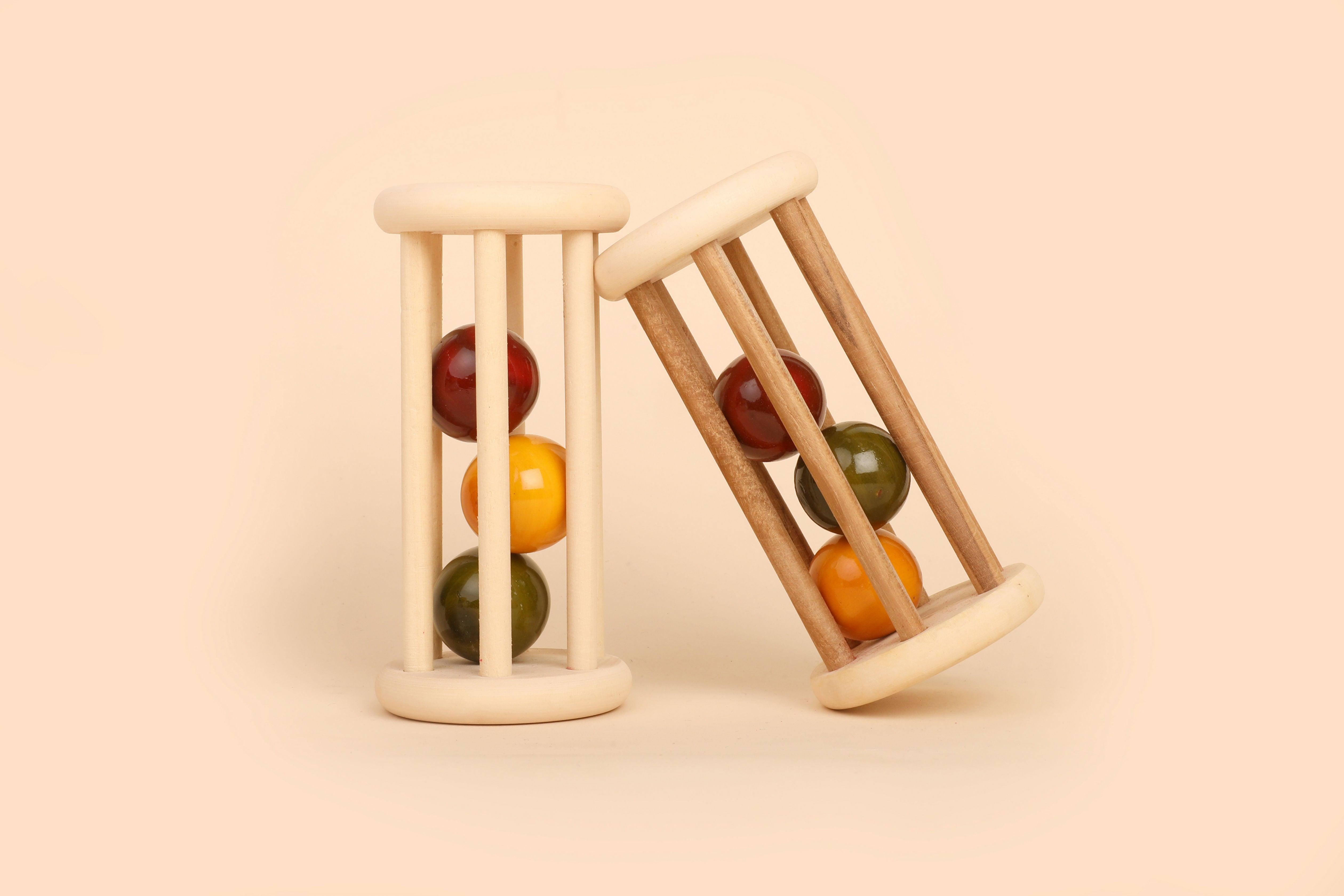
See Wooden Infant Toys and Wooden Rattles.
Wooden Toys for Different Age Groups
Wooden toys evolve with the child’s development journey.
Babies and infants
Soft, safe, and easy-to-grasp toys support early sensory exploration and motor skill development.
Explore: Wooden Toys for Babies
Toddlers
At this stage, children begin stacking, sorting, and imitating real-world actions.
Explore: Wooden Infant Toys
Preschoolers
More complex play emerges, including storytelling, construction, and early logic games.
Explore: Wooden Educational Toys
The Role of Wooden Toys in Imaginative Play
One of the most important strengths of wooden toys is their ability to support imagination without limitation.
A single object can transform into multiple meanings during play. This flexibility is what makes wooden toys a strong foundation for cognitive development.
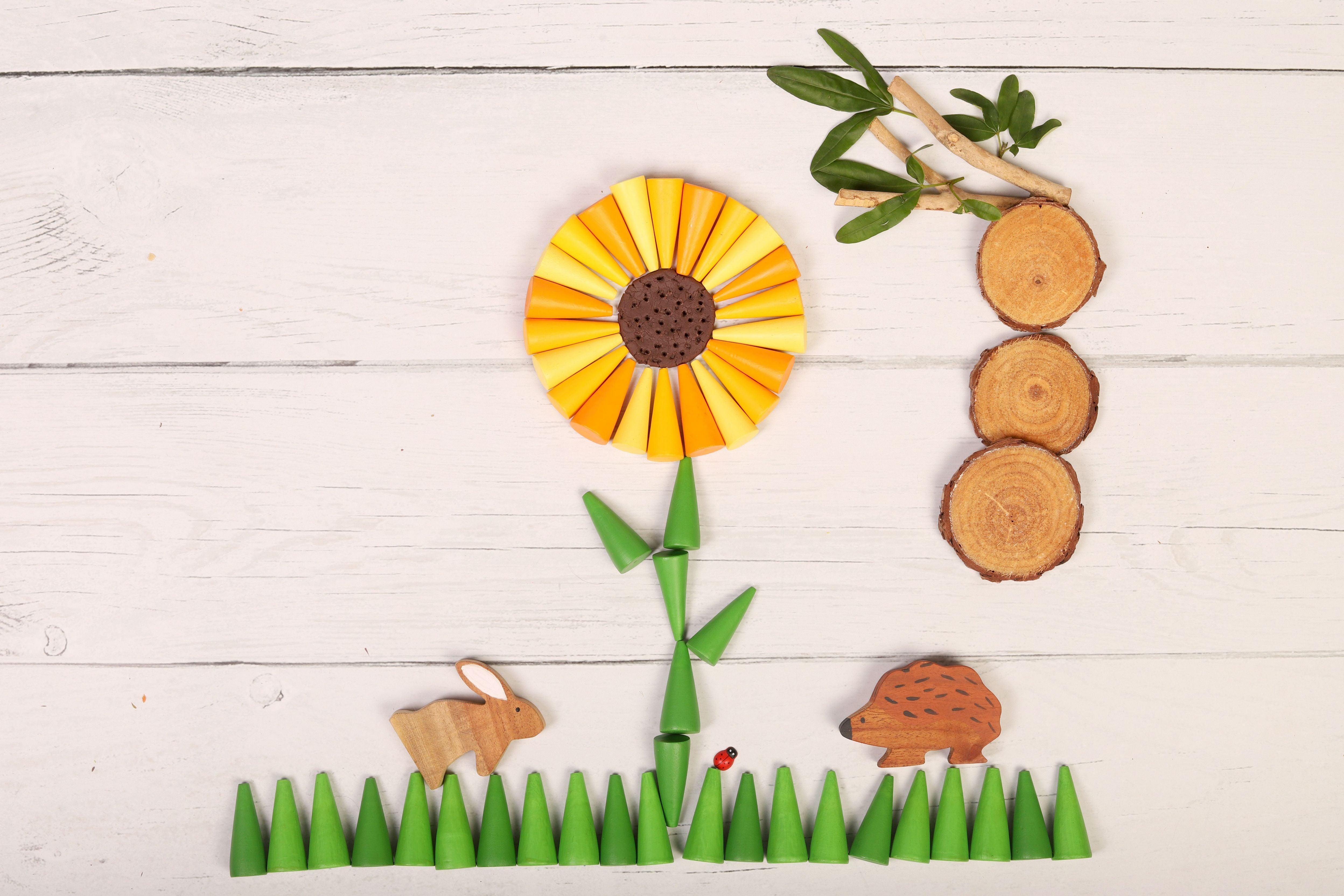
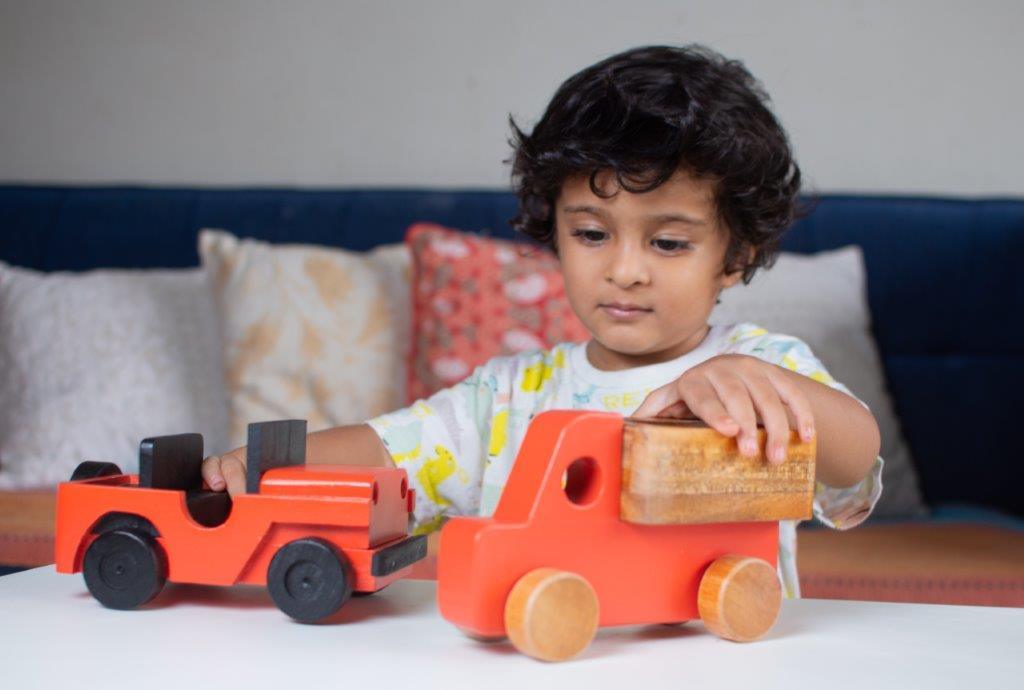
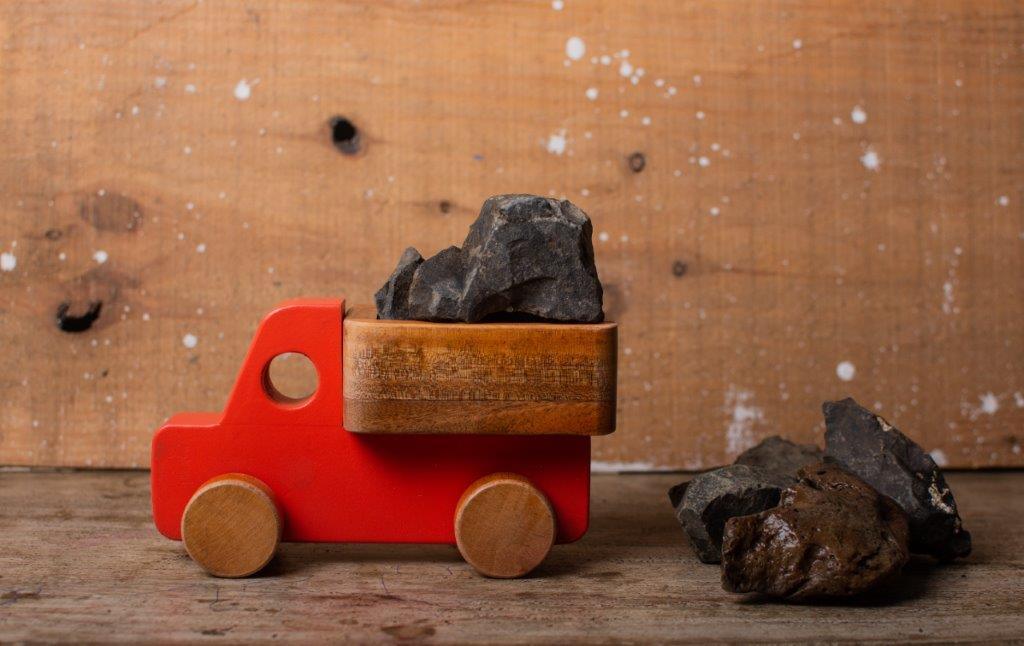
This naturally connects with collections like Wooden Animal Toys and Wooden Vehicle Toys, where storytelling and role play become central to the experience.
Sustainability and Long-Term Value
Wooden toys are also a conscious choice for families who value sustainability.
They are designed to last longer, reduce waste, and often become part of childhood memories that can be passed down through generations.
Unlike mass-produced plastic toys, wooden toys age gracefully, developing character through use.
Real Parent and Educator Insight
Parents often notice a shift in how children engage when wooden toys are introduced.
A parent once shared:
“My child no longer rushes through play. With wooden blocks, he builds, pauses, and rebuilds. It feels more thoughtful.”
A preschool educator observed:
“Wooden toys change group play dynamics. Children collaborate more, argue less, and naturally create shared stories.”
These observations reflect why wooden toys continue to be used in both home and early learning environments.
Final Thought
Wooden toys are not defined by complexity. Their strength lies in simplicity.
They allow children to slow down, think, imagine, and create without limits. In doing so, they become more than toys. They become tools for early learning, emotional grounding, and lifelong creativity.
A Closer Look at Wooden Toys
Are wooden toys better than plastic toys for children?
Wooden toys are often preferred because they support open-ended play and reduce overstimulation. Unlike electronic or plastic toys that guide play with sounds and lights, wooden toys allow children to create their own stories, improving imagination and focus. They also tend to be more durable and environmentally conscious.
At what age can children start playing with wooden toys?
Children can begin using wooden toys from infancy, depending on the design. Simple, smooth, and safely finished toys such as rattles or grasping blocks are suitable for babies. As children grow, they naturally transition into stacking toys, puzzles, and pretend play sets that match their developmental stage.
Do wooden toys help with learning and development?
Yes, wooden toys support multiple areas of early development including fine motor skills, hand-eye coordination, problem solving, and creative thinking. They are commonly used in Montessori-inspired learning environments because they encourage self-directed exploration and practical learning through play.
Are wooden toys safe for babies and toddlers?
High-quality wooden toys made with non-toxic finishes and smooth edges are generally safe for babies and toddlers. It is important to choose age-appropriate designs that avoid small detachable parts for younger children. Safety standards and material quality play a key role in ensuring safe play.
How do wooden toys encourage independent play?
Wooden toys do not dictate how they should be used. A simple block or shape can become many things in a child’s imagination. This flexibility allows children to play independently, make decisions, and build their own play scenarios without constant guidance from adults.
How should wooden toys be maintained?
Wooden toys should be kept dry and cleaned with a soft cloth. Avoid soaking them in water or using harsh chemicals, as natural wood can absorb moisture. Proper care ensures that they remain durable and safe for long-term use, often lasting through multiple stages of childhood.
FAQ
Everything Parents Ask About Wooden Toys
Are wooden toys safe for babies?
Yes! Our wooden toys are made from natural, untreated wood and coated with non-toxic, food-grade finishes — safe even for teething babies.
How should I clean and maintain wooden toys?
Wipe gently with a damp cloth and allow them to air dry. Avoid soaking or using harsh cleaners to preserve the wood’s natural texture.
Are wooden toys better than plastic toys?
Wooden toys are more durable, eco-friendly, and encourage imaginative, hands-on play without overstimulation. They also have a longer lifespan and lower environmental impact.
Do you offer gift options?
Yes! You can explore our Bundles & Combos or send a Gift Card to share the joy of timeless play.
Testimonials
Aarti Patel, Ahmedabad | Montessori Parent
The craftsmanship is beautiful. My toddler builds new stories every day with the same set of blocks!
Kavya Nair, Bengaluru | Preschool Mom
Simple, natural, and so calming. These toys made playtime peaceful again.
Rahul Joshi, Pune | Father of Two
Timeless Toys, Endless Imagination
Finally toys that don’t break or beep — just pure imagination and connection.