Science Toys for Curious Kids Who Love to Explore, Build & Experiment
Children naturally learn through curiosity. Science toys help turn everyday questions into hands-on discovery by encouraging observation, experimentation, problem solving, and creative thinking through play. At Bombay Toy Company, our science toys collection is designed for children who enjoy building, testing, exploring, and understanding how things work in the real world.
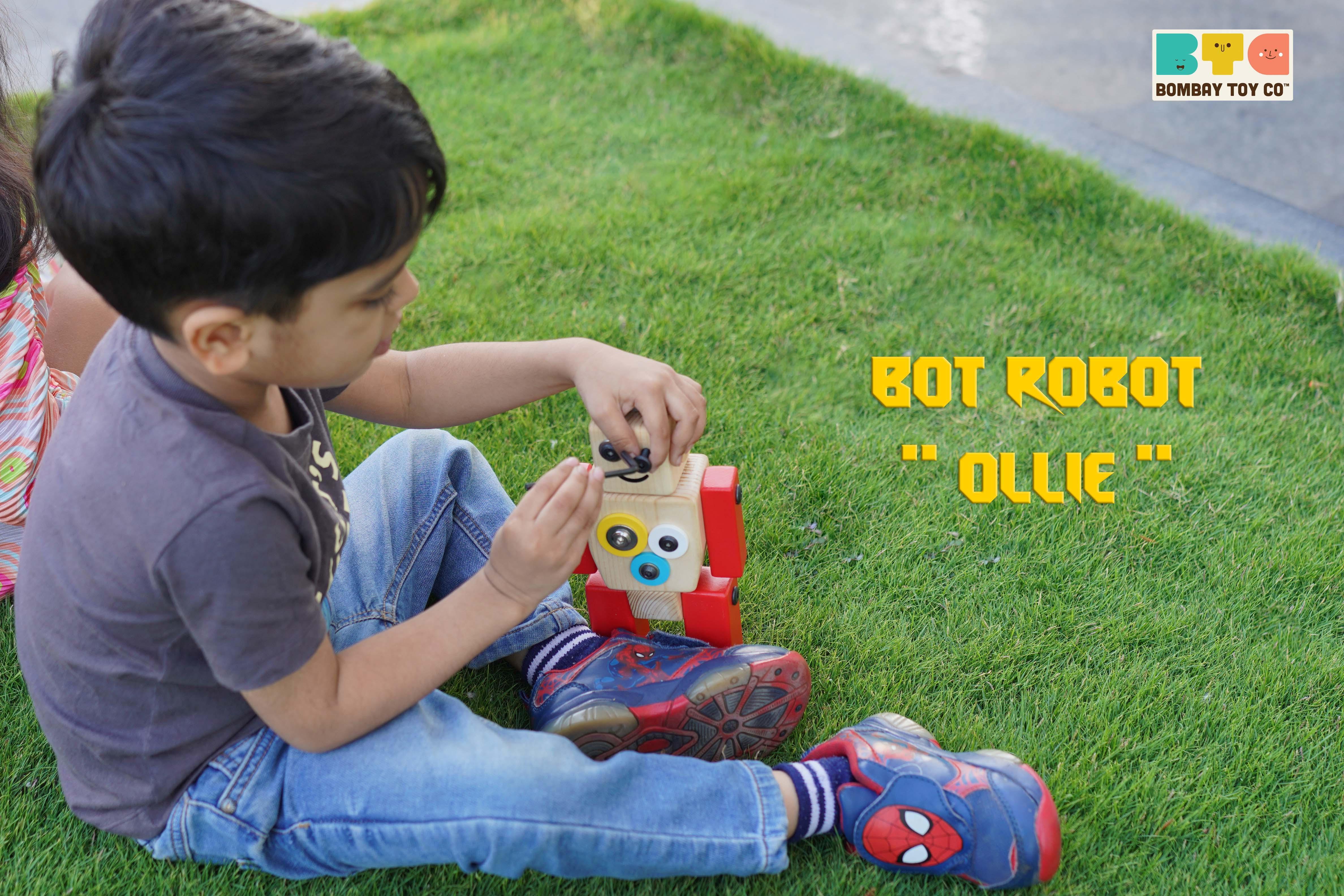
From beginner STEM activities and hands-on learning kits to interactive educational toys that support logical thinking, this collection encourages active learning without making play feel academic or screen dependent. These toys help children strengthen focus, patience, creativity, coordination, reasoning, and independent exploration through age-appropriate play experiences.
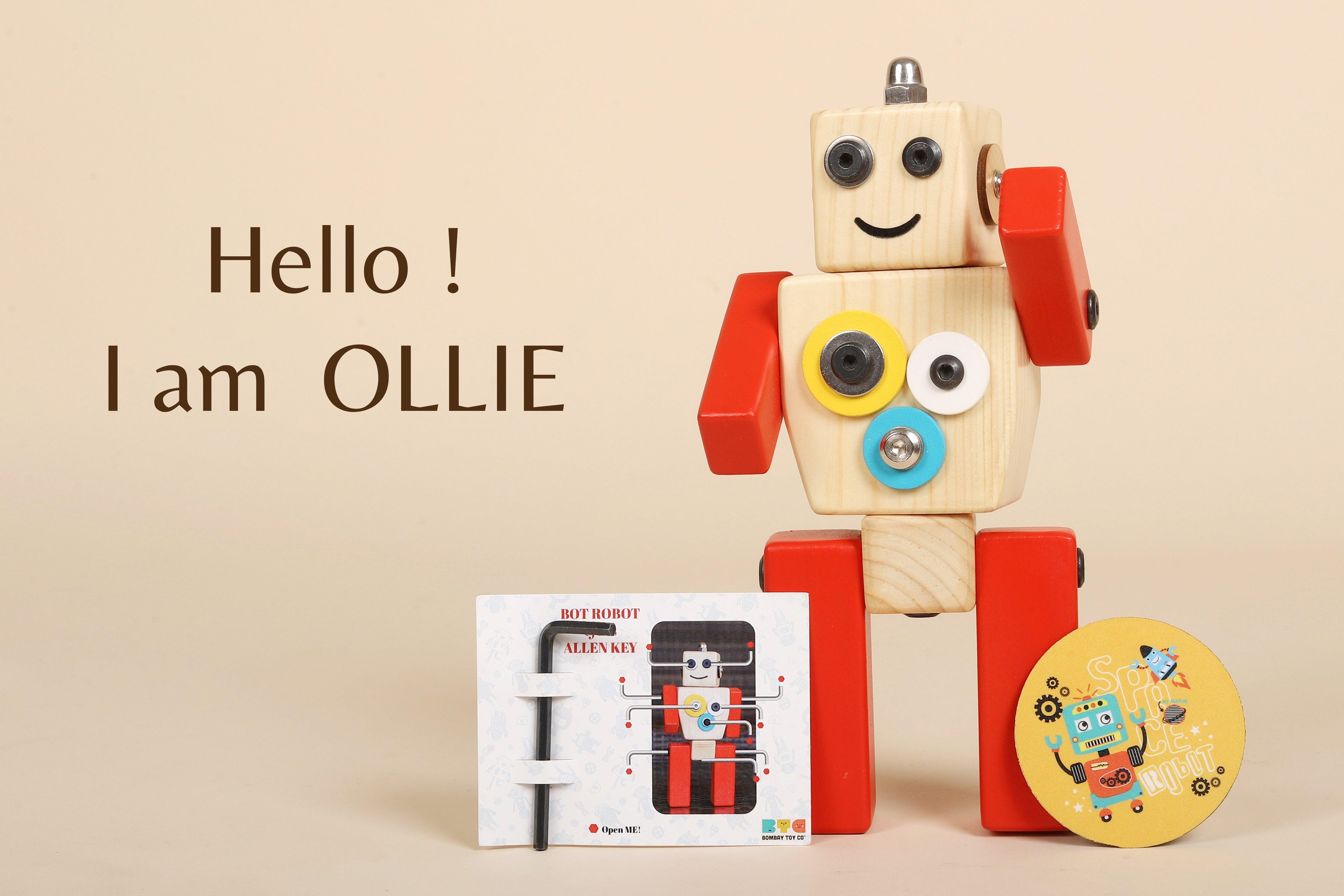
Our science toys are thoughtfully selected for open-ended learning and skill development. Many toys in this collection support early engineering concepts, sensory learning, motor development, spatial awareness, experimentation, and problem-solving through tactile play.
Parents often search for science toys when looking for educational gifts, STEM toys for kids, learning toys for curious children, problem solving toys, or hands-on educational activities that go beyond passive entertainment. This collection brings those learning-focused experiences together in one place while keeping play engaging and child-led.
Whether you are introducing simple scientific thinking to toddlers or encouraging deeper exploration for preschoolers and older children, science-based play helps children develop confidence in asking questions, testing ideas, and learning through discovery.
Why Science Toys Matter in Early Childhood
Science toys help children learn through experimentation instead of memorization. When children stack, balance, sort, build, observe, test, trace, connect, or create, they begin understanding patterns, relationships, sequencing, movement, cause and effect, and real-world logic.
Hands-on science play may support:
- Logical thinking and reasoning
- Curiosity-led exploration
- Early STEM learning
- Fine motor skill development
- Independent problem solving
- Creativity and experimentation
- Focus and concentration
- Sensory exploration
- Confidence through trial and error
- Early engineering and construction concepts
Unlike screen-based learning, tactile science toys encourage children to physically interact with materials, objects, textures, shapes, and movement while exploring new ideas naturally.
Science Toys for Different Age Groups
Science Toys for Toddlers
For younger children, science-based learning starts with sensory experiences, movement, stacking, sorting, matching, and exploration. Toys that encourage observation and simple experimentation can help toddlers understand basic concepts through repetition and hands-on play.
Popular toddler-friendly science toys may include:
- Wooden stacking toys
- Shape sorting toys
- Sensory play materials
- Simple construction toys
- Wooden puzzles
- Fine motor learning toys
- Cause-and-effect toys
- Montessori educational toys
Science Toys for Preschoolers
Preschool-aged children begin developing stronger reasoning, sequencing, and experimentation skills. Open-ended STEM toys and educational activities become highly effective during this stage.
Parents often choose:
- Construction toys
- STEM toys for kids
- Tracing boards
- Building toys
- Logic games
- Science activity kits
- Educational wooden toys
- Pretend play learning sets
Science Toys for Older Kids
Older children typically enjoy challenge-based learning, experimentation, structured building, and strategy-focused play. Toys that involve critical thinking and independent exploration help sustain engagement while supporting learning.
These may include:
- Engineering toys
- Strategy games
- Puzzle-based activities
- Building and construction sets
- Advanced STEM activities
- Interactive learning kits
- Science experiments for kids
STEM Learning Through Play
Science toys naturally overlap with STEM learning because children explore science, technology, engineering, and mathematics through practical experiences.
Instead of focusing only on outcomes, STEM play encourages children to ask questions such as:
- What happens if I change this?
- Why does this move?
- How can I balance this?
- What can I build next?
- How do these pieces connect?
- Can I solve this differently?
This style of exploratory learning supports independent thinking and deeper engagement.
Choosing the Right Science Toys for Kids
When selecting science toys, it helps to focus on how the child prefers to learn and play.
Some children enjoy:
- Building and construction
- Movement and experimentation
- Puzzles and logical thinking
- Sensory exploration
- Open-ended creativity
- Sorting and sequencing
- Hands-on discovery
- Pretend play with educational elements
The best science toys often encourage repeated play and allow children to explore multiple outcomes instead of following only one fixed process.
Safe & Thoughtful Educational Play
At Bombay Toy Company, we focus on meaningful play experiences designed for real childhood engagement. Many toys across our collections are inspired by Montessori learning, open-ended play, sensory exploration, Waldorf-inspired learning, and hands-on educational experiences.
We believe educational toys should feel playful first. Children learn best when they remain curious, engaged, and emotionally connected to what they are exploring.
Explore More Learning Collections
Looking for more educational and skill-building toys for children? Explore related collections below:
STEM Toys for Kids, Construction Toys, Problem Solving Toys, Tracing Boards, Wooden Learning Toys, Educational Toys for Kids, Montessori Toys, Wooden Montessori Toys, Sensory Play, Fine Motor Skill Toys
Playful Learning Parents Often Ask About
What are science toys for kids?
Science toys are educational toys that encourage children to explore concepts like problem solving, observation, experimentation, movement, building, sequencing, and logical thinking through hands-on play.
Are science toys the same as STEM toys?
Science toys are often part of STEM learning because they support exploration related to science, engineering, mathematics, and problem solving. Many STEM toys include building, construction, experimentation, and critical thinking activities.
Which science toys are good for preschoolers?
Preschoolers often enjoy construction toys, tracing boards, sensory learning toys, STEM activities, puzzles, wooden learning toys, and open-ended educational toys that encourage experimentation and independent play.
Do science toys help with brain development?
Hands-on educational toys may support concentration, memory, reasoning, creativity, coordination, and problem solving by encouraging active learning and exploration.
What should I look for in a good science toy?
Good science toys encourage curiosity, experimentation, creativity, and repeated play. Open-ended toys that allow children to build, test, explore, and solve problems often provide long-term engagement.
Are wooden science toys better for open-ended learning?
Wooden educational toys are often preferred for tactile play, sensory exploration, durability, and screen-free learning experiences. They can support calm, focused, and imaginative play.
Discover Science Toys That Make Learning Feel Natural
Science toys help children learn by exploring, experimenting, building, and discovering through play. Whether your child enjoys STEM activities, sensory learning, construction toys, puzzles, or educational wooden toys, this collection encourages curiosity-led learning designed around real childhood play experiences.