
If you walk into a typical Indian toy store today, you are greeted by a wall of bright, flashing plastic. It sings, it dances, and it demands your child's attention. But does it hold it? Many Indian parents are noticing that despite having overflowing toy baskets, their children are often bored, overstimulated, or glued to screens.
Enter the quiet revolution of Wooden Montessori toys. Rooted in a philosophy that values concentration, independence, and natural materials, these toys are making a massive comeback in modern Indian households. But are they just an aesthetic trend for Instagram, or do they offer real developmental value compared to traditional battery-operated toys?
Let’s break down why switching to Montessori toys might be the best investment for your child’s future.
The fundamental Difference: Passive vs. Active Play
The biggest distinction between a traditional flashing toy and a Montessori wooden toy is who does the work.
- Traditional Toys: The toy plays, and the child watches. When you press a button, and the toy lights up or sings a rhyme, the child is a passive observer. This provides instant gratification but limits creative thinking.
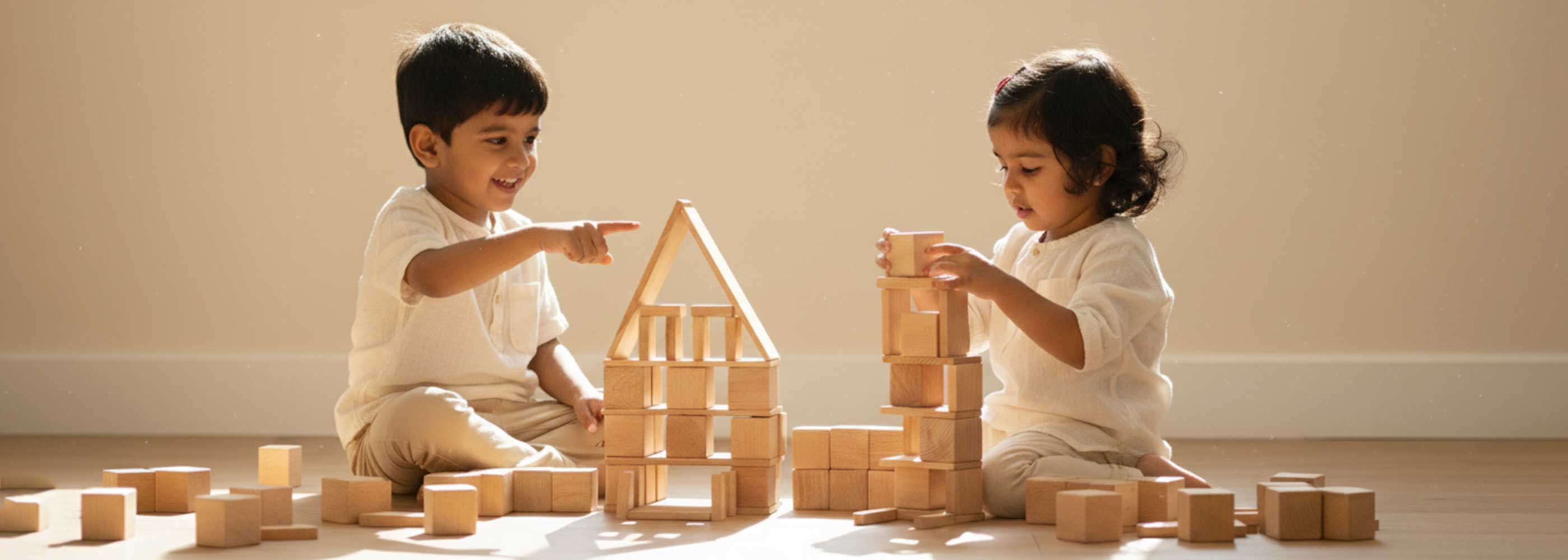
- Montessori Toys: The child plays, and the toy assists. A wooden block doesn't do anything until the child picks it up. This encourages active play, critical thinking, and problem-solving.
For Montessori toys toddlers engage with, the goal is to master a skill—be it grasping, stacking, or sorting—rather than simply being entertained.
Why Indian Parents Are Choosing Wood Over Plastic
1. Sensory Development and Grounding
In our humid climate, plastic toys often feel sticky or artificial. Educational wooden toys offer a unique sensory experience. They have weight, texture, and a natural warmth. When a baby handles a wooden rattle, they learn about gravity and density in a way that lightweight hollow plastic cannot teach.
2. Durability: The "Hand-Me-Down" Culture
In India, we value things that last. We pass clothes and jewelry down to siblings and cousins. Plastic toys often break or run out of batteries within months. High-quality Wooden Montessori toys are heirloom pieces. They survive the rough handling of a toddler and can be passed down to the next generation, making them sustainable and cost-effective in the long run.
3. Safety and Non-Toxic Materials
With rising concerns about microplastics and BPA, wooden toys finished with non-toxic, water-based paints are a safer alternative for Montessori baby toys, especially during the teething phase.
Top Montessori Essentials for Your Child's Milestones
Transitioning to a Montessori playroom doesn't mean throwing everything away. It means curating better options. Here are a few staples:
For Fine Motor Skills
Instead of a generic plastic console, opt for a Shape sorter toy. This classic tool teaches geometry, problem-solving, and hand-eye coordination without overstimulating the child with lights and sounds.
For Focus and Independence
Looking for ways to keep your child engaged indoors during the monsoon or hot summers? A Busy board India parents love is a fantastic tool. Often featuring locks, latches, and gears, these boards foster deep concentration and life skills. You can find excellent options in collections featuring indoor games for kids.
For Cognitive Growth
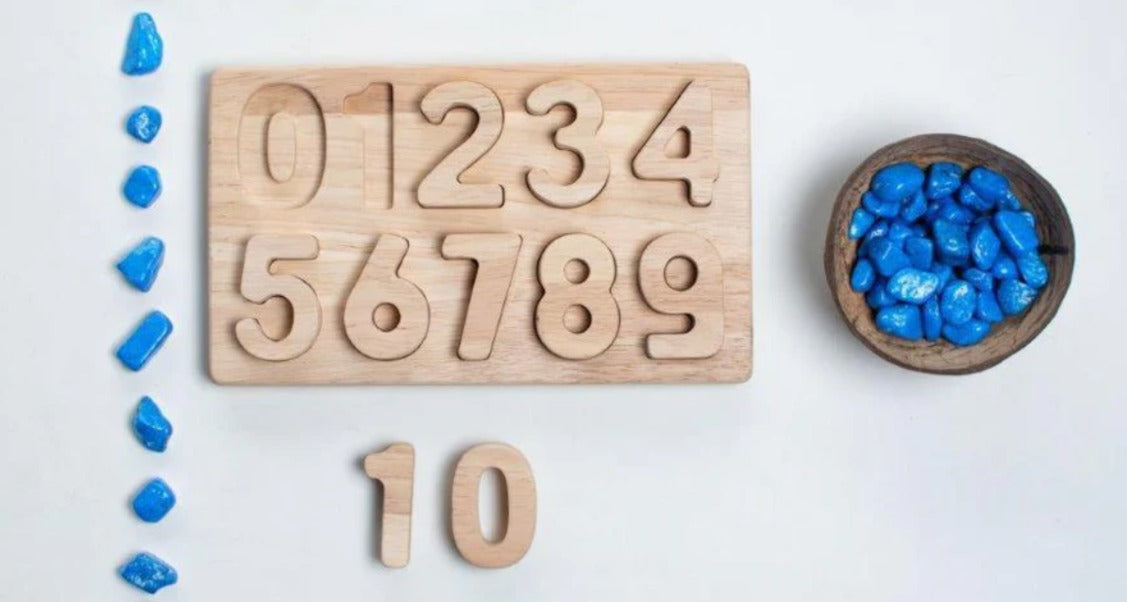
General educational toys for kids in the Montessori category are designed to isolate a single difficulty. For example, a stacking tower focuses only on size and order, allowing the child to self-correct without needing an adult to say, "You did it wrong."
FAQ: Switching to Montessori Toys in India
Q: Are wooden Montessori toys more expensive? A: Initially, they may seem pricier than cheap plastic alternatives. However, because they are durable and open-ended (one toy can be played with in many ways), you end up buying fewer toys overall, saving money in the long run.
Q: At what age should I start introducing these toys? A: You can start from birth! Montessori baby toys like wooden grasping beads or simple rattles are perfect for infants. As they grow, you can introduce puzzles and sorting games.
Q: Will my child get bored without the lights and music? A: Surprisingly, no. Children actually focus longer with simple toys because they aren't overstimulated. This builds their attention span—a crucial skill for school readiness.
Conclusion
Choosing kids learning toys is about more than just keeping a child busy; it’s about shaping how they view the world. By choosing wooden Montessori toys, you are giving your child the tools to explore, imagine, and learn at their own pace. It’s a return to simplicity that fits perfectly into the modern Indian parenting ethos of mindful living.

Leave a comment
This site is protected by hCaptcha and the hCaptcha Privacy Policy and Terms of Service apply.