
If you are an Indian parent navigating the aisles of a toy store or scrolling through endless pages online, you know the struggle. We are often bombarded with "smart" toys that promise to teach our children alphabets, numbers, and coding before they can even walk. But amidst the flashing lights and battery-operated noise, the true essence of play often gets lost.
As experts in child development and play, we know that the best toys are 90% child and only 10% toy. Whether you are looking for educational toys in India for a toddler or a grade-schooler, the goal is to find tools that spark curiosity, not just entertainment.
In this guide, we break down how to choose the right learning toys for kids that actually aid development, focusing on durability, safety, and open-ended play.
The "Less is More" Philosophy: Why Simple Works
Before adding another plastic gadget to your cart, ask yourself: "Does the toy play, or does the child play?"
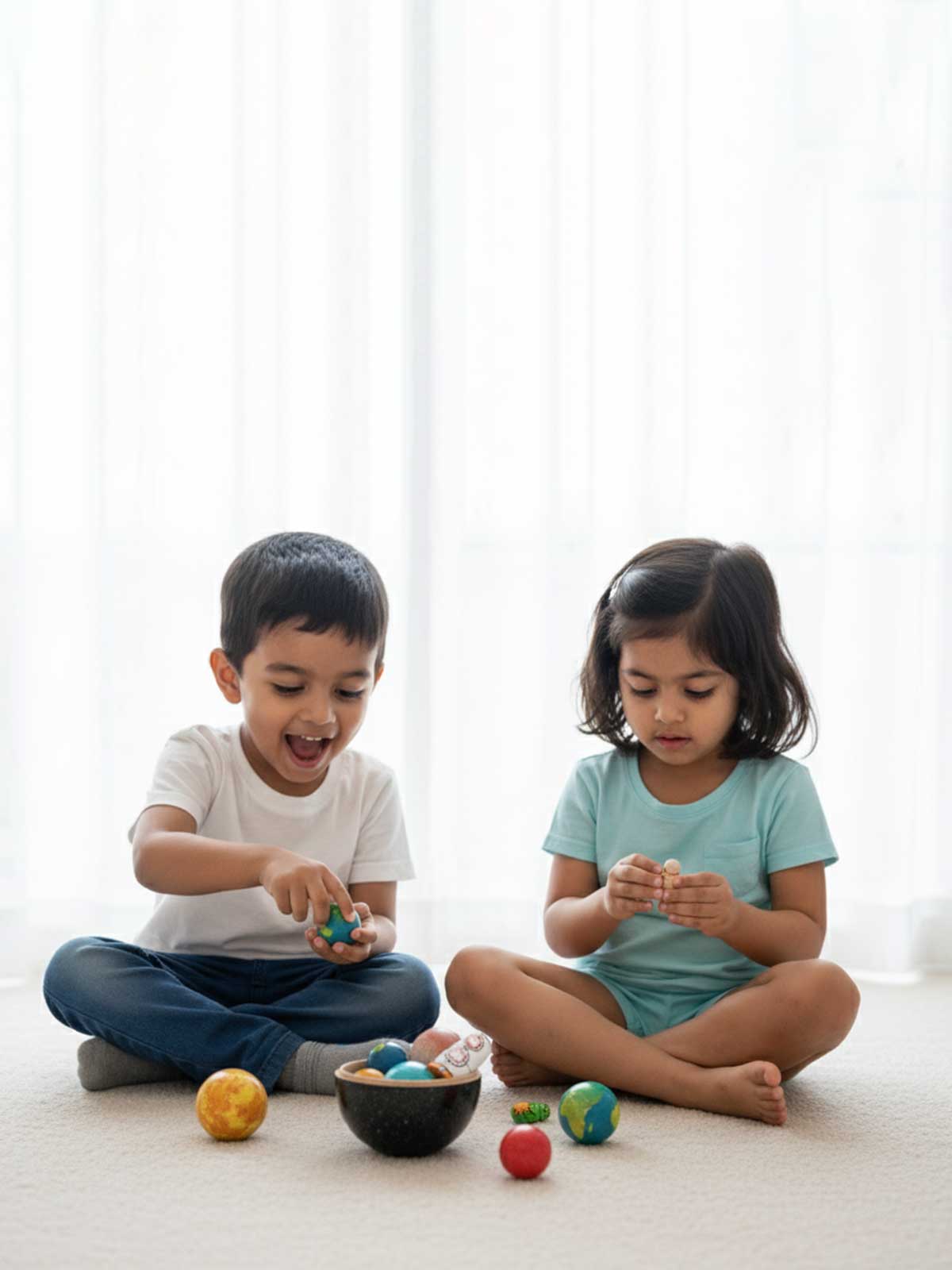
If a toy performs a song and dance at the push of a button, your child is merely a spectator. However, brain development toys—like blocks, nesting bowls, or simple puzzles—require the child to do the work. This active engagement is where neural connections are built.
Benefits of Analog Toys in a Digital World
- Enhanced Focus: Without the distraction of loud sounds, children engage deeply.
- Durability: Wooden educational toys survive the "thump and bump" of Indian households better than brittle plastic.
- Sensory Experience: The texture and weight of wood provide better sensory feedback than uniform plastic.
Age-Appropriate Guide to Educational Toys
Choosing the right toy is all about meeting the child where they are developmentally. Here is a breakdown by age group.
1. Toddlers (1–3 Years): The Explorers
At this stage, children are refining their fine motor skills and understanding cause and effect. They don't need screens; they need tactile experiences.
- Top Picks: Stacking rings, shape sorters, and hammering benches.
- Expert Tip: Look for Montessori toys in India that isolate a specific skill. For example, a coin box teaches object permanence without overwhelming the child with colors.
- Recommendation: Explore our curated range of authentic Montessori toys in India to start your toddler’s journey right.
2. Preschoolers (3–5 Years): The Builders
This is the golden age of imagination. Children start engaging in pretend play and solving slightly complex problems.
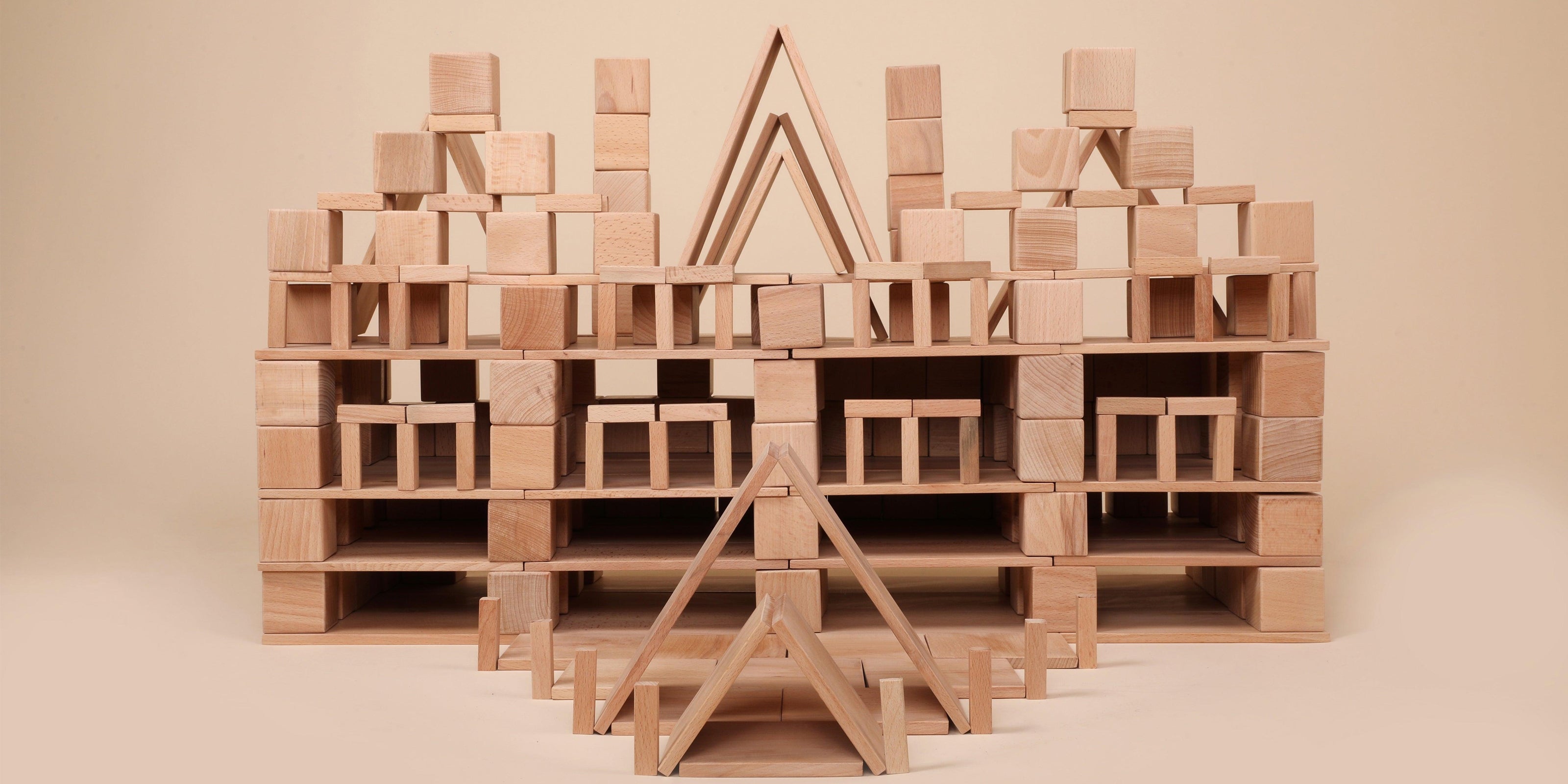
- Top Picks: Kids puzzles online, building blocks, and role-play sets (like kitchen sets or doctor kits).
- Focus: Look for activity toys for kids that encourage social play and patience.
- Recommendation: Browse our comprehensive collection of educational toys for kids designed specifically to challenge growing minds.
3. School Age (5+ Years): The Scientists
As children enter school, their ability to think logically expands. This is the perfect time to introduce concepts of engineering and math through play.
- Top Picks: STEM toys for kids, complex construction sets, and strategy board games.
- Why it works: These toys turn abstract concepts (gravity, balance, geometry) into tangible reality.
- Recommendation: For rainy days or family bonding, check out our selection of engaging indoor games for kids that double as learning tools.
Key Features of a High-Quality Learning Toy
When evaluating a toy, run it through this quick checklist:
- Open-Ended: Can it be used in more than one way?
- Passive: Does it wait for the child to activate it?
- Aesthetic: Is it pleasing to look at and touch (preferably natural materials)?
- Safe: Are the paints non-toxic and the edges smooth? (Crucial for the Indian market where safety standards vary).
Frequently Asked Questions (FAQs)
What are the best educational toys for brain development?
The best toys for brain development are open-ended toys like wooden blocks, puzzles, and nesting toys. These require the child to problem-solve and use their imagination, unlike battery-operated toys that do the playing for them.
Why are wooden educational toys better than plastic?
Wooden toys are generally more durable, sustainable, and provide a better sensory experience (weight and texture) for children. They are also free from BPAs and phthalates often found in cheap plastic toys available in local markets.
How do I choose STEM toys for my child?
Start simple. For younger kids, building blocks are the first step to STEM. As they grow, look for kits that involve assembling, coding logic (without screens), or science experiments that explain 'how things work.'
Are Montessori toys worth the investment?
Yes. While they may seem pricier initially, Montessori toys are designed to be durable and grow with the child. One high-quality wooden sorter can outlast and out-teach five cheap plastic toys.
Conclusion
Picking the perfect brain-boosting toy doesn't mean buying the most expensive gadget on the shelf. It means finding tools that respect your child's intelligence and creativity. Whether you choose wooden educational toys or engaging STEM kits, the goal is to foster a love for learning that lasts a lifetime.

Leave a comment
This site is protected by hCaptcha and the hCaptcha Privacy Policy and Terms of Service apply.