


If you have stepped on a sharp plastic brick in your living room recently, you know the struggle. Many Indian parents today are overwhelmed by the sheer volume of loud, flashing plastic toys that clutter our compact city apartments. But there is a quieter, more purposeful alternative that is gaining immense popularity: The Montessori Play Corner.
Creating a Montessori-inspired space doesn't mean you need a sprawling bungalow or a complete home renovation. It is about intentionality. As someone who has navigated the chaos of toddlerhood in a 2BHK, I can tell you that a dedicated learning nook not only fosters independence in your child but also restores a sense of calm to your home.
Here is your practical guide to setting up a functional, budget-friendly Montessori space in the Indian context.
Why Switch to a Montessori Setup?
Before we move furniture, it is essential to understand the why. Unlike traditional playrooms where toys are dumped in large bins, a Montessori setup emphasizes order, accessibility, and reality-based play.
- Independence: Toys are placed on low shelves so the child can choose (and return) them without help.
- Focus: Fewer toys mean deeper engagement.
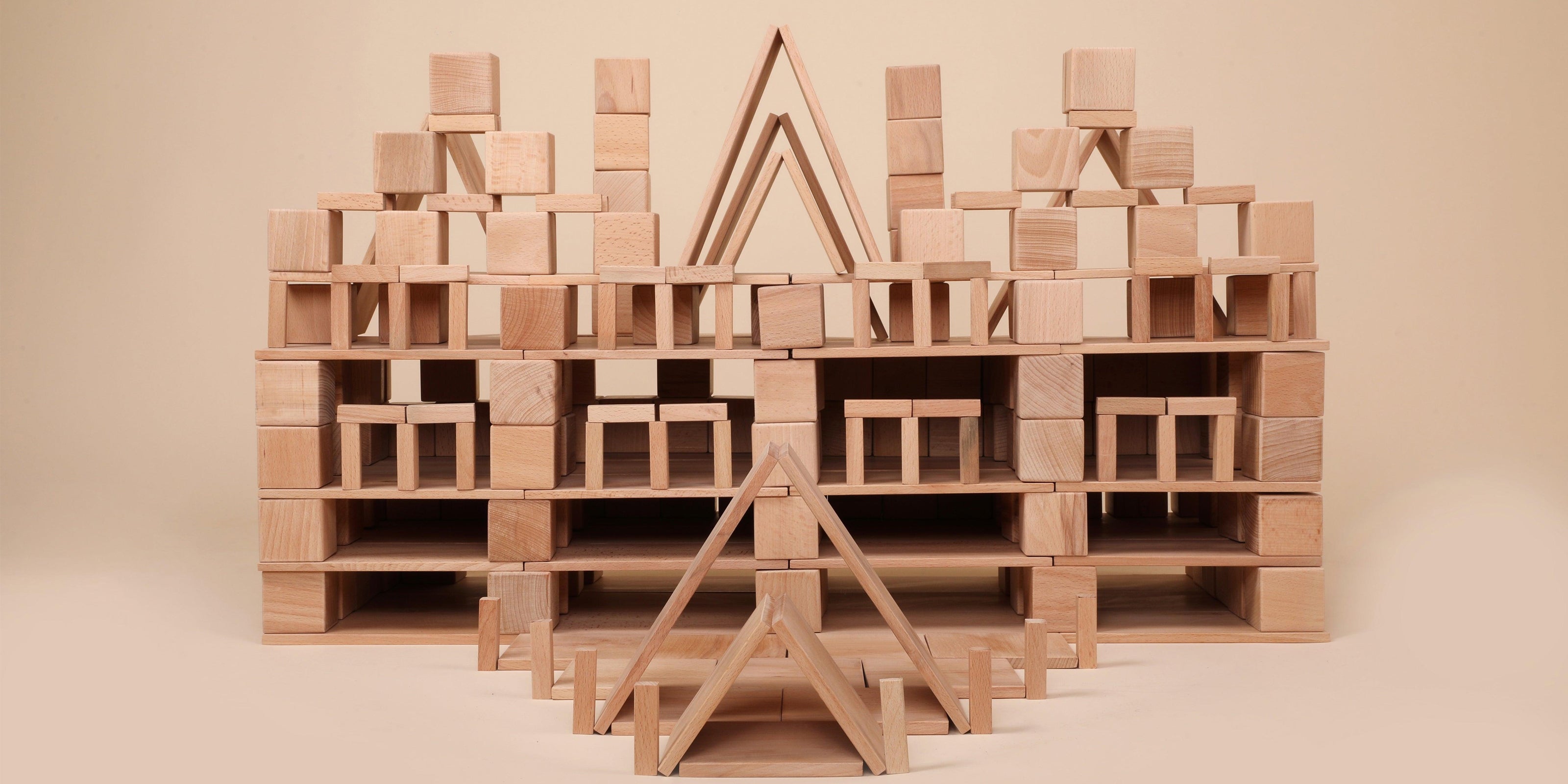
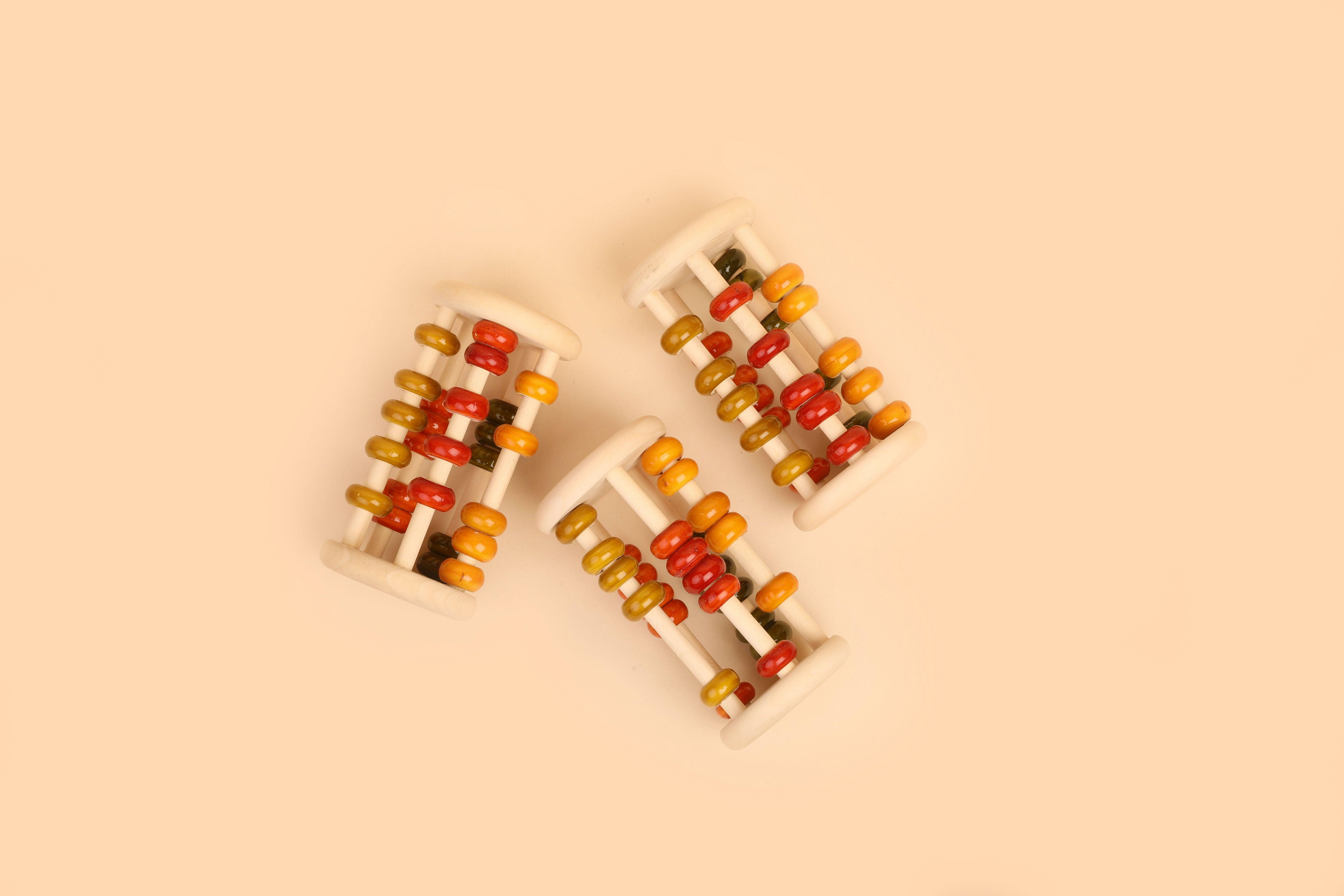
- Sensory Development: There is a heavy preference for Wooden Montessori toys over plastic, offering better tactile feedback.
Step-by-Step: Building Your Corner
1. Define the Space
You do not need a separate playroom. A corner of your living room or a section of the bedroom works perfectly. The key is to use a dedicated mat or rug to define the "work area." This helps toddler learning toys stay within boundaries rather than migrating to the kitchen.
2. The Low Shelf Rule
Abandon the deep toy chests. In Montessori philosophy, if a child cannot see it, they will not play with it.
- The Setup: Use a low, open wooden shelf (2-3 tiers).
- The Indian Hack: Repurpose an old low-height TV unit or a shoe rack by removing the doors.
3. Select the Right Materials
The heart of the corner is the materials you select. You want items that are passive (the toy does nothing until the child interacts with it).
When you buy Montessori toys, look for natural materials that are durable and safe. A great starting point is exploring specific montessori-educational-toys designed to stimulate logical thinking and fine motor skills.
4. The Art of Toy Rotation
Do not put everything out at once. If you have 20 toys, display only 6-8. Store the rest in a cupboard and rotate them every two weeks. This keeps the interest alive and reduces clutter.
Curating Your Shelves: What Goes Where?
To make your shelf effective, categorize the items based on the skill they target.
For Logic and Problem Solving
Include items that have a self-correcting mechanism, like puzzles or stackers. Wooden educational toys are excellent here because they provide weight and texture that plastic lacks. If you are looking for broader options, check out high-quality educational-toys-for-kids that bridge the gap between pure play and learning.
For Physical Activity
Even in a small corner, physical movement is vital. While the shelf is for quiet focus, ensure there is space nearby for movement. You can integrate indoor-games-for-kids like balance boards or bowling sets that complement the Montessori ethos of gross motor development.
Frequently Asked Questions (FAQ)
1. Is Montessori expensive to implement in India?
Not necessarily. While high-quality Montessori toys India markets offer can be an investment, they last longer than cheap plastic toys. You buy fewer, better quality items.
2. At what age should I start a Montessori play corner?
You can start as early as 6 months (once the baby starts crawling). However, the prime time for a structured shelf setup is between 1 to 4 years, when kids learning toys are most effective for cognitive growth.
3. Where can I find authentic wooden toys?
Avoid generic marketplaces where quality is questionable. Look for specialized Indian brands that focus on safety and sustainability. For a curated selection, you can browse collections specifically for montessori-toys.
Conclusion
Transforming your home into a Montessori-friendly space is a journey, not a weekend project. Start by decluttering, introduce a low shelf, and invest in a few high-quality educational toys kids will genuinely love. Remember, the goal isn't a Pinterest-perfect room, but a space where your child feels capable, independent, and happily engaged.

Leave a comment
This site is protected by hCaptcha and the hCaptcha Privacy Policy and Terms of Service apply.