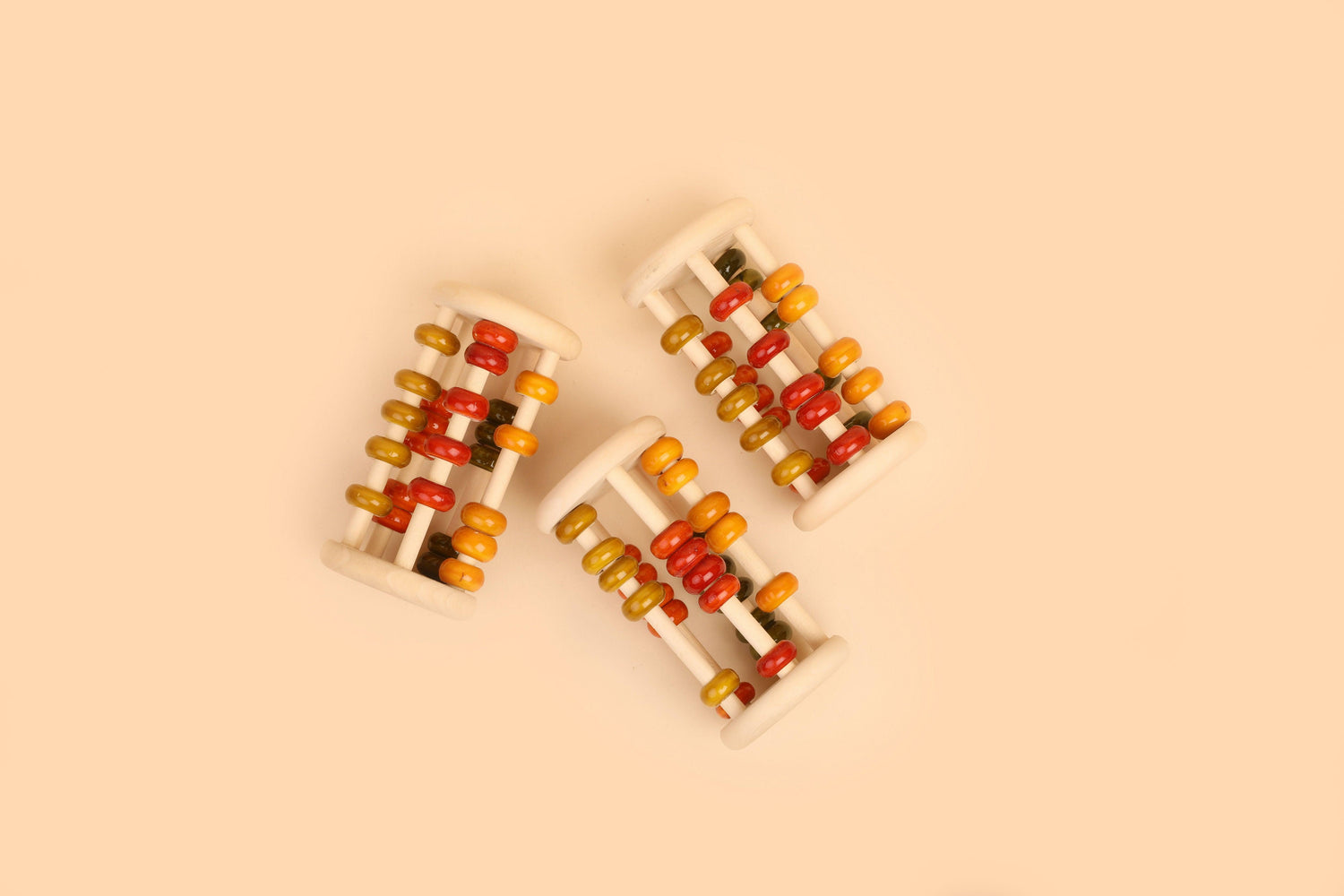
There is a quiet revolution happening in Indian nurseries. Amidst the flashing lights and jarring noises of plastic electronics, parents are returning to their roots. The soothing clack-clack of a traditional wooden toy is replacing the synthetic beeps of mass-produced gadgets. But as you navigate the market for wooden rattles India, how do you distinguish between a high-quality heirloom and a safety hazard?
Choosing the right toy isn't just about aesthetics; it is about safety, sensory development, and sustainability. This guide breaks down exactly what to look for to ensure you pick the safest baby wooden rattle for your little one.
Why Modern Parents Are Returning to Traditional Wooden Toys
For generations, Indian craftsmanship has relied on natural materials. Today, the shift back to traditional wooden toys is driven by more than just nostalgia.
1. The Safety Factor
Plastic toys often contain BPAs, PVC, and phthalates—chemicals you definitely don't want near a teething baby's mouth. In contrast, wooden rattles made from Neem, Ivory wood, or Beech are naturally antibacterial and non-toxic.
2. Sensory Development
Wooden toys possess weight and texture. Unlike lightweight plastic, a wooden rattle teaches an infant about cause and effect. If they drop it, it lands with a thud. If they shake it, the sound is organic and rhythmic, not electronic and repetitive. This tactile feedback is crucial for cognitive growth.
The Safety Checklist: How to Buy Wooden Rattles
Before you click "Add to Cart," use this checklist to ensure the product meets safety standards suitable for newborn wooden rattles.
1. Inspect the Finish
The most critical aspect is the polish. Avoid synthetic paints or lacquers that can chip off.
- Look for: Natural finishes like beeswax, almond oil, or neem oil.
- Avoid: High-gloss synthetic varnishes.
2. Check the Wood Source
Softwoods can splinter, while extremely hard woods might be too heavy for a 3-month-old.
- Best Choice: Ivory wood (Hale wood) is a staple in Indian toy making (especially Channapatna toys) because it is soft, lightweight, and does not splinter easily.
3. Design and Structure
Ensure the rattle is a single solid piece or that parts are securely glued with non-toxic adhesive. There should be no small parts that can detach and become a choking hazard.
Top Picks: Styles That Aid Development
Different rattles serve different developmental milestones. Here are a few styles to consider when looking to buy wooden rattles:
The Grasping Rattle
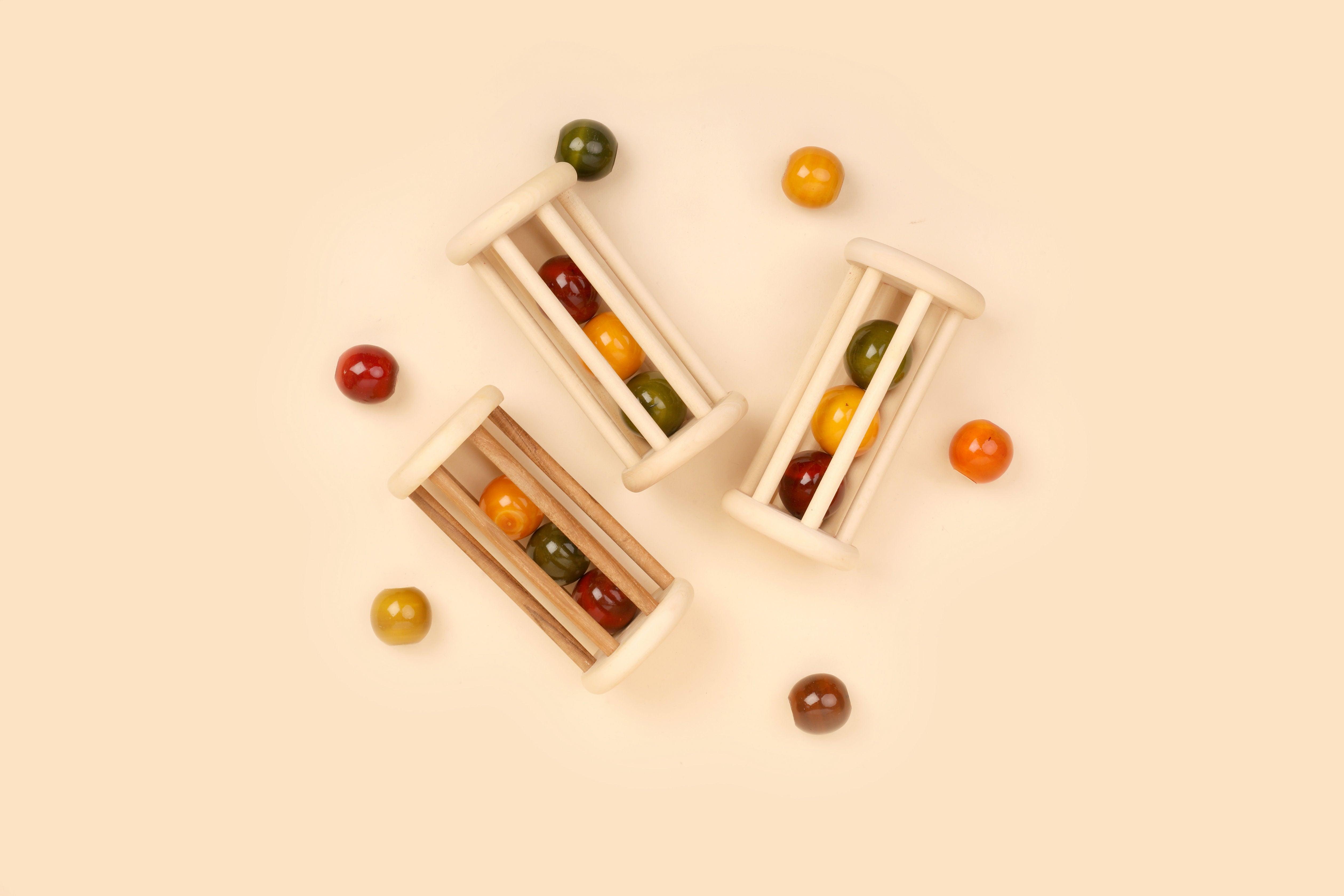
For newborns just learning to grip, you need something with a thin handle and balanced weight. The Dumble Rattle is a classic example. Its dumbbell shape is ergonomic for tiny fingers, helping refine fine motor skills as the baby transfers the toy from one hand to the other.
The Cause-and-Effect Rattle
As your baby grows and begins tummy time (around 3-5 months), they need toys that encourage movement. A Tumbler Rattle is excellent here. It wobbles but doesn't fall, encouraging the baby to reach out, push, and crawl toward it.
Maintenance: Caring for Eco-Friendly Baby Toys
Many parents worry about cleaning wood. It is actually simpler than you think:
- Do Not Soak: Never submerge wooden toys in water; the wood will swell and crack.
- Wipe Down: Use a damp cloth with mild soap or a vinegar-water solution.
- Sun Dry: Let them air dry, but avoid prolonged exposure to harsh direct sunlight which can fade the wood.
- Re-oil: If the wood looks dry after months of use, rub a little coconut oil or beeswax to restore its shine.
FAQ: Wooden Rattles for Indian Babies
1. Are wooden rattles safe for teething babies?
Yes, absolutely. In fact, handmade wooden rattles are excellent for teething. The hard texture provides counter-pressure to sore gums. Just ensure the wood is unfinished or sealed with natural oils like neem or beeswax.
2. At what age can I introduce a wooden rattle?
You can introduce them as early as birth for visual tracking. However, babies usually start grasping them between 3 to 6 months. Always check the weight—lighter is better for newborns.
3. How do I know if the paint is safe?
Stick to brands that explicitly state they use vegetable dyes, water-based non-toxic paints, or natural oil finishes. Avoid cheap, mass-produced imports where safety standards may be lax.
Conclusion
Choosing a baby wooden rattle is a small but significant step towards a non-toxic lifestyle. Whether you are looking for baby toys & gifts or specifically hunting for eco friendly baby toys, wood offers a durability and safety profile that plastic simply cannot match. By choosing these timeless pieces, you aren't just giving your child a toy; you are giving them a piece of nature that connects them to Indian heritage.

Leave a comment
This site is protected by hCaptcha and the hCaptcha Privacy Policy and Terms of Service apply.