The Expert Guide to Age-Based Toy Selection
Choosing the right toy isn’t just about fun—it’s about supporting child development at every stage. According to research from the National Association for the Education of Young Children (NAEYC), age-appropriate play improves cognitive, emotional, and motor skills.
At Bombay Toy Company, we carefully curate toys for 1–5-year-olds to ensure they are safe, educational, and developmentally suitable. This guide combines expert recommendations, research-backed insights, and practical tips for parents.
Toys for 1-Year-Olds: Stimulating Early Learning
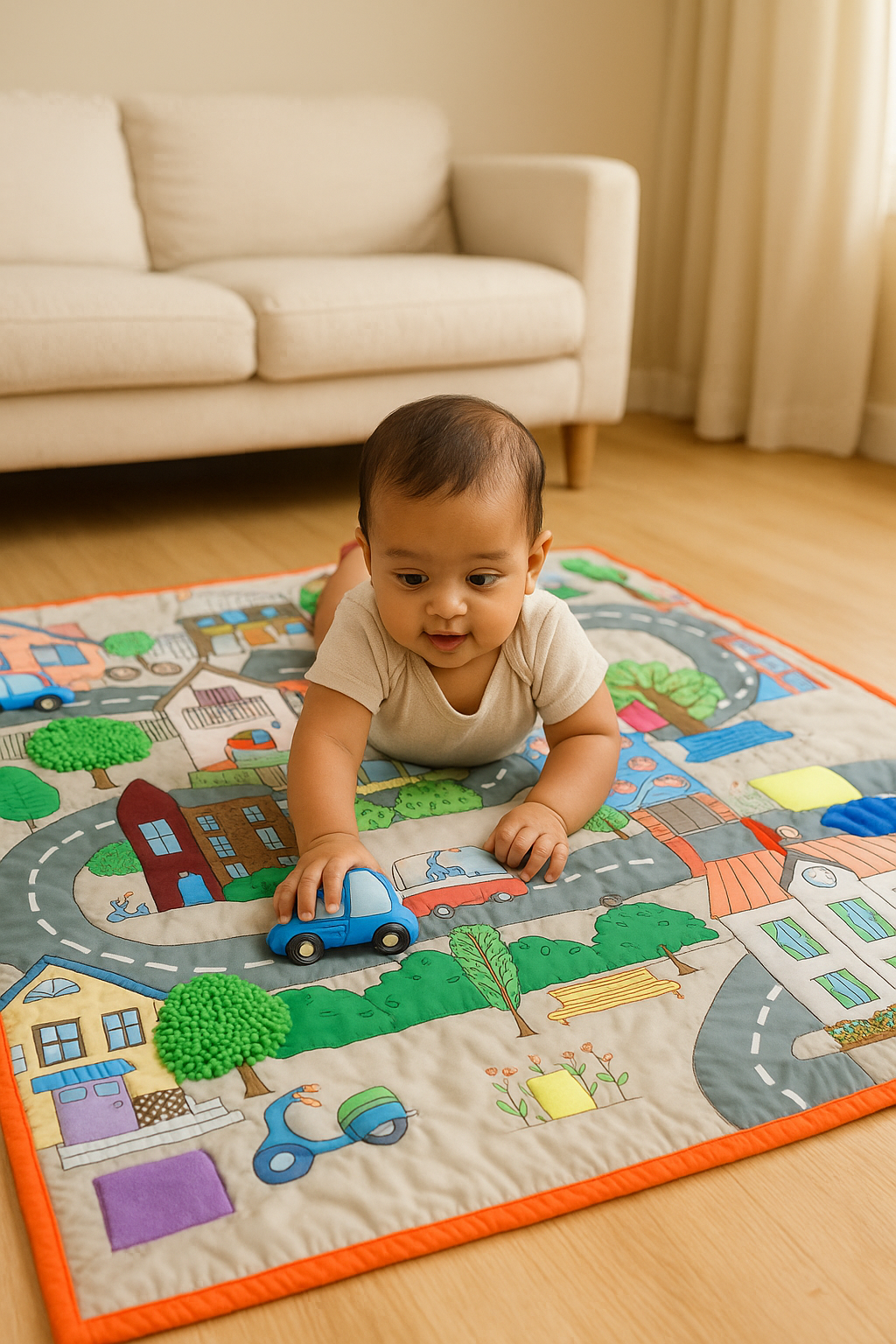
Children aged 12–24 months learn primarily through sensory exploration and motor activity. Toys that stimulate senses, balance, and fine motor skills help babies develop foundational skills.
Recommended Toys:
Why it matters: Studies in Early Childhood Research Quarterly show sensory play improves neural connections, fostering better problem-solving and attention span in toddlers.
Toys for 2-Year-Olds: Boosting Motor and Cognitive Skills
By age 2, toddlers are curious about cause and effect, patterns, and coordination. Toys that involve stacking, sorting, and pretend play enhance fine motor skills, hand-eye coordination, and early cognitive development.
Recommended Toys:
According to American Academy of Pediatrics (AAP), pretend play is critical for developing social skills, imagination, and emotional understanding in toddlers.
Toys for 3-Year-Olds: Fostering Creativity and Learning
At 3, children begin structured play, problem-solving, and early language development. Montessori and educational toys help build focus, critical thinking, and independent learning.
Recommended Toys:
Research published in Child Development Journal shows that children exposed to Montessori learning materials demonstrate better executive function, concentration, and creativity compared to traditional play methods.
Toys for 4-Year-Olds: Developing Social Skills & Problem-Solving
Four-year-olds thrive on toys that promote role play, storytelling, and hands-on challenges. Activity kits, indoor games, and skill-building toys strengthen critical thinking, teamwork, and manual dexterity.
Recommended Toys:
Expert tip: According to Harvard University’s Center on the Developing Child, interactive play helps children regulate emotions, solve problems, and build empathy, making these toys essential for social development.
Toys for 5-Year-Olds: Preparing for School & Learning Through Play
By age 5, children are preparing for formal learning environments. STEM kits, puzzles, and educational games develop logic, problem-solving, and collaborative skills.
Recommended Toys:
EEAT note: Selecting toys that challenge yet entertain ensures children transition smoothly into school while continuing to enjoy play-based learning, supported by findings in the Journal of Early Childhood Research.
5 Expert Tips for Choosing Age-Based Toys
-
Follow Age Guidelines – Ensures safety and developmental appropriateness.
-
Balance Fun & Learning – Look for toys that challenge curiosity without frustration.
-
Encourage Independent Play – Helps children develop decision-making and confidence.
-
Mix Montessori & Creative Toys – Supports both structured learning and imaginative play.
-
Prioritize Safety & Sustainability – Non-toxic, plastic-free toys are safer and eco-friendly.
FAQ
Q1: How do I know if a toy is suitable for my child’s age?
Always check the manufacturer’s age recommendation. Combine it with your child’s interests and skill level to ensure safety and engagement.
Q2: Are Montessori toys better than traditional toys?
Research shows Montessori toys encourage independent learning, focus, and problem-solving, while traditional toys may focus more on entertainment. Combining both is ideal.
Q3: Why are non-toxic and plastic-free toys important?
Non-toxic toys reduce chemical exposure, prevent allergic reactions, and promote sustainable play, building trust with parents.


Leave a comment
This site is protected by hCaptcha and the hCaptcha Privacy Policy and Terms of Service apply.