Wooden Alphabet Blocks for Early Literacy and Hands-On Learning
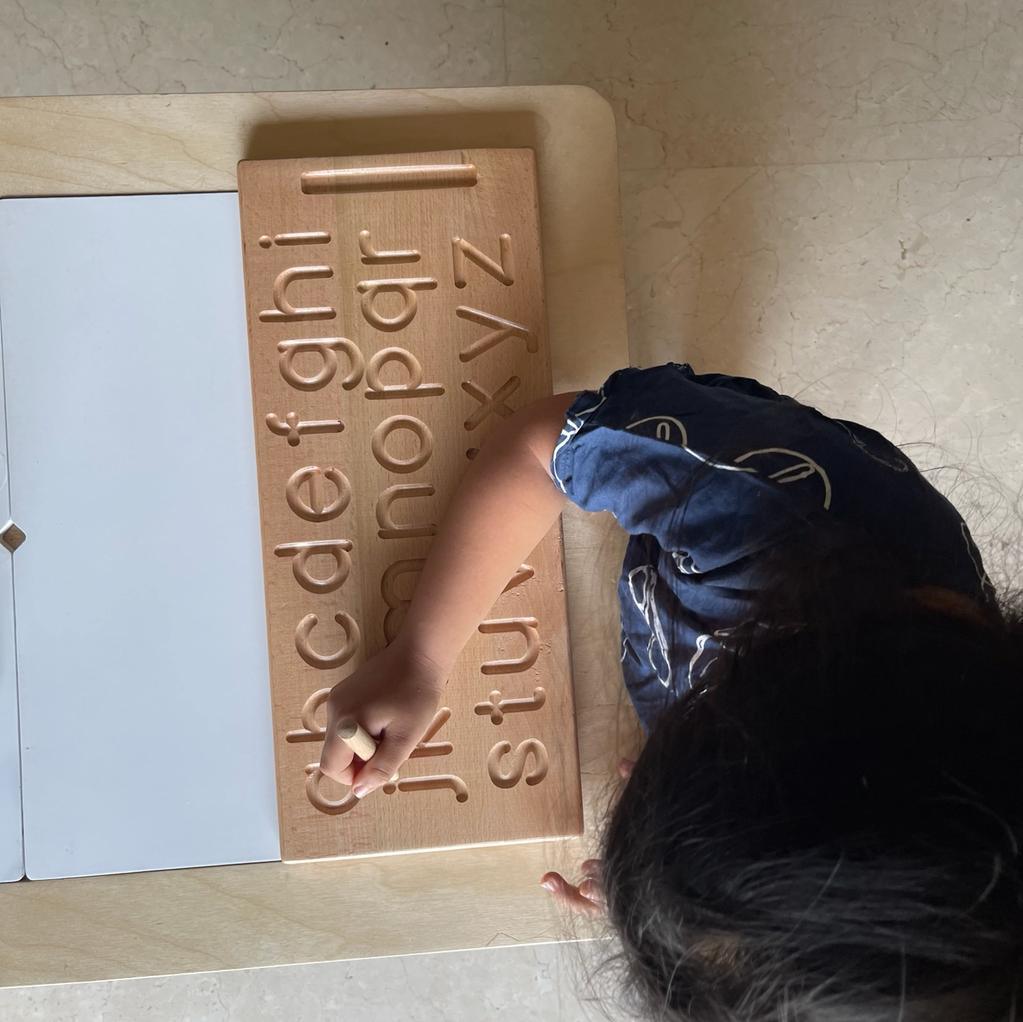
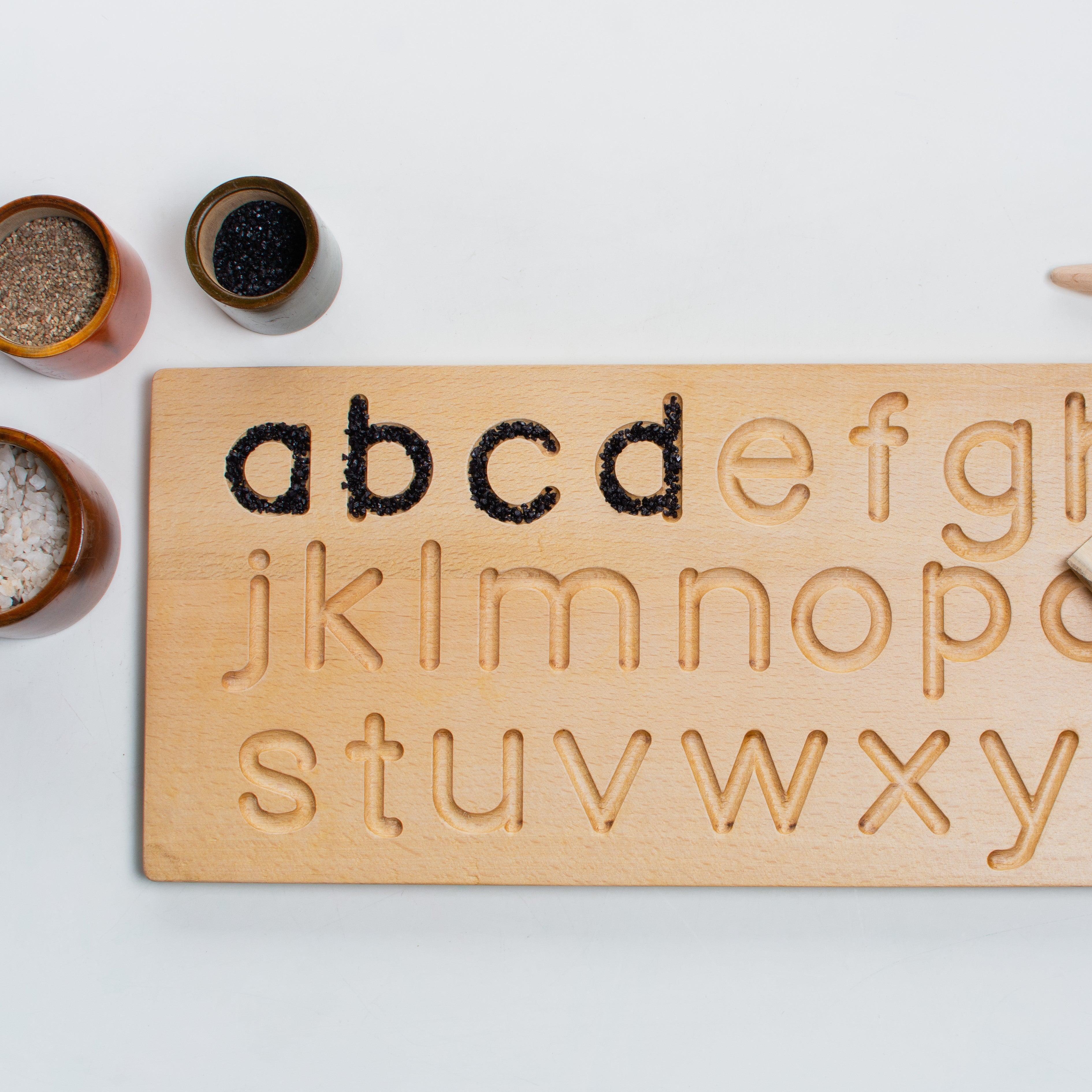
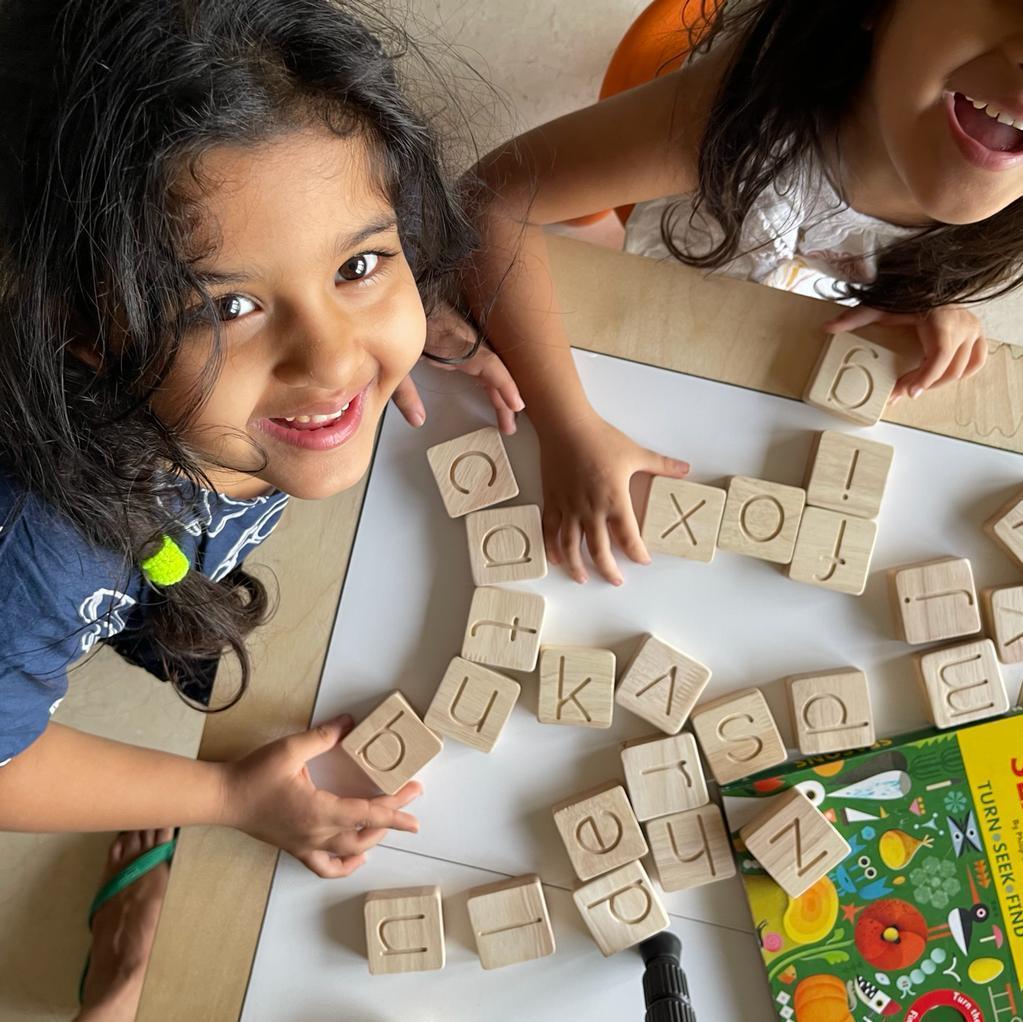
Wooden alphabet blocks help children recognize letters through touch, movement, and repetition. In many Indian homes, these blocks are placed in everyday play areas so children can explore letters naturally during free time.
They support early learning in a calm and engaging way without screens or structured pressure. This makes them a natural fit for parents who prefer hands-on learning through simple play.
These blocks sit naturally within broader early learning setups such as wooden educational toys, where children explore multiple concepts through tactile play.
How Children Learn Through Alphabet Block Play
Children do not learn letters through memorization alone. They learn through repetition and interaction.
With alphabet blocks, children often:
- Pick and identify letters repeatedly
- Stack and arrange symbols in different ways
- Match sounds with shapes
- Begin forming simple word patterns
A parent in Pune shared that her child started recognizing letters during daily play without any formal teaching. A preschool teacher in Bengaluru also noted that group block play helped children connect letters while working together.
These early experiences often overlap with wooden learning toys, where children explore concepts at their own pace through guided and free play.
Letter Recognition and Early Phonics Development
Alphabet blocks help children understand that letters represent sounds and meanings. This connection develops gradually through repeated exposure during play.
When children hear a sound and see a letter at the same time, they begin forming early phonics awareness naturally. This becomes stronger when combined with structured environments using wooden Montessori toys, which encourage independent exploration.
Types of Wooden Alphabet Blocks
Simple Letter Blocks
Basic alphabet cubes allow children to stack, sort, and identify letters. These are usually the first introduction to literacy-based toys and often become part of early setups alongside wooden infant toys.
Multi-Element Learning Sets
Some alphabet sets include numbers or shapes along with letters. These help children connect multiple learning concepts through one activity.
They naturally extend into spatial thinking activities found in wooden stacking toys, where balance and structure play a key role.
Word Formation Blocks
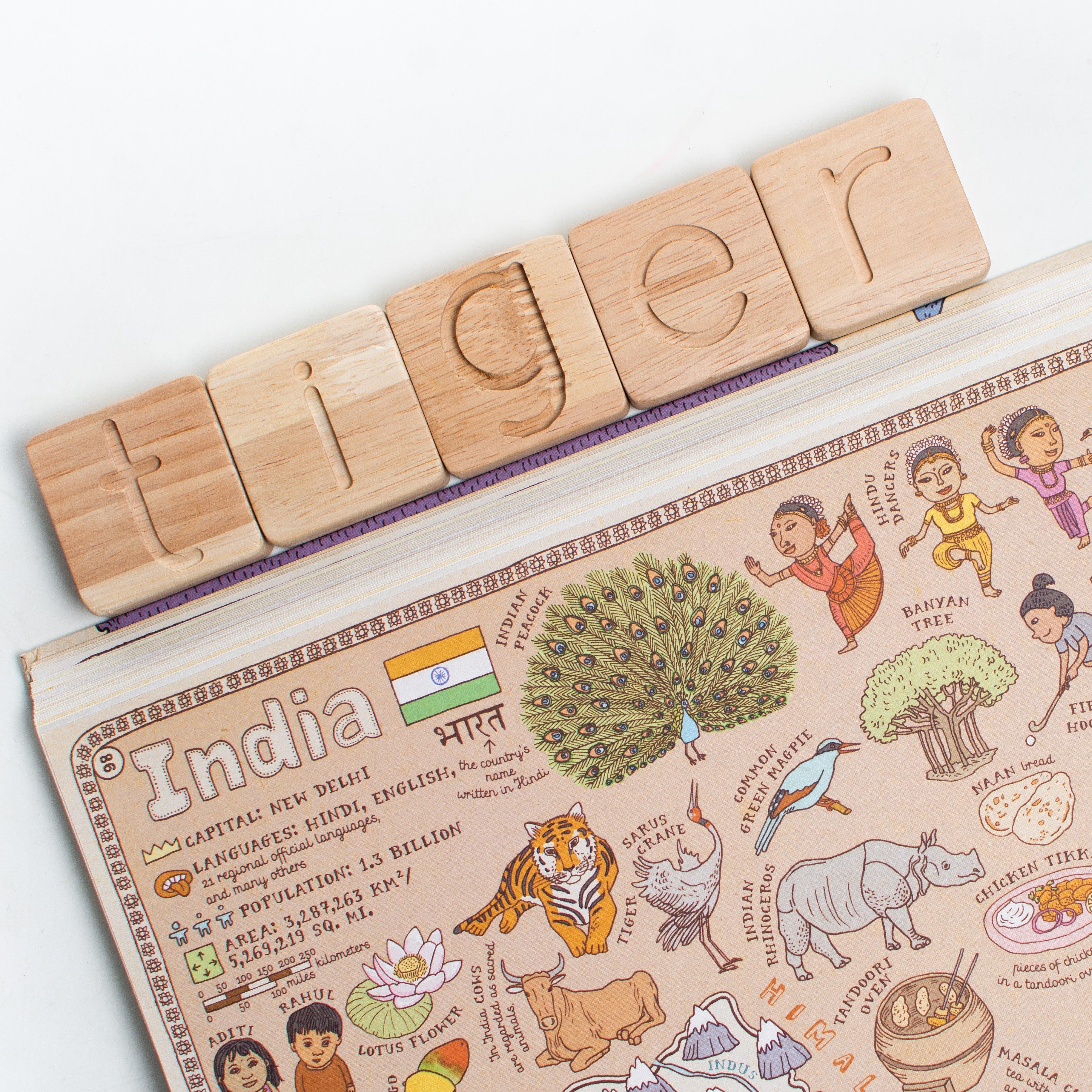
Advanced sets allow children to build simple words and explore early spelling patterns. These sets support storytelling and vocabulary growth through play.
They also connect well with puzzle-based exploration found in wooden puzzle, where logic and sequencing are developed through hands-on interaction.
Benefits of Wooden Alphabet Blocks
Early Language Development
Children become familiar with:
- Letter shapes
- Sound recognition
- Word formation basics
- Visual memory of alphabets
Fine Motor Skill Development
Holding, rotating, and placing blocks strengthens hand control and coordination. These skills also support early writing readiness.
Independent Learning Habits
Children often return to alphabet blocks on their own. This builds focus and confidence without external instruction.
This approach aligns naturally with open-ended play experiences where children decide how they interact with materials, similar to those found in wooden toys.
Safe Materials and Natural Design
Wooden alphabet blocks are made using smooth natural wood and child-safe finishes. The texture provides a sensory experience that supports early cognitive development.
Parents who prefer sustainable choices often include these blocks within eco-conscious setups such as wooden toys for babies, where safety and simplicity are prioritized.
How Families Use Alphabet Blocks at Home
Alphabet blocks are flexible and fit into daily routines in different ways.
Some common uses include:
- Free play sessions during the day
- Parent guided letter games in the evening
- Weekend word-building activities
- Shared play between siblings
This flexibility allows the same toy to support multiple learning stages over time.
Frequently Asked Questions
When should children start using alphabet blocks
Most children begin using alphabet blocks between 18 months and 2 years, continuing through preschool years as learning progresses.
Do alphabet blocks help with reading skills
Yes, they introduce early letter recognition and sound awareness, which form the foundation of reading development.
Are wooden alphabet blocks safe for toddlers
Yes, they are designed with smooth edges and non-toxic finishes, suitable for supervised toddler play.