As Indian parents, we are constantly bombarded with options. Walk into any toy store in Mumbai or browse online marketplaces, and you are greeted with a sea of flashy, singing, light-up plastic gadgets. But recently, there has been a quiet revolution in playrooms across the country. Parents are stepping back and asking: Is louder really better?
This brings us to the core debate in the world of conscious parenting: Wooden vs. Plastic Montessori Toys.
While plastic toys are ubiquitous and often cheaper, Montessori philosophy heavily favors natural materials. But why? Is it just an aesthetic choice for Instagram-worthy nurseries, or does it actually impact your child's cognitive development? Let’s dive deep.
The Montessori Philosophy: Why Materials Matter
Maria Montessori observed that children learn about the world through their senses. The material of a toy isn't just a container for the activity; it is part of the information the child receives.
1. Sensory Feedback and Weight
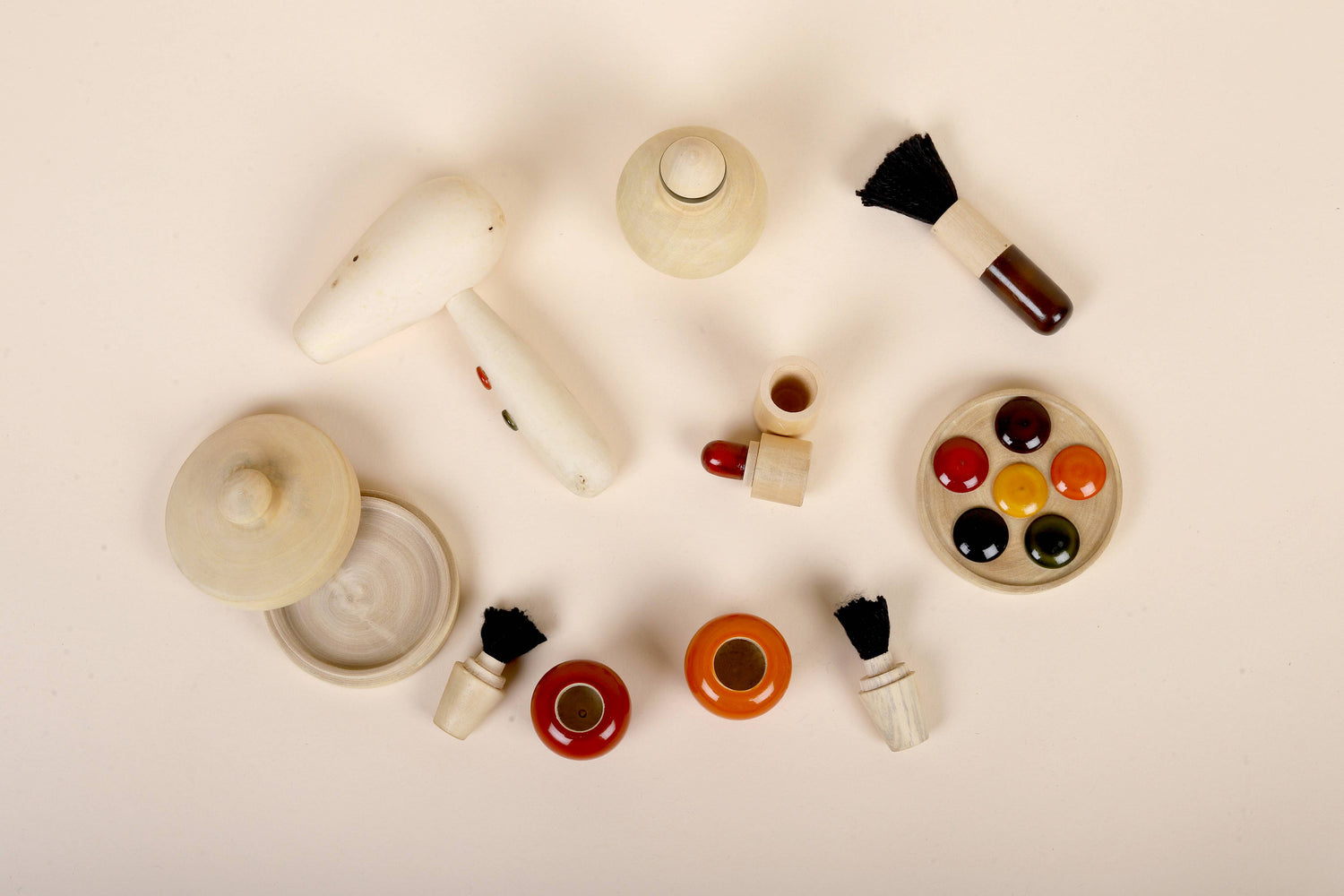
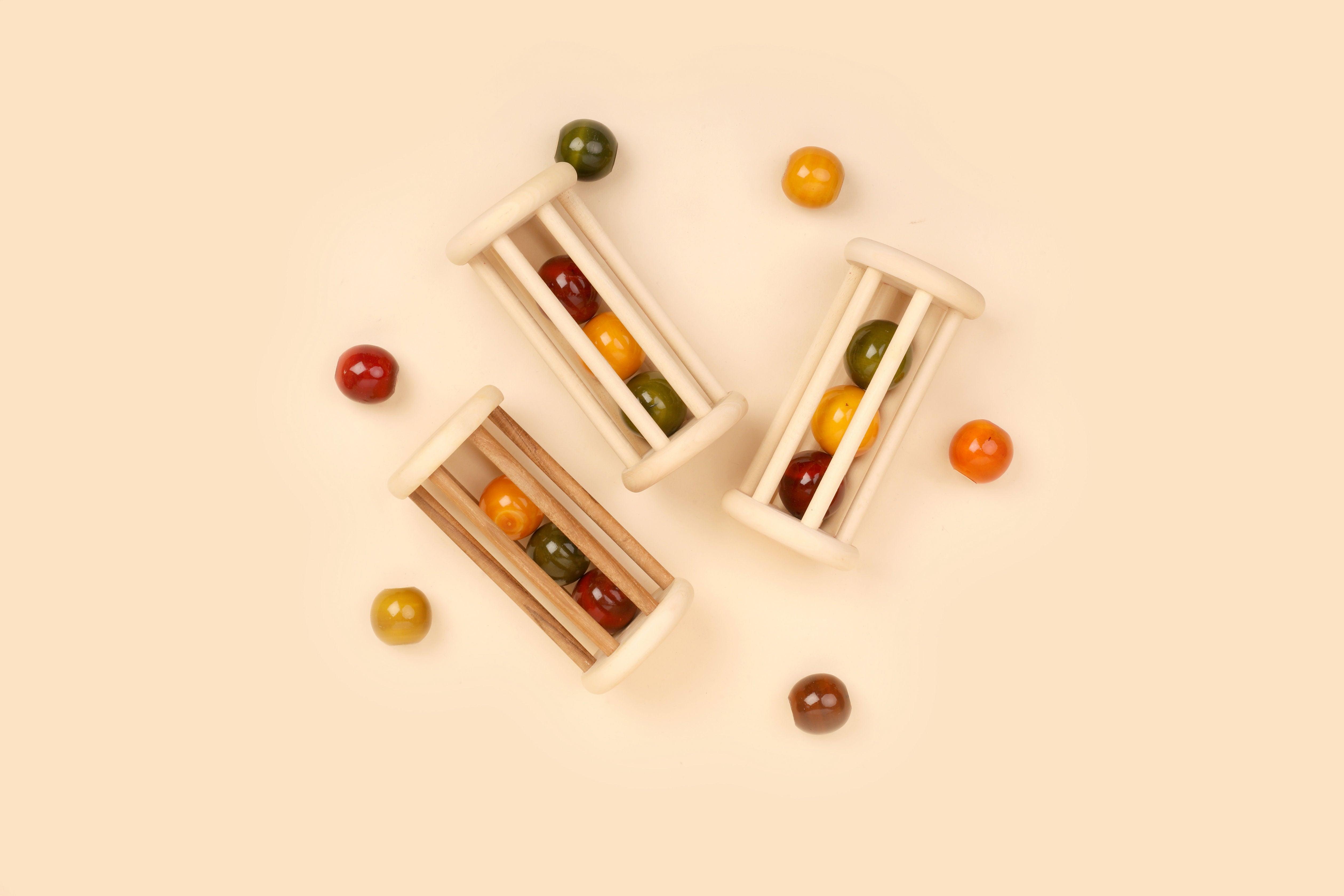
When a child picks up a plastic block, it is often light and feels the same regardless of size. In contrast, Wooden Montessori toys offer varied tactile experiences. Wood has grain, texture, and arguably most importantly, weight. A large wooden block feels heavier than a small one, teaching the child about mass and gravity intuitively. This "proprioceptive" feedback is crucial for developing fine motor skills in toddlers.
2. The Problem with Over-Stimulation
Plastic toys often come with batteries. They sing, flash, and move on their own. While entertaining, these features can promote passivity. The toy directs the play, not the child.
In the Montessori method, we prefer passive toys that require active children. A wooden puzzle sits quietly until the child engages with it. This fosters deep concentration—a skill that is becoming increasingly rare in our digital age.
Durability and Safety: An Indian Perspective
Let’s be practical. In Indian households, toys are often passed down from siblings or cousins.
-
Longevity: Plastic tends to crack or discolor over time. Wooden toys are heirlooms. They age beautifully and can withstand the rough-and-tumble play of energetic toddlers.
-
Safety: With growing awareness about BPA and phthalates, many parents are choosing natural wood to ensure their babies aren't mouthing harmful chemicals. If you are looking to buy Montessori toys online, checking for non-toxic paints and smooth finishes is essential.
Encouraging Open-Ended Play
The beauty of wooden toys lies in their simplicity. A simple wooden stacker isn't just a stacker; it can be a tower, a fence for animals, or ingredients in a cooking pot.
This naturally leads children toward pretend play toys. When the toy is simple, the imagination must work harder. A wooden kitchen set or simple blocks allow children to project their own stories onto the objects, rather than being told how to play by a voice-recorded chip.
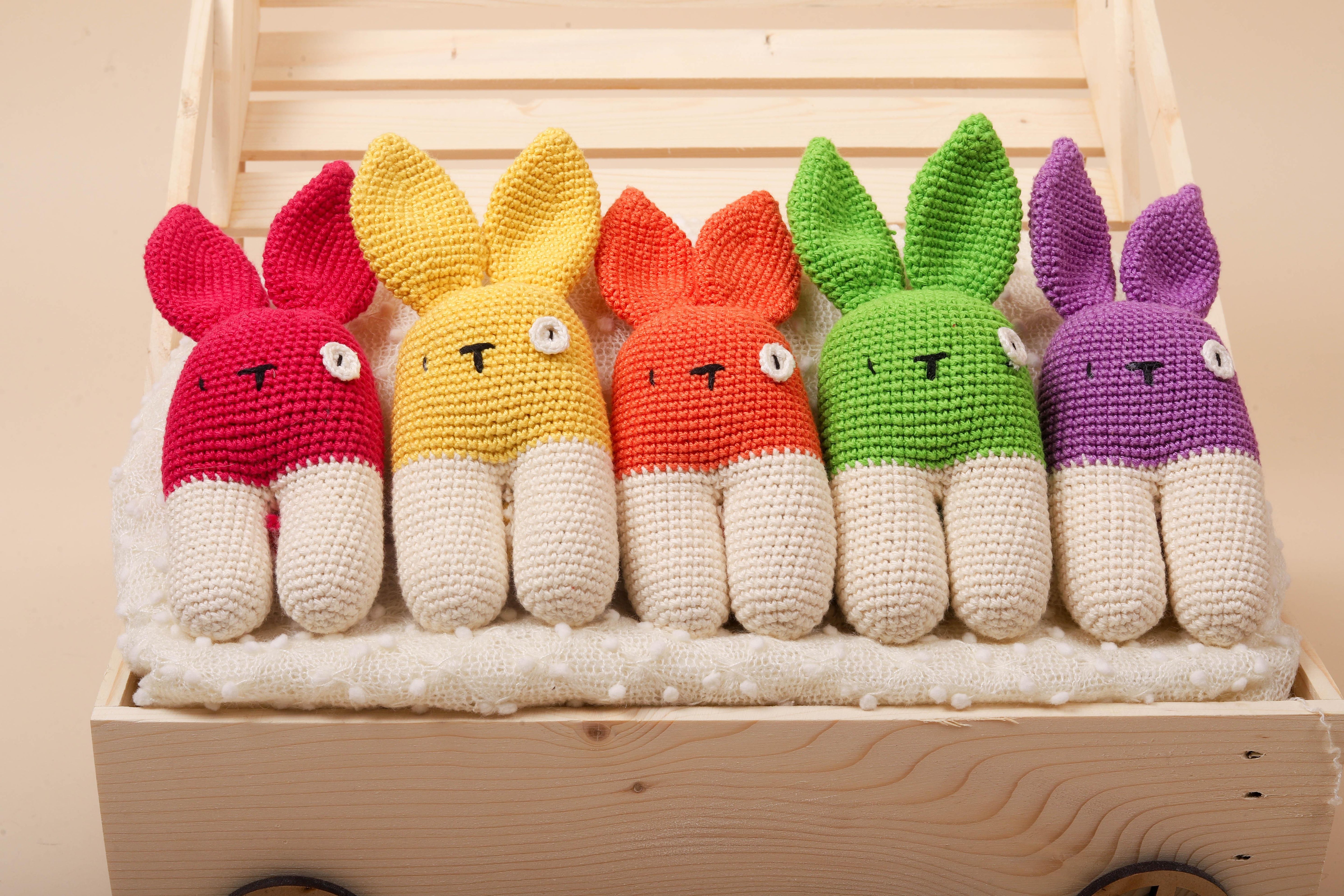
For younger infants who need softness but natural textures, parents are also turning to crochet dolls. These handmade items offer the warmth and safety of natural fibers, contrasting sharply with cold, hard plastic dolls.
The Environmental Impact
We teach our children to respect their environment. Choosing sustainable wooden toys over mass-produced plastic creates a tangible lesson in sustainability. It shows we value quality over quantity—a core tenet of the Montessori lifestyle.
FAQ: Montessori Toys in India
1. Are wooden Montessori toys safe for teething babies?
Yes, provided they are made from natural wood (like Neem or Beech) and finished with non-toxic, food-grade paints or oils (like beeswax). Always check the manufacturer's safety certification.
2. Why are Montessori toys more expensive than plastic ones?
Wooden toys are often handcrafted and made from sustainable resources, which costs more than injection-molded plastic. However, their durability means you buy fewer toys in the long run, offering better value.
3. Can I mix plastic and wooden toys?
Absolutely. You don't need to throw away every piece of plastic. The goal is to be mindful. Prioritize Montessori learning toys that encourage active engagement, regardless of material, though wood is preferred for sensory reasons.
4. What is the best Montessori toy for a 2-year-old?
Simple wooden puzzles, stacking towers, and sorting trays are excellent. These help in refining hand-eye coordination and problem-solving skills.
Conclusion
Choosing between wooden and plastic toys isn't just about aesthetics; it's about the kind of play you want to cultivate. Wooden toys invite a slower, more focused, and sensory-rich experience that aligns perfectly with your child's developmental needs. While they might be an investment, the payoff in attention span, creativity, and safety makes them the superior choice for the conscious Indian parent.
Ready to transform your playroom? Explore our curated collection of Montessori toys India to find the perfect start for your little one.

Leave a comment
This site is protected by hCaptcha and the hCaptcha Privacy Policy and Terms of Service apply.