Pretend play isn’t just child’s play - it’s a powerful tool that shapes how preschoolers understand others and manage their own emotions. Through imaginative scenarios, children practice communication, empathy, and cooperation — skills they’ll rely on for life. This article dives into why pretend play matters so much, and how parents can choose toys that truly support this critical developmental stage.
The Science Behind Pretend Play and Social Development
Research shows that pretend play activates areas of the brain linked to social cognition. When children imagine different roles or stories, they exercise perspective-taking and problem-solving. This improves their ability to navigate social situations with peers and adults alike.
Unique Toys That Boost Pretend Play and Social Skills
-
Realistic Kitchen and Cooking Sets: Toys that mimic everyday life invite complex role play, from sharing food to organizing a meal, promoting language and teamwork. Explore our kitchen play sets.
-
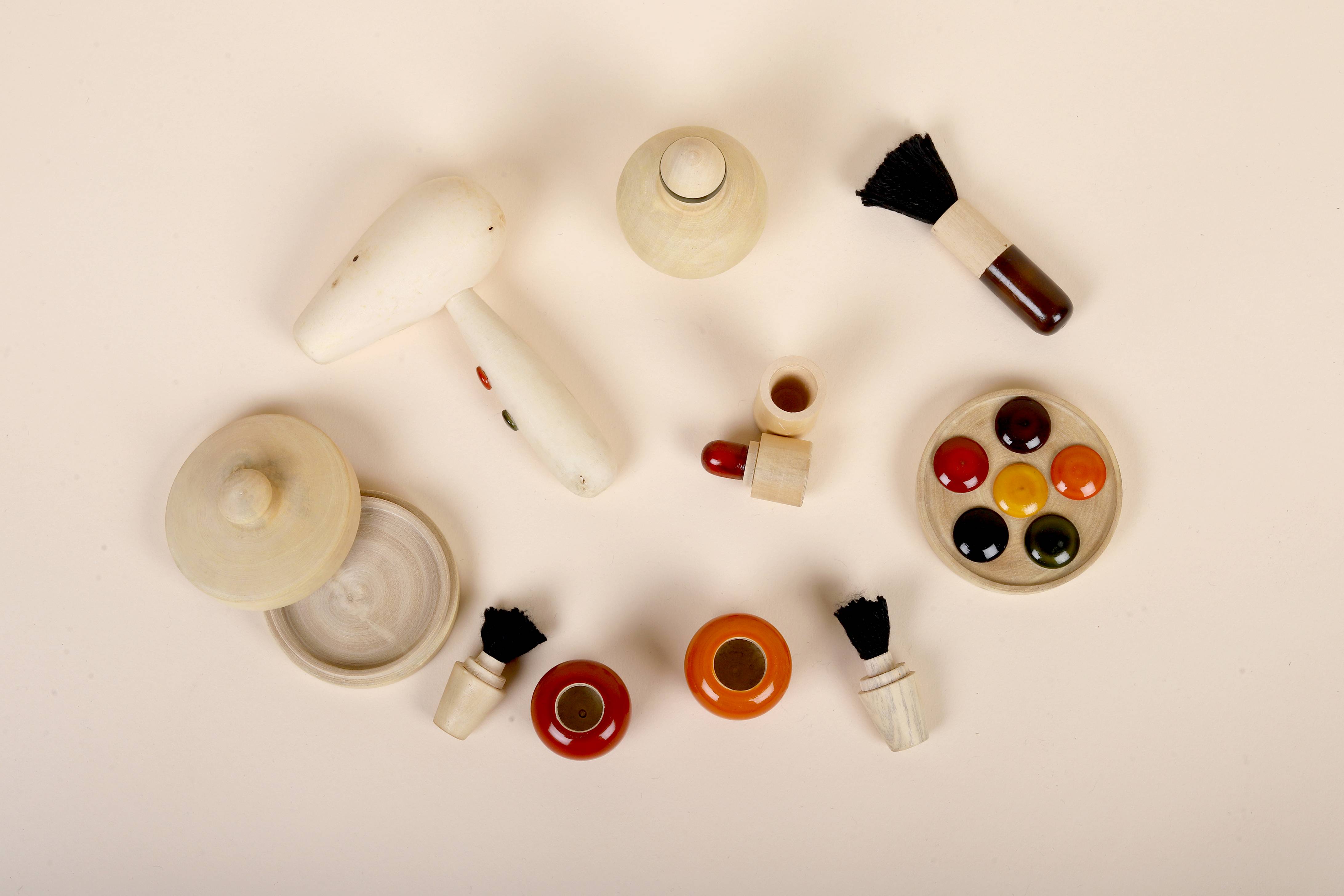
Multi-Purpose Pretend Play Kits: Kits that combine costumes, props, and story prompts inspire endless creativity and social storytelling. Check out our pretend play toys.
-
Comfort and Crochet Dolls: Beyond play, these dolls encourage nurturing behavior, emotional bonding, and empathy development. See our crochet dolls and comfort dolls.
Expert Tips to Foster Pretend Play at Home
-
Set up a dedicated, inviting play space stocked with diverse props
-
Encourage children to lead play scenarios without adult interruption
-
Use open-ended questions during play to deepen thinking (“What happens next?”)
-
Limit screen time to create room for imaginative exploration
Real-Life Impact: Preschoolers Who Pretend Play Thrive Socially
Children engaged in regular pretend play often show stronger social bonds, better conflict resolution skills, and increased emotional regulation. These benefits last well beyond preschool, laying a foundation for healthy relationships and success in school.
Turn Play into Powerful Learning
Pretend play is a powerful developmental tool that helps preschoolers grow socially and emotionally. Choosing the right toys and creating supportive play environments can make a lasting difference in your child’s journey. For more in-depth guidance, visit our ultimate guide on choosing toys that grow with your child.

Leave a comment
This site is protected by hCaptcha and the hCaptcha Privacy Policy and Terms of Service apply.