An Age-Wise Guide to Choosing Development-Appropriate Toys
Choosing toys for young children can feel overwhelming. With so many options available, it’s easy to end up with toys that look exciting but don’t actually hold a child’s attention or support how they grow. The key isn’t buying more toys — it’s choosing toys that align with a child’s age, abilities, and natural way of learning. Babies explore the world through their senses, toddlers learn by repeating actions, and preschoolers make sense of everyday life through imagination and role play. This guide breaks down how to choose the right toys for each stage, helping parents make thoughtful decisions that lead to calmer play, deeper engagement, and long-term value.
Toys for Babies (0–12 Months)
Why Sensory & Movement-Based Toys Matter
In the first year, babies learn through touch, sound, sight, and body movement. Toys should feel safe and predictable while gently encouraging exploration.
Parents often begin with thoughtfully designed options from the Baby Toys collection that support early sensory awareness during floor play and quiet moments.
Supporting Early Physical Development
As babies grow stronger, tummy time plays a key role in developing neck, shoulder, and core muscles. Simple mirrors, rollers, and reach-and-touch elements found in tummy time toys encourage babies to lift their head and explore movement naturally. Using these toys on soft tummy time mats makes daily floor play more comfortable and engaging.
First Grasping & Exploration Toys
For newborns, lightweight and easy-to-hold toys are ideal. Many parents choose wooden rattles and other gentle newborn baby toys that stimulate the senses without overwhelming young babies.
Toys for Toddlers (1–3 Years)
Encouraging Independence Through Play
Toddlers are driven by a strong desire to do things on their own. They enjoy repeating actions like stacking, sorting, and moving objects from one place to another.
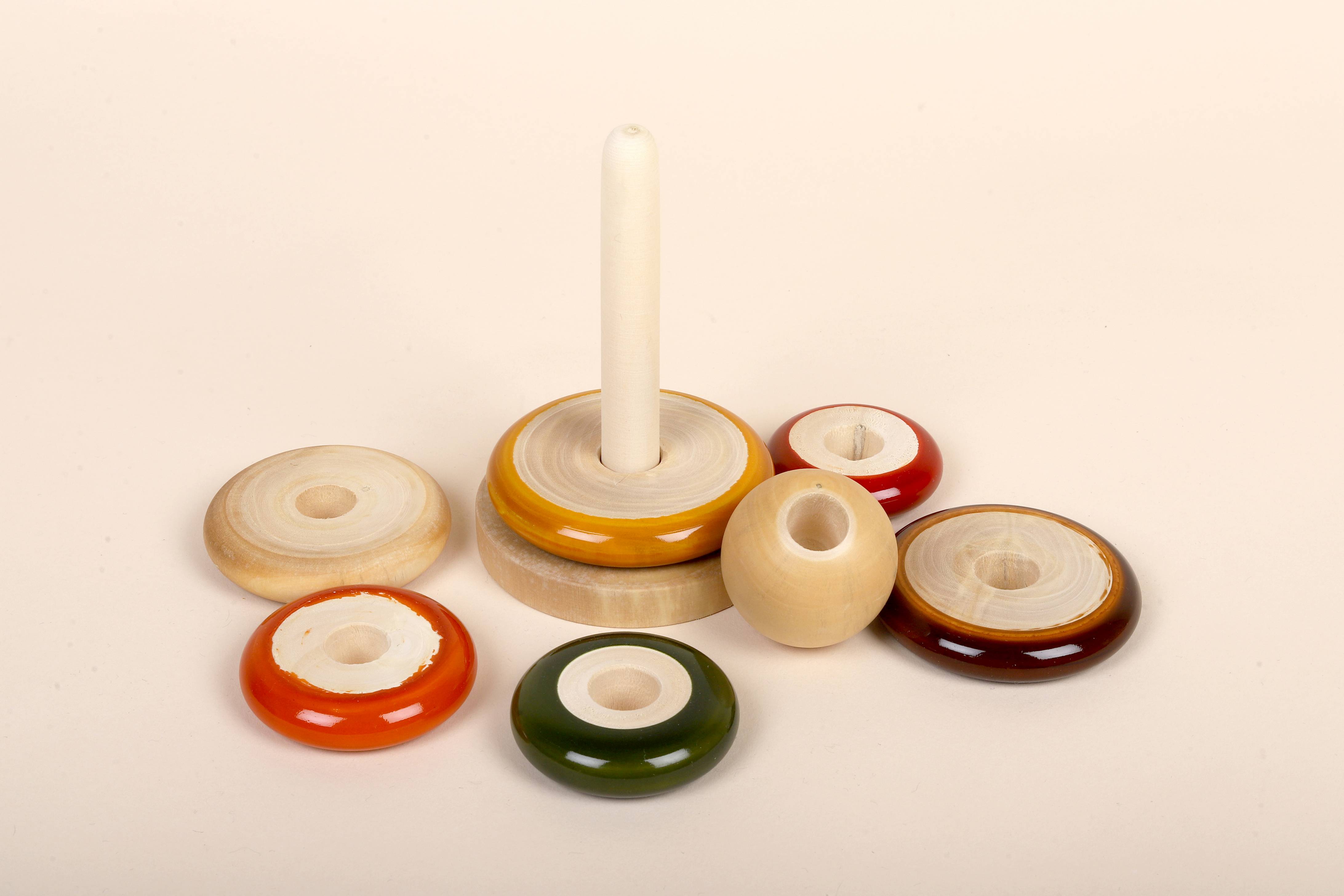
This is where open-ended toys are especially effective. Without fixed outcomes, these toys allow toddlers to explore freely and stay engaged longer. Simple play with items from the stacking toys range supports coordination and problem-solving through repetition.
Montessori-Inspired Learning at Home
Hands-on learning becomes more meaningful during toddlerhood. Parents often introduce Montessori toys that focus on fine motor skills, sequencing, and real-world problem-solving. Activities from the Montessori educational toys range encourage independent play at a child’s own pace.
Sensory Play for Emotional Regulation
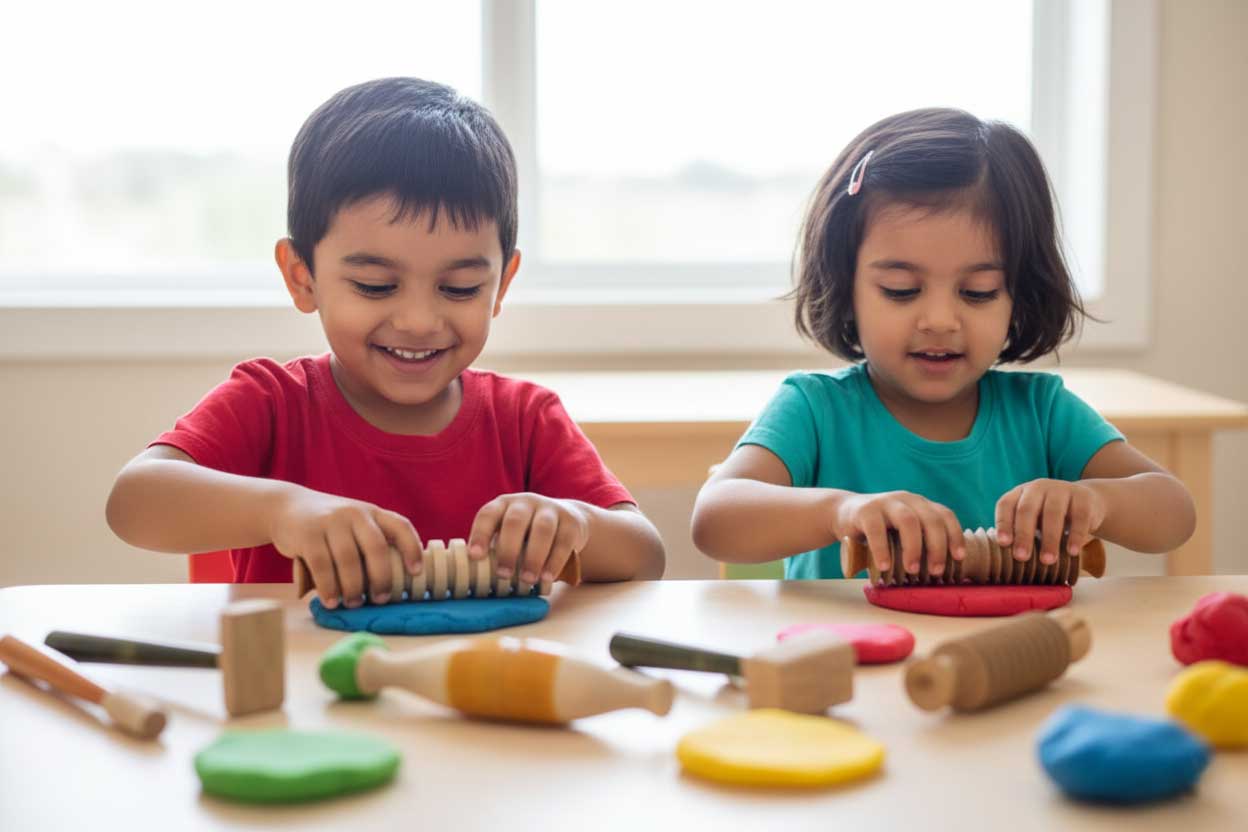
Sensory activities help toddlers manage emotions and build focus. Play involving squeezing, rolling, and moulding — especially with dough pods and creative dough pod kits — strengthens hand muscles while offering calming, screen-free play.
Toys for Preschoolers (3–5 Years)
Imagination & Role Play
Preschoolers begin using play to process real-life experiences. Storytelling, role play, and pretend scenarios help children develop communication and social skills.
Pretend play toys allow children to recreate everyday situations in a safe, playful way. Kitchen-based role play is particularly popular, with items from kitchen play sets and cooking play toys supporting confidence and cooperation.
Creativity, Focus & Independent Thinking
Creative play becomes more structured at this age. Activities using reusable colouring mats, hands-on activity kits, and interactive mats & stamps help preschoolers build patience, focus, and creative confidence.
Learning Through Wooden Play
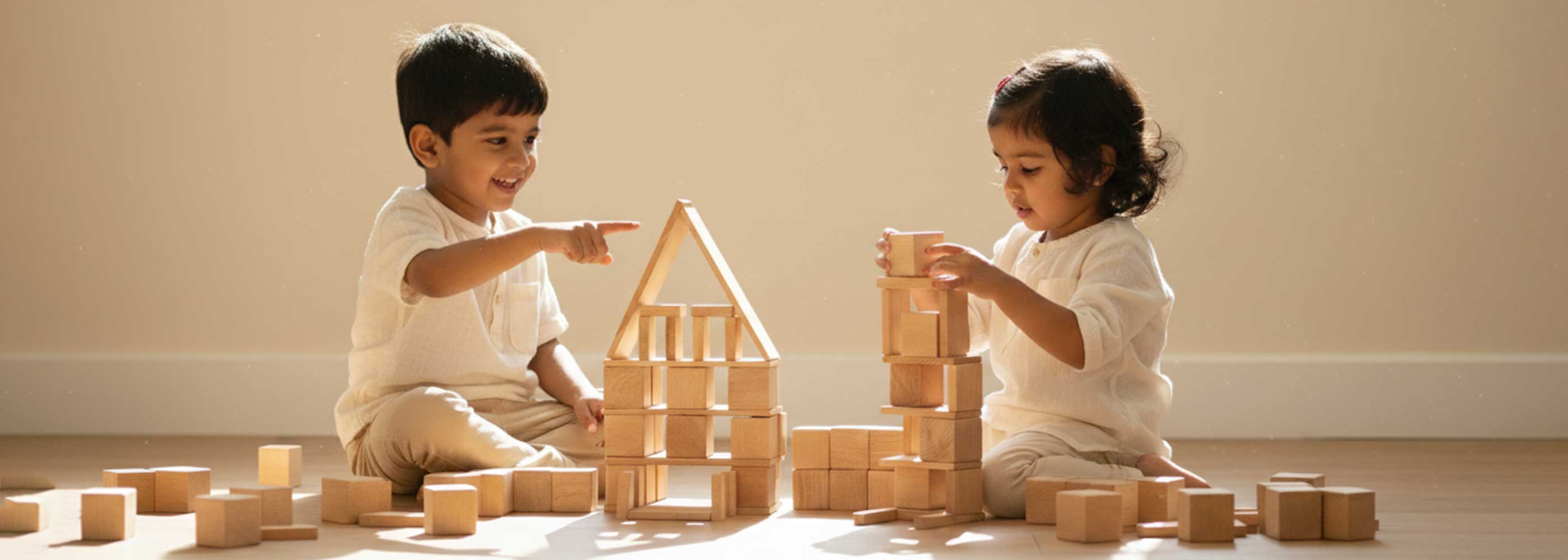
Durable and tactile toys continue to support learning during preschool years. Many families choose wooden learning toys along with wooden blocks toys, wooden vehicle toys, and wooden animal toys to combine imagination with logical thinking and coordination.
Gifting, Personalisation & Everyday Use
Thoughtful Toys for Special Occasions
As children grow, toys often become gifts for birthdays, baby showers, and festivals. Parents seeking meaningful options often prefer personalized gifts for kids or thoughtfully designed customized toys.
Practical Personalised Add-Ons
Items like name labels, personalized felt buntings, crochet dolls, and comforting options from the comfort dolls range add emotional value while remaining practical. These also work well as thoughtful return gifts for kids.
Choosing Toys That Grow With Your Child
Toys that last are often simple, flexible, and well-made. Parents unsure where to begin often look at the best sellers — toys that consistently support multiple age groups and play styles.
For a broader view across ages, interests, and play philosophies, the all products collection allows parents to choose intentionally without overbuying.
Choosing the Right Toys for Every Stage of Early Childhood
The right toys don’t rush development. They support it quietly — through play that feels natural and joyful. By choosing age-appropriate toys for babies, toddlers, and preschoolers, parents create space for learning, confidence, and curiosity to grow naturally.

Leave a comment
This site is protected by hCaptcha and the hCaptcha Privacy Policy and Terms of Service apply.