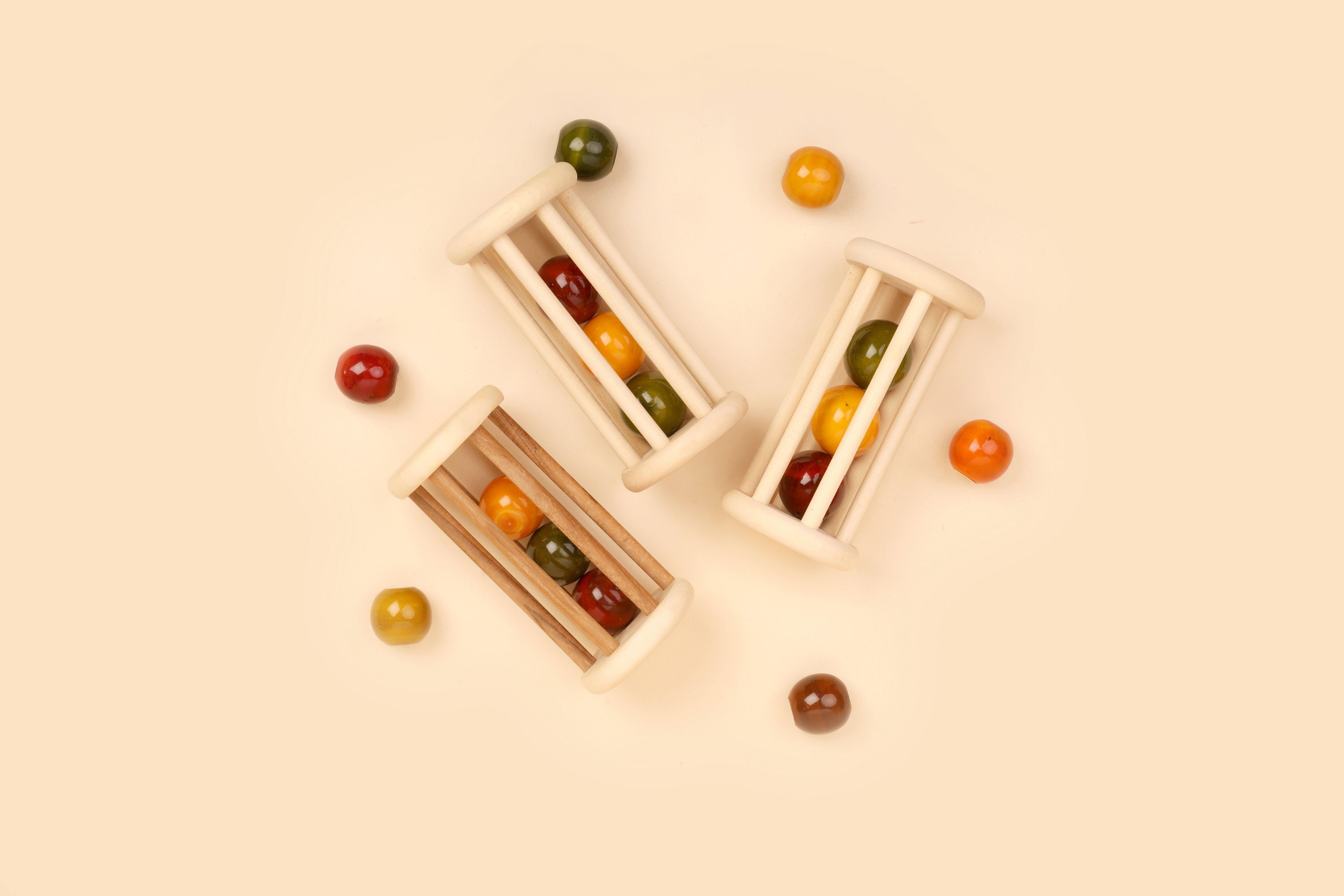
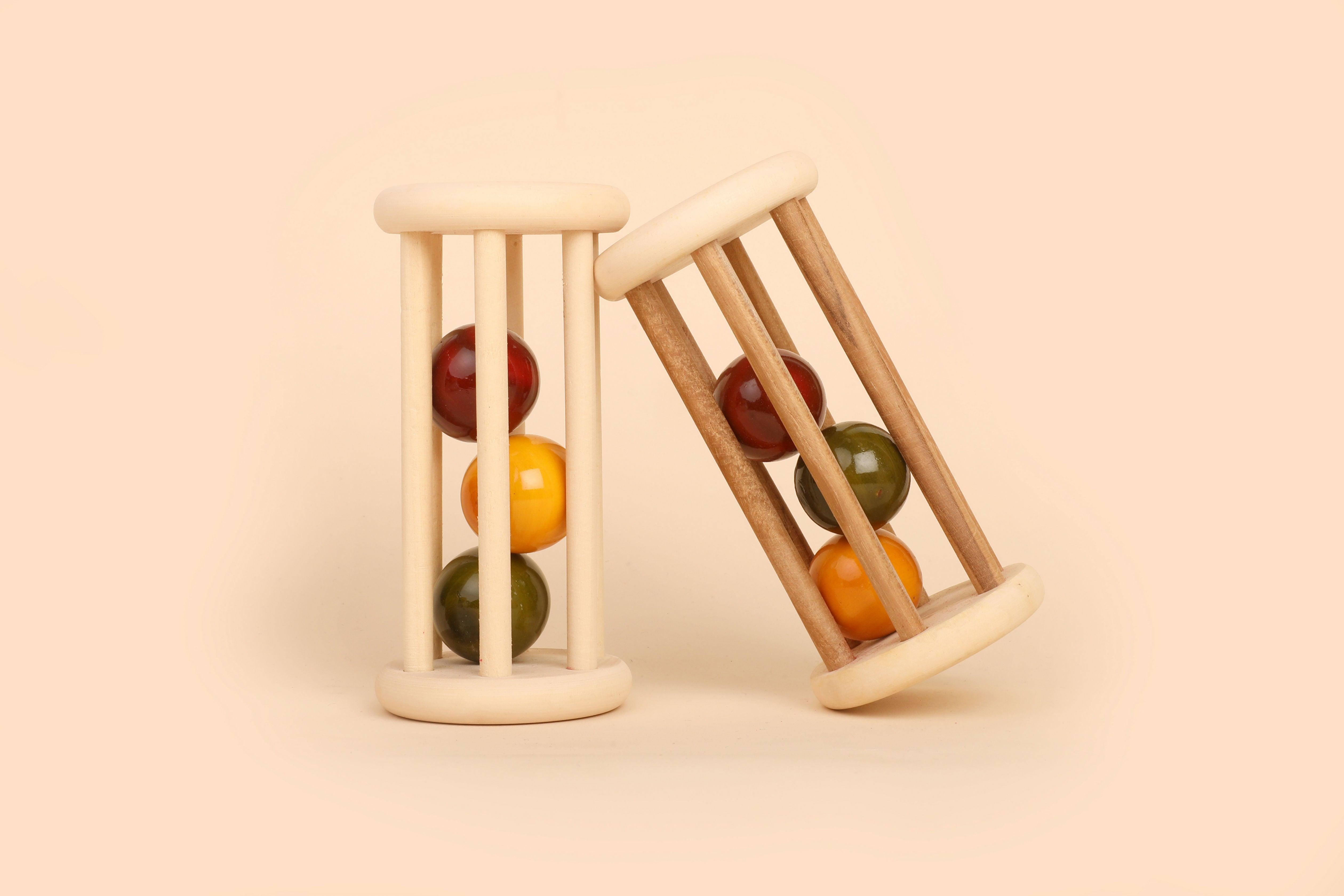
Rattle for Newborn: Gentle First Toys for Sound and Sensory Play
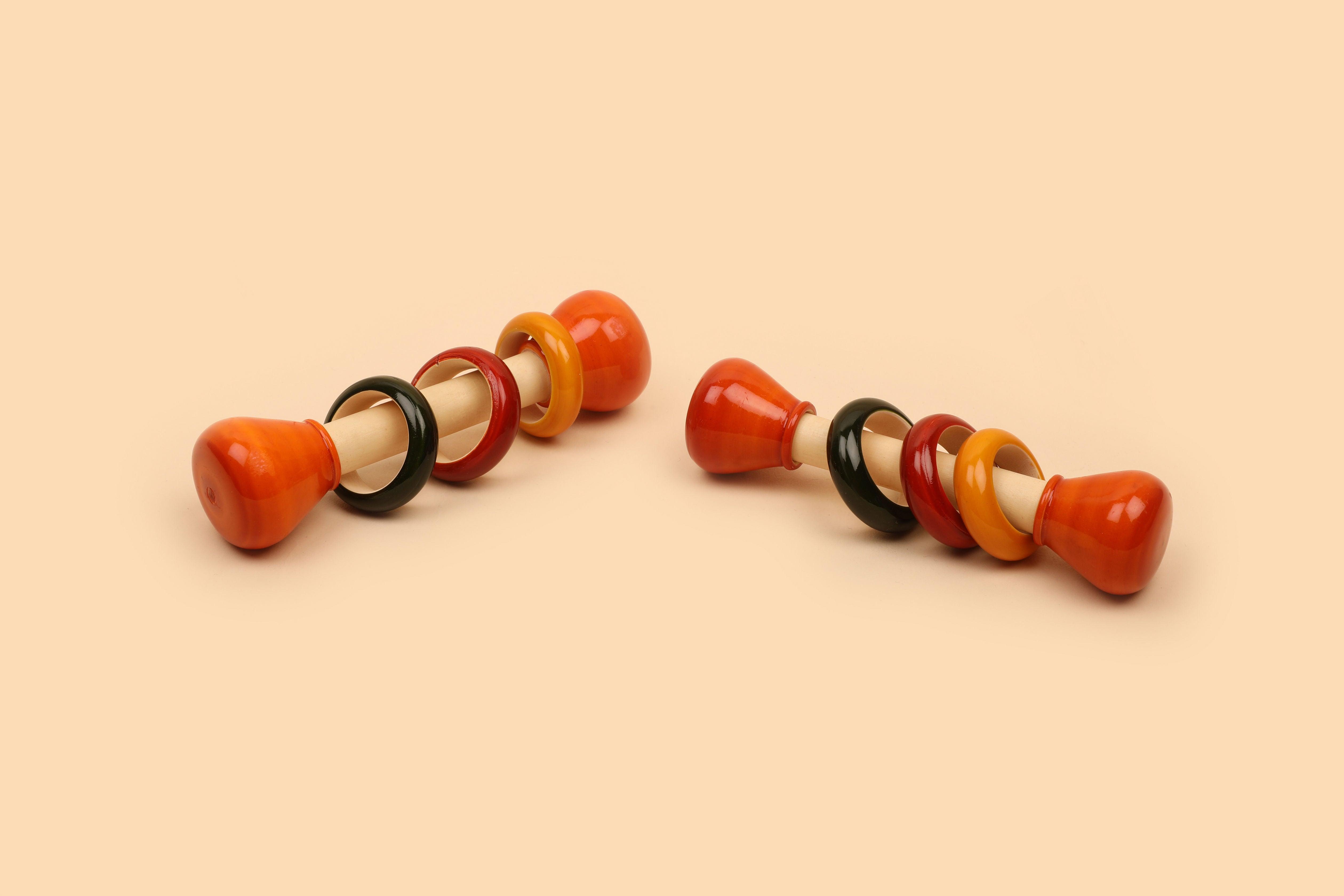
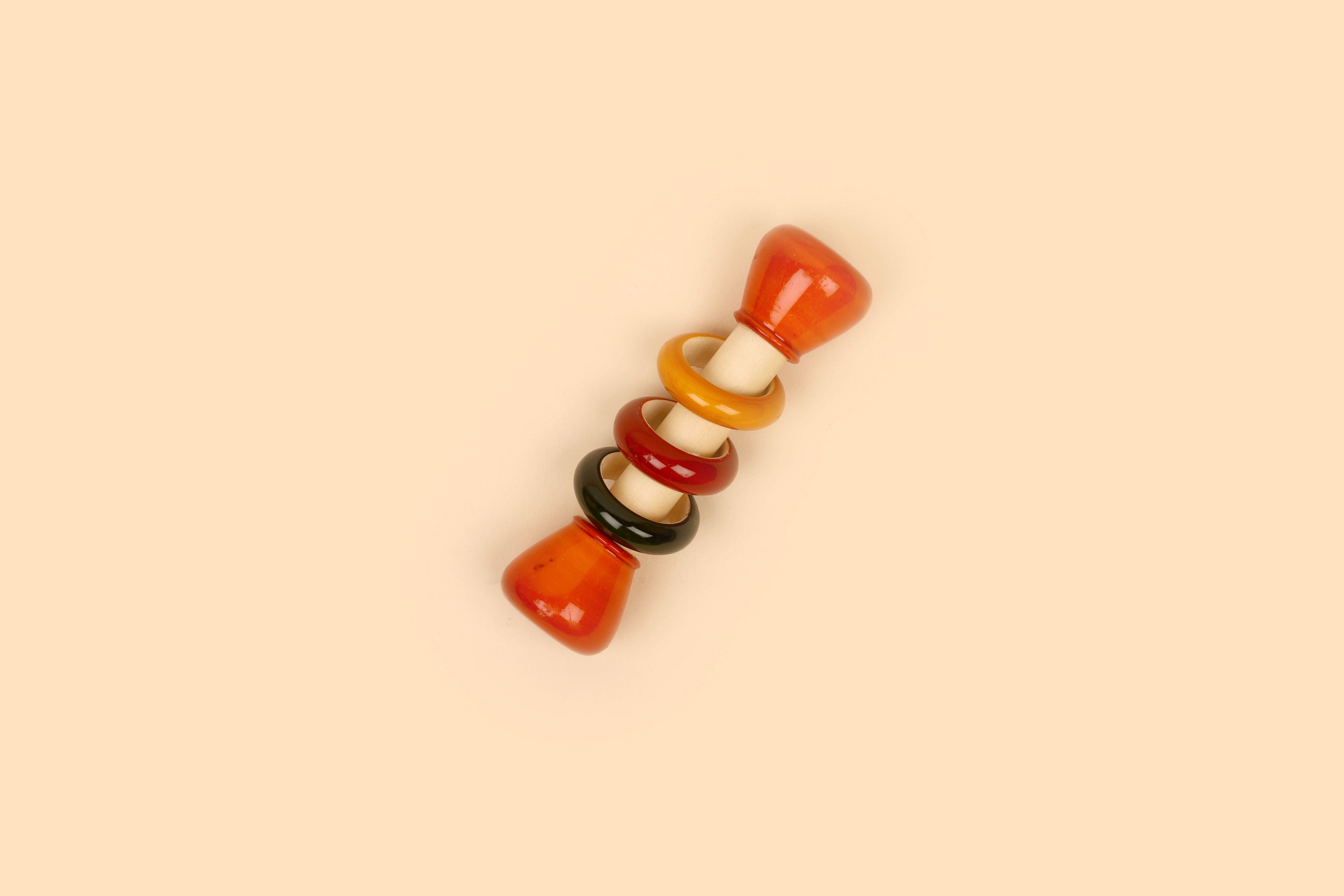
A rattle for newborn babies is often one of the very first toys a child interacts with. These simple toys respond to movement with a soft sound, helping babies begin exploring cause and effect through touch and motion. Wooden rattles are especially valued for their natural feel, smooth surfaces, and calm sensory experience.
Parents usually look for rattles for infants during the early months when babies begin observing movement, grasping objects, and reacting to gentle sounds. A well designed newborn rattle toy supports these early play moments without overwhelming stimulation. In many homes, it becomes a baby's first introduction to sensory play and independent exploration.
What Is a Newborn Rattle Toy
A newborn rattle toy is a small handheld toy designed for babies who are beginning to explore movement and sound. These toys are lightweight and easy to hold, allowing infants to shake, grip, and observe how their actions create gentle sounds.
Many parents choose wooden rattles because they align with simple, natural play experiences similar to those encouraged in Montessori and Waldorf inspired homes.
How Babies Use Rattles in Early Months
During the first few months, babies begin discovering their hands and learning how objects respond to movement. An infant rattle toy allows them to experiment with shaking, holding, and turning the object while hearing a soft sound.
These early interactions are not structured learning moments. They are small discoveries that happen naturally during daily play.
Why Rattles Are Often a Baby’s First Toy
Rattles remain popular for newborns because they are easy to use and simple to understand.
Babies can explore them through:
• gentle shaking
• holding and releasing
• listening to the sound
• watching movement
The simplicity makes them suitable for early sensory exploration.
Montessori and Waldorf Perspective on Baby Rattles
In Montessori and Waldorf inspired environments, toys for babies are kept simple and purposeful. Natural materials and calm sensory experiences are often preferred.
Wooden rattles fit naturally into this approach. They allow babies to explore sound and movement without lights, batteries, or overwhelming stimulation. This encourages a slower and more focused play experience similar to toys found in many Montessori toys collections.
Why Parents Choose Rattles for Infants
Parents searching for rattles for newborn babies often prefer toys that are simple, safe, and easy for babies to handle.
Common reasons families choose rattles include:
• Encourages natural grasping movement
• Introduces gentle sound exploration
• Supports early sensory play experiences
• Easy for babies to hold and shake
• Small toys that fit easily into toy baskets or travel bags
These features make rattles practical for everyday play routines.
Many parents also explore other early sensory toys alongside rattles such as those found in sensory play toys collections.
Choosing the Right Infant Rattle Toy
Not all rattles are the same. Parents usually consider a few important factors when selecting a rattle toy for newborn babies.
Size and Grip for Small Hands
Newborn hands are still learning how to grasp objects. A rattle with a comfortable shape and smooth edges makes it easier for babies to hold and explore.
Rounded handles and lightweight designs are usually preferred.
Sound Level and Stimulation
Babies respond best to soft, gentle sounds. Loud or sharp noises can sometimes startle them. A wooden rattle typically produces a calmer sound that many parents prefer for early sensory play.
Material Choice for Early Toys
Many families prefer wooden toys for their durability and natural feel. Wooden rattles are commonly part of broader collections of wooden toys that focus on simple open ended play.
Age and Stage Suitability
Best Rattles for Newborn Babies
In the earliest months, babies mostly observe movement and listen to sounds. A lightweight newborn rattle toy supports these quiet moments of discovery.
Rattles for Infants Developing Hand Control
As babies grow, they begin gripping objects more intentionally. At this stage, an infant rattle toy becomes a playful tool for shaking and exploring sound.
Works Well for Sibling Homes
Rattles can also become part of sibling interaction. Older children often enjoy shaking the rattle gently for the baby or placing it near them during playtime.
Families with multiple children often combine rattles with toys from toddler toys collections to support shared play spaces.
Useful for Quiet Time Play
Rattles are small, simple toys that work well during quiet indoor moments. They are easy to keep in a play basket or beside a baby play mat.
How Rattle Toys Fit Into Everyday Baby Routines
Parents often integrate rattle toys for newborn babies naturally into daily routines rather than using them as structured activities.
Morning Independent Floor Play
During morning playtime, babies may lie on a mat while holding or observing a rattle. These quiet moments allow them to explore movement at their own pace.
Afternoon Calm Play Moments
In the afternoon, rattles often become part of quiet sensory play. Many parents keep a small toy basket near the baby’s play area.
Evening Parent and Baby Interaction
Parents sometimes use rattles during evening play by gently shaking them or moving them from one side to another to encourage babies to follow the sound.
For early stage toys designed specifically for this age group, parents often browse collections like newborn baby toys.
Weekend Family Playtime
During weekends, siblings and grandparents often join baby playtime. A simple rattle can become part of these shared moments.
Wooden Rattles vs Plastic Rattle Toys
Parents often compare wooden rattles with plastic alternatives before choosing a toy.
Material Feel and Weight
Wooden rattles tend to feel solid and natural in the hand. Plastic rattles are usually lighter and may include bright colours or textures.
Sound Experience
The sound from wooden rattles is often softer and more subtle compared to plastic rattles that may contain beads or louder mechanisms.
Simplicity of Play
Many parents appreciate the simplicity of wooden toys. They focus on sound and movement without extra features, similar to toys found in open ended toys collections.
A Small Moment from an Indian Home
In many Indian homes, baby toys are kept in a small basket beside a floor mat in the living room. During the afternoon, a grandparent may sit nearby while the baby explores a rattle, gently moving it and listening to the sound. These small everyday moments often become a baby's earliest play experiences.
Real Parent Usage
Rhea from Pune keeps a few baby toys on a low shelf so her child can reach them during supervised playtime. A simple rattle is usually the first toy her baby reaches for in the morning.
Amit in Bengaluru prefers toys that both his children can interact with. His older daughter enjoys gently shaking the rattle while sitting beside her baby brother during evening playtime.
Helpful Answers for Parents Exploring Newborn Rattle Toys
When can babies start using a rattle
Many babies begin responding to rattles within the first few months as they start observing movement and reacting to sound.
Are wooden rattles safe for newborn babies
When made with smooth finishes and child safe materials, wooden rattles are commonly used as early baby toys under supervision.
What type of rattle toy is best for infants
A good infant rattle toy is lightweight, easy to hold, and produces a gentle sound. Smooth surfaces and comfortable shapes help babies explore the toy safely during early play.
How do rattles support baby sensory play
Rattles introduce babies to sound and movement in a simple way. When a baby shakes or moves the toy, they begin noticing that their actions create a response.
Do babies need different rattles as they grow
As babies grow and develop stronger grip control, they may enjoy rattles with slightly different shapes or textures. However, many simple rattles continue to be used throughout infancy.